Location
Mount Vernon, WA 98274

Location
Mount Vernon, WA 98274
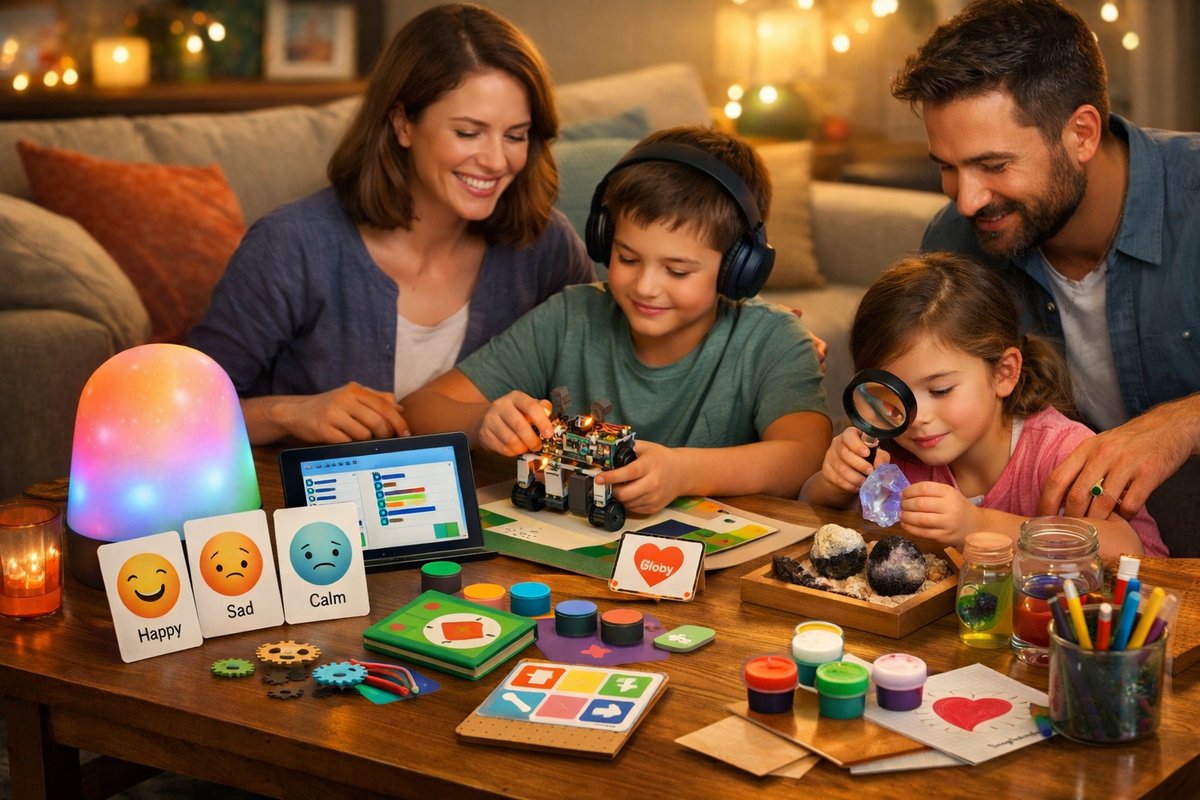
A wave of parent-designed tools and playful kits is transforming home education by blending emotional literacy with hands-on exploration. From mood lamps that spark nightly check-ins to coding kits with empathy-driven challenges, families nationwide are celebrating curiosity, agency, and resilience in their own living rooms.
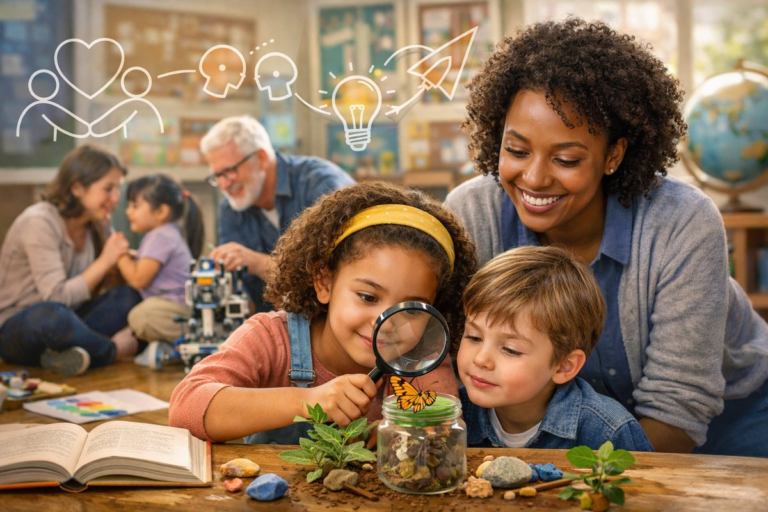
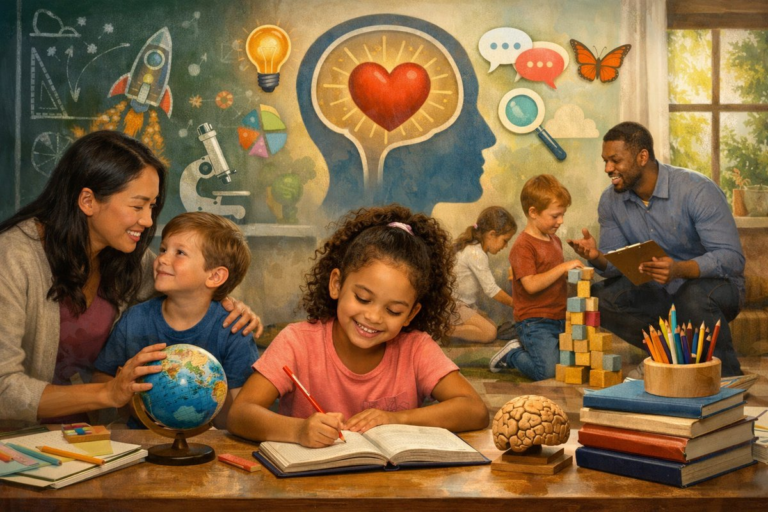
In living rooms and backyards around the country, a quiet revolution in parenting is taking shape, blending emotional development with hands-on exploration. Families are turning away from drill-and-grill methods and toward learning experiences that honor both a child’s heart and mind. From craft kits that invite kids to map their feelings to building block sets programmed with empathy-driven challenges, parents and educators are designing home environments where emotional intelligence and STEM curiosity coexist. This new wave of at-home learning tools reflects a broader shift in how we support growth with heart, celebrating children as active agents in their own education.
Emerging alongside smart toys and subscription boxes is a renewed interest in tactile tools that encourage open-ended play. Unlike one-size-fits-all apps, these resources invite children to express anxieties, name emotions, and collaborate with siblings or caregivers. Parent-led workshops are popping up at community centers, and digital forums are buzzing with reviews of emotion flashcards, family conversation decks, and color-coded mood lamps designed for nightly check-ins. The goal is not just academic achievement, but cultivating resilience, empathy, and self-awareness from an early age.
At the heart of this movement is a willingness to experiment. Take the Hernandez family of suburban Ohio, who recently integrated a color-changing mood lamp into their evening routine. Each night, eight-year-old Sofia adjusts the lamp’s hue to match her dominant feeling before bedtime. If she selects a cool blue, her parents gently ask what’s on her mind. If she picks a bright yellow, she shares something that brought her joy that day. ‘It’s opened up conversations we never had,’ says her mother, a school counselor. ‘We’re discovering the language of her emotions in real time.’
Professional voices are also chiming in. Dr. Lena Matthews, a child psychologist focusing on emotional literacy, applauds the trend but offers a caveat. ‘These tools can be transformative, but they work best when adults model emotional vulnerability themselves,’ she explains. In large-scale studies at university labs, simple practices like naming emotions and narrating responses have shown measurable declines in anxiety and behavioral issues among children aged six to twelve.
Playful STEM kits are adapting to this ethos, too. Recent product launches integrate coding challenges with cooperation tasks that reward both technical skill and collaborative problem-solving. In one setup, children build robots that respond to voice prompts about kindness or frustration, reinforcing the connection between their mental states and physical creations. Robotics clubs in several districts have reported higher engagement rates after introducing emotion-themed modules, and parents say the hybrid approach keeps screen time in check by balancing digital instruction with hands-on manipulation.
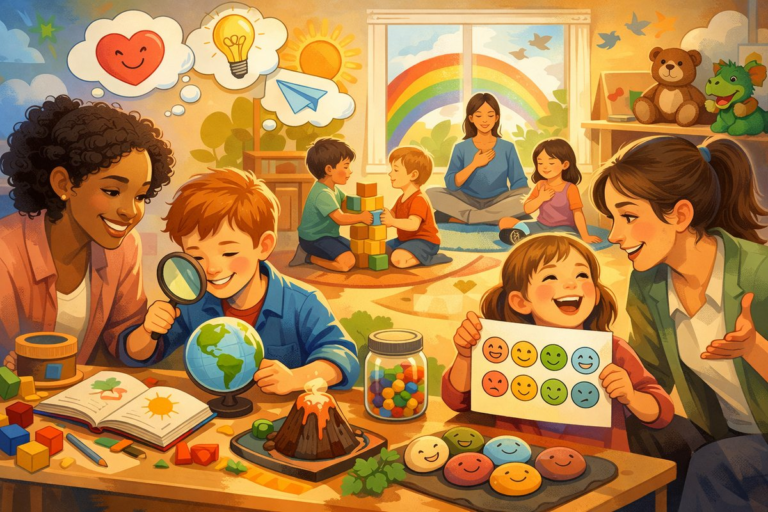
Meanwhile, educators are finding new uses for analog materials. Emotion wheels, magnet-based feeling meters, and laminated journaling cards are cropping up in homeschooling communities. These low-tech solutions are sometimes bundled with instructions for deep breathing or guided imagery, helping younger children develop self-regulation before tackling more abstract tasks. At a monthly meetup in Portland, Oregon, parents pass around a basket of conversation starter cards, each printed with prompts like ‘Describe a time you felt proud’ or ‘Name one thing that worries you’. The simplicity, organizers say, is the magic.
Digital apps remain part of the conversation, especially those that translate a child’s input into visual narratives. One popular download allows kids to create avatars that change facial expressions as they log feelings throughout the day. Parents can pull up weekly reports showing mood trends alongside sleep and activity data. Advocates believe these dashboards offer actionable insights for family routines, highlighting potential stressors such as overpacked schedules or disrupted sleep. Privacy concerns persist, however, and experts recommend choosing platforms with robust data protections.
Beyond widgets and software, many families are rediscovering the power of storytelling. Customizable storybook kits invite children to write and illustrate tales about friendly creatures who overcome fears or practice gratitude. Once complete, these narratives become part of a home library that grows alongside each child’s evolving emotional vocabulary. Local libraries report high demand for community spaces where families can cowork on these projects, turning reading nooks into collaborative art corners.
The importance of parent education cannot be overstated. Workshops led by speech therapists and child development specialists are teaching grownups how to ask open-ended questions and validate feelings. In Denver, a pilot program at a co-op preschool introduced ’emotion afternoons,’ during which parents practice role-playing exercises and use mirror-based activities to reflect children’s expressions. Early feedback indicates improvements in parent-child attunement, especially in families with children on the autism spectrum or those experiencing anxiety.
Amid these promising innovations, challenges remain. Not every tool suits every family. The cost of premium subscription boxes can strain budgets, and some children balk at structured emotional check-ins. Cultural norms around emotional expression also play a role, as some families may prioritize stoicism or collective sensibilities. Recognizing and respecting these differences ensures that tools are adapted rather than imposed. Parents in bilingual households, for example, may create dual-language emotion vocabularies to honor their heritage and deepen understanding. Experts advise starting small-perhaps a simple feelings chart on the refrigerator door or a weekly gratitude jar. ‘You don’t need a shelf full of gadgets to nurture empathy,’ notes community organizer Maya Singh. ‘Sometimes the conversation matters more than the tool.’
Recent research adds empirical weight to these observations. A longitudinal study published in a peer-reviewed journal tracked 400 families over two years, comparing those who incorporated mood lights, flashcards, and conversation decks with those using traditional homework routines. Results showed a 30 percent reduction in sibling conflicts and a 20 percent increase in parent-reported emotional literacy in the experimental group. Academically, children demonstrated enhanced problem-solving skills, likely due to the emphasis on reflective pauses and verbal processing of challenges.
Community initiatives are scaling up. Several nonprofits have launched donation drives to provide under-resourced schools and shelters with emotion-based toolkits. Volunteers host meetups to swap homemade resources like emotion scarves and feelings-felt boards, encouraging reuse of everyday materials. In urban neighborhoods, pop-up workshops guide families in crafting DIY sensory bags filled with items that soothe or stimulate, depending on a child’s needs. The grassroots approach reveals that emotional learning can thrive with creativity and collective effort.
Looking ahead, device manufacturers and toy designers are exploring more seamless integrations between physical products and peer-to-peer learning networks. Beta tests are underway for modular play mats that light up in response to group problem-solving, and discussion is growing around virtual reality experiences tailored for empathy training. A handful of startups are pitching emotion-driven curricula for remote schooling platforms, hoping to bridge the gap between social learning and isolated online classrooms.
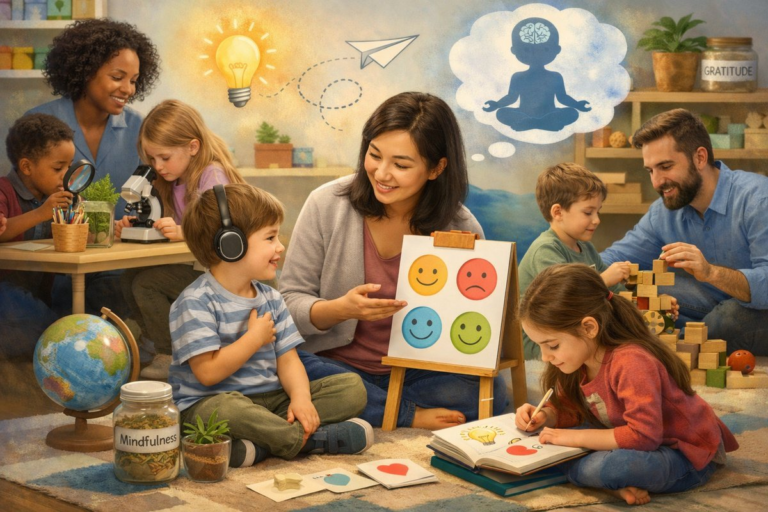
As families experiment with this new blend of heart and head, the message is clear: nurturing young thinkers means validating their feelings as much as honing their cognitive talents. Whether through a simple card game, a shared story project, or a high-tech lamp, the best tools are those that spark curiosity and invite reflection. In the evolving landscape of home education, success will be measured not only by test scores, but by the kindness and resilience that emerge when children feel truly seen.