Location
Mount Vernon, WA 98274

Location
Mount Vernon, WA 98274
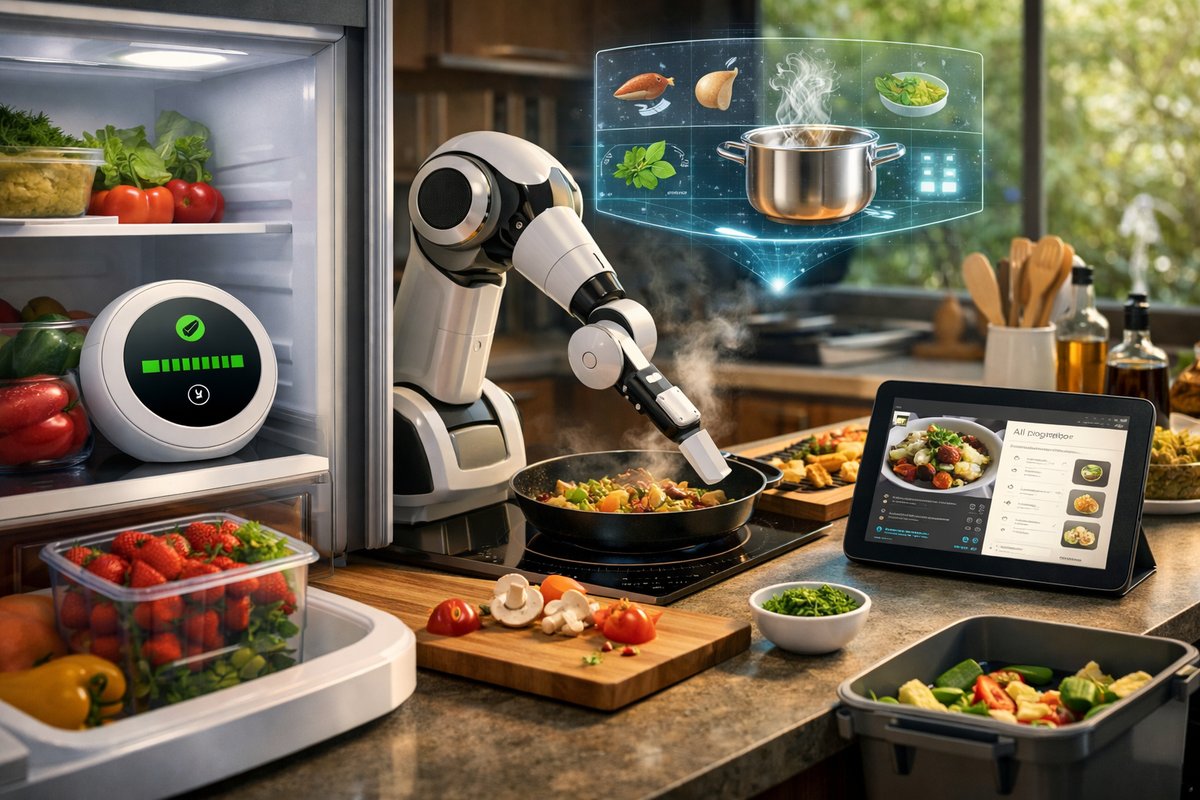
Kitchen technology is entering a new era with innovations spanning freshness sensors, AI recipe platforms, and robotic sous-chef attachments. These tools promise to reduce waste, enhance emotional connection, and democratize advanced cooking techniques while addressing privacy and sustainability.
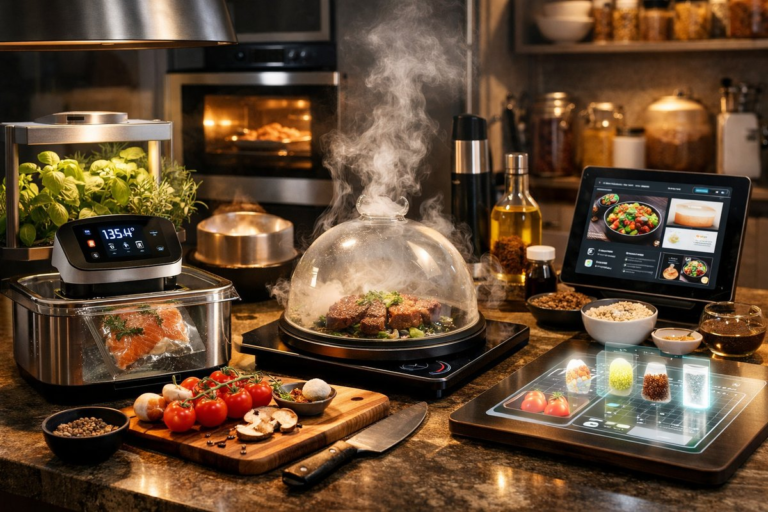
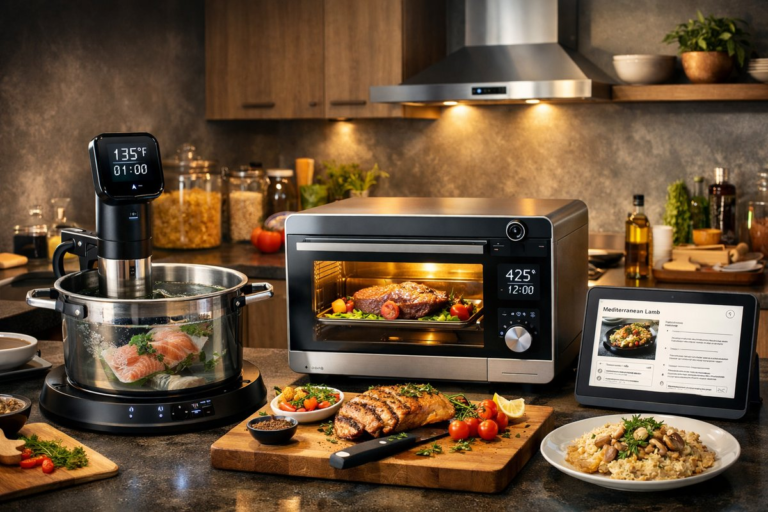
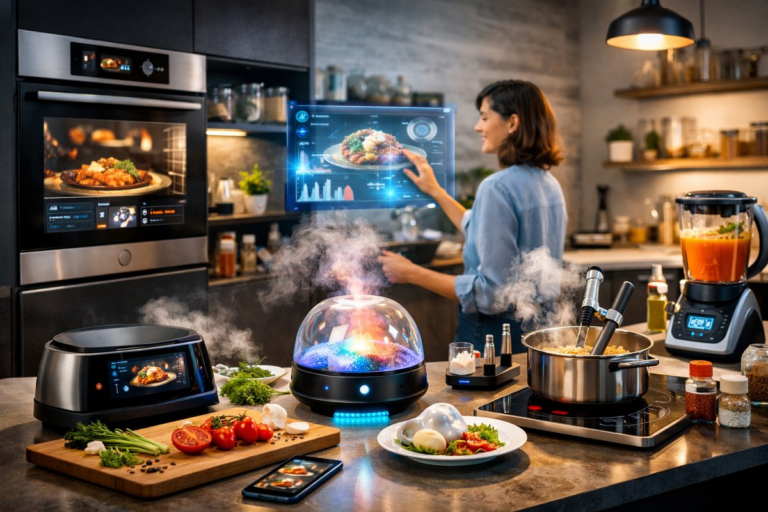
On a bustling showroom floor earlier this year, enthusiastic home cooks and technologists alike gathered to glimpse what might become tomorrow’s culinary landscape. Under the glow of sleek touchscreens and beside self-cleaning ovens, innovators unveiled devices that promised to reshape the way people approach everyday meals. The excitement was palpable as demonstrations offered live trials of gadgets that ranged from pocket-sized freshness sensors to robotic stirrers guided by machine learning algorithms. As aroma wafted through the event space, attendees sampled smart sauces prepared with real-time recipe adjustments. It was a clear signal: the kitchen, long considered a bastion of tradition, is hurtling toward a high-tech future.
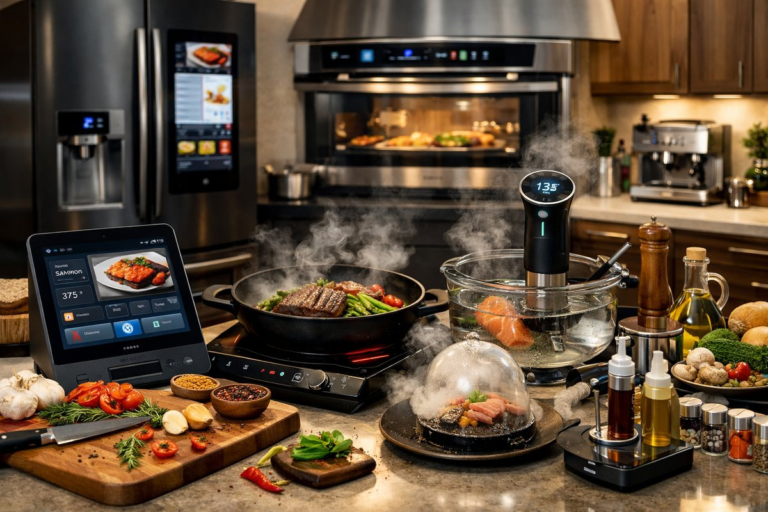
Leading the charge, freshness sensors now fit discreetly on refrigerator walls or attach to produce drawers, constantly monitoring ethylene levels, humidity, and temperature. Tapping into wireless networks, these sensors can notify users on mobile devices when leafy greens are about to spoil or when cheese has reached peak ripeness. The technology sidesteps bulky labels and guesswork, promising to reduce waste by alerting cooks before ingredients go bad. Sustainability-minded consumers see this as a first line of defense against discarded food. Beyond single appliances, open-source communities are developing modular sensor kits to retrofit older refrigerators, giving vintage hardware a second lease on life and a modern edge.
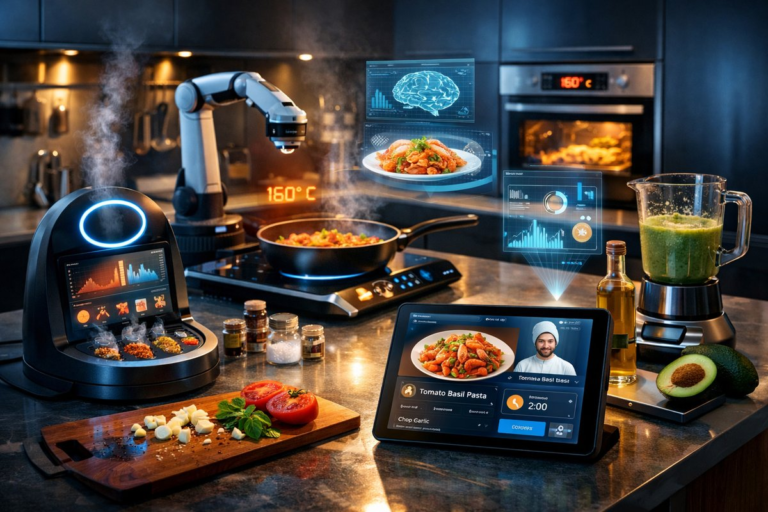
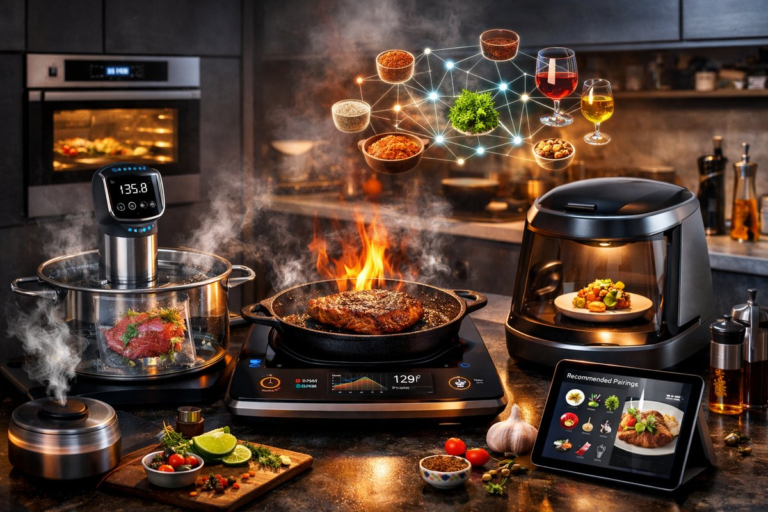
While freshness sensors tackle spoilage, artificial intelligence is handling menu planning and flavor pairing. Cloud-based platforms analyze personal preferences, dietary restrictions, and local ingredient availability to generate customized recipes. A typical smart display might suggest a fennel and citrus salad to balance unexpected acidity in a batch of persimmons you just brought home. Some interfaces even factor in nutritional goals or seasonal produce trends. By learning from user feedback and cooking patterns, these systems refine their suggestions over time. Early adopters report discovering ingredients they never would have paired and experimenting with global flavors, emboldened by data-driven guidance.
Robotic sous-chef attachments are also stepping into mainstream awareness. Designed to clip onto existing cookware, these motorized arms can stir soups, whisk egg whites to stiff peaks, or even flip pancakes with surprising dexterity. They draw power from compact induction units and follow preprogrammed motion routines, freeing cooks to focus on prep work or simply enjoy company instead of pacing back and forth at the stove. Automation enthusiasts praise the ability to maintain consistent heat and movement-especially for time-sensitive techniques like tempering chocolate or emulsifying delicate vinaigrettes.
On the more experimental end, researchers have started integrating ultrasonic vibrations into kitchen tools. Experimental knives equipped with high-frequency transducers vibrate at tens of thousands of cycles per second, reducing friction and making precise cuts through dense fruits, fibrous vegetables, or even frozen ingredients. Early prototypes shown at tech expos have impressed culinary professionals with cleaner slices and reduced cellular damage, which can help preserve texture and flavor. While commercial versions are still in development, the promise of nearly effortless chopping has food science enthusiasts buzzing about the next generation of prep equipment.
As high-tech devices proliferate, companies are also spotlighting sustainability features. Some smart countertop composters automate the breakdown of kitchen scraps into usable soil amendments in a matter of hours. By controlling temperature, moisture, and aeration, these compact machines accelerate decomposition while neutralizing odors. Linked apps provide data on household organics output and suggest strategies to reduce overall waste. Paired with freshness sensors in the fridge, this creates a closed-loop system where nothing edible-or garden-bound-goes to a landfill.
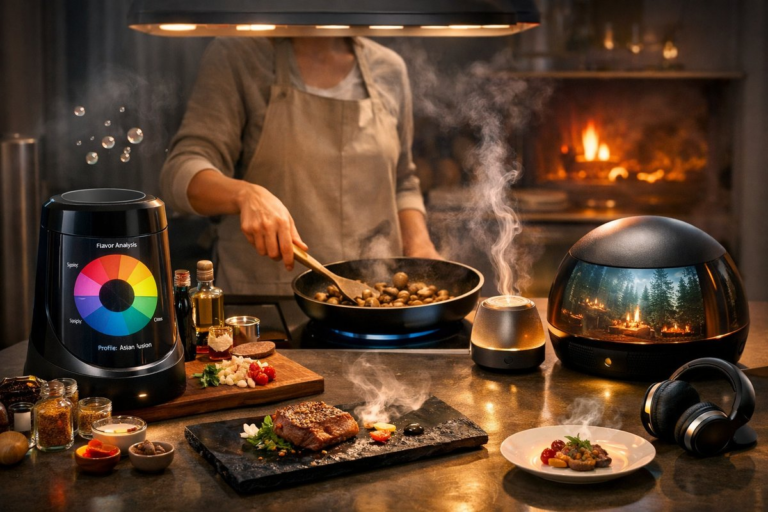
Beyond raw functionality, emerging kitchen tech is embracing emotional intelligence. Voice assistants in smart displays can now detect stress in a user’s tone and offer simplified recipe steps or gentle encouragement. Cooking coaches powered by sentiment analysis adjust pacing and tone when they sense frustration. In pilot studies, participants reported lower anxiety when preparing new dishes assisted by these empathetic interfaces. This softer side of automation could encourage more people to try cooking from scratch, breaking down psychological barriers that have kept some home chefs relying on takeout.
However, as cooking assistants become more conversational and connected, questions around privacy have come to the forefront. Experts caution against leaving microphones open in the kitchen at all times, noting potential vulnerabilities if data streams are intercepted. In response, some developers are prioritizing on-device processing to keep voice recognition and recipe personalization local. Others are rolling out end-to-end encryption for ingredient logs and cooking histories. By giving users clear options to manage data sharing, these platforms seek a balance between convenience and confidentiality.
Equity is also a growing focus in the kitchen technology sector. Companies are designing interfaces with larger buttons, voice control in multiple languages, and tactile feedback for visually impaired users. Adaptive induction cooktops accommodate those with limited mobility by allowing control panels to slide within reach. Open-source firmware projects ensure that DIY builders can customize assistive cooking tools without prohibitive licensing fees. These efforts underscore a broader commitment to making advanced culinary gadgets accessible to a diverse range of abilities and budgets.
In parallel, design teams are experimenting with sustainable materials for hardware casings and utensils. Recycled ocean plastics are finding their way into handle grips and housing panels. Bamboo composite cutting boards are being treated to resist bacteria and heat while maintaining a low carbon footprint. Even soldering fillets now sometimes use lead-free alloys that comply with strict environmental standards. The result is a new aesthetic that marries sleek minimalism with an ethical underpinning, aligning modern kitchens with eco-sensitive values.
Despite the excitement, widespread adoption faces hurdles. High price points still limit access for many home cooks. The learning curve for pairing devices, calibrating sensors, and troubleshooting firmware updates can frustrate nontechnical users. Moreover, rapid product cycles sometimes lead to early obsolescence, leaving buyers with unsupported gadgets. Industry insiders suggest modular designs and subscription-free software licenses as pathways to more sustainable consumer experiences.
Current market data reflects a growing appetite for smart kitchen devices. In the last quarter, global sales of connected cooking appliances climbed by double digits, outpacing traditional small appliance categories. Demand spikes have been particularly strong in regions where urban living spaces constrain conventional outfitting, prompting apartment-friendly versions of high-end equipment. Retailers report that shoppers often bundle precision scales with multi-function cookers, indicating an ecosystem approach to kitchen modernization.
At a recent symposium hosted by a leading research lab, culinary scientists shared preliminary findings on hybrid heating methods combining microwaves and convection ovens. Early tests demonstrated faster cooking times while maintaining texture quality, hinting at a future where microwaves shed their reputation for uneven results. Parallel studies on plasma-jet sterilization promise invisible to kitchens seeking faster cleanup cycles without harsh chemicals. Such breakthroughs suggest that convergence of multiple technologies will define the next wave of home cooking gear.
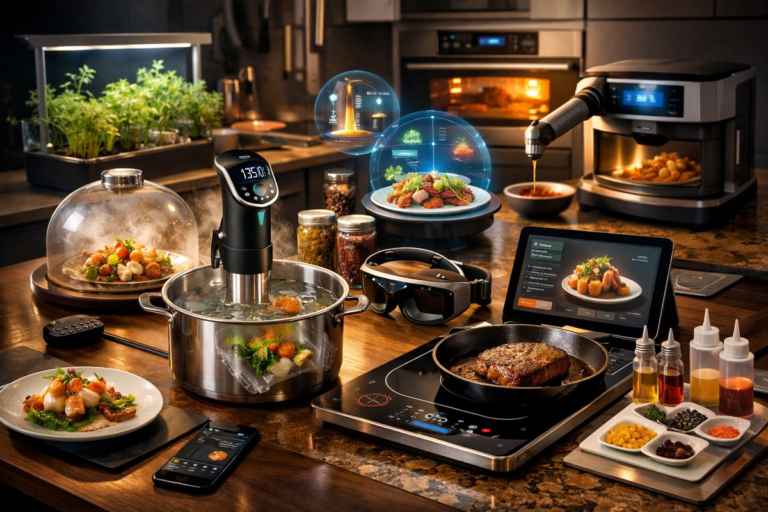
Looking ahead, experts envision immersive cooking experiences that blend augmented reality guidance with haptic feedback tools. Imagine wearing lightweight glasses that overlay step-by-step visuals onto cutting boards while vibrations guide you toward the perfect kneading pressure for bread. Or slim projection systems illuminating precisely where to place each ingredient. On the horizon, community-driven recipe networks could integrate directly into appliances, enabling real-time virtual potlucks across continents. As hardware becomes both smarter and more intuitive, cooking stands to become a social, sustainable, and deeply personalized pursuit.
From sensor-laden refrigerators that guard against spoilage to empathetic voice coaches that ease novices through complex preparations, kitchen technology is rapidly shifting from novelty to necessity. Early adopters are not just purchasing gadgets-they are embracing a philosophy that values precision, reduces waste, and fosters emotional connection through food. As these innovations permeate home kitchens, the simple act of preparing a meal may transform into a collaborative dance between human creativity and engineered intelligence. Cooking, it seems, is poised to embark on its most adventurous chapter yet.