Location
Mount Vernon, WA 98274

Location
Mount Vernon, WA 98274
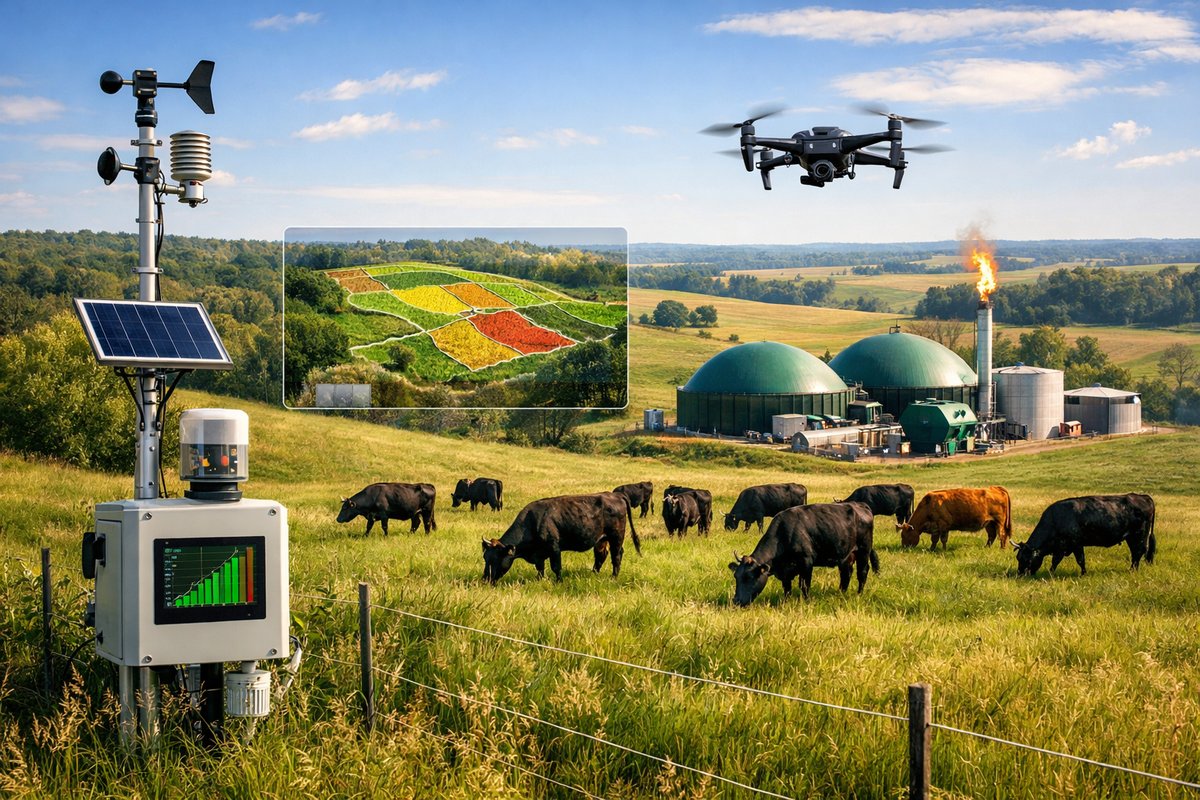
A family-owned ranch outside Des Moines has introduced an integrated approach to livestock care that combines sensor-based methane monitoring, drone-driven pasture mapping and on-site biogas production. The result is a 20 percent drop in enteric emissions, healthier grazing lands and a blueprint for regenerative farming that could ripple across the region.
On the rolling prairie just south of Des Moines, a mid-sized cattle operation is proving that the future of livestock farming need not sacrifice productivity for sustainability. Faced with mounting pressure on greenhouse gas targets and rising feed costs, the Jackson family herd embarked on a pilot program that stitches together Internet of Things monitoring, biodiversity-driven grazing and renewable energy from manure. The outcome to date has been a surprising convergence of higher soil health, measurable emission cuts and renewed hope among rural communities.
When Sarah Jackson first heard about real-time methane sensing collars at an agricultural conference, she was skeptical. Her grandparents had carved this land out of prairie sod more than a century ago using little more than horse-drawn implements. Today the same fields support eighty cows, twenty sheep and a dozen goats. The herd rotates across paddocks every two days, but historically the Jacksons had relied on visual inspection and seasonally charted schedules to decide timing. The new system would upend that rhythm.
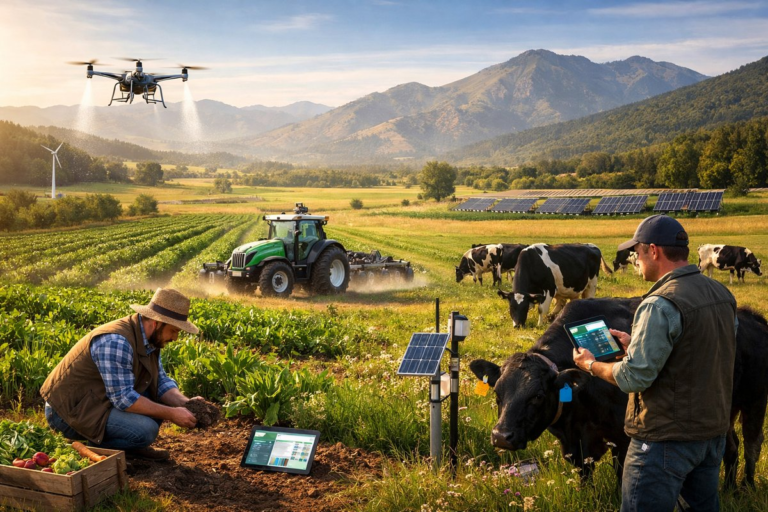
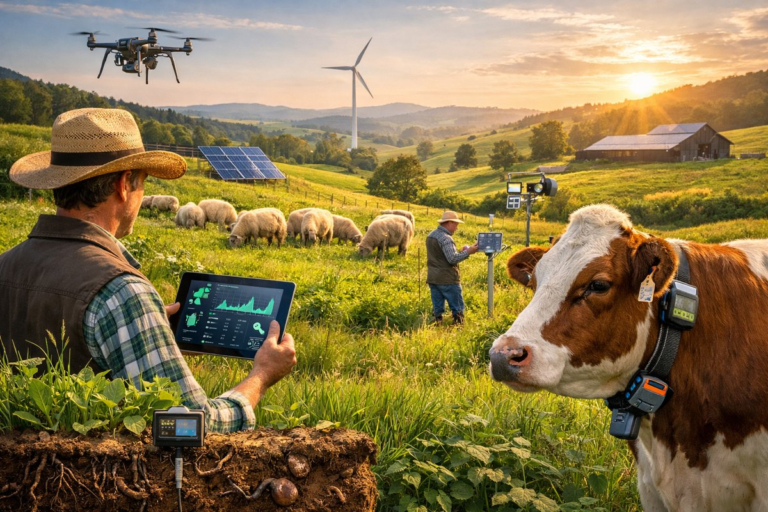
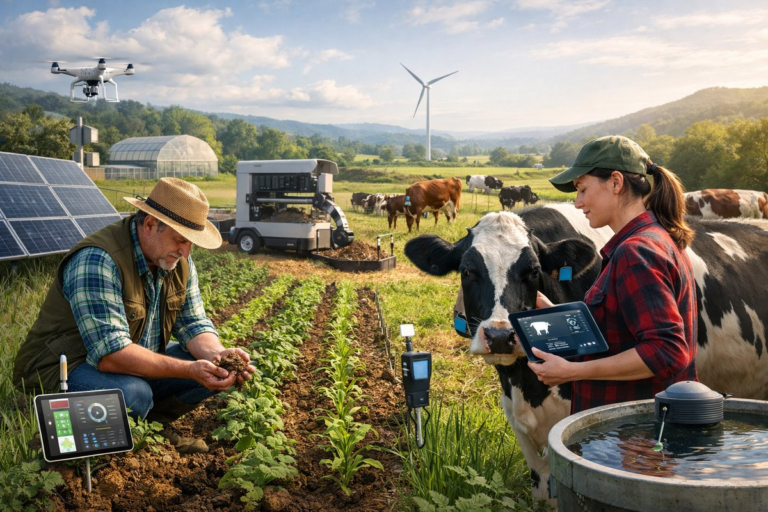
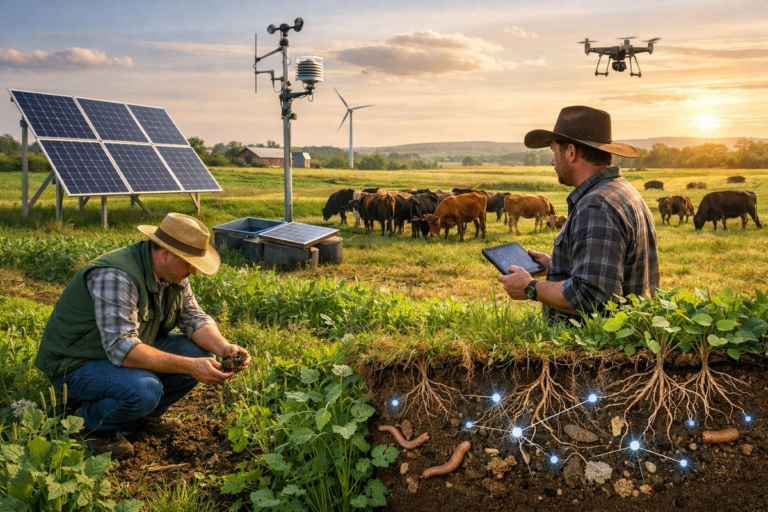
Wireless sensor collars, placed on a sample group of cattle, transmit data on respiratory rates, rumen temperature and methane output every thirty minutes. Linked to a central dashboard on Sarah’s tablet, the system flags animals deviating from baseline levels. Those animals get veterinary checkups sooner, reducing stress-related losses. More importantly, aggregated readings allow the Jacksons to confirm a farm-wide 20 percent reduction in enteric methane intensity over six months. Those figures were validated by independent auditors using portable gas analyzers from the Midwest Livestock Emissions Council.
Next came aerial intelligence. A consumer-grade drone equipped with a multispectral camera flies a five-minute circuit above each paddock, generating NDVI maps that reveal plant health down to the square meter. Brighter hues on the imagery correspond to vigorous growth, while muted tones flag overgrazed or water-stressed patches. With this data Sarah adjusts grazing rotation almost daily, moving her herd to give fragile areas a week of rest until ground cover rebounds. The result is a tapestry of grasses, forbs and native wildflowers that trap more carbon and support pollinators.
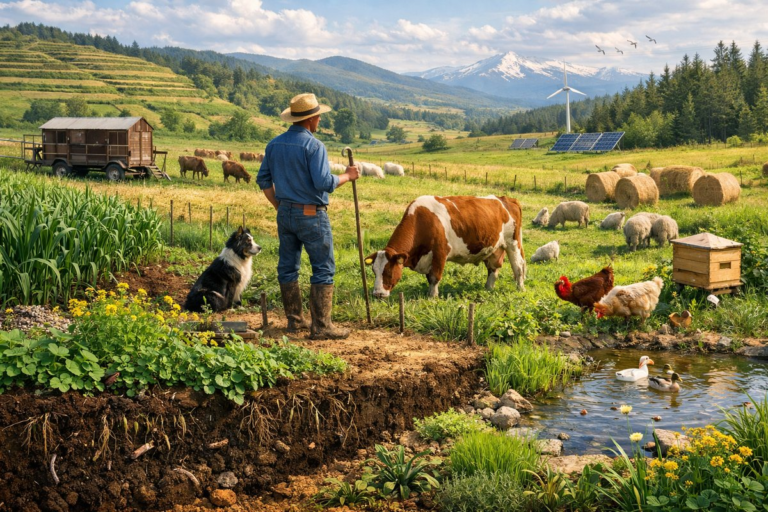
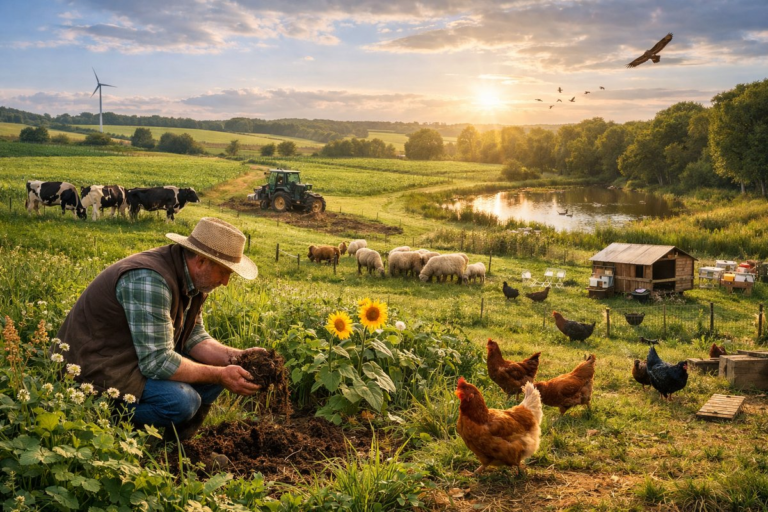
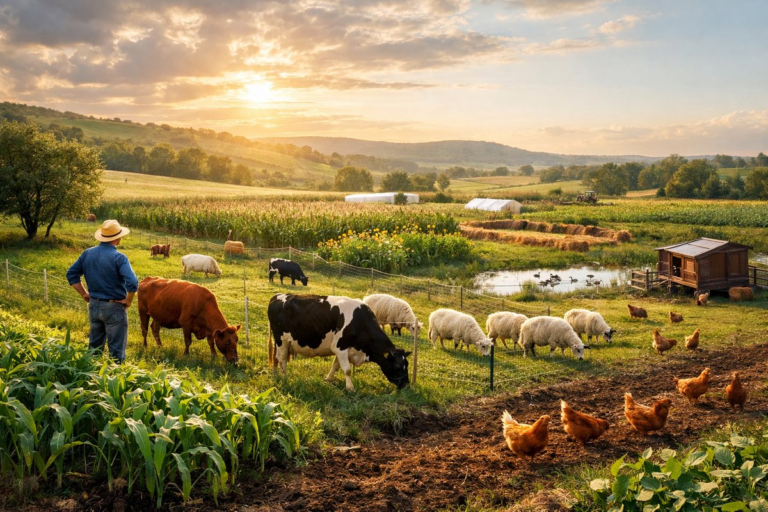
Biodiversity plays a starring role here. Alongside beef cows, the Jacksons introduced sheep and goats to graze brambles and thistles that cattle tend to ignore. This mixed herding method naturally controls invasive species without herbicides. Each paddock hosts a custom seed mix of perennial ryegrass, white clover, switchgrass and a handful of native prairie species such as purple coneflower and prairie dropseed. Between grazing cycles, John Jackson oversees interseeding with a no-till drill, boosting soil microbe activity and nutrient cycling.
Watering systems on the farm also got a high-tech overhaul. Solar-powered pumps now feed eight insulated troughs equipped with float valves and remote-activation valves. Via a smartphone app, Sarah can turn water flow on or off to any paddock, conserving energy and avoiding frozen lines in early spring and late fall. Automated freeze-prevention heaters in trough basins kick on only when temperatures dip below minus five degrees Fahrenheit, cutting electricity draw by more than half.
Perhaps the most striking innovation arrived in the barnyard. A small-scale anaerobic digester processes manure from the three species, capturing methane that would otherwise escape to the atmosphere. The biogas fuels a generator that powers the greenhouse heating system where winter fodder such as kale and feed barley are grown. Excess electricity goes back into the farm grid, offsetting utility bills. Solid digestate is composted in windrows that heat naturally, then spread across pasture to replenish nutrients without synthetic fertilizers.
These upgrades came at a cost approaching fifty thousand dollars, but the Jacksons tapped into cost-share funds from the Environmental Quality Incentives Program and a state renewable energy grant. They also participate in a voluntary carbon market that pays for verified sequestration gains on grasslands. Combined incentives covered more than sixty percent of the initial outlay, easing the financial burden while ensuring long-term returns.
On the marketing front, the ranch joined a regional cooperative that sells grass-finished beef to urban farmers markets. Buyers pay a premium for quality animals raised under transparent, low-impact systems. QR codes on packaging link to quarterly impact reports detailing pasture health metrics, emission measurements and renewable energy generation. This narrative builds trust with customers who demand accountability on climate issues and animal welfare.
Transitioning to this new model was not without hurdles. John recalls nights spent troubleshooting telemetry outages when cell reception dipped in the western paddocks. A learning curve emerged with data overload until a local extension agent helped distill key performance indicators. Sarah took online courses in regenerative agriculture and remote sensing to make sense of the maps. Across the family, adapting to sensor alerts and automated routines demanded not only technical skill but patience and open communication.
Success on one farm has attracted interest from neighboring operations. A digital exchange platform launched by a local ag tech incubator now matches mentors with farmers exploring similar setups. Prospective adopters visit the Jackson ranch on field days to test equipment, talk finances and join peer-to-peer discussion forums. Plans are in motion to compile open-source guides on collar configuration, drone flight patterns and biogas system maintenance.
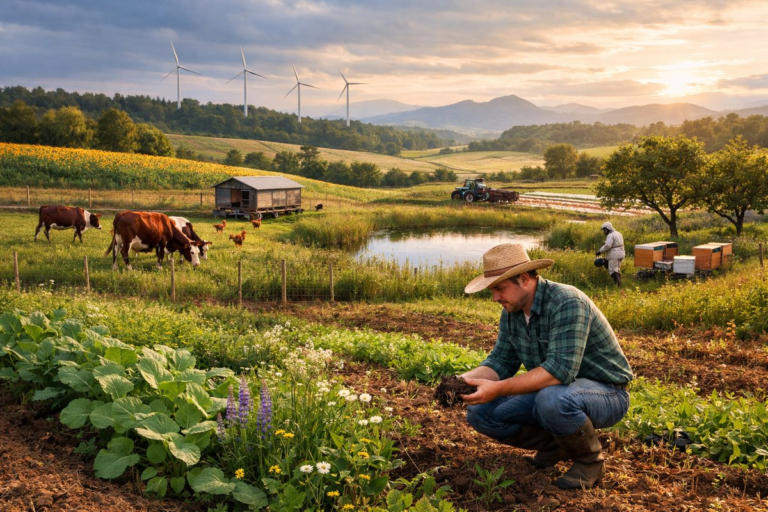
The ripple effects extend beyond ranch fences. Soil samples taken this season show organic matter gains of ten percent in treated paddocks, boosting water infiltration and drought resilience. Local waterways record lower sediment loads during spring runoff, thanks to permanent buffer strips seeded with native grasses. Neighbors speak of fewer weeds drifting into crop fields, and sightings of bobwhite quail and monarch butterflies have risen as wildflower corridors take root.
For the Jacksons, these environmental wins carry deep personal meaning. Sarah grew up hearing her grandparents reminisce about a time when prairies teemed with wildlife. Restoring a sliver of that heritage feels like an act of stewardship rather than mere business. As her young daughter tugs at her skirt to watch the calves at play, Sarah imagines a future where family farms stand resilient in the face of climate volatility and global markets.
Across the heartland, the Jackson ranch story hints at a pathway for scaling regenerative livestock models. By weaving together digital precision tools, ecological grazing design and on-site renewable energy, family farms can carve out profit niches while healing the land. If adopted more widely, this blueprint could shift public perception of animal agriculture, from a climate culprit to a climate partner. At the very least, it offers an inspiring reminder that innovation thrives where tradition meets curiosity.