Location
Mount Vernon, WA 98274

Location
Mount Vernon, WA 98274
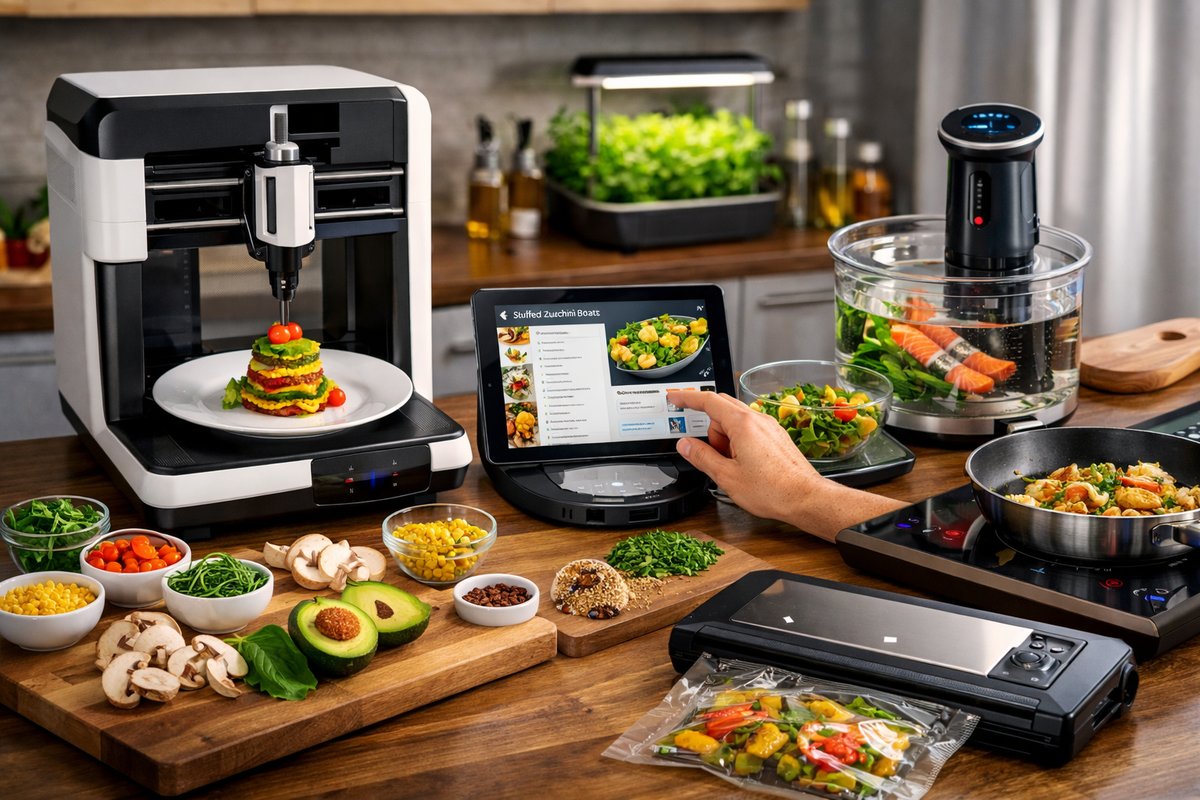
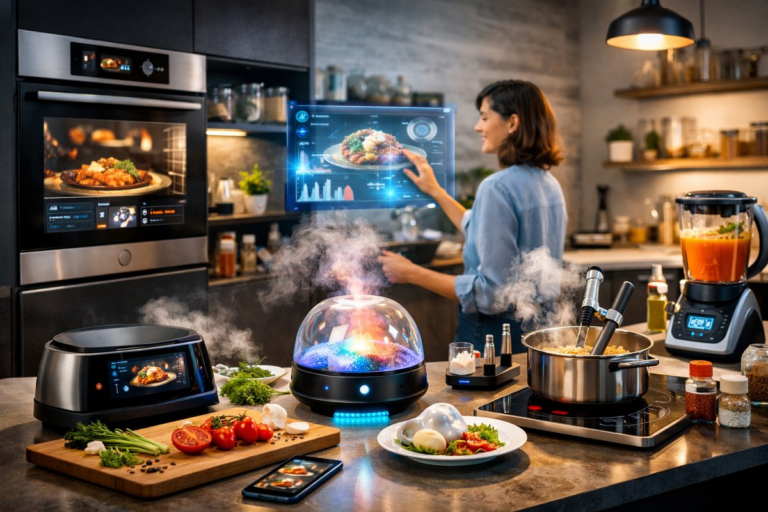
From countertop 3D food printers to AI-powered recipe assistants, the latest wave of kitchen gadgets is elevating home cooking into a high-tech adventure. These innovations blend precision, sustainability, and creativity, allowing curious cooks to experiment with customized flavors and reduce waste. Dive into the tools and techniques reshaping our culinary routines.
In kitchens around the world, a quiet revolution is underway. No longer confined to gas burners and stainless steel pots, modern home cooking now embraces artificial intelligence, smart sensors, and even 3D printing. What was once the domain of chefs in high-end restaurants or food labs is slipping into everyday life, promising precision, sustainability, and moments of hands-on delight. From devices that monitor your fridge’s freshness to countertop units that sculpt edible shapes from pureed vegetables, today’s culinary tools are turning every meal into a launchpad for creativity.
At a recent innovation expo, attendees watched as a compact food printer extruded delicate lattice shells made from potato puree, then filled them with herbed cheese foam. This glimpse into additive gastronomy isn’t confined to research kitchens anymore. Entry-level food printers-once the size and cost of an office 3D machine-are now dropping to countertop-friendly footprints and prices under four figures. Home cooks can load pureed fruits, vegetables or proteins into cartridges, choose from build patterns in a companion app, and let the device sculpt edible bites layer by layer. The real thrill isn’t only in novel shapes, but in the ability to experiment with micro-portions and flavor bursts: imagine individual ravioli filled with basil-lemon gel or tiny vegetable sculptures that garnish a soup.
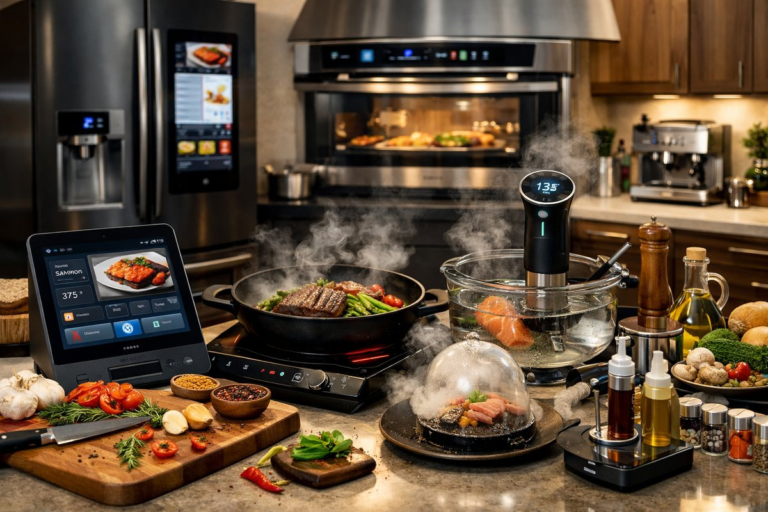
Yet 3D printing is only one strand of the story. Smart sensors have marched into cutting boards and refrigerators, turning food storage into a data-driven science. A sensor-embedded cutting board can weigh ingredients as you chop, record the added volume, and relay nutritional data to a health app. Meanwhile, fridge units with internal cameras and gas sensors analyze ethylene levels and humidity, alerting you to spoilage risks and suggesting recipes that use ingredients nearing their peak. No more tossing leafy greens or half-used peppers into the bin: your phone buzzes with a stir-fry idea right when those veggies are at their sweetest.
Behind many of these tools lies AI-powered recipe assistants. Using a mix of computer vision and natural language processing, smartphone apps let you photograph pantry items and receive personalized meal plans in seconds. The AI considers dietary preferences, cooking skill level, and even local produce availability. In a pilot program at several community centers, residents scanned leftover veggies each morning and got lunch suggestions tailored to local farmers’ market offerings. Beyond convenience, this approach nudges cooks toward seasonal ingredients, reducing both grocery bills and environmental impact.
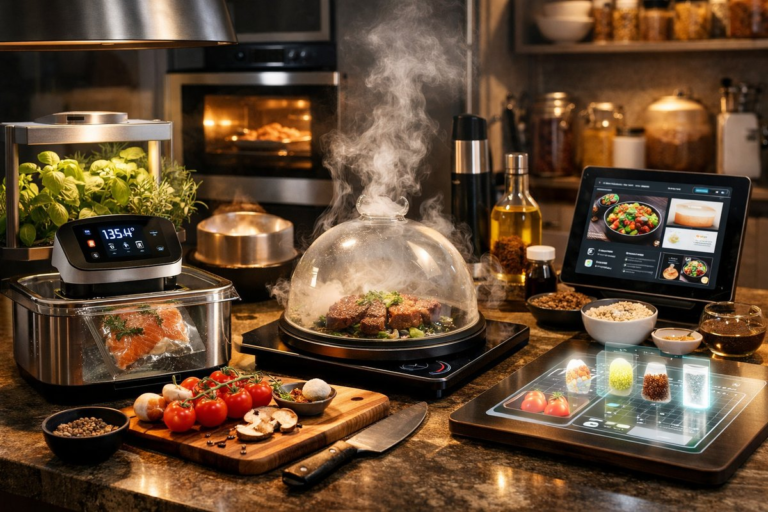
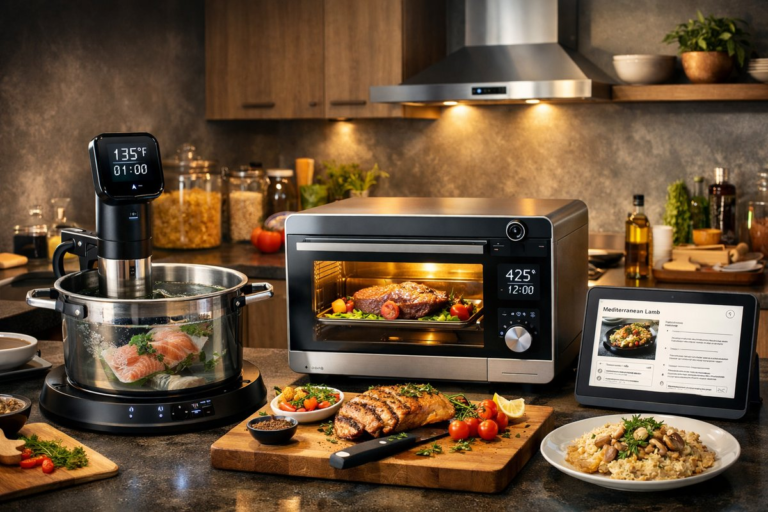
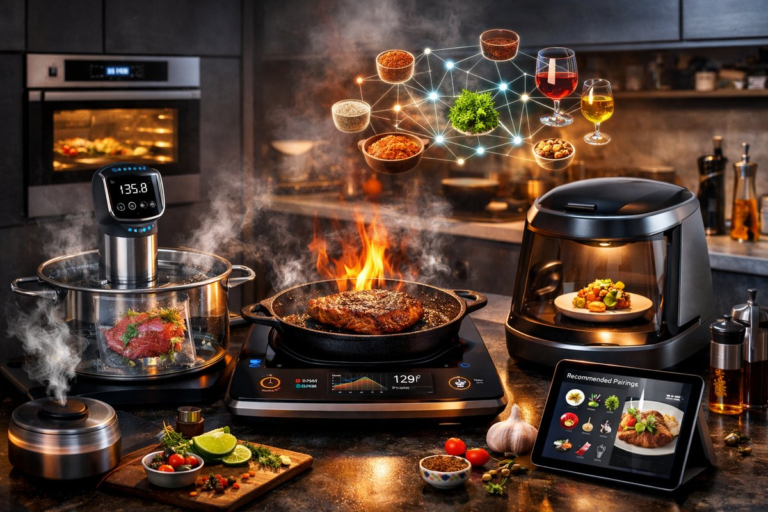
For precise temperature control, immersion circulators-once specialty equipment for sous-vide aficionados-have evolved into cloud-connected precision cookers. These Wi-Fi units maintain water baths to within a tenth of a degree, with algorithms that adjust heat output dynamically based on load and ambient conditions. You can start a protein cook from your office or tweak the set point mid-cycle to achieve that perfect medium-rare. Some models even integrate voice commands, letting you ask a smart speaker for remaining cook time or pause the cycle if dinner plans shift.
Fermentation, an ancient kitchen ritual, is getting its own high-tech boost. Smart fermentation crocks equipped with temperature and pH sensors allow kraut, kimchi and yogurt to mature under watchful digital eyes. The device logs fermentation curves, notifies you when flavors hit your ideal tang, and lets you store multiple profiles for different brine recipes. No more guessing if it’s done or overly sour-just crisp, balanced results every time.
Food waste meets its match in compact compost bins armed with odor-controlling seals and fill-level sensors. When the bin approaches capacity, the connected app sends a reminder to empty it, and some models even identify the dominant waste type to offer tips on better planning or upcycling. Pair that with countertop anaerobic digesters that break down scraps into liquid fertilizer, and you have a mini waste-to-resource cycle right under your sink.
Energy efficiency is another frontier. Some ovens and burners now capture and redirect heat loss to preheat water or power warming drawers. Intelligent exhaust hoods use airflow sensors to adjust fan speed only when steam or smoke are detected, cutting unnecessary power draw and noise. By networking these appliances, a smart grid inside your kitchen can balance loads, shift intense cooking tasks to off-peak hours, and even tap home solar generation when available.
Amid all this technology, many cooks still crave the tactile joy of kneading dough by hand or stirring a risotto with a wooden spoon. The key lies in blending old-school techniques with new-school precision. Try using a smart scale to measure flour for a sourdough loaf, then shape and proof by hand. Use AI to refine seasoning levels, but rely on your taste buds for final tweaks. Technology doesn’t replace intuition-it amplifies it, giving every home cook access to pro-level control and creativity.
Cost and complexity remain hurdles. High-end food printers and fully automated cooking suites are priced akin to a premium espresso machine or a desktop computer. However, entry-level versions and modular upgrades are dropping in price, opening doors for curious explorers. Many smart kitchen apps follow a freemium model, so you can test recipe algorithms before investing in connected cookware. As manufacturing scales and standards emerge, interoperability between brands will further reduce friction and cost.
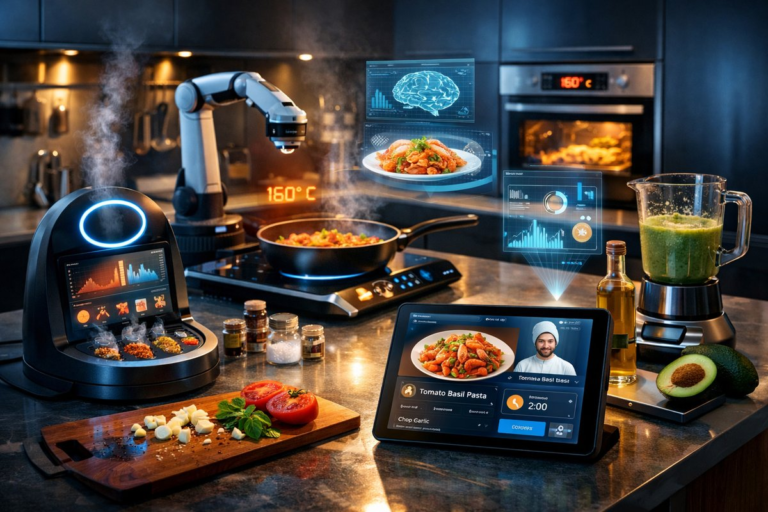
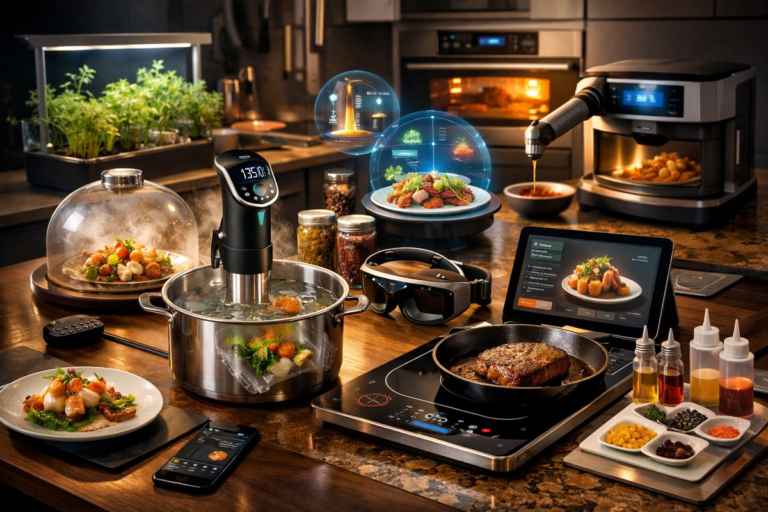
Looking ahead, robotic arms may handle delicate plating tasks or flip pancakes automatically, while AR glasses project holographic guides onto cutting boards and pans. Voice-first interfaces will guide you through multi-step recipes in hands-free mode. Imagine pre-scanning your weekly menu and having every ingredient preheated, prepped, and ready the moment you step into the kitchen. While full automation beckons, the real promise is empowerment-letting home cooks of all levels explore flavors, minimize waste, and reclaim time.
Whether you’re a gadget-obsessed hobbyist or a sustainability-minded family cook, the kitchen of tomorrow is about choice. Embrace the smart cutting board when you need data, turn to the precision cooker for hands-off comfort cooking, or print playful garnishes when you want a dash of whimsy. At its best, kitchen tech transforms everyday meals into mindful experiments and communal adventures. So sharpen your knives, charge your sensors, and prepare for a culinary exploration where every ingredient has a story and every device becomes a companion on your flavor quest.