Location
Mount Vernon, WA 98274

Location
Mount Vernon, WA 98274
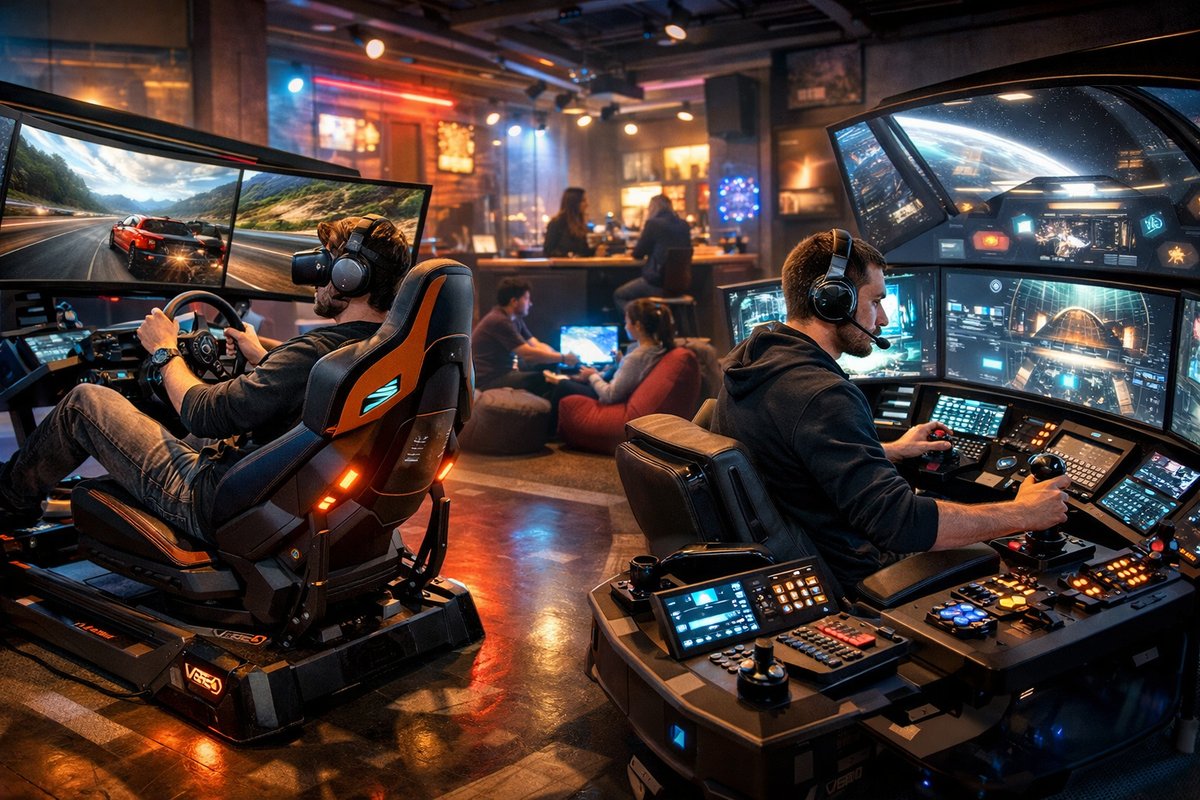
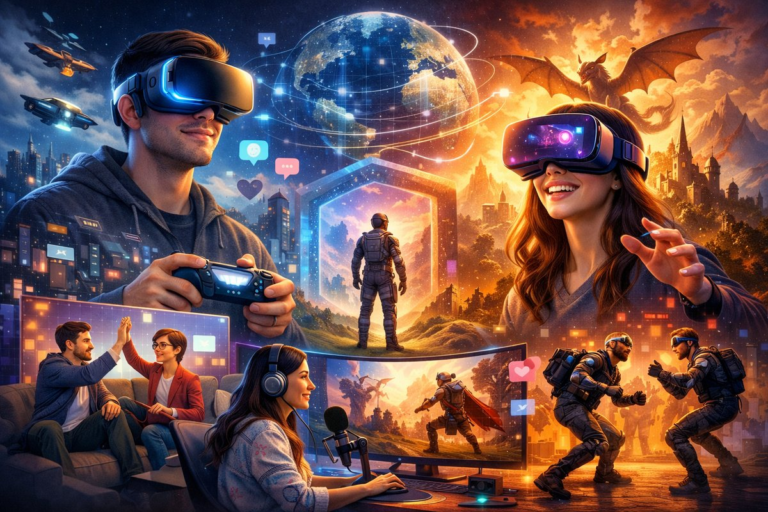
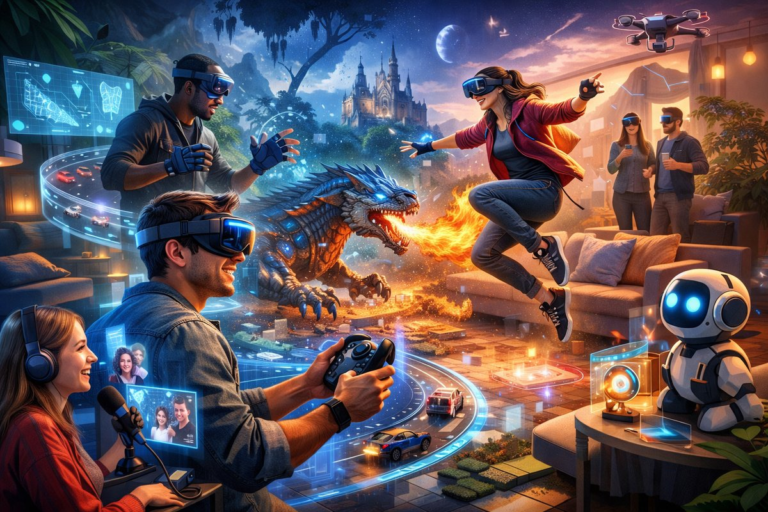
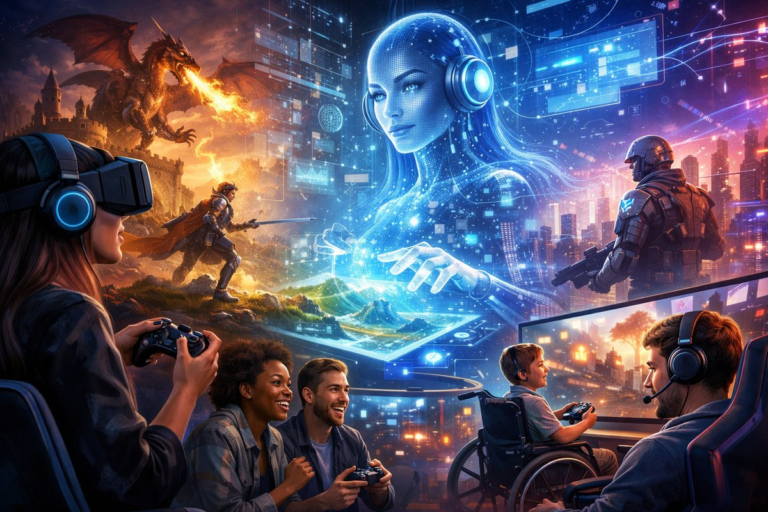
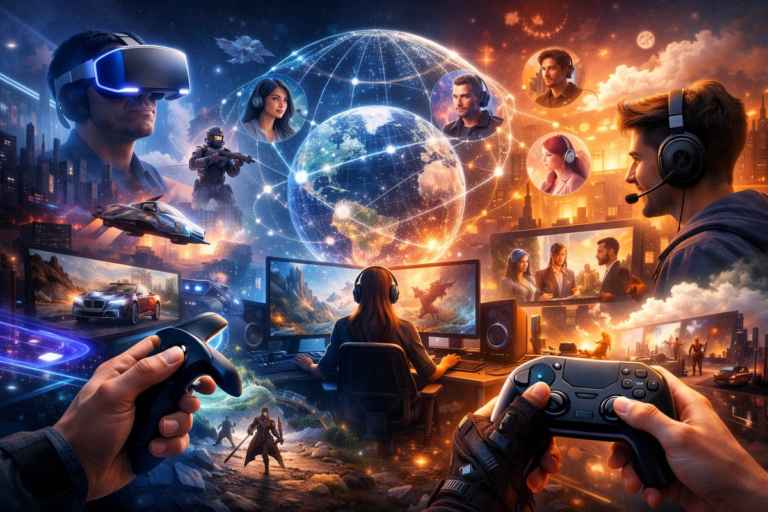
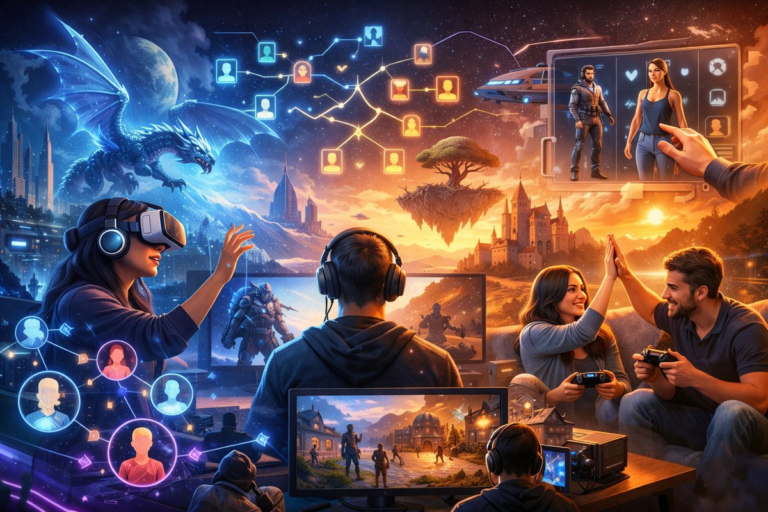
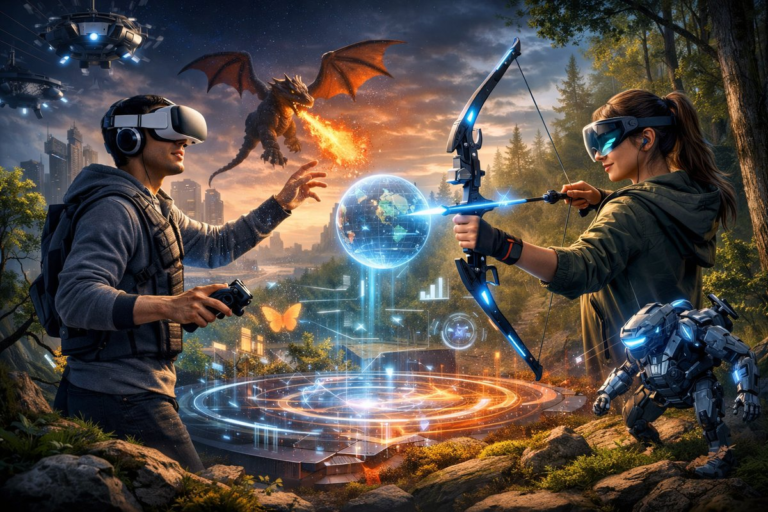
A wave of tactile gaming chairs, local creative hubs, and modular control stations is redefining how players interact with digital worlds. From city pop-up gaming lounges to home-built multi-sensor rigs, the latest news shows entertainment evolving into something you can feel as well as see.
A low-lighting lounge in downtown Austin recently hosted its first “touch-and-play” arcade, where guests slipped into gaming chairs equipped with haptic feedback panels. When an explosion rattled the virtual battlefield projected across a 150-inch wall, participants actually felt the pulse beneath their seat cushions. The organizers call it “full-body immersion,” and it’s the kind of spectacle that feels ripped from a sci-fi novel – except it’s very real, and it’s arriving in living rooms around the world.
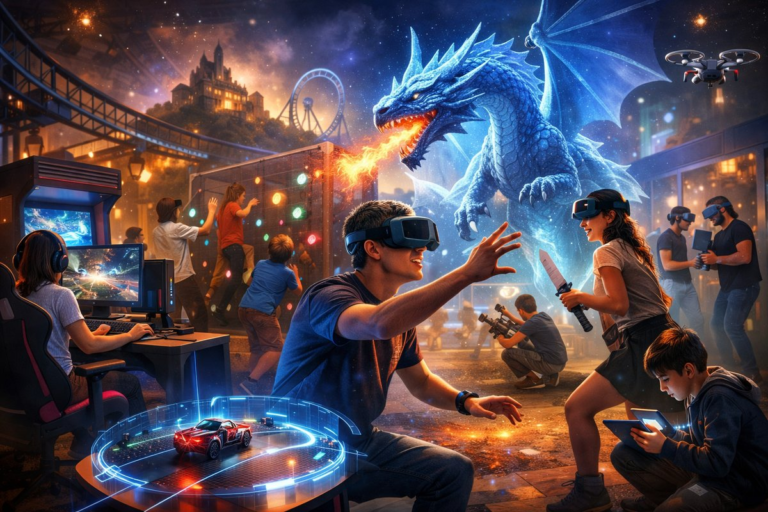
This spring, industry reports show global gaming communities topping three billion active players, but growth is no longer just about headsets and home consoles. Instead, the next frontier lies in blending physical touchpoints with social spaces. A handful of forward-thinking venues have begun popping up in major cities – creative co-working centers retrofitted for late-night gaming, neighborhood studio cafés hosting indie-developer jam nights, and even mobile pop-ups that roll into public parks on weekends. When software and hardware designers team up to create these flexible setups, they uncover new ways to connect players face to face without sacrificing the convenience of digital access.
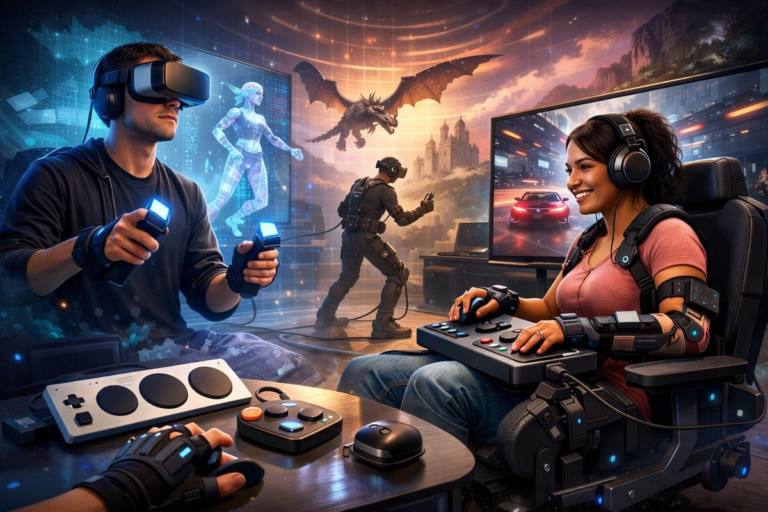
At the recent Interactive Tech Summit, one keynote speaker projected data showing that 65 percent of players say they’re more likely to buy event tickets when they can test hardware in person. Trials of modular controllers that snap together like building blocks stole the show. These devices let attendees mix joystick modules with gesture-control rings, reprogram button clusters on the fly, and share configurations over QR codes. The hope: democratize peripheral design so that any small group can prototype an entire gaming ecosystem in an afternoon workshop.
Sensors Are the New Controllers
Even as power tanks continue to push graphical realism, some of the most exciting breakthroughs come from simpler, more tactile angles. Pressure-sensitive pedals for racing sims, vibration-mapped vests for first-person shooters, and capacitive gloves that register your grip strength are all on the rise. One hardware startup reported a 300 percent sales jump for haptic vinyl seat covers last quarter, citing demand from dedicated racing and flight-sim leagues. These add-on modules can retrofit existing gaming chairs, promising an affordable entry point.
Local scene organizers argue that bringing these sensors out of the living room and into shared spaces sparks curiosity among casual passersby. People who never considered themselves “hardcore gamers” are now signing up for beginner workshops simply to test the gear. That shift hints at a broader cultural change: play is no longer siloed behind a console screen. It’s becoming a communal act with a design language as tactile as pottery or printmaking.
Cloud Gaming Meets Community Arenas
This year also saw a steady rise in regional cloud-gaming arenas. Powered by edge-computing nodes and high-density Wi-Fi routers, these spaces offer low-latency links to remote servers, letting gamers stray from their kitchen tables without suffering lag. Local operators load up hardware racks with modular docking stations – users can plug in their preferred controllers or try out crew-designed prototypes. The service charges by the hour, but the real draw is the social dynamic. Rather than queueing single-player titles alone at home, gamers can cheer each other on, swap strategy tips, and jump into team matches without worrying about long download times.
Meanwhile, crossover events are gaining traction. Painting studios are hosting live-painting streams of classic character art, food trucks park outside arenas offering themed snacks, and even local musicians join open mic nights between match rotations. When all the pieces click – venue layout, network reliability, refreshingly tactile hardware – the resulting energy more closely resembles a music festival than a gaming club.
Upgrades for the Home Theater
While public-facing hubs proliferate, players at home are retrofitting existing spaces to mimic the same immersive feel. A recent consumer survey found that 42 percent of gamers plan to upgrade furniture this year rather than buy a new console. That’s driven sales of modular shelving systems designed to hold monitor walls, subwoofer enclosures, and VR headset docks. Tiered LED lighting panels that sync with in-game action are backordered through next quarter. And sofa makers have introduced slip-on accessory pockets to stash controllers, cables, and phones without cluttering the coffee table.
One savvy DIY community crafted a floating desk rig that suspends three monitors from a single overhead beam – no legs or brackets needed. The result looks like a high-school woodshop project meets gallery installation. Enthusiasts are sharing step-by-step build videos, complete with parts lists and wiring diagrams, so more players can assemble multi-axis rigs on a budget.
Sustainability on the Menu
Eco-minded gamers, long frustrated by disposable peripherals, are now demanding more durable, repairable hardware. A coalition of organizers launched a “green gaming license” this spring, requiring manufacturers at affiliated pop-ups to publish repair guides, offer spare-parts kits, and commit to take-back recycling. Attendees can stamp their passports at each event if they test drive carbon-offset controllers or modular headsets built from recycled plastic.
That initiative dovetails with a broader trend upending the throwaway culture of consumer electronics. In one European case study, nine out of ten reproduced parts for a racing wheel were backward-compatible with versions released five years ago. Players can extend their setups indefinitely, swapping out worn-out buttons or upgrading sensor boards without trashing the entire unit.
The Content Creator Boost
E-sports athletes and social-streaming hosts are the most visible beneficiaries of any hardware advance, but the ripple effect is far wider. Independent creators now shoot 4K footage of custom haptic setups using personal capture stations that cost under a few hundred dollars. Communal arenas often feature livestream booths prewired for multiview camera angles, so amateurcasters can collaborate without investing in a full production van. Open-source mixing software has matured to the point where participants can remix ambient audio, crowd cheer samples, and live commentary in real time.
With gear and infrastructure more accessible than ever, niche genres are getting fresh airtime. Last month, a single-developer pixel-art fighting game held a “demo day” at an art collective, complete with a live soundtrack from local DJs and projection-mapped visuals. The event sold out in fifteen minutes, proving there’s an appetite for community-driven showcases far beyond the mainstage title launches at blockbuster conventions.
The Road Ahead
For decades, home entertainment meant buying a console or PC, plugging into a television, and staying put. Today, we’re witnessing a merger of all the things that make play exciting: collaborative design, social gathering, tactile feedback, and digital streaming. At the core is a realization that play thrives in shared environments – whether that’s a purpose-built lounge downtown or a custom-built rig in your basement.
As haptic sensor kits become more affordable and local hubs expand into unexpected neighborhoods, the line between public events and private setups will blur further. The biggest bet for hardware designers now is to make devices flexible, repairable, and personalizable. If players can swap sensor modules at a workshop or reprogram buttons in twenty minutes, they’ll feel a deeper sense of ownership – and a willingness to invest in the culture around those tools.
From community-run arenas to solar-powered pop-up labs, the future of gaming and entertainment is no longer confined to pixels on a screen. It’s a multi-sensory, multi-participant ecosystem that values emotional engagement as much as graphical fidelity. And if the last few months are any indication, the best is yet to come.