Location
Mount Vernon, WA 98274

Location
Mount Vernon, WA 98274
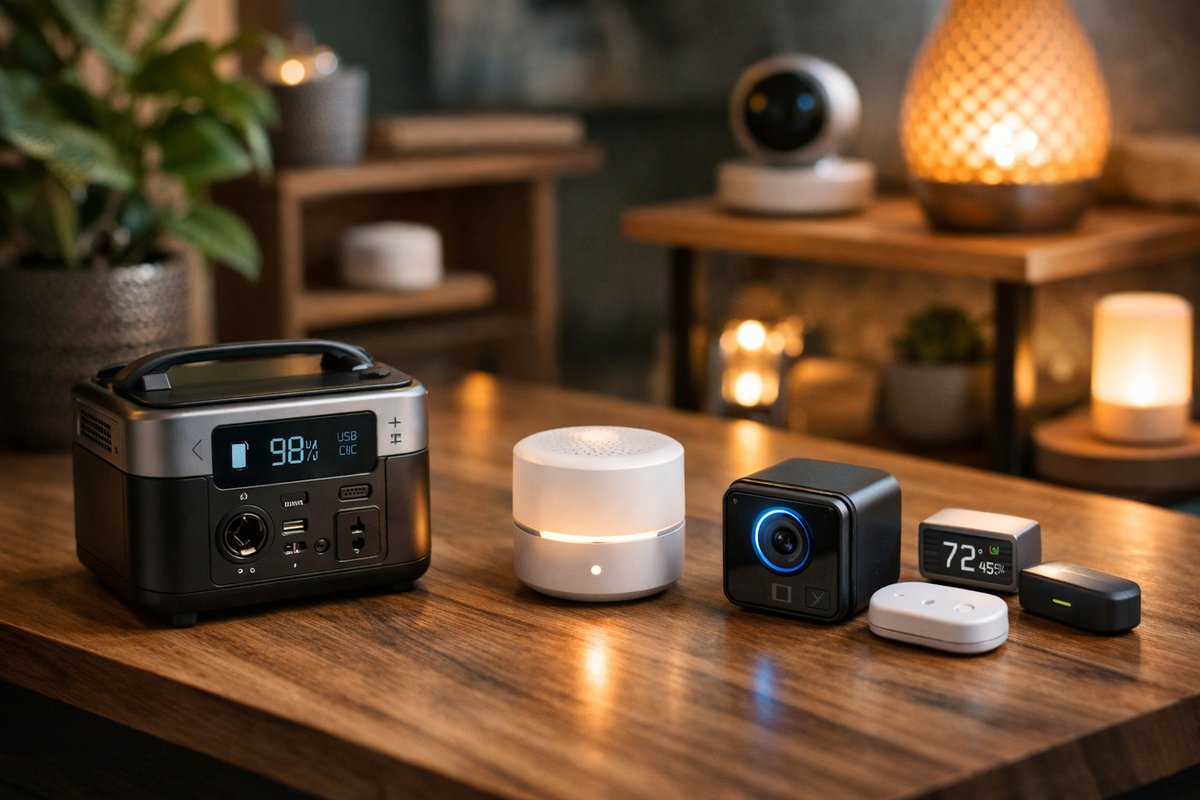
From pocket-sized power stations to ambient sensors woven into home décor, the latest wave of ultra-compact gadgets is redefining convenience and connectivity. Innovations in miniaturized batteries, AI-driven edge devices, and modular sensor kits are poised to reshape how we work, play, and interact with our surroundings.
A new breed of devices is emerging at the intersection of miniaturization and intelligence, delivering capabilities once reserved for room-sized installations into the palm of your hand. Advances in battery chemistry have shrunk power cells without sacrificing capacity, while specialized edge computing modules now offer on-device AI inference for real-time responsiveness. These breakthroughs are enabling a wave of products-from portable projectors that slip into a pocket to ambient sensor arrays that slip under a lampshade-bringing professional-grade performance to everyday users.
Today’s miniaturized power banks, for example, don’t just charge smartphones. Many incorporate high-density lithium polymer cells paired with rapid GaN-based charging circuits, enabling full refills for phones, tablets, and even compact laptops. Some models weigh less than 200 grams, yet can deliver over 20,000 mAh. This means travelers and remote workers can tuck a light, credit-card-sized brick into a shirt pocket and maintain productivity far from an outlet.
At the same time, edge AI modules have gained traction among hobbyists and small businesses. Tiny neural-network accelerators now fit within credit-card proportions and draw mere watts, giving makers the ability to run computer vision, speech recognition, or anomaly detection without relying on cloud servers. These modules reduce latency and privacy risks, as sensitive data never leaves the device. Use cases range from hands-free gesture controls for home automation to real-time quality checks on factory lines.
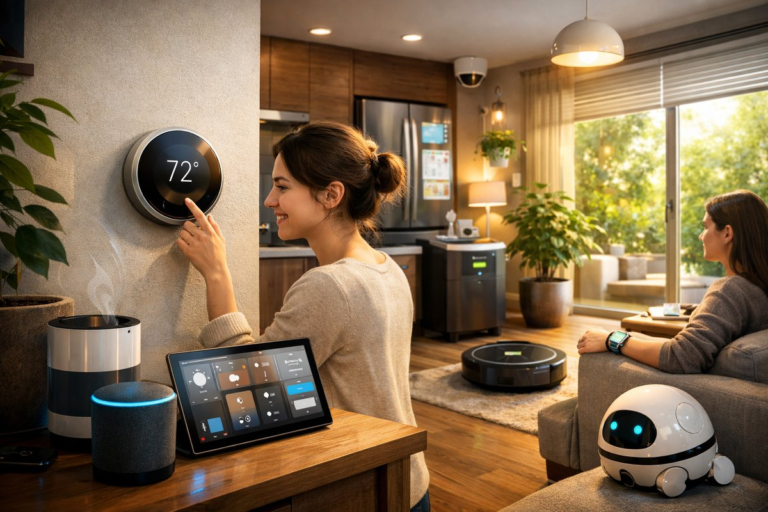
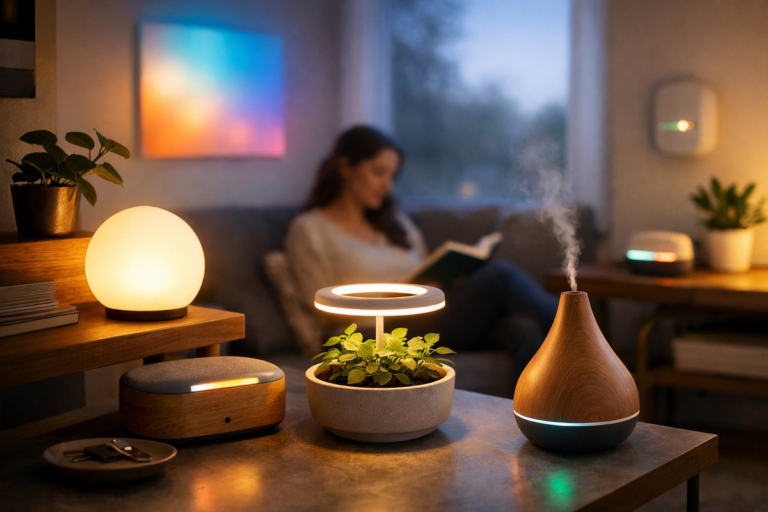
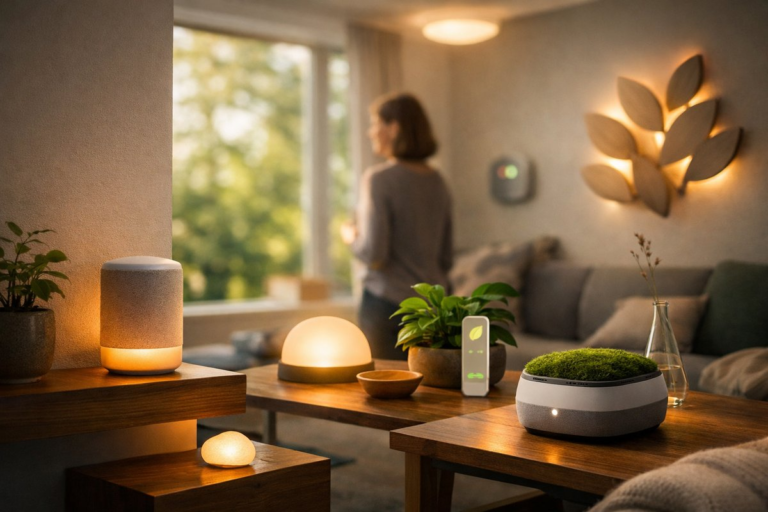
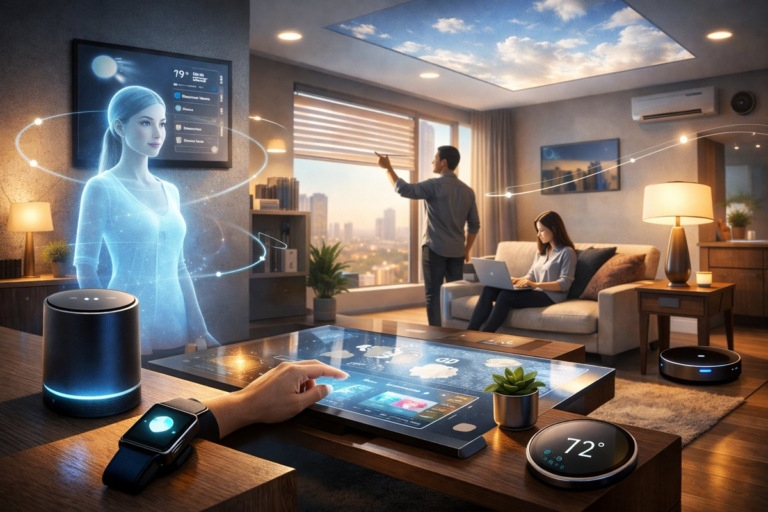
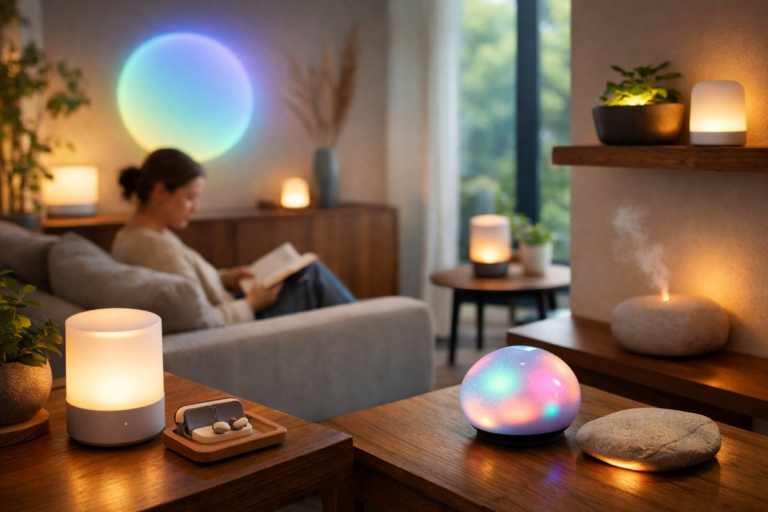
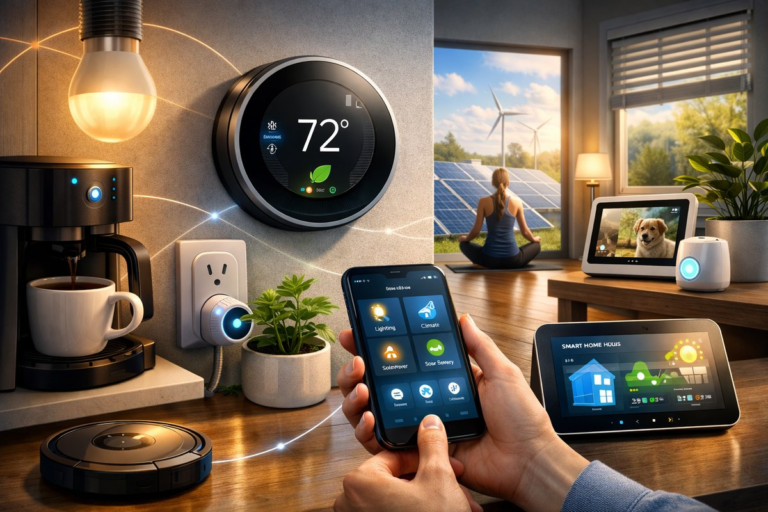
Ambient computing is also stepping out of the laboratory and into living rooms. Designers are embedding modular sensor nodes into lamps, picture frames, and even pillows, creating networks that continuously monitor environmental factors-temperature, humidity, air quality, noise-without calling attention to themselves. Homeowners can deploy a handful of these nodes to gain a rich, room-by-room understanding of their indoor climate, adjusting air purifiers or smart thermostats automatically for comfort and energy savings.
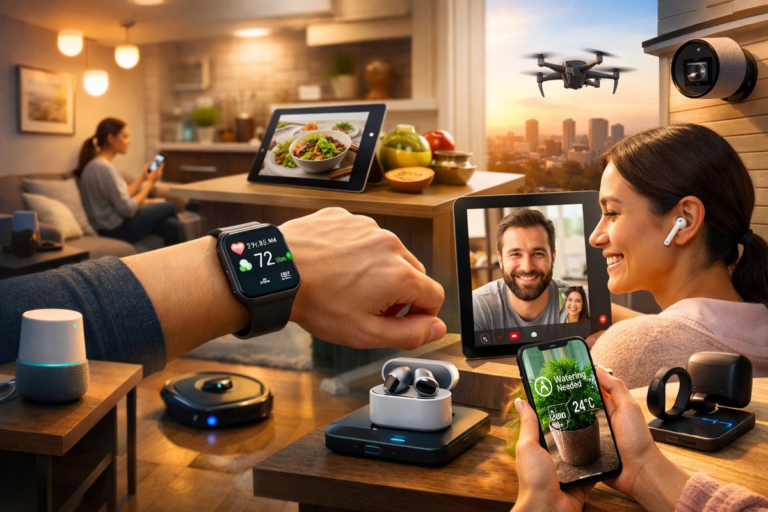
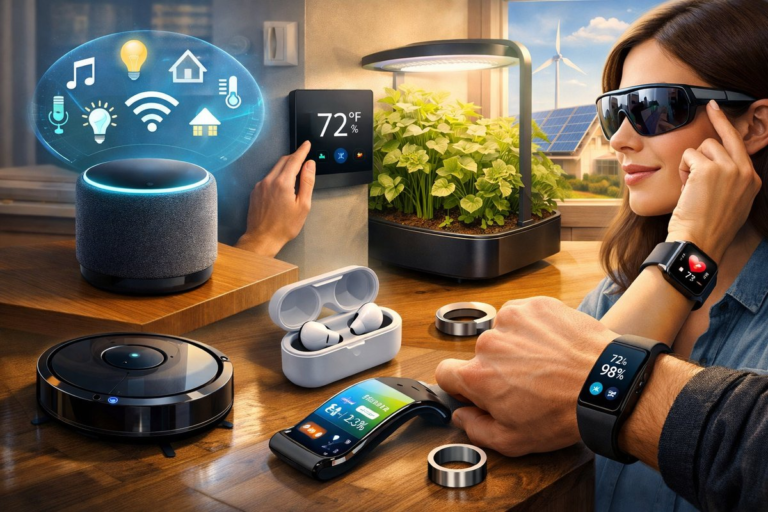
Wearable microelectronics are advancing too. Ultra-thin biosensors now adhere to skin like flexible patches, tracking key metrics-heart rate, hydration levels, muscle activity-with medical-grade accuracy. Paired with smartphone apps, they alert users to early signs of dehydration or electrolyte imbalance during workouts. Elsewhere, smart rings are delivering discrete notifications and activity tracking in elegantly minimal form factors that slip onto any finger.
Meanwhile, display technology is undergoing a pocket revolution. Compact laser or LED projectors, some no larger than a matchbox, can cast images on walls or ceilings up to 120 inches diagonally. Many run on built-in rechargeable cells for up to two hours and include integrated speakers. Whether you’re sharing a photo slideshow during a backyard gathering or streaming a movie during a camping trip, these tiny projectors are making big-screen experiences portable and social.
Modularity has become a watchword for innovation. Hardware platforms now offer interchangeable sensor, actuator, and communication modules that click together like building blocks. Entrepreneurs and tinkerers can mix temperature sensors, motion detectors, light sensors, and wireless radios to prototype home-security systems, smart-planter monitors, or interactive art installations. The plug-and-play nature slashes development time and technical barriers, ushering more people into the maker movement.
One frontier still taking shape is micro fuel cells and energy harvesting. Researchers are experimenting with pocketable units that generate electricity from ambient heat, motion, or even microbial fuel sources. Although commercial products remain limited, the promise of self-powered sensors and wearables-devices that recharge themselves through daily activity or temperature differences-could one day render cables and wall chargers obsolete for many applications.
Storage technology has also seen a miniaturization sprint. NVMe-based solid-state drives are now available in M.2 keychain form factors, offering hundreds of gigabytes of high-speed, shock-resistant storage in a package small enough to hang with your house keys. Content creators can capture raw photos or video clips in the field without lugging larger memory cards or external drives.
Connectivity has not been left behind. Ultra-wideband and low-power mesh radios allow devices to exchange data over room-scale distances with minimal energy. These protocols enable secure, low-latency interactions among wearables, smartphones, and home gateways, powering new experiences like precision indoor navigation or real-time presence detection that adjusts lighting and soundscapes based on who’s nearby.
The convergence of these trends is giving rise to hybrid tools that straddle categories. Imagine a portable haptic-feedback device that doubles as a smart speaker, or a notebook-sized e-ink tablet that can wirelessly sync notes, act as a secondary display, and recharge smartphones via reverse wireless charging. By packing multiple functions into single modules, designers reduce clutter and enhance portability.
This ongoing evolution isn’t purely about making gadgets smaller. It speaks to a broader shift toward ambient empowerment-technology that blends into daily life, offering assistance and insights only when needed. Users benefit from reduced cognitive load: less fiddling with settings, fewer wires, and devices that adapt to contexts rather than demanding constant attention. At the same time, privacy-preserving edge computing and modular designs enable ownership models that emphasize repairability and customization over disposable convenience.
Yet challenges remain. Miniaturized components can generate heat in confined enclosures, requiring innovative thermal management. Supply-chain constraints for exotic semiconductors may limit production volumes and raise costs. And while the user experience promises seamless integration, manufacturers must navigate interoperability standards to ensure devices from different ecosystems can communicate effortlessly.
Still, early adopters are already reaping tangible rewards. Nomadic creatives pitch proposals using a pocket projector and a keychain SSD. DIY hobbyists automate greenhouses with tiled sensor mosaics. Fitness enthusiasts rely on skin-like patches for real-time muscle recovery guidance. And homeowners use ambient sensor networks to cut energy bills while maintaining healthier indoor air.
As these ultra-compact innovations scale, they will shape a new paradigm in which the boundary between physical objects and digital services blurs. Gadgets will no longer be isolated appliances but nodes in an intelligent tapestry of tools and spaces, responsive to human needs with minimal friction. Whether you’re a traveler packing light, a maker pushing creative boundaries, or a homeowner seeking effortless comfort, the pocket revolution in tech offers a future where big impact comes from small packages.