Location
Mount Vernon, WA 98274

Location
Mount Vernon, WA 98274
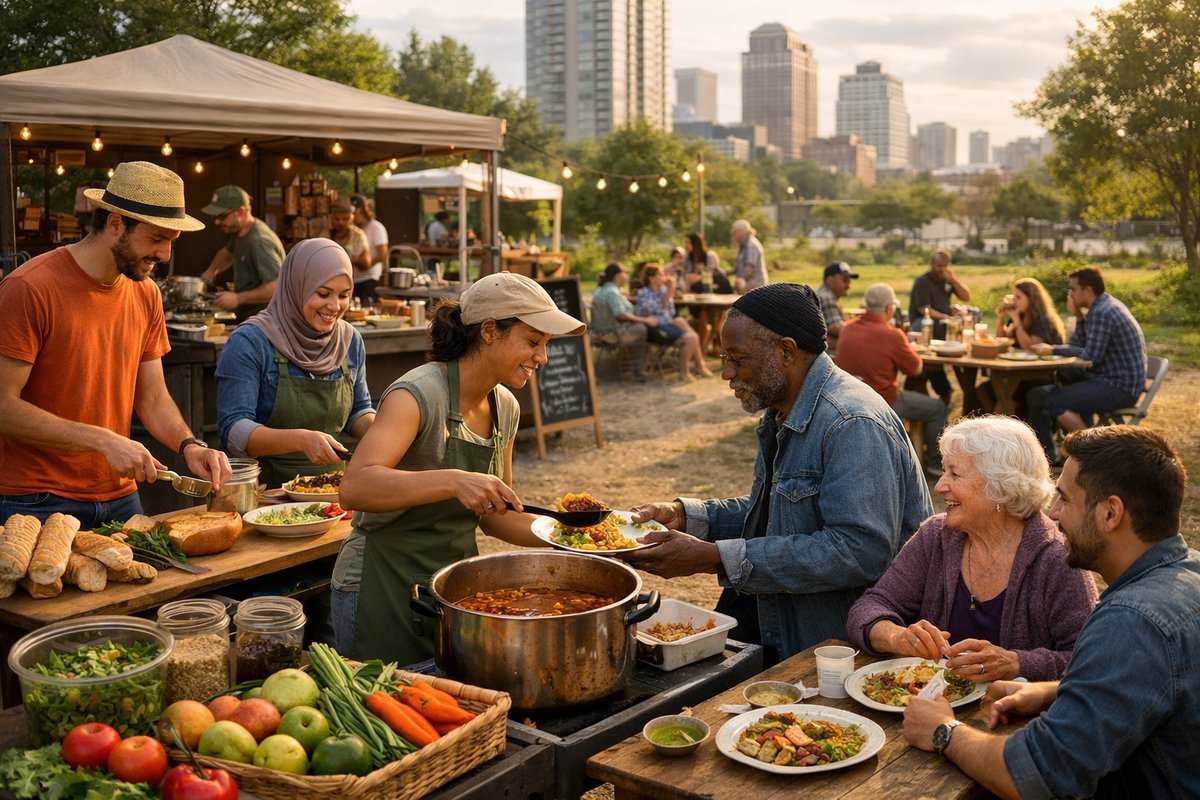
On sidewalks, in parks and vacant lots, pop-up community kitchens are transforming urban isolation into shared hope. Driven by volunteers, sustainability advocates and those who've known hunger firsthand, these mobile food hubs are nourishing both bodies and the social fabric of cities.
In the heart of many cities, where steel and concrete often feel more familiar than human voices, a quiet revolution is underway. Pop-up community kitchens have sprung up on empty lots, in schoolyards and beneath overpasses. With makeshift tents, folding tables and portable stoves, volunteers are cooking hearty soups, stews and salads that nourish more than just stomachs. These kitchens are turning urban anonymity into a shared table where strangers exchange smiles, stories and solidarity.
The concept is deceptively simple: take surplus food from local grocery stores, farms and home gardens; recruit volunteers willing to chop, stir and serve; and set up in public spaces where people can help themselves or be served a hot meal free of charge. Yet behind this simplicity lies a network of collaboration between food rescue groups, neighborhood associations and sustainability-minded chefs. It’s an improvisational dance of logistics, where insulated containers, mobile hand-washing stations and durable folding tables become the props in a performance of collective care.
For some volunteer cooks, the kitchen is a place of redemption. Take Maria, a former restaurant line cook who lost her job when the pandemic shuttered dining tables. She found purpose in a warehouse-turned-storage hub for rescued produce. Now she orchestrates menu planning for a weekly kitchen in Eastside Park. “I needed a way to feel useful again,” she says. “Chopping carrots alongside my neighbors, hearing their laughter-that reminds me why cooking was my first love.” Her story echoes through pots of lentil soup simmering on propane burners, each ladleful carrying a memory of loss and recovery.
On the other side of the serving line, patrons find more than just a free meal. Jamal, who faced unemployment when his small moving business slowed, discovered the kitchen one cold evening. “I thought it was just canned beans,” he admits. “But they had fresh bread, salad, even hot cocoa.” He struck up a conversation with a volunteer who taught him about job-training programs. That night, he left with leftovers and a new sense of direction. “The food filled my belly,” he recalls, “but the hope they offered filled something bigger.”
Sustainability sits at the core of these pop-up efforts. Volunteers often use smartphone apps to coordinate food pickups: one platform matches surplus bakery goods with neighborhood hubs, another brings excess produce from urban farms to folding tables under city lights. Every carrot or loaf diverted from the landfill saves resources and shrinks greenhouse gas emissions associated with food waste. Lightweight solar panels sometimes power LED strings that illuminate evening service, underscoring a commitment to low-impact operations.
Examples of this grassroots movement can be found worldwide. In London, a community fridge stands outside a youth center, inviting passersby to drop off extra meals. In New York City, a nonprofit repurposes school buses into mobile soup kitchens that roll through park districts lacking affordable groceries. In Mexico City, open-air kitchens called La Mesa Comunitaria draw families to share recipes and tableware in neighborhood plazas. Though each initiative adapts to its local context, they all share a belief: access to nourishing meals is a human right, not a privilege.
Yet the path from concept to hot bowl isn’t without hurdles. Securing permits can feel like navigating a maze of red tape, with health departments worried about safety and liability. Fundraising demands persistent appeals to donors who may be juggling their own financial uncertainties. Weather can play amateur chef: sudden downpours or heatwaves force crews to shift schedules or pack up early. Volunteers sometimes burn out, balancing these pop-ups alongside full-time jobs and family obligations.
Despite these challenges, the cumulative impact of pop-up kitchens is palpable. They stitch invisible threads of trust among community members who might otherwise pass each other by with glazed expressions. Strangers learn each other’s names over shared bread, and conversations about rent, school fees or mental health find a more receptive audience against the backdrop of simmering soup. In neighborhoods long labeled as food deserts-areas with limited access to fresh groceries-these kitchens become edible oases, offering kale, beans and whole-grain rice where once only processed snacks prevailed.
If you’re inspired to join this movement, there are many ways to step in. Donate insulated food carriers or collapsible tables to local initiatives, volunteer time to chop, serve or share photography skills for fundraisers. Consider connecting with food rescue apps to redirect excess ingredients from your own kitchen or business. Organize a gleaning group to harvest leftover produce from community gardens. Even showing up as a friendly face can break the ice and encourage others to lend a hand.
Pop-up community kitchens are more than a response to hunger. They embody a deeper yearning for connection in an era of digital isolation. Each ladle of stew, each borrowed plate, each shared joke knits a patchwork of compassion across urban landscapes. In serving one another, we rediscover an ancient truth: our well-being is intertwined. As city nights cool and kitchens fold for another week, these volunteers and guests leave with warmed hearts, reminding us that in breaking bread together, we forge resilience that no storm can wash away.