Location
Mount Vernon, WA 98274

Location
Mount Vernon, WA 98274
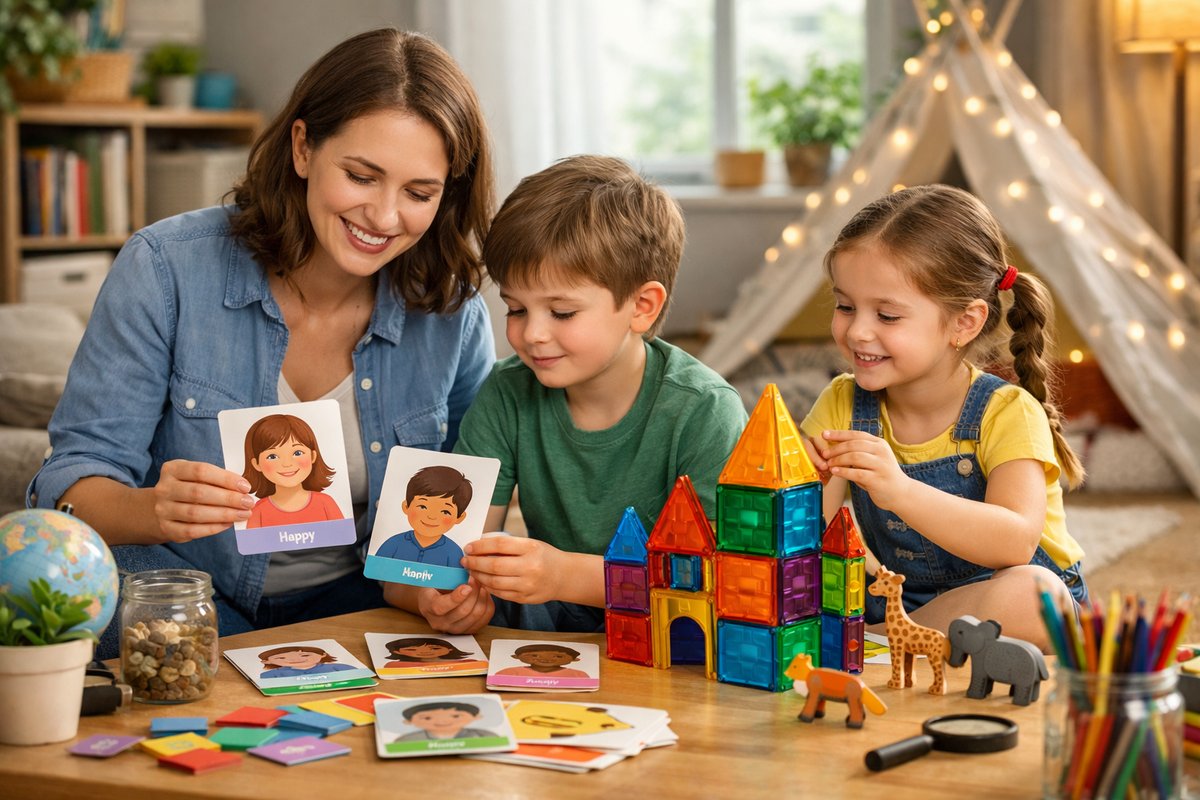
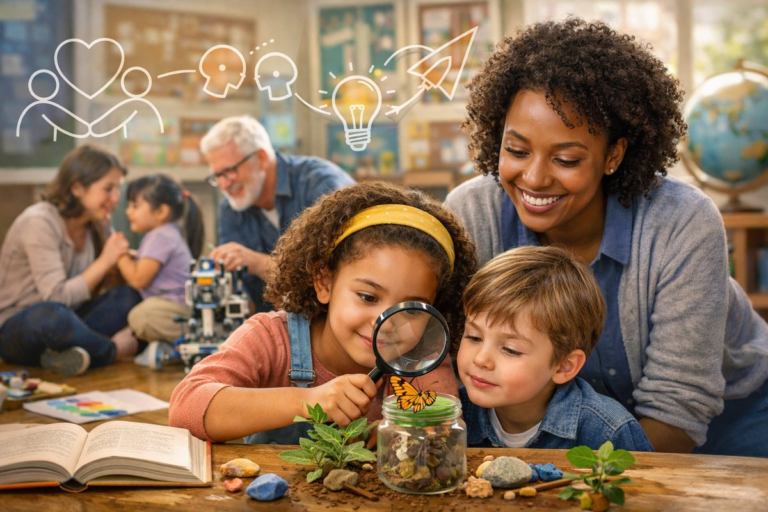
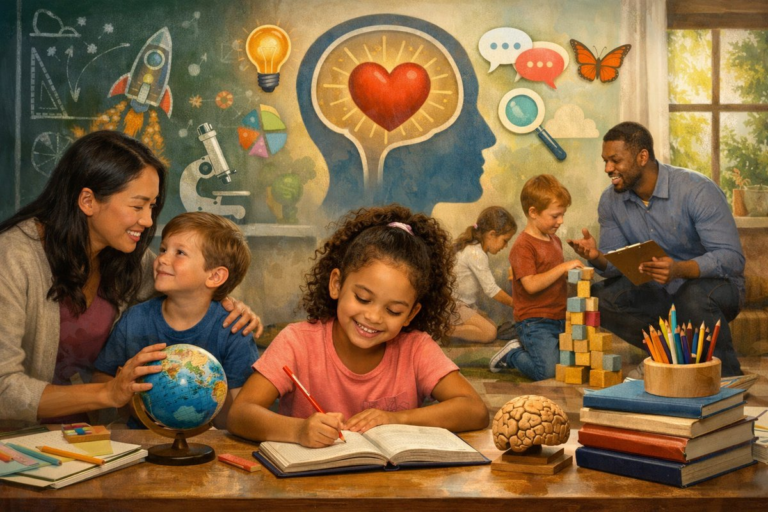
Parents and educators are embracing a new wave of learning tools that fuse emotional growth with hands-on exploration. From empathy flashcards to magnetic building tiles, families across the country are creating home environments where curiosity and compassion go hand in hand.
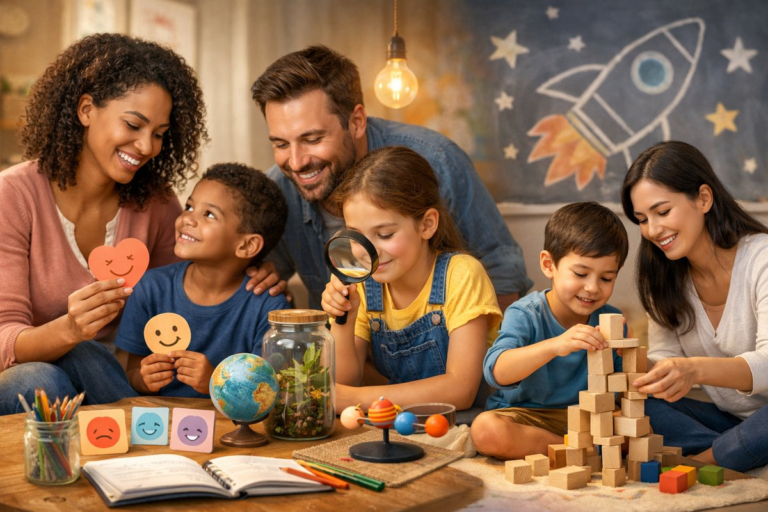
In living rooms and kitchens from coast to coast, a quiet revolution in parenting and education is taking shape. No longer satisfied with a narrow focus on test scores and rote memorization, many families are seeking learning experiences that nurture both the heart and the mind. Weeknight science experiments now begin with a moment of reflection. Lego-style building sessions pause for conversations about frustration and perseverance. Storytelling circles include checkpoints for empathy and perspective-taking. This integrative approach has parents, teachers, and child development experts celebrating a more holistic kind of at-home education.
The trend is fueled by mounting research linking emotional intelligence with long-term academic success and mental well-being. A recent study from a leading university psychology department found that children who regularly practice naming and managing feelings scored higher on problem-solving tasks and demonstrated greater persistence when faced with challenges. As families become aware of these findings, they are seeking tools that help kids recognize frustration, rebuild confidence after setbacks, and approach complex subjects with curiosity rather than fear.
Take the Ramirez family in suburban Ohio. When eight-year-old Maya struggled with multiplication tables, her parents introduced a set of emotion flashcards before each math session. Maya picked a card representing “determination” or “calm” and shared a time she felt that emotion. By naming her frustration with long division instead of hiding it, she gradually built confidence. Within weeks, her homework battles had transformed into brief brainstorming sessions sprinkled with high-fives and self-encouragement. The flashcards served as a bridge between anxiety and achievement, showing the Ramirezes that a child’s emotional state directly impacts how effectively they learn.
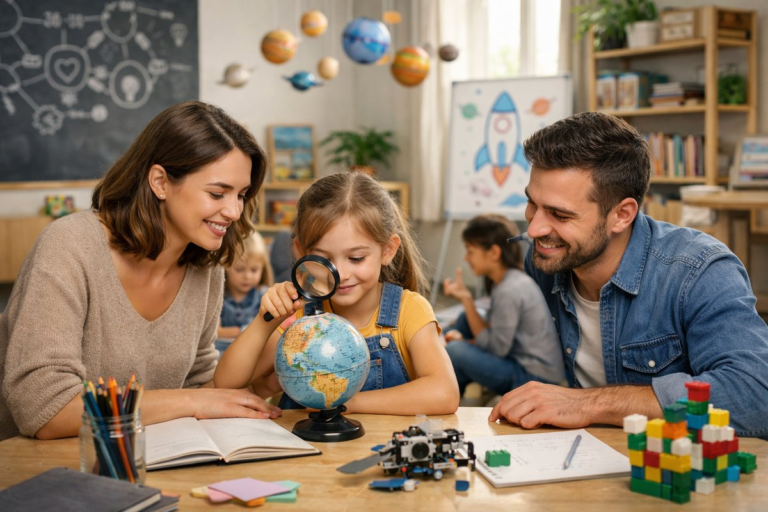
The blending of emotional tools and STEM exploration isn’t limited to quiet conversations. Many parents are equipping home classrooms with kits that encourage both technical skills and self-awareness. Coding robot sets now come with reflection journals prompting kids to describe their moods after debugging a program. Magnet-driven engineering kits include stickers reminding builders to pause and appreciate teamwork, even if a tower collapses. These products embody the belief that emotional learning tools should be as hands-on as the gears and circuits in a science lab.
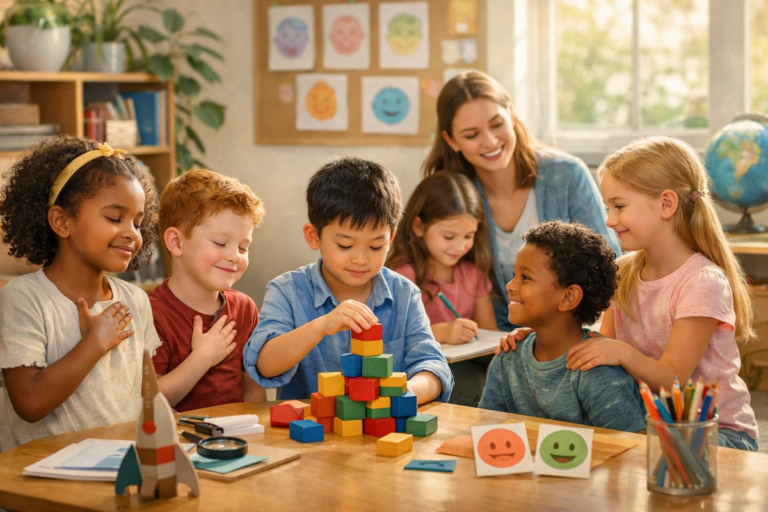
For parents juggling busy schedules, integrating these approaches can feel daunting. But a growing number of workshops, parent-coach webinars, and online community forums are providing roadmaps. Weekend meet-ups in local libraries often feature makerspace sessions where children rotate through stations: one for collaborative building challenges, another for group mindfulness activities, and a third for story prompts designed to spark empathy. These hybrid gatherings not only share best practices but also model the synergy of intellectual play and emotional reflection.
“I used to worry that introducing emotional check-ins would slow down the learning,” says one attendee at a recent family workshop. “Instead, my son is more engaged and less likely to shut down when a project doesn’t work. We talk about resilience, I validate his feelings, and then he’s ready to dive back in. It’s made homework time feel more like teamwork than a solo drill.” Stories like this point to a cultural shift: parents no longer see emotional literacy as an afterthought, but as integral to cognitive growth.
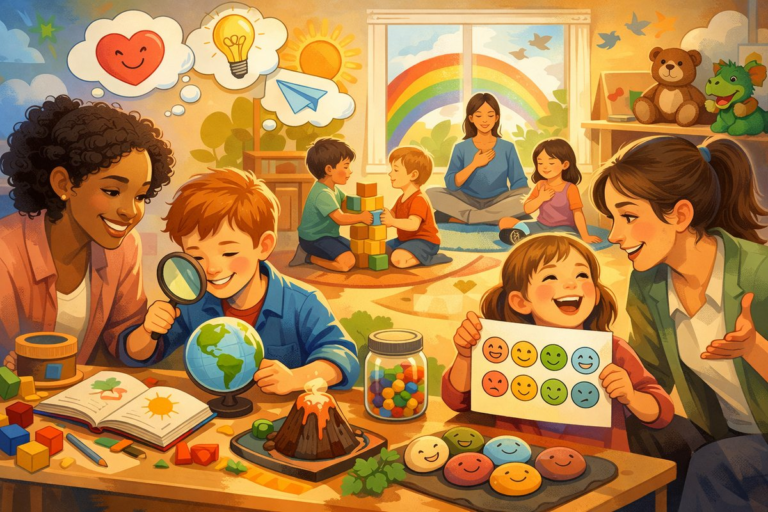
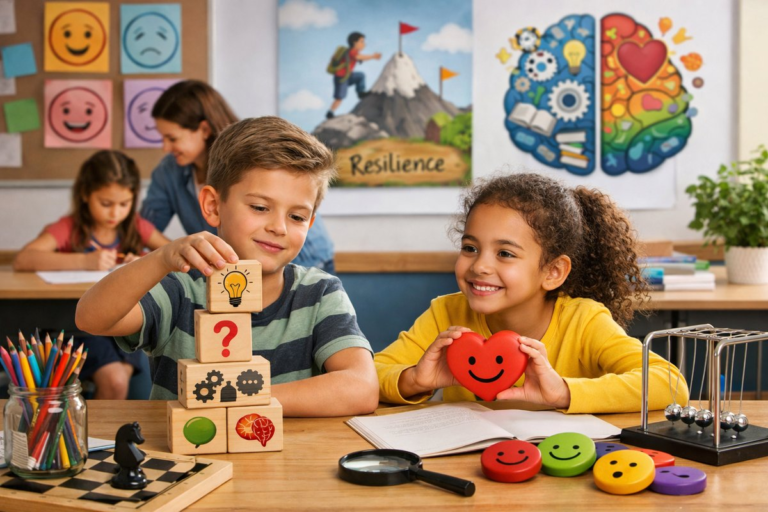
Experts note that the tools themselves can shape behavior. Emotion flashcards help children articulate feelings that might otherwise be expressed through outbursts. Story cubes-dice stamped with simple images-encourage kids to invent narratives that weave in lessons about kindness, responsibility, and respect. Meanwhile, gratitude journals invite families to pause at dinner and share one thing they appreciate about each other. These tangible items become daily reminders that learning extends beyond textbooks into the realm of self-understanding.
On the STEM side, engineering challenge kits have adopted a kinder tone. Designers have introduced “kindness tokens” that teammates can award each other when someone offers help or celebrates a small breakthrough. Circuit sets now include color-coded emotion rings that glow different hues based on a user’s mood selection, turning abstract feelings into visual feedback. When a light shifts from blue to orange, a child might smile, recognizing that anger or frustration is just one part of the experiment, and that curiosity can shift the outcome.
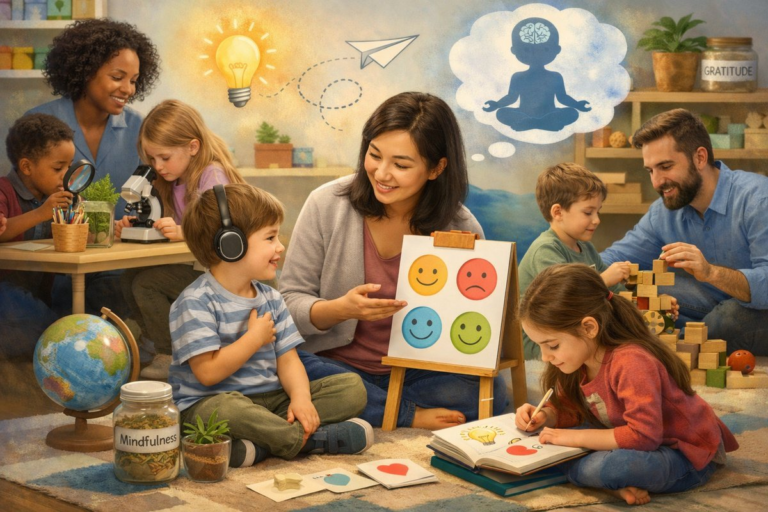
Daily routines reflect these blended values. Morning check-ins often kick off with a breathing exercise or a simple question-What are you looking forward to today?-before reviewing the day’s reading or building project. After-school sessions might alternate between coding challenges and cooperative storytelling, always punctuated by a moment to name any stressors. The pattern of emotional calibration followed by hands-on exploration helps families maintain a sense of balance and mutual support, especially during busy weeks packed with school, sports, and social events.
Technology plays a supportive role, not a dominating one. While educational apps offer guided reflections and mood-tracking charts, parents emphasize screen-free tools like physical flashcards and journals. When digital platforms are used, they tend to integrate interactive prompts that encourage children to step away from the screen and engage in offline activities-drawing a facial expression or acting out a scene. The goal is to use technology in service of emotional growth, rather than letting screens become an emotional crutch.
Communities of practice have sprung up online, where parents share photos of their emotion boards and homemade challenge charts. These grassroots groups exchange tips on how to craft simple empathy exercises with everyday items: sticky notes, kitchen timers, chalkboards. Many advocates stress that emotional-STEM integration doesn’t require expensive gadgets. A cardboard box and some colored markers can become a story cube station. A handful of story prompts on index cards can ignite hours of imaginative play. The real investment is time and attention.
Looking ahead, the movement shows signs of taking root in early childhood centers and after-school programs. Some elementary schools have piloted hybrid curricula where modules on empathy and self-regulation accompany science fairs and math competitions. Teachers report that students demonstrate higher confidence levels and collaborate more effectively on group projects. Observers note that the next frontier may be parent-teacher training programs that align classroom practices with home routines, ensuring that emotional and intellectual development proceed in harmony.
Ultimately, the joy of raising thinkers lies not only in watching a child master divisions or complete a robotics challenge but in witnessing that child understand why perseverance matters. Families embracing this approach aren’t just preparing kids for careers in science or technology-they’re nurturing thoughtful, compassionate individuals capable of tackling complex problems with both intelligence and emotional agility. In living rooms across the nation, the new rhythm of learning is one that honors curiosity, agency, and the delight that comes from growing both brain and heart together.