Location
Mount Vernon, WA 98274

Location
Mount Vernon, WA 98274
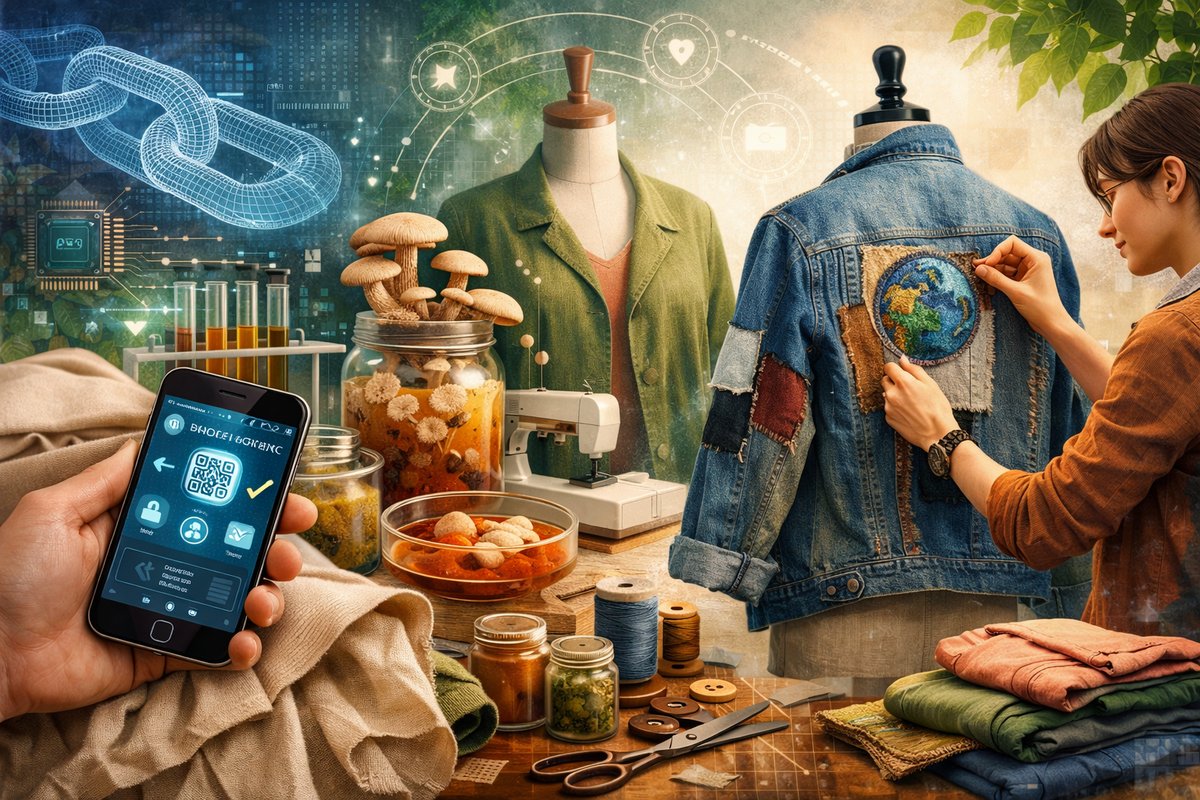
A convergence of digital tools, biotech textiles and grassroots creativity is rewriting the rules of fashion. From blockchain-based authenticity tags to home dye kits powered by mushrooms, designers and consumers are forging a truly circular wardrobe.
In the past year, the fashion industry has witnessed a rapid evolution driven as much by digital innovation as by sustainability concerns. While runway shows continue to debut avant-garde silhouettes, a quieter revolution is taking place behind screens and in local studios. Powered by blockchain tagging, peer-to-peer rental platforms and lab-grown fibers, today’s consumers are less interested in fast trends and more focused on wardrobes that tell a story, reduce waste and invite hands-on engagement.
A surge in resale and rental transactions has shifted the balance of power back toward consumers. Data gathered by a leading environmental nonprofit indicates that peer-to-peer rental apps processed a 150 percent jump in listings over twelve months. Users can now browse curated capsules, reserve a weekend look and even set custom return windows-no store visit required. This convenience comes with a second benefit: each garment passes through multiple hands before ending up recycled or renewed, dramatically extending its lifecycle.
Beyond sharing closets, enthusiasts are embracing biotech breakthroughs. Startups are scaling up plant-based leathers derived from agricultural waste, offering supple replacements for traditional hides. In one eco-innovation hub, entrepreneurs are spinning cellulose into transparent films that mimic silk’s sheen without the intensive water use. Meanwhile, lab-grown protein fibers promise to redefine luxury knitwear, eliminating pesticide-heavy cotton fields and high-emission animal farming.
Transparency tools built on distributed ledger technology are making supply chains more accountable. Digital tags embedded within fabric labels store a garment’s full provenance-from raw-material harvest to final stitch. Scanning these QR-like identifiers via a smartphone reveals data on water usage, dye chemistry and fair-wage certifications. Early adopters report that this visibility boosts resale value by up to 30 percent, as secondhand buyers gain confidence in quality and ethics.
In parallel, a community-driven design movement is fostering local creativity. Digital pattern libraries hosted on open-source portals allow hobbyists to download, tweak and share sewing templates. Makers in remote regions can access up-to-date fitting options and contribute scanned body-measure datasets-ensuring a better fit for diverse sizes. Pop-up workshops now tour cities with portable laser cutters and eco-printing stations, enabling visitors to customize offcuts into bold accessories in under an hour.
At the intersection of tech and tradition, new dye methods are revitalizing artisanal craft. Microbial dye reactors harness safe strains of bacteria to produce vivid pigments without heavy metals. One lab in the Pacific Northwest can generate dozens of color options by feeding recycled coffee grounds into fermentation chambers. These living vats deliver shades that shift slightly over time, creating garments that evolve with wear and washing-a stark contrast to mass-market colorfastness.
Meanwhile, digital fitting rooms are becoming mainstream. Using augmented reality, shoppers can visualize multiple outfits in their home environment with realistic drape and texture mapping. Early trials suggest that virtual try-on tech cuts return rates by nearly half, sparing retailers the carbon emissions of repeated shipping. Some platforms even integrate style-coaching chatbots that suggest capsule combinations based on weather forecasts and personal sustainability goals.
A lesser-known but powerful trend is the rise of at-home repair and customization. Thanks to tutorial channels and compact equipment, more individuals are mending tears, patching collars and re-dyeing faded jeans instead of tossing them. Kits that bundle natural fabrics, thread spools and user-friendly instructions are flying off shelves, reflecting a broader eagerness to slow the cycle of consumption. Repair cafés and swap meets are now regular events in many neighborhoods, bringing repair mentors face-to-face with curious learners.
Industry players are responding with modular collections designed for upgradeability. Instead of discarding full garments, customers can purchase new sleeve panels, embroidered pockets or detachable hoods. These add-ons ship in biodegradable pouches, minimizing material waste. By breaking down a coat into interchangeable components, brands extend product relevance across seasons and personal style shifts.
Despite the optimism, challenges remain. Scaling lab-grown textiles still demands high energy inputs, and many blockchain tagging systems face questions around data privacy. Rental economies must contend with logistics costs and potential overuse of cleaning solvents. Yet the convergence of emerging technologies and grassroots stewardship suggests a path where fashion’s environmental toll can be curtailed without sacrificing creativity.
As circular couture goes digital, the average wardrobe transforms from static commodity to living archive. Each piece carries metadata, community memories and repair histories. When a jacket finds a second or third home, it arrives not only in tact but with a narrative stitched into its seams. The future of fashion, it seems, belongs to those who understand that style and story are inseparable, and that technology can amplify-and prolong-the life of every stitch.
This news snapshot underscores a broader shift: clothing is no longer disposable fluff but a platform for expression, innovation and shared responsibility. From fermented dyes to virtual fitting rooms, the consumer’s role has evolved from passive buyer to active collaborator. In this emerging ecosystem, every click, scan and stitch matters, empowering individuals to shape not only their outfits but the health of the planet.