Location
Mount Vernon, WA 98274

Location
Mount Vernon, WA 98274
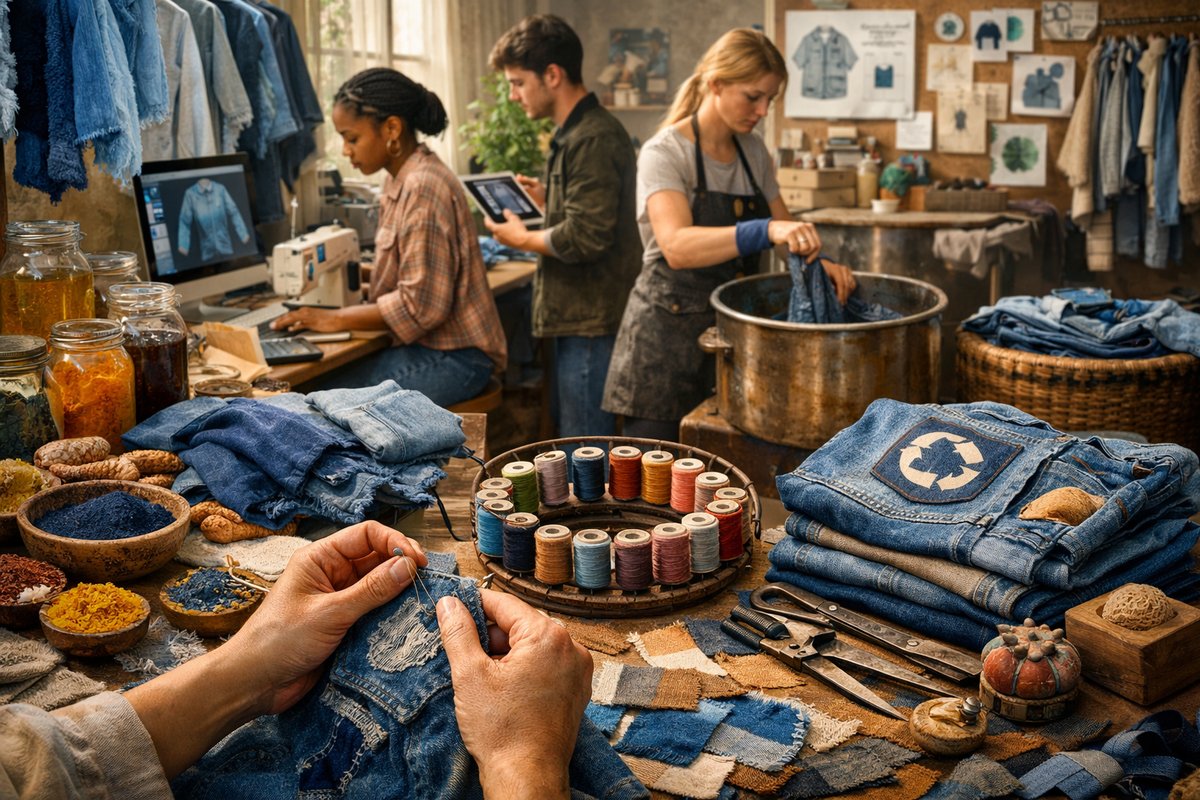
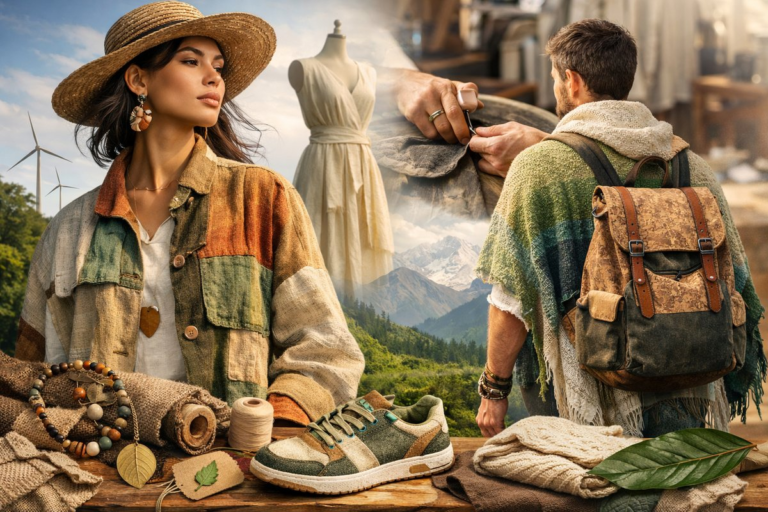
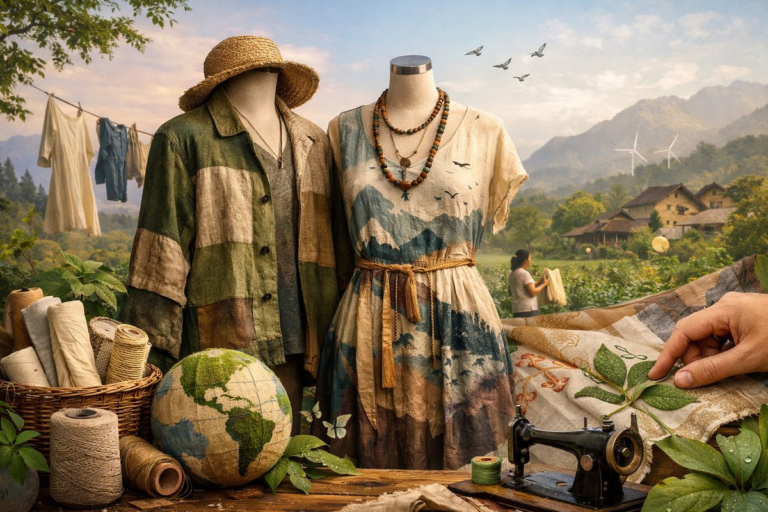
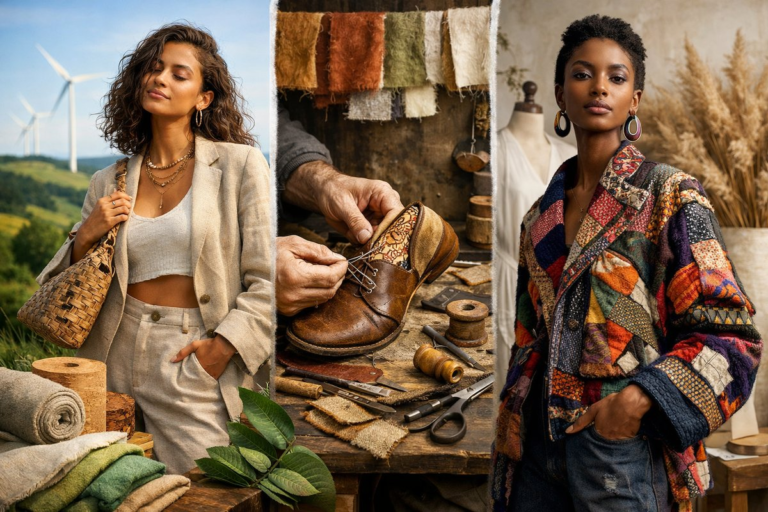
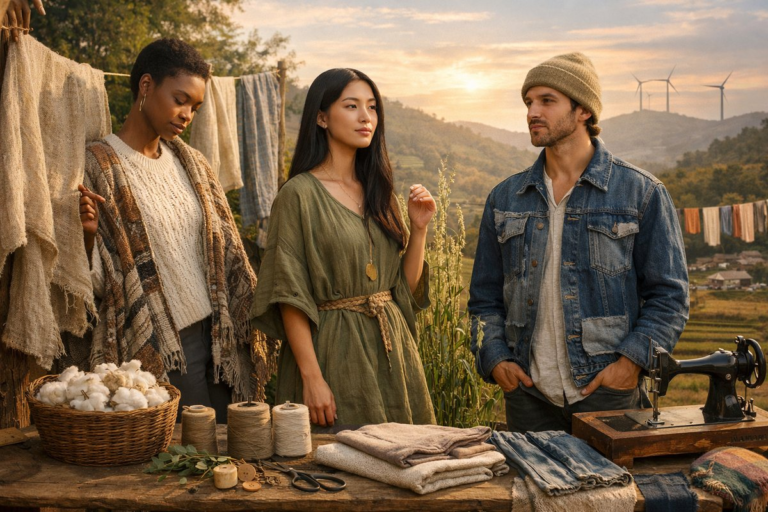
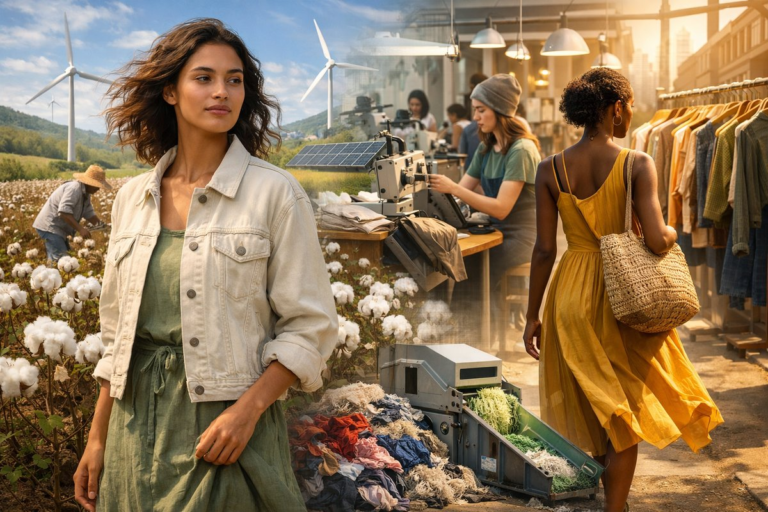
A new wave of designers and makers is blending ethical sourcing, artisanal craft, and digital innovation to redefine our relationship with clothing. From circular denim startups to DIY dye workshops, this movement invites wearers to join a community where each stitch tells a story in harmony with the planet.
At the heart of a light-filled warehouse in a revitalized neighborhood, a quiet revolution is unfolding. Rows of mannequins draped in muted tones and bold patterns stand as proof that fashion can be both aspirational and earth-friendly. Behind each piece is a network of small-scale artisans, circular design practices, and transparent supply chains-all united by a shared commitment to place values above volume.
That commitment was on full display during the latest showcase organized by Fiber Futures, a collective of sustainable innovators. Models walked the runway wearing denim reimagined through a zero-water finishing process, shirts woven from upcycled cotton scraps, and outerwear lined with recycled technical fibers harvested from post-consumer waste. LED spotlights revealed intricate botanical dye gradients, achieved without toxic mordants or chemical fixatives. QR codes stitched into seams invited attendees to trace every stage of production, from seed to stitch.
Design teams emphasized that sustainability is no longer an afterthought but a core design driver. One group demonstrated a modular jacket that can be unzipped into vests, sleeves, or hoods, reducing the need to buy separate pieces. Another presented a convertible dress constructed so that offcuts serve as drawstring bags, minimizing textile waste. In each case, circular principles shaped silhouette, construction, and material choice from day one.
Technology also plays a critical role in this redefinition of apparel. A digital body-scanning booth allowed visitors to capture precise measurements for custom orders, cutting down on returns and deadstock associated with ill-fitting garments. Nearby, an interactive touchscreen displayed a blockchain ledger where every fiber’s origin, dye lot, and transport method was logged immutably. By granting wearers full visibility into a garment’s journey, the initiative fosters trust and a deeper connection with what ends up hanging in the closet.
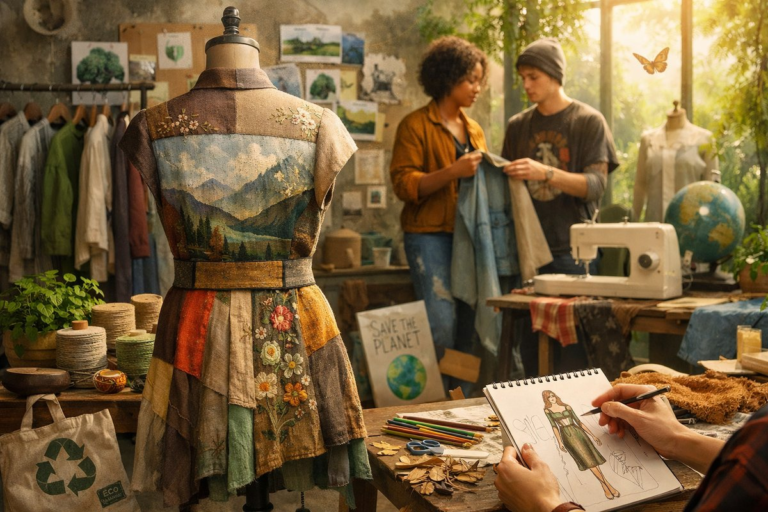
But the movement extends well beyond high-tech showrooms. In the back of the warehouse, a lively workshop bustled with participants learning how to dye shirts using locally foraged plant extracts. Attendees experimented with indigo vats made from fresh leaves, lucha clay for earthy reds, and spent coffee grounds for charcoal tones. A facilitator guided them through resist-tie techniques and eco-friendly fixatives like saponin from soap nuts. At the end of the session, each person went home with a one-of-a-kind garment and a renewed appreciation for the alchemy of natural dyes.
Artisanal dyeing has proved to be more than a trend; it’s a bridge between maker and wearer. When consumers engage directly in coloration, they gain an intimate understanding of resource scarcity, water use, and the care required to unlock vibrant hues. This hands-on approach creates deep emotional resonance, turning a mass-produced tee into a personal statement-an embodiment of the wearer’s curiosity and commitment to eco-conscious living.
Beyond workshops, a new peer-to-peer rental and resale app has taken root in several cities. The platform lets closet curators list pieces they no longer wear, while style seekers borrow items for special occasions. An intuitive algorithm recommends matches based on sizing, preferred fabrics, and past rental feedback. For independent designers, this ecosystem provides an opportunity to experiment with limited-edition drops without the risk of overproduction or markdowns.
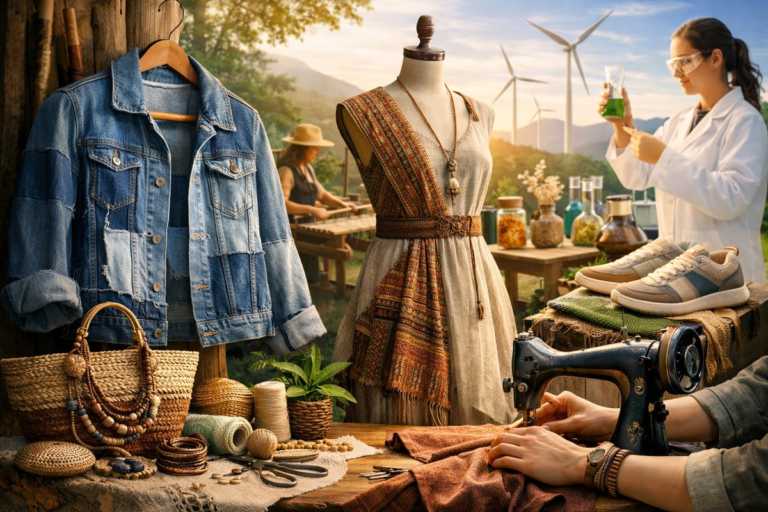
Meanwhile, microfactory pop-ups are bringing local craft back to high streets. Compact dye labs, solar-powered knitting stations, and 3D-knitting machines operate in storefront windows, inviting passersby to witness the transformation of raw yarn into ready-to-wear garments. These satellite workshops reduce carbon footprints by eliminating long-haul shipping and foster community engagement through open-studio events and live skill demos.
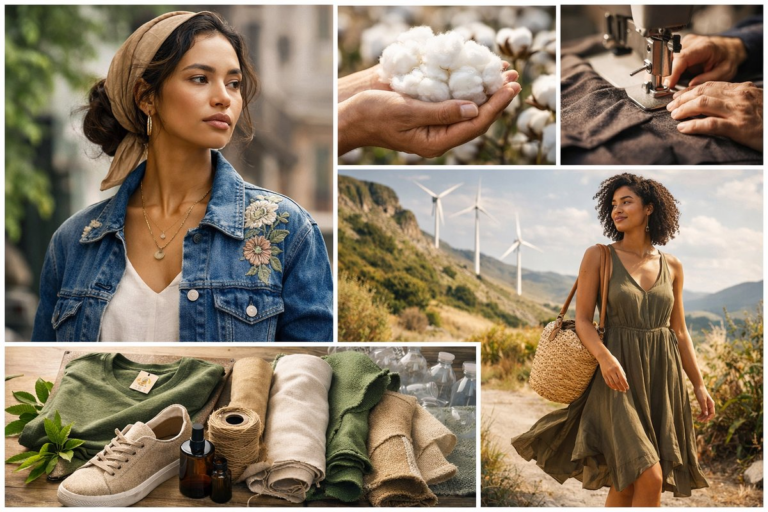
Amidst these innovations, the voice of the wearer has become central. Storytelling collectives encourage customers to share the origins of their sustainably sourced textiles, spotlighting smallholder farmers growing organic cotton or cooperatives recycling fishing nets into nylon. Social feeds overflow with images of individuals wearing recycled merino wool sweaters on mountain treks, hemp jumpsuits at urban co-working spaces, or midnight blue velvet jackets at community fundraisers-all serving as tangible proof that style and conscience need not be at odds.
Yet challenges remain. Sustainable fabrics often come at a premium price, putting them out of reach for budget-minded shoppers. Scaling artisanal practices without diluting quality or authenticity is another balancing act. Brands wrestle with certification costs, the complexity of multi-tiered supply chains, and the need for consumer education to change entrenched purchasing habits.
Policy makers and retail coalitions are beginning to address these hurdles through incentives, labeling standards, and shared infrastructure investments. Grants for water-less finishing facilities, subsidies for eco-certified spinning mills, and guidelines for transparent environmental reporting are all moves toward leveling the playing field. As these frameworks take hold, the hope is that economies of scale will drive down costs and make sustainable pieces more accessible to a broader audience.
In parallel, digital communities continue to push boundaries. Virtual fashion shows streamed in augmented reality, digital wardrobes that track garment lifespan, and NFT-backed certificates for limited-edition items are carving out a hybrid future where physical products are woven into online ecosystems. While the hype around non-fungible tokens has settled, the underlying idea of secure digital provenance remains compelling-especially when it comes to high-value, handcrafted pieces.
What ties all these threads together is the belief that fashion is a form of personal narrative. Every fiber, every fold, and every hue conveys context-whether it’s a celebration of local heritage, a protest against extractive practices, or simply the joy of making something with one’s own hands. When clothing carries intention as its primary thread, it transmutes from commodity to conversation.
Even for casual shoppers who haven’t attended a workshop or scanned blockchain tags, the cultural tide is shifting. Mainstream retailers are piloting take-back programs, major fashion weeks now devote whole segments to eco-labels, and mainstream publications highlight capsule wardrobes packed with responsibly sourced basics. What once felt like a fringe aspiration has edged into everyday consideration.
As we stand at this crossroads, it’s worth remembering that style has always been a mirror reflecting who we are and who we want to be. Today’s wearers are calling for authenticity, transparency, and a tangible impact on the planet. In response, designers are crafting solutions that marry form and function with ethical purpose.
For anyone curious about joining the movement, the invitation is open. Start by exploring garments with clear material disclosures. Try a DIY dyeing session or swap a few items on a peer-to-peer platform. Support local makers and ask questions about water usage or fiber origin. Through each conscious choice, the wardrobe evolves from a passive collection into an active testament to what truly matters.
In this era of rapid change, clothing stands as more than an aesthetic choice-it’s a compass pointing toward a future where every piece honors the planet, the people, and the stories that connect us all. Adopting that mindset turns getting dressed into an everyday act of advocacy, one outfit at a time.