Location
Mount Vernon, WA 98274

Location
Mount Vernon, WA 98274
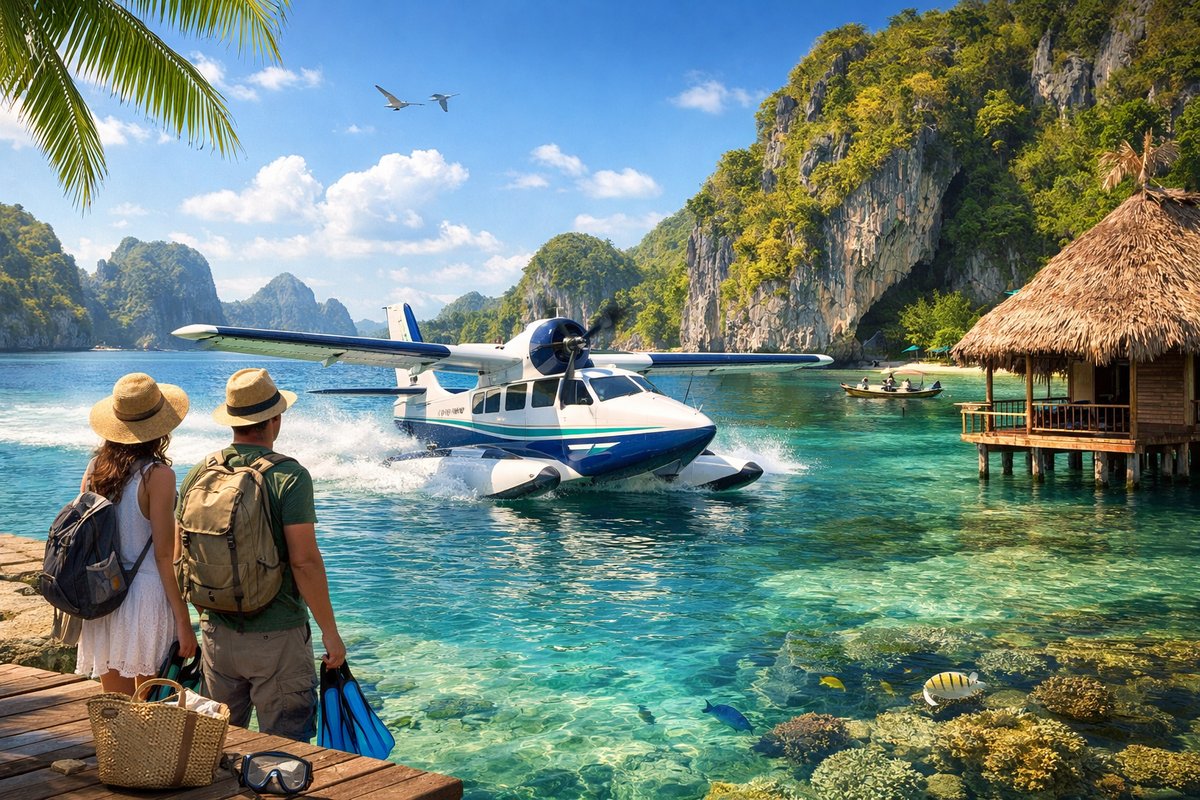
A pioneering electric-seaplane service is transforming remote island travel in Southeast Asia, offering quiet, low-emission flights to snorkeling reefs and hidden lagoons. Travelers are drawn by rapid connections, eco-friendly technology, and immersive local experiences that blend aviation innovation with sustainable island tourism.
At sunrise, a sleek white and green amphibious aircraft lifts off from the emerald lagoon, its rotor hum barely louder than the lapping waves below. This is the latest chapter in Southeast Asia’s travel renaissance: the launch of an electric-seaplane network connecting remote islands that were once reachable only by slow boat or multi-leg transfers. Hailed as a win for climate-conscious adventurers, these flights shrink travel times, slash carbon footprints, and open doorways to untouched beaches, vibrant coral reefs, and traditional fishing villages.
The new service bridges archipelago chains across Indonesia, the Philippines, and Thailand. Operators retrofit existing seaplanes with hybrid-electric systems, replacing fuel-thirsty engines with powerful electric motors augmented by biofuel generators. The result is a 70 percent reduction in greenhouse gas emissions per hour of flight. In its first three months, the network carried more than 3,000 passengers on routes previously limited to slow ferries or charter boats, cutting travel times by up to two hours per leg.
Passengers describe the experience as “quietly thrilling.” Instead of ear-piercing engine roars, they hear seabirds and the whisper of wind. Larger windows offer panoramic views of hidden coves and ribboned reefs. Flight attendants point out reef sharks and sea turtles cruising below. At a recent demonstration, a marine biologist on board guided guests through basic reef ecology via an interactive touchscreen, turning the cabin into a moving classroom.
Local communities are also reaping benefits. Villagers on remote islands report a surge in eco-lodge bookings, guided snorkeling tours, and handcrafted handicraft sales. One coastal hamlet doubled its income from tourism in the past month alone, as small guesthouses and homestays welcomed visitors who once bypassed the area on mainland routes. Sustainable tourism grants have funded solar microgrids, water purification systems, and waste-management programs, ensuring growth doesn’t come at the expense of fragile island ecosystems.
“This is about more than convenience,” says an airline official overseeing operations. “It’s about connecting people to places they never knew existed, while preserving those places for future generations.” Pilots operate under strict noise regulations, avoiding sensitive bird-nesting sites. Engineers install solar charging stations at water-runways, offsetting the small amount of diesel needed for ground support vehicles. And all in-flight service uses compostable packaging and reusable drinkware.
Popular itineraries include multi-day loops: a morning flight from a major coastal city to a coral atoll, afternoon reef dives, an overnight stay in a floating eco-resort, a sunrise paddleboard tour of limestone karsts, and a late-evening return journey under a canopy of stars. In one example, travelers flew from Phuket to a remote archipelago in just 45 minutes-a trip that had taken five hours by boat. On another route, a two-leg flight opens access to under-visited islands in the Sulu Sea, home to journals of endangered dugongs and kaleidoscopic reefs.
Travel experts note that this concept could redefine luxury and adventure travel alike. Where helicopter transfers once dominated private itineraries, electric seaplanes offer a quieter, more cost-effective alternative. Group charters, wedding parties, and small-ship cruise guests are booking these flights as add-ons to highlight the uniqueness of their journey. Tour operators are bundling seaplane tickets with sustainable resorts, cultural homestays, and guided wildlife projects.
Yet challenges remain. Current battery technology limits pure-electric range to around 60 nautical miles, requiring backup generators and biofuel for longer hops. Coastal airports and water-runways need upgrades to handle charging infrastructure and passenger flows. Regulations in some countries still treat electric aviation as experimental, demanding extra permits and safety checks. But growing interest from governments and investors suggests these hurdles will be smoothed out soon.
One landmark project is an inter-island connection in eastern Indonesia supported by a climate fund. Local leaders pitched the idea as a way to reduce diesel use, bolster tourism revenues, and improve medical evacuation capabilities. A pilot clinic visit that once took six hours by sea boat can now occur in under 90 minutes. Emergency flights deliver doctors and supplies to villages at risk from seasonal storms.
In the Philippines, an archipelago conservation group partnered with the electric-seaplane operator to fund reef-restoration dives. A portion of ticket revenue is earmarked for coral nurseries and turtle protection patrols. Visitors can sign up for off-peak volunteer slots, learning how to outplant coral fragments or monitor sea turtle nesting beaches. The hands-on projects let travelers become active participants in preserving the natural wonders beneath the flight path.
Meanwhile, eco-resorts are rethinking their infrastructure to cater to this influx of low-impact travelers. Floating solar docks charge seaplanes and recreational electric boats. Rainwater-collection systems and composting toilets minimize freshwater consumption and waste. Open-air bungalows steer clear of air conditioning, relying instead on cross-breezes and mosquito nets. Resort chefs source seafood from managed local fisheries and pick tropical fruits from on-site gardens.
This wave of innovation is also inspiring new local services. Kayak rental operators are exploring electric-assist models to help guests glide along mangrove creeks. Stand-up paddleboard tours now include portable solar chargers so visitors can power cameras and phones. Beachside pop-up cafes use rechargeable blenders and induction cooktops loaded by portable power stations. Traditional fishermen are collaborating with seabed-mapping startups to guide snorkelers to lesser-known sites.
Environmental advocates laud the progress but urge vigilance. They warn that expanding flight corridors could fragment coastal habitats if water-runways are carved through mangrove stands or turtle nesting beaches. The call is for strategic planning: identifying low-impact takeoff points, scheduling flights outside critical breeding seasons, and continuously monitoring wildlife responses.
Still, for many travelers, the allure is undeniable. In an age when lengthy transfers and crowded terminals can dampen wanderlust, these hybrid-electric seaplanes offer a direct line to discovery. As one guest put it, “It feels like opening a door to a secret world-quiet, swift, kind to the planet, and utterly unforgettable.”
Back on land, communities and conservationists are already mapping the next phases: longer-range electric engines, amphibious drones for remote cargo delivery, and community-owned cooperatives running seaplane services. The promise of these technologies reaches beyond tourism, touching on emergency medicine, scientific research, and even education in far-flung island schools.
In the coming months, more routes will launch. Seasonal connections to UNESCO biosphere reserves, charity fundraisers for ocean cleanup projects, and night-sky lantern festivals accessible only by seaplane are all on the drawing board. What began as a niche experiment is showing signs of scale-and in doing so, reshaping the very idea of island-hopping.
Travelers planning a trip to Southeast Asia now face a choice: the well-trodden ferry decks and winding roads, or a quiet electric ascent across glassy waters. As seaplanes slip above hidden harbors and coral atolls, they carry hopes of a more conscious way to roam. And for destination lovers eager to see differently, the sky-and the sea-have never been closer.