Location
Mount Vernon, WA 98274

Location
Mount Vernon, WA 98274
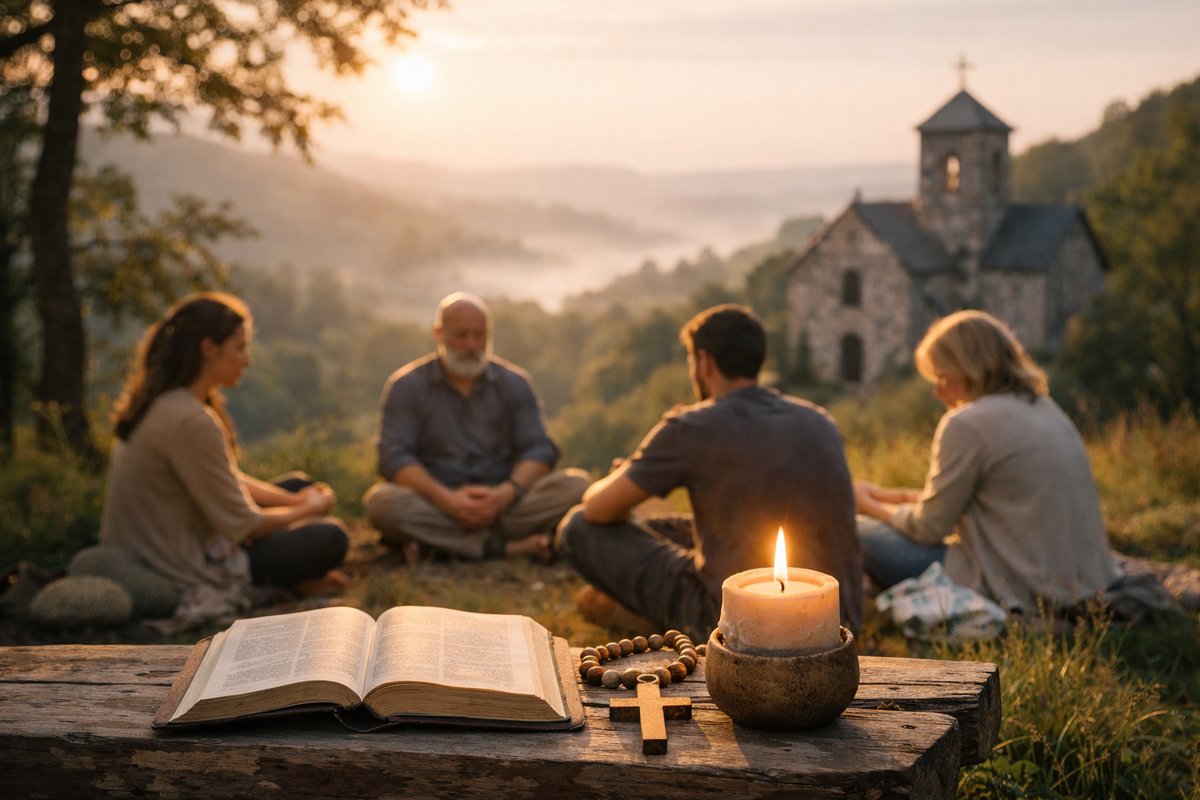
Amid the noise and haste of contemporary life, Christian communities are rediscovering the power of stillness, simplicity, and intentional connection. This movement toward spiritual renewal blends ancient traditions with modern needs, inviting believers into a deeper, more reflective faith experience that resonates beyond church walls.
In an era marked by rapid technological advancement and constant connectivity, many Christian communities are turning inward, seeking renewal through practices that emphasize quiet contemplation, meaningful fellowship, and sustainable living. This quiet revolution within Christianity reflects a broader cultural yearning for depth, presence, and authenticity.
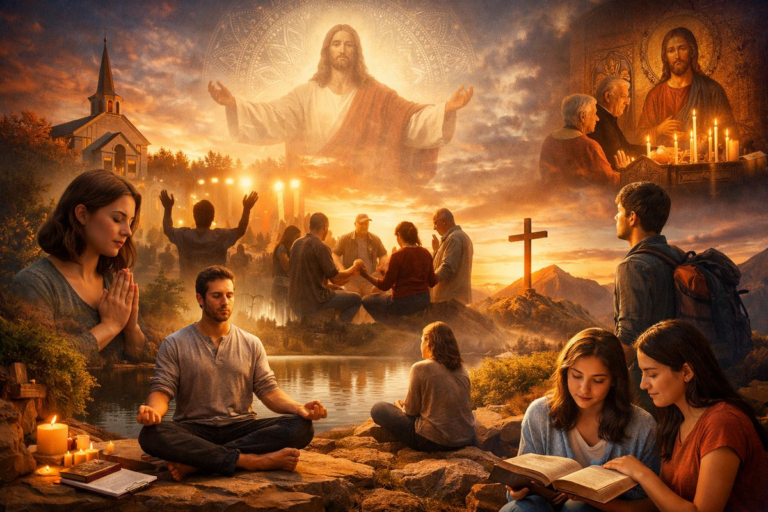
The resurgence of contemplative practices rooted in early Christian traditions is one of the most striking features of this movement. Practices such as lectio divina, centering prayer, and Christian meditation are gaining traction not only among monastic circles but also within lay communities and urban congregations. These spiritual disciplines offer a counterbalance to the frenetic pace of modern life, inviting believers to slow down and listen deeply to the presence of God.
One notable aspect of this renewal is the integration of simplicity and sustainability into Christian living. Inspired by biblical calls to stewardship and care for creation, churches and individuals are adopting environmentally conscious habits that reflect their faith commitments. From community gardens and zero-waste initiatives to energy-efficient church buildings, these efforts embody a holistic approach to spirituality that honors both God and the earth.
Community life is also undergoing transformation. Beyond traditional Sunday services, many congregations are fostering smaller, intimate groups focused on shared spiritual practices, mutual support, and social justice engagement. These groups often serve as incubators for personal growth and collective action, bridging the gap between faith and everyday life.
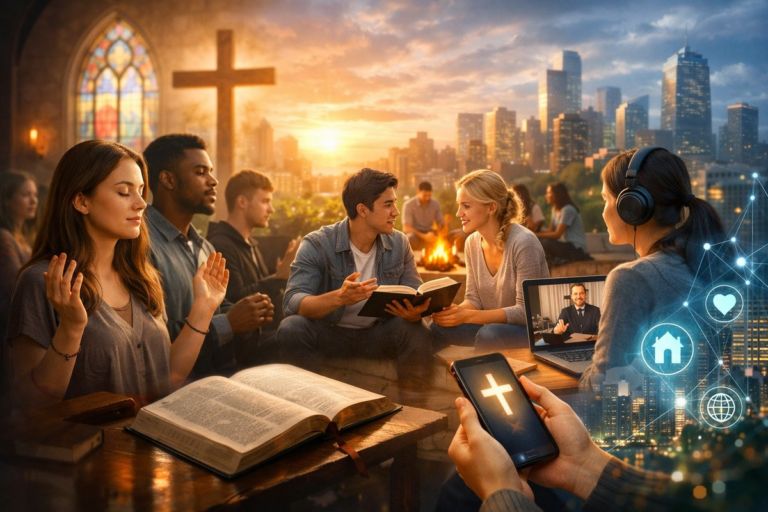
Technology, paradoxically, plays a dual role in this landscape. While the digital age has contributed to distraction, it also enables new forms of connection and resource sharing. Online prayer groups, virtual retreats, and digital libraries of spiritual resources make contemplative practices accessible to a wider audience. Yet, the emphasis remains on using technology judiciously to enhance, rather than replace, embodied community and presence.
The renewed interest in Christian mindfulness and meditation dovetails with a growing awareness of mental health and emotional well-being. Faith communities are increasingly recognizing the importance of nurturing the whole person-mind, body, and spirit. Pastoral care now often includes guidance on stress reduction, resilience, and emotional intelligence, integrating psychological insights with spiritual wisdom.
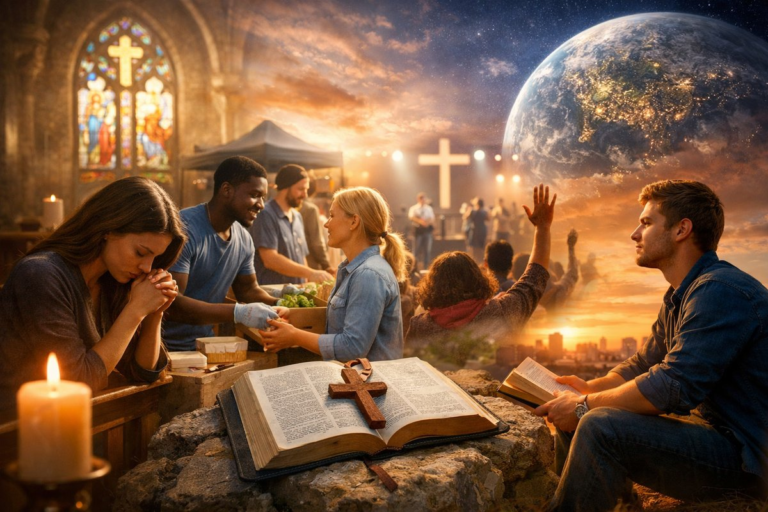
Importantly, this movement is not about retreating from the world but engaging it with renewed clarity and compassion. Many communities emphasize social justice, hospitality, and peacemaking as expressions of their faith. The quiet revolution thus carries a prophetic edge, challenging systemic injustices and advocating for marginalized voices while rooted in deep spiritual grounding.
This evolving landscape of Christian faith invites believers into a journey marked by meaning, renewal, and quiet courage. It honors the rich heritage of Christian spirituality while responding creatively to contemporary challenges. As more individuals and communities embrace this path, they contribute to a vibrant tapestry of faith that is both ancient and strikingly new.
In embracing stillness, simplicity, and intentional community, Christians today are crafting a spirituality that resonates with the deepest human longings-for connection, purpose, and peace. This quiet revolution holds promise not only for personal transformation but also for the renewal of the wider church and society.