Location
Mount Vernon, WA 98274

Location
Mount Vernon, WA 98274
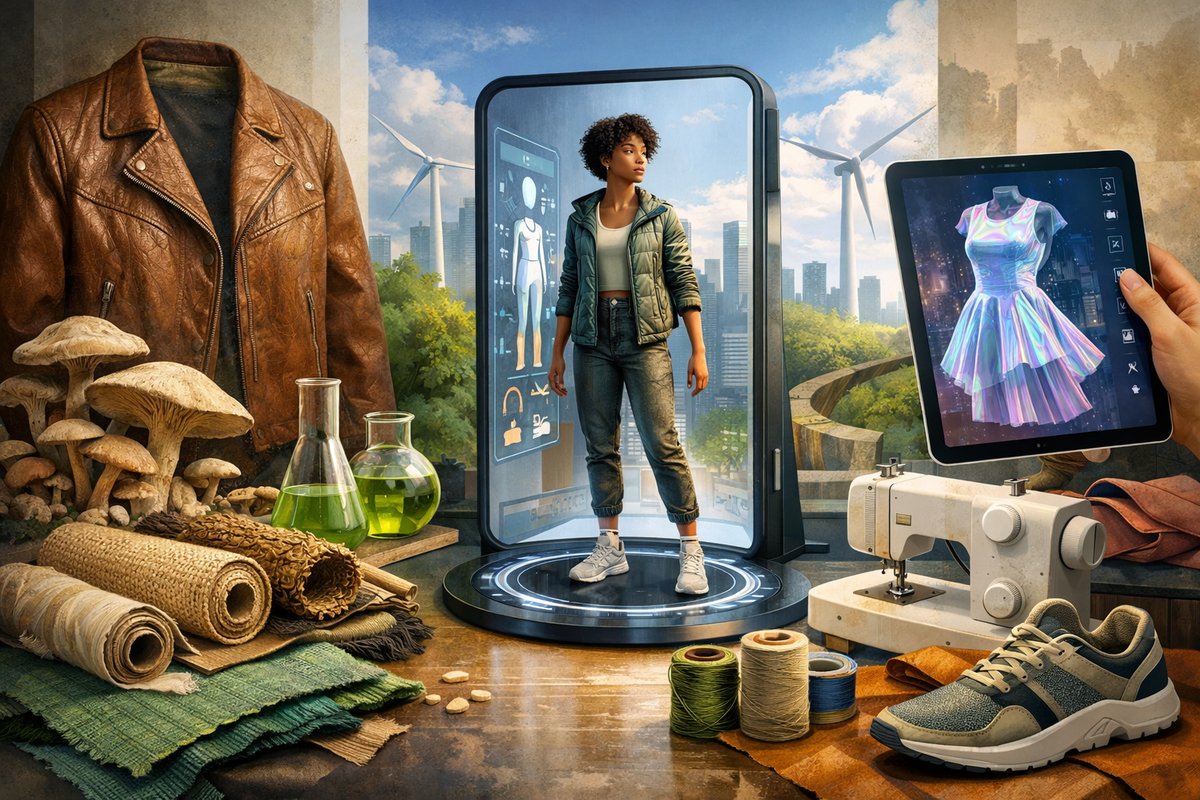
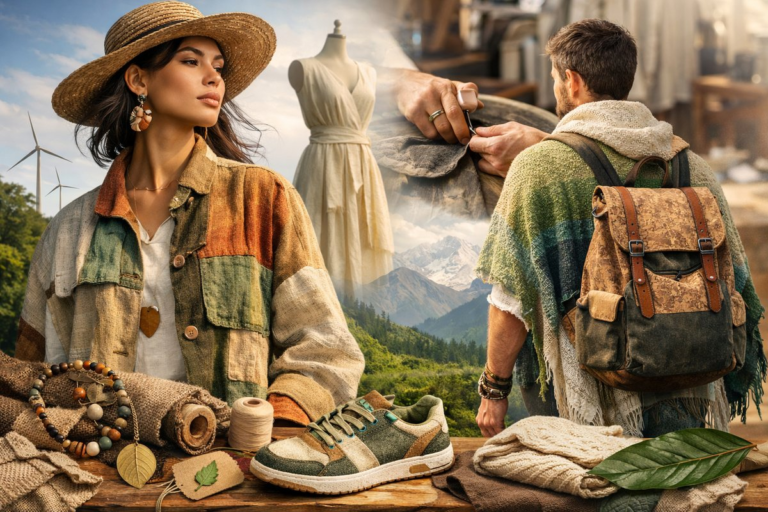
A wave of innovations-from mushroom-derived leathers to AR-powered fitting rooms-is reshaping how we dress with purpose. Designers, startups and major retailers alike are embracing materials spun from waste and code, as consumers seek garments that reflect their values and leave lighter footprints. This article explores the emerging bio-fiber revolution, the rise of digital wardrobes and the tools empowering makers to stitch conscious style.
A quiet revolution is unfolding in fashion ateliers and tech labs alike: clothing is being reimagined as living narratives rather than disposable trends. At the heart of this shift lies a convergence of bio-based fibers, zero-waste manufacturing and digital couture platforms that marry personal expression with planetary care. From lab-grown mushroom leather to digital-only garments that live on social platforms, the industry is charting a new course toward garments that tell stories, preserve resources and spark community.
It began in earnest when research teams unveiled fabrics spun from agricultural byproducts. One notable breakthrough uses grape pomace-the skins, seeds and stems left over from winemaking-to create supple leather alternatives. Powdered grape fiber blends with plant polymers to form a material that mimics the drape and durability of traditional leather while avoiding animal hides and the heavy water footprint of conventional tanning. Independent designers have already showcased boots, bags and belts made from this grape-based leather at regional sustainability festivals, signaling the material’s gradual entry into mainstream lines.
Meanwhile, another frontier is rooted in the kingdom of fungi. Mycelium-the threadlike root structure of mushrooms-can be cultivated in sheets under controlled conditions, then processed into a soft, breathable leather substitute. Unlike petroleum-based synthetics, mycelium leather decomposes harmlessly at end of life, returning nutrients to the soil. Early adopters in footwear and accessories have reported that this fungal fiber holds dyes well and develops a natural patina. As scaling challenges are addressed, plug-and-play mycelium kits for on-demand small-batch production could soon land in community maker spaces, democratizing access to this living material.
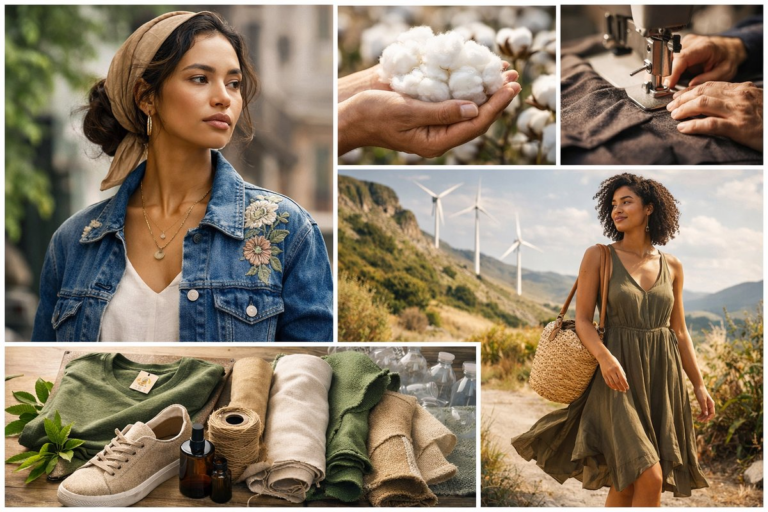
Bio-polymers aren’t the only focus. Closed-loop lyocell and Tencel fibers spun from sustainably sourced wood pulp have matured to rival cotton’s softness, while using far less water and chemicals. Breakthroughs in recycling cotton garment scraps back into textile-grade fiber are also gaining traction. At a recent Copenhagen Fashion Summit, a prototype recycling plant demonstrated how old denim and shirting could be shredded, enzymatically treated and respun into new yarn-all within the same facility that houses garment construction. This on-site circularity promises to cut shipping emissions and reduce inventory waste, offering a blueprint for local microfactories.
Parallel to material innovations, a digital wave is revolutionizing how consumers shop and style. Augmented reality fitting rooms-once a futuristic novelty-are rolling out at scale. Retailers have integrated AR mirrors that map a shopper’s body in real time, overlaying digital garments to show fit, color variations and styling options without ever trying on a single piece. These virtual try-ons reduce returns and shipping costs, trimming a major source of carbon emissions in e-commerce. Social media platforms have even begun supporting digital-only fashion drops, where influencers model limited-edition NFT garments that exist purely in pixels, spurring discussion around digital identity and virtual self-expression.
Beyond virtual fashion, open-source pattern repositories are empowering home sewists and indie labels to collaborate on zero-waste designs. Patternmakers share modular templates that nest pieces to minimize scrap or swap curve-smoothing techniques that eliminate fabric offcuts entirely. A global collective has already published hundreds of downloadable patterns, from seamless T-shirts to adjustable hoodies, fostering a DIY ethos that challenges fast-fashion uniformity. In sync with this, rental and resale platforms have expanded their footprint: a recent report shows peer-to-peer garment exchanges tripled in user base last year, with community meet-ups and local swap events driving higher engagement than purely digital marketplaces.
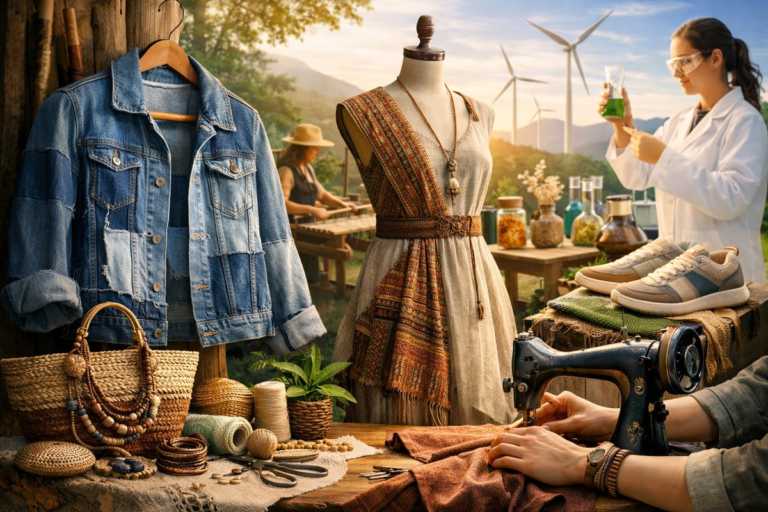
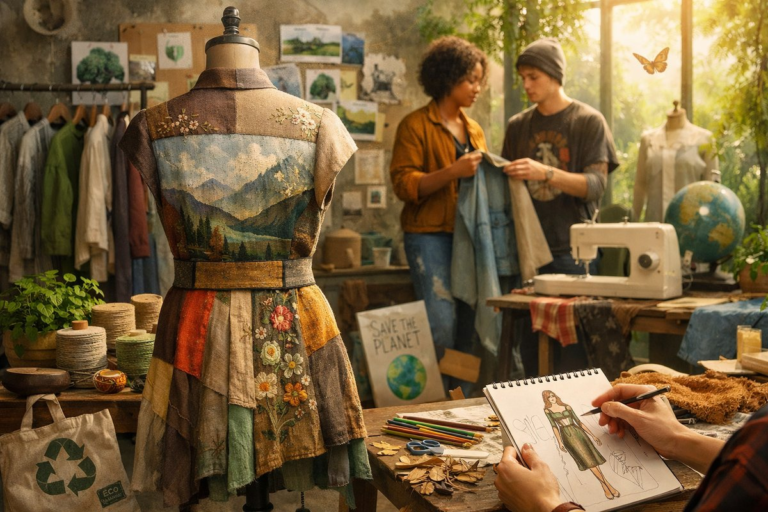
The convergence of material and digital innovation has also fostered new maker communities. Pop-up coworking labs are equipping members with sewing machines, 3D printers and laser cutters, offering workshops on dyeing textiles with natural pigments-such as indigo fermented in rice paste-and experimenting with bioplastic filament for jewelry and embellishments. Such spaces blur the lines between craft, tech and activism, providing fertile ground for collaborations with textile scientists eager to test novel blends and production methods.
Major retailers have taken notice, partnering with startups to pilot in-store collection points that funnel post-consumer garments back into recycling programs. Some have introduced in-house eco-labs where customers can drop off worn tees and denim for chemical recycling into new yarn. Others offer live-streamed design sessions, inviting audiences to vote on colorways and cuts before a garment goes into production-reducing overstock and aligning drops with real-time demand. These collaborative models signal a shift from top-down marketing to participatory design, placing consumers at the heart of sustainable innovation.
Yet challenges remain. Scaling bio-based materials to meet global demand requires massive cultivation infrastructure, energy inputs and rigorous quality controls. Ensuring traceability in supply chains still hinges on transparent reporting and third-party certifications, which many small producers struggle to obtain. On the digital front, concerns over data privacy in AR fitting technologies and the environmental footprint of blockchain-based NFTs prompt questions about whether digital fashion truly delivers net gains for the planet.
Industry veterans stress that the solution lies in balance: hybrid models that mix recycled cotton with plant-derived fibers, combine local microfactories with centralized recycling hubs and integrate virtual try-ons with in-person craftsmanship. Efforts to decarbonize dye houses through renewable energy and to adopt closed-loop water systems underscore how improvements in one area often ripple across the entire lifecycle of a garment. Collaboration between brands, researchers and policy makers will be crucial to create interoperable standards that support small innovators while motivating large corporations to commit to measurable targets.
Consumers, too, are learning to vote with their wardrobes. Preference surveys reveal that a growing segment is willing to pay a modest premium-often under 10 percent-for garments with credible sustainability credentials. Educational apps and QR-coded labels inform buyers about fiber origins, manufacturing footprints and end-of-life options, fostering a more informed marketplace. As eco-literacy spreads, individual choices aggregate into systemic impacts, pushing the industry toward circularity.
Looking ahead, the interplay between bio-materials and digital platforms promises further surprises. Wearables embedded with biosensors could monitor environmental conditions or body metrics, weaving technology into the very fabric of our lives. Virtual fashion shows, streamed in augmented reality, may democratize front-row access to global runways. And as biomanufacturing techniques advance, we might soon see garments grown in bioreactors-custom-tuned to specific textures and performance features.
What remains constant is the narrative behind each piece. In this new era, clothing is more than utility or status; it is storytelling, a reflection of shared values and hopes for a regenerative future. Every stitch, dye lot and pixel contributes to a larger tapestry of innovation. For makers, brands and consumers alike, the challenge-and opportunity-lies in weaving technology, tradition and stewardship into garments that endure in more ways than one.
We are witnessing a paradigm shift where style meets sustainability, and garments become chapters in an unfolding global story. The green loom is humming, and its threads connect innovators across continents. By embracing bio-based fibers, digital couture and collaborative communities, fashion is redefining what it means to dress well-in every sense of the word.