Location
Mount Vernon, WA 98274

Location
Mount Vernon, WA 98274
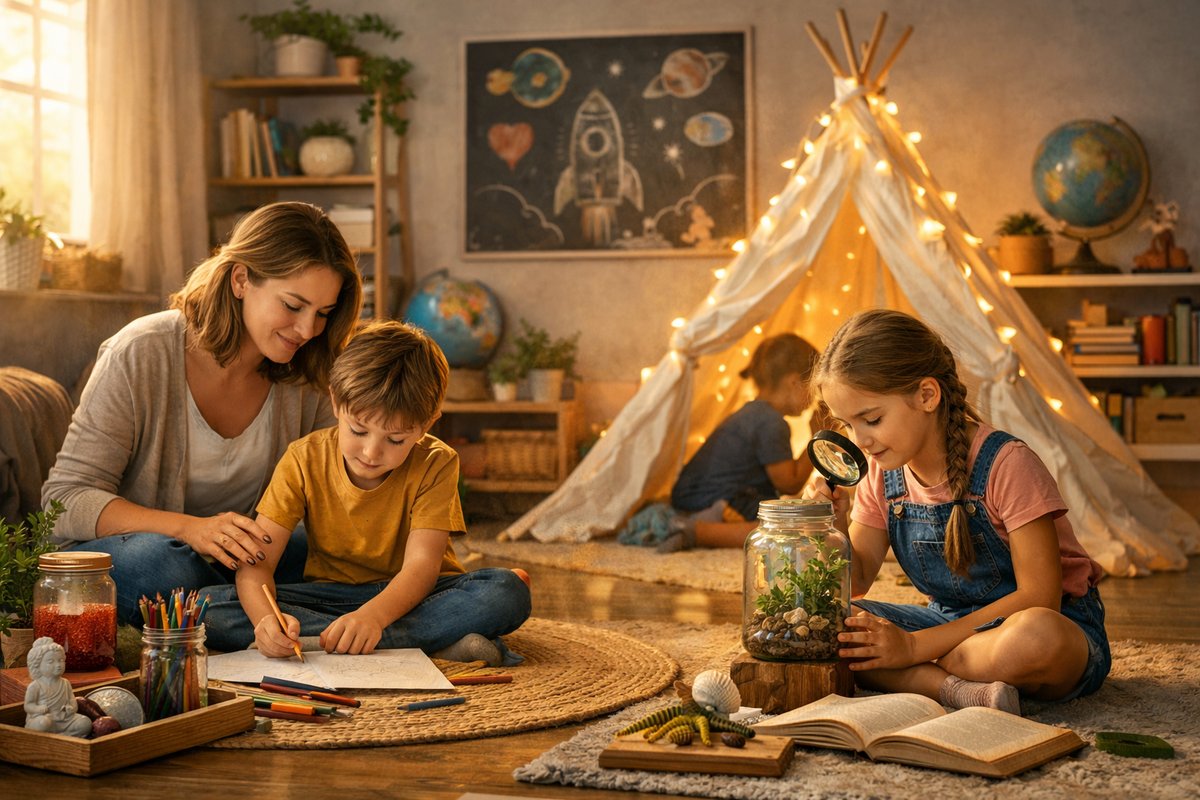
Modern parenting is embracing a holistic approach that intertwines emotional intelligence with intellectual curiosity, fostering environments where children thrive both in heart and mind. This evolving educational landscape at home encourages agency, empathy, and joyful exploration, redefining how families nurture lifelong learners.
Parenting and education have long been intertwined, but recent shifts reveal a deeper integration of emotional awareness with cognitive development, creating a more balanced and enriching learning experience at home. As families navigate an increasingly complex world, many are choosing to nurture not just academic skills but also emotional resilience, curiosity, and self-agency in their children. This holistic approach is reshaping how parents support growth, blending the joy of discovery with heartfelt connection.
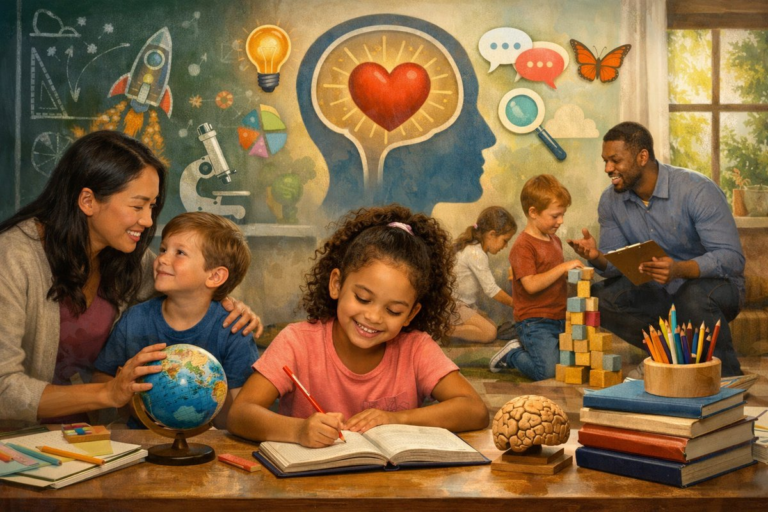
At the core of this transformation is the recognition that emotional intelligence and intellectual growth are not separate pursuits but complementary facets of a child’s development. Parents are moving beyond traditional academic drills, incorporating tools and activities that cultivate empathy, self-regulation, and social awareness alongside STEM (science, technology, engineering, and mathematics) learning. This dual focus helps children develop the capacity to think critically while also understanding and managing their emotions.
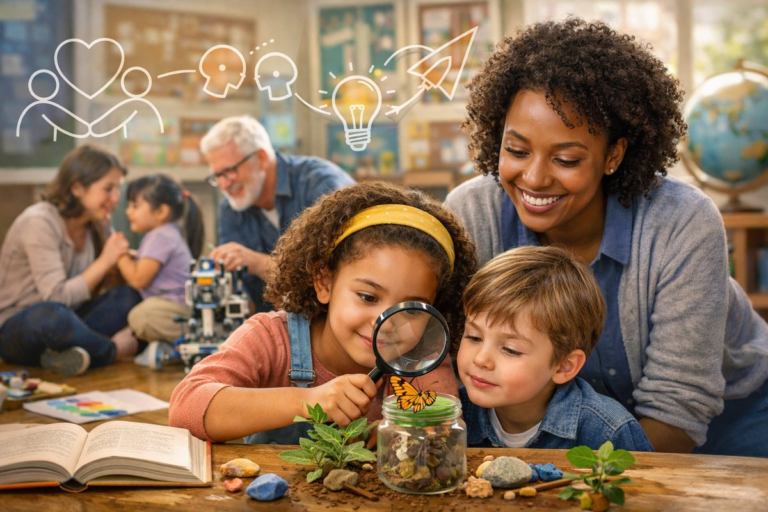
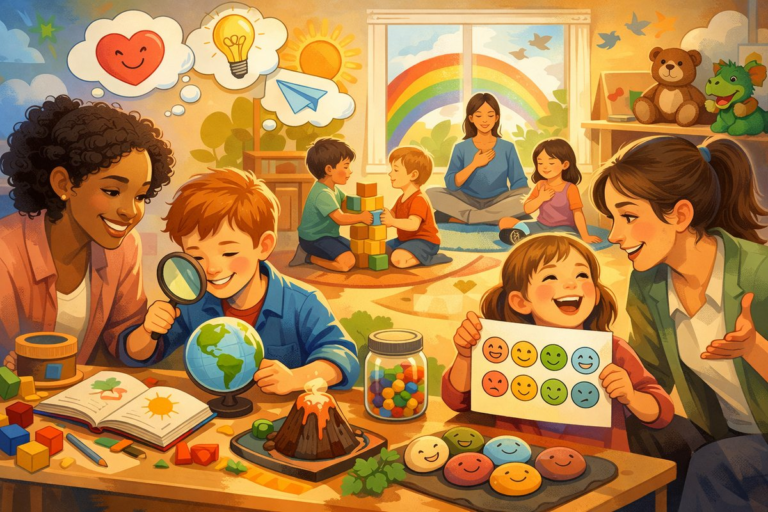
One emerging trend involves the use of playful, hands-on learning environments that invite children to experiment, ask questions, and engage their senses. For example, DIY play labs at home, where kids can tinker with simple machines or conduct science experiments, encourage curiosity and problem-solving. These spaces are often infused with emotional learning elements-such as cooperative tasks or reflection prompts-that help children articulate feelings and practice empathy with siblings or peers.
Parents are also turning to storytelling and role-playing as powerful tools to nurture emotional intelligence. By creating scenarios that explore diverse perspectives or moral dilemmas, children learn to navigate complex social situations and develop compassion. These activities naturally blend with literacy and language skills, reinforcing the connection between emotional and intellectual growth.
Another key aspect is fostering agency-the ability for children to make choices and take ownership of their learning journey. Parents are supporting this by providing open-ended materials and flexible routines that encourage exploration at a child’s own pace. This approach contrasts with rigid, outcome-focused education and instead celebrates the process of discovery, mistakes, and creative problem-solving.
Technology also plays a nuanced role. While screen time is often approached with caution, many families are finding value in carefully selected educational apps and interactive tools that promote both cognitive skills and emotional reflection. These digital resources can offer personalized challenges and immediate feedback, helping children build confidence and persistence.
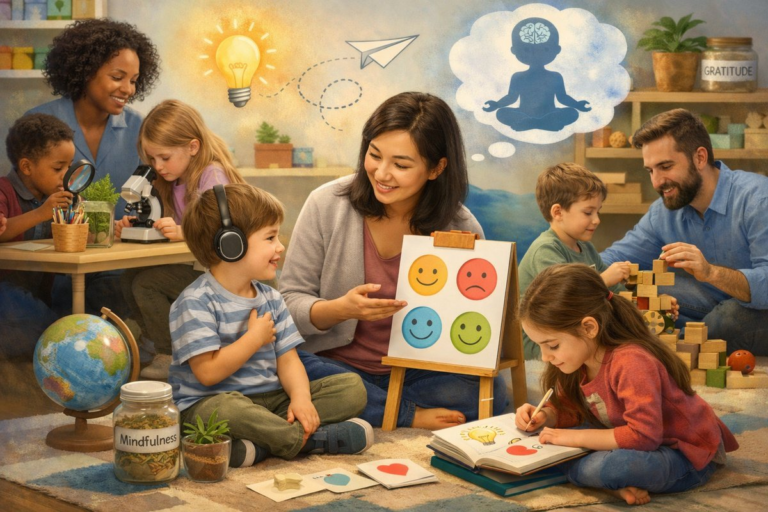
Importantly, parents themselves are learning alongside their children, embracing a mindset of curiosity and emotional openness. This shared journey strengthens family bonds and models lifelong learning and emotional awareness. Parents are increasingly seeking resources and communities that support this integrated approach, from workshops on mindful parenting to online forums sharing creative educational strategies.
The benefits of this heart-and-head blend extend beyond immediate academic success. Children raised in environments that honor their emotional experiences while stimulating intellectual growth tend to develop stronger self-esteem, better social skills, and a more profound love of learning. These qualities prepare them not just for school but for navigating the complexities of life with resilience and empathy.
In essence, the evolving landscape of parenting and education at home is a celebration of curiosity, agency, and emotional connection. By embracing tools and practices that nurture both mind and heart, families are cultivating thinkers who are not only knowledgeable but also compassionate and self-aware. This holistic approach promises a richer, more joyful experience of growth for children and parents alike, laying the foundation for a more thoughtful and empathetic future generation.