Location
Mount Vernon, WA 98274

Location
Mount Vernon, WA 98274
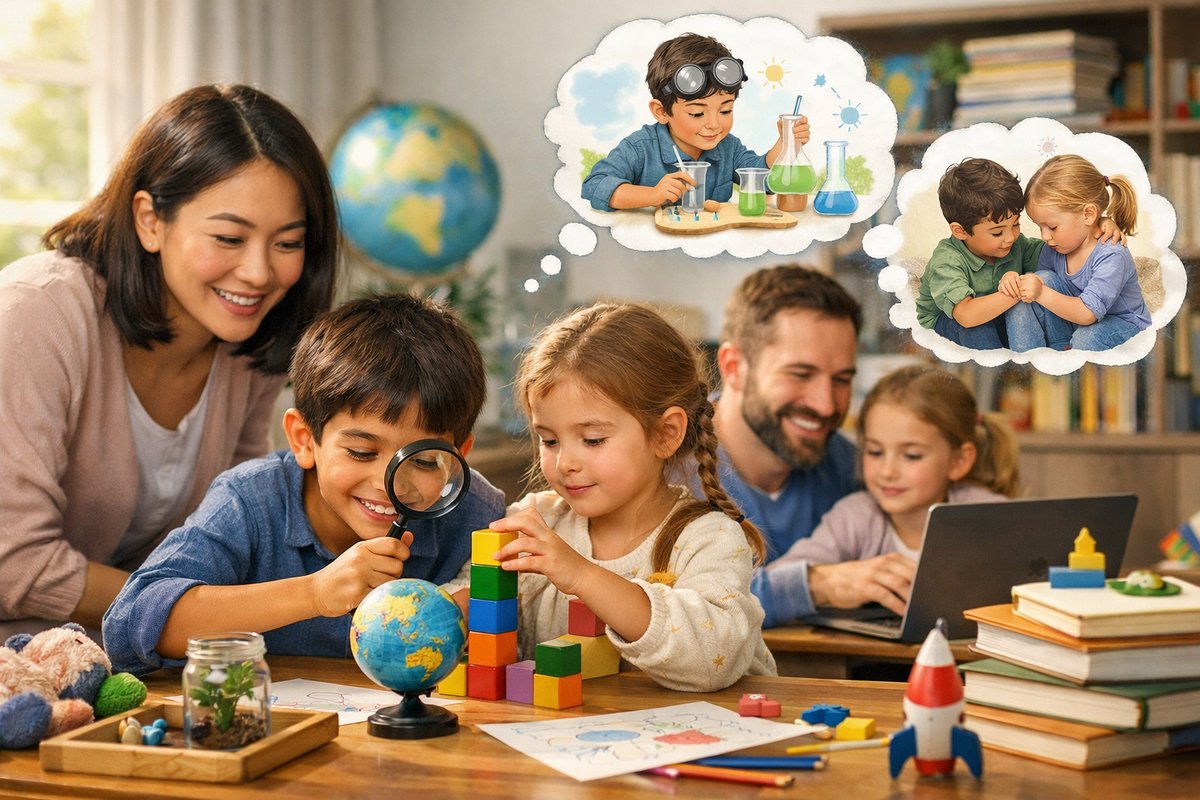
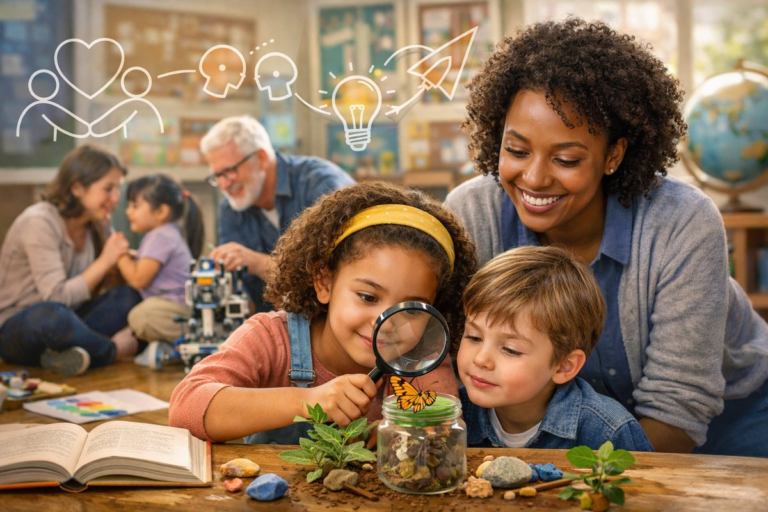
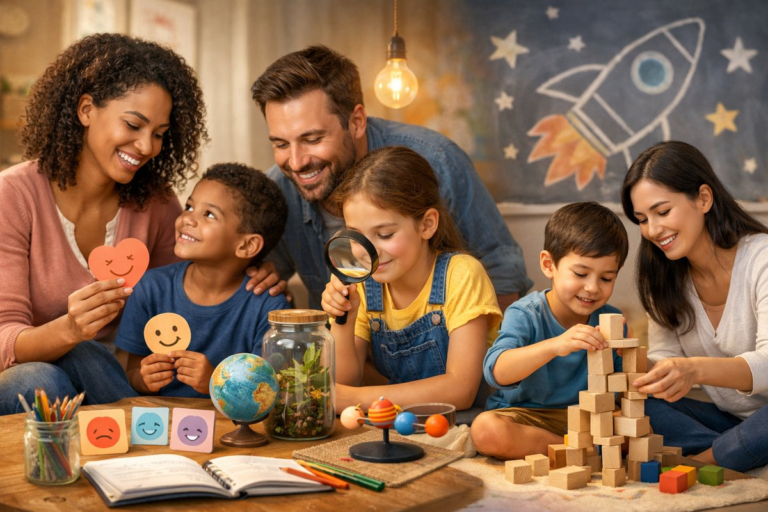
Modern parenting increasingly blends emotional intelligence with educational strategies, creating environments where children thrive intellectually and emotionally. By integrating play, curiosity, and empathy into daily learning, families are fostering resilient, thoughtful thinkers prepared for a complex world.
Parenting and education have long been intertwined, but recent shifts in family dynamics and educational philosophies are reshaping how children learn and grow at home. Rather than viewing education as a rigid, purely academic endeavor, many parents are embracing holistic approaches that honor children’s emotional development alongside their intellectual curiosity. This evolution reflects a broader cultural recognition that nurturing emotional intelligence is as crucial as fostering cognitive skills for lifelong success.
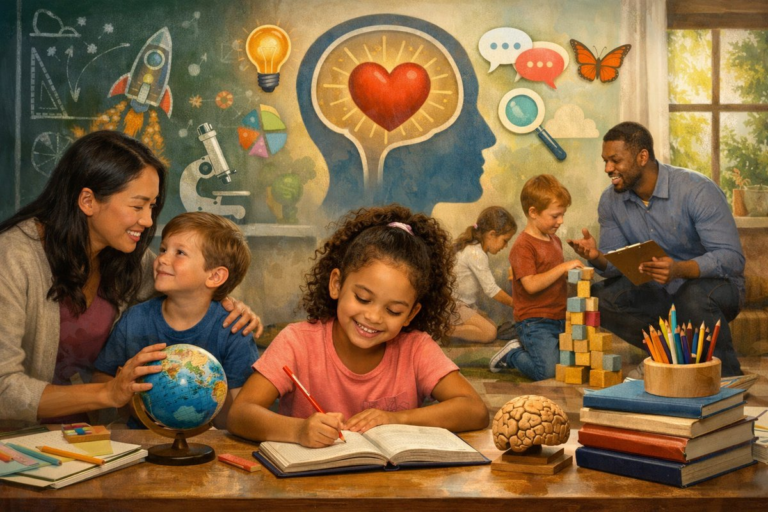
At the heart of this transformation is the understanding that children learn best when they feel safe, valued, and emotionally supported. Emotional awareness and regulation are increasingly woven into learning routines, helping children develop empathy, resilience, and self-confidence. Parents are no longer just facilitators of knowledge transfer; they are emotional guides who help children navigate their feelings while exploring new concepts.
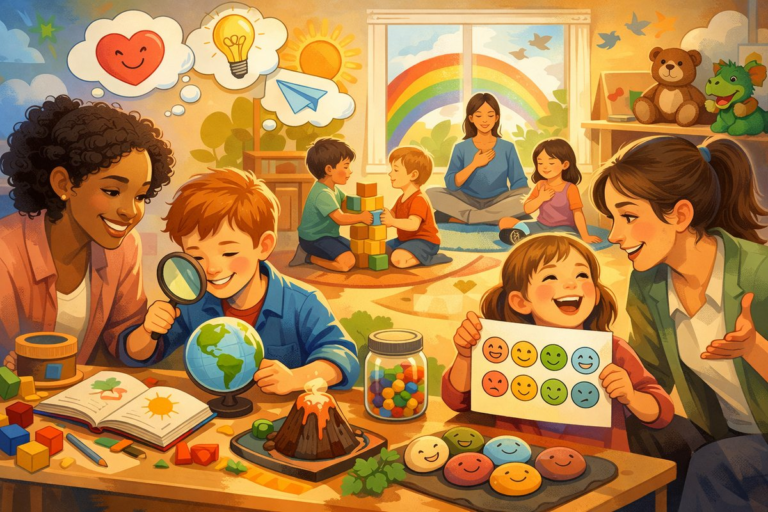
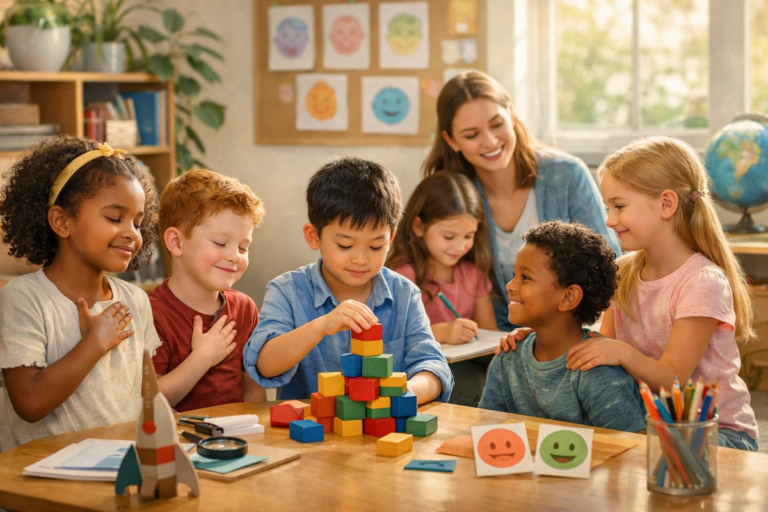
One significant trend is the rise of play-based learning that intentionally incorporates emotional themes. Instead of segregating academic subjects from social-emotional skills, families use games, storytelling, and creative activities to nurture both simultaneously. For example, role-playing scenarios allow children to practice perspective-taking and problem-solving in a low-stress context. Such activities encourage curiosity and critical thinking while also fostering compassion and communication skills.
Technology also plays a nuanced role in this evolving landscape. Families are selective about digital tools, favoring those that promote active engagement rather than passive consumption. Interactive apps and educational games that encourage reflection on feelings or social situations support this dual focus on cognition and emotion. These tools are designed to complement-not replace-the rich, human interactions that form the foundation of emotional learning.
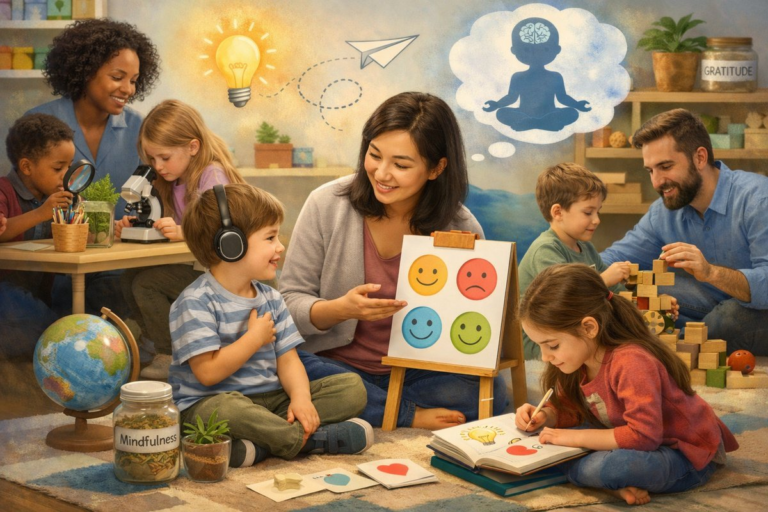
Parents increasingly seek resources that provide both intellectual challenge and emotional insight. Books that explore diverse emotional experiences, science kits that prompt wonder and inquiry, and mindfulness practices adapted for children are becoming staples in home education. These materials empower children to ask questions, explore their inner worlds, and connect their discoveries to real-life contexts.
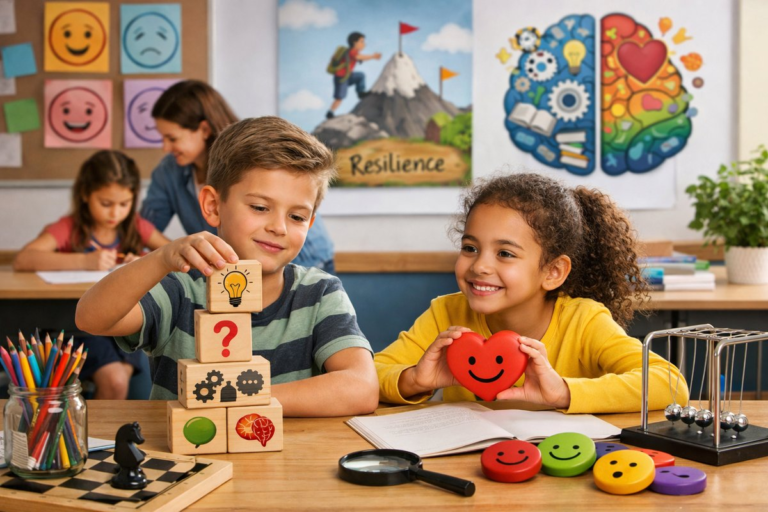
The benefits of this integrative approach extend beyond academic achievement. Children raised in environments that honor their emotional lives alongside their intellectual pursuits tend to develop stronger social skills, better stress management, and a more robust sense of agency. They learn to embrace mistakes as opportunities for growth and to approach challenges with curiosity rather than fear.
Moreover, this parenting style encourages lifelong learning by making education a joyful, meaningful process rather than a chore. When children feel emotionally supported, they are more likely to engage deeply and persistently with learning tasks. Parents report that their children become more self-motivated and enthusiastic learners, eager to explore new ideas and solve problems creatively.
This shift also reflects a commitment to equity and inclusion. By acknowledging and validating a wide range of emotional experiences and learning styles, parents create more accessible and affirming educational environments. This inclusivity helps children from diverse backgrounds feel seen and valued, which is essential for building confidence and belonging.
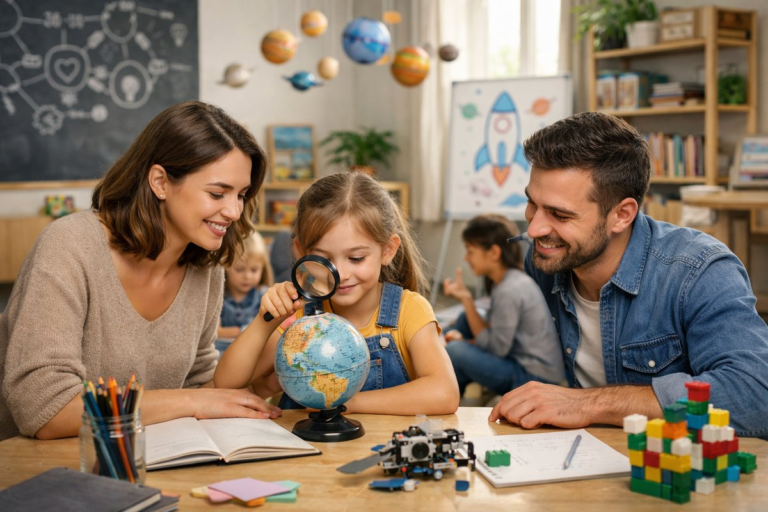
In practice, parents integrate these principles through daily routines that balance structure and flexibility. Morning check-ins about feelings, collaborative decision-making about learning activities, and regular moments of reflection help children develop self-awareness and agency. Parents model emotional regulation and curiosity, demonstrating that learning is a shared journey.
Community support networks and online forums have become vital for parents navigating this approach. Sharing experiences, resources, and challenges fosters a sense of solidarity and collective wisdom. These connections remind families that they are part of a broader movement toward more compassionate, effective education.
As the boundaries between parenting and education continue to blur, the emphasis on emotional intelligence alongside academic skills signals a hopeful future. Children nurtured in this way are better equipped to thrive in an interconnected, rapidly changing world. They carry with them not only knowledge but also the empathy and resilience needed to contribute positively to their communities.
Ultimately, this parenting and educational philosophy honors the whole child-mind, heart, and spirit-celebrating curiosity, agency, and the joy of discovery. It invites families to embrace the messy, beautiful process of raising thinkers who are as emotionally attuned as they are intellectually engaged.