Location
Mount Vernon, WA 98274

Location
Mount Vernon, WA 98274
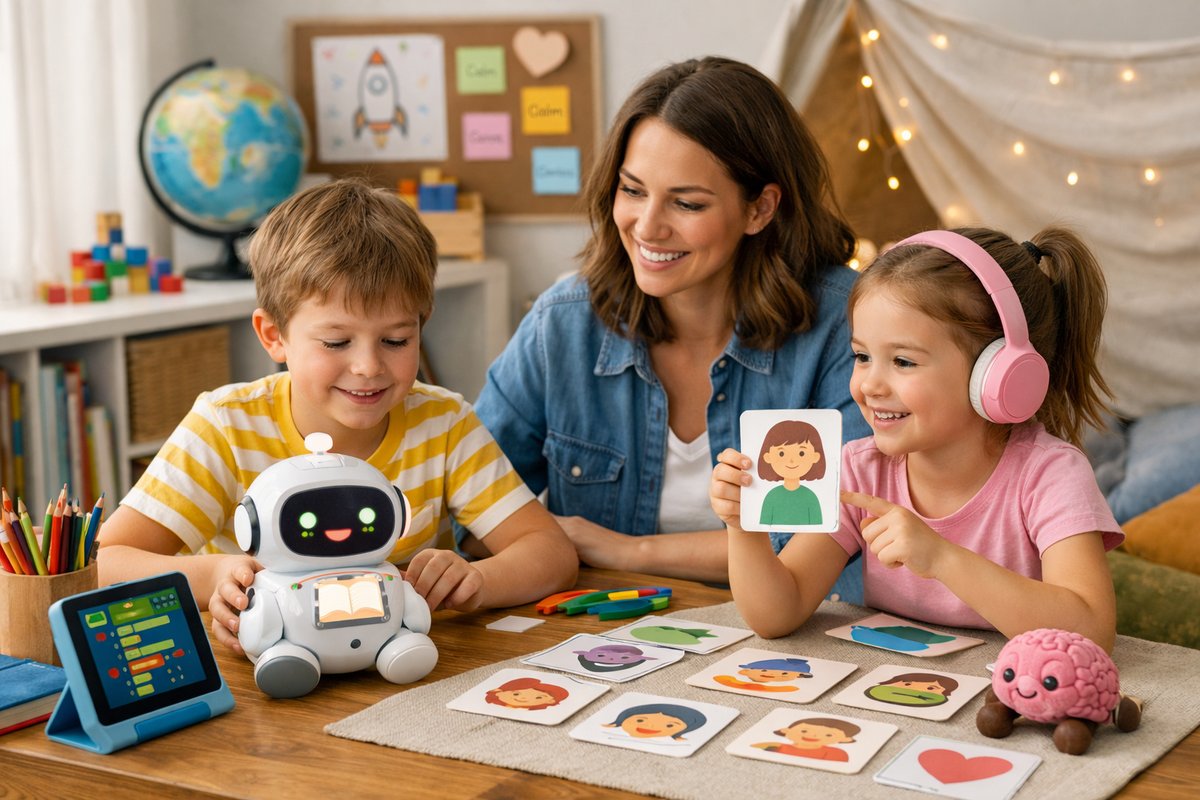
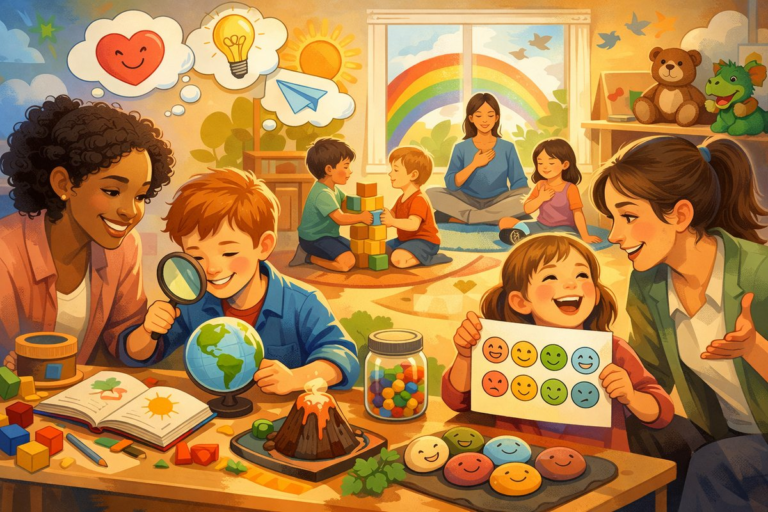
As parents navigate extended at-home learning, new tools are enabling them to foster both academic skills and emotional growth. From programmable robots that tell stories to nuanced feelings flashcards, families are designing personalized learning environments that honor curiosity, agency and self-awareness.
In a cozy living room in Chicago, a third grader sits cross-legged on a patterned rug, carefully snapping colored blocks onto a tiny programmable robot. Each gesture corresponds to a line of code, but the real magic begins when the child programs the bot to act out scenes about kindness and frustration. After the robot delivers a little “stomp” when it’s upset, the parent and child pause to discuss what that feeling might be like at school or on the playground. This blending of coding and conversation has become a daily ritual for many households spotting a new frontier in at-home education.
Across the country, families are assembling learning stations stocked with more than just tablets and textbooks. A recent report from EdTech Digest finds that investments in tools designed to teach both social-emotional skills and STEM concepts rose 25% last year. No longer confined to weekends or occasional electives, emotional intelligence exercises and hands-on science experiments now coexist on kitchen counters, transforming ordinary moments into micro-lessons in self-regulation and logical reasoning.
Scholars have long noted the strong link between emotional well-being and academic success, but only in the past year has that relationship begun to unfold at home with greater intensity. Harvard Graduate School of Education research suggests children who practice naming and managing their feelings at home score an average of 10% higher on problem-solving tasks by year’s end. At the same time, a national survey by the STEM Learning Alliance found two in three parents are seeking off-screen STEM activities that encourage dialogue, rather than silent solo play.
“Parents are powerfully motivated by the idea of raising well-rounded thinkers,” says Dr. Emily Chen, a child psychologist at the University of Michigan. “We’re realizing that curiosity without tools for handling frustration can lead to shutdown, while emotional awareness without outlets for creative problem solving can feel empty. When families bring the two together, they spark deeper engagement.”
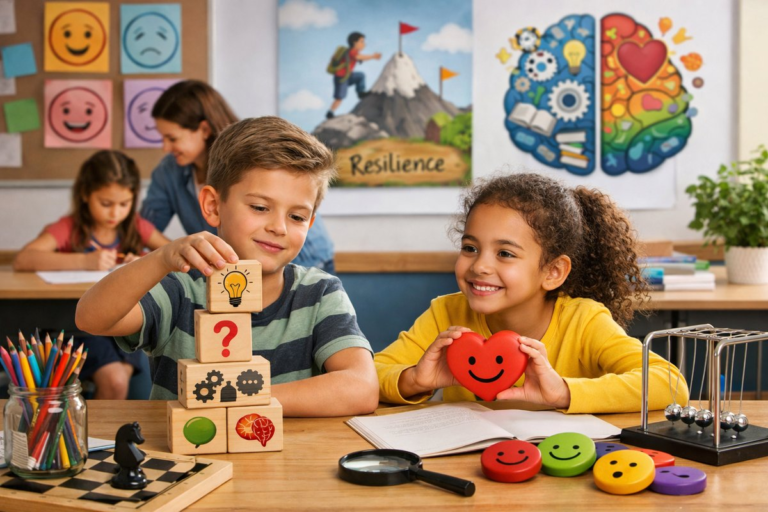
One of the fastest-growing categories in this space is programmable robot kits for children. Designed to be assembled without soldering or small screws, these kits use chunky, color-coded blocks that slot together. As the child connects blocks in sequence, they create a program that can light up LEDs, play a melody or navigate a mini obstacle course. But a subtle twist comes from adding “mood” blocks-pieces coded to signal happy, sad or surprised expressions. Parents report that narrating a robot’s emotional journey invites kids into conversations about self-regulation in ways that feel playful rather than lectured.
In many homes, the rise of emotional STEM play is less about high-resolution screens and more about the overlap of circuits and feelings. One California household describes hosting “robot theater” evenings: after building simple bots, siblings write short scripts in which robots learn to apologize, ask for help or practice calming down when they overheat. These enactments offer a hands-on mirror for children to rehearse social scripts and witness how small changes in tone or timing can reshape an interaction.
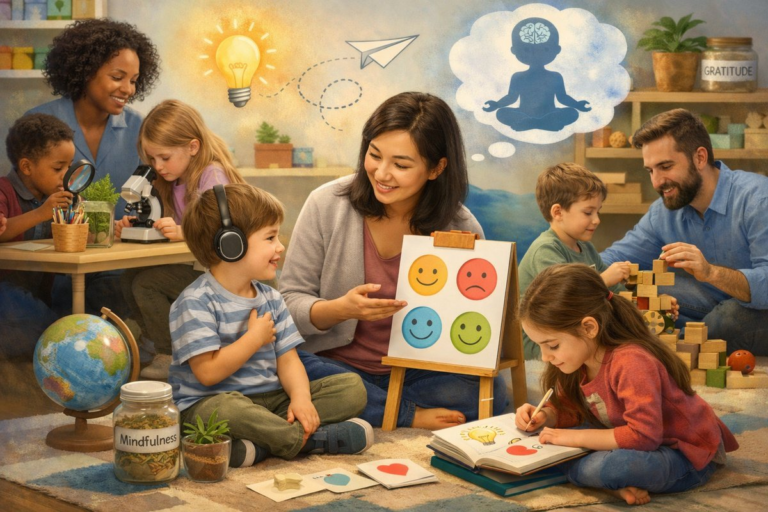
Meanwhile, analog tools remain a cornerstone of home-based emotional learning. Illustrated emotion cards-each depicting a face and a prompt-have been flying off shelves in local toy stores nationwide. A typical deck includes prompts such as “Tell a time you felt proud” or “Show me how you look when you’re unsure.” By drawing a card each morning before breakfast, families report starting the day with deeper connection. Experts say these brief rituals build vocabulary around feelings and help children become adept at spotting emotions in themselves and peers.
But it isn’t all screen-free or code-only. Many parents are setting up adjustable standing easels with dual surfaces-chalkboard on one side, whiteboard on the other-so children can draft circuit diagrams one moment and illustrate a sadness cascade the next. A single space becomes a dynamic hub for math equations, feelings graphs, collaborative storyboarding and reflective journaling. When siblings and friends gather, the easel becomes a stage for role-play, project planning and even impromptu TED-style talks on kindness.
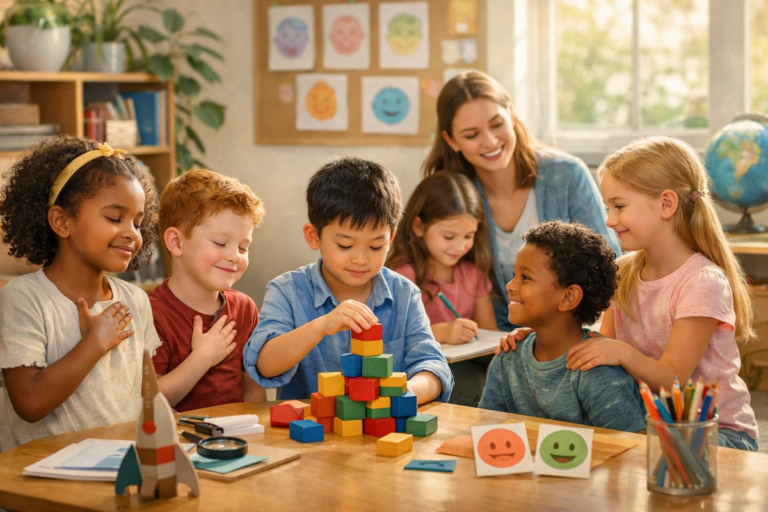
Equally important is the environment in which this learning unfolds. In surveys conducted by the Parenting and Well-Being Institute, parents highlight the value of designated “creativity corners” outfitted with rolling carts of supplies, soft rugs for floor construction and low shelves so kids can load and unload materials themselves. This sense of agency-knowing exactly where crayons, emotion cards or circuit boards live-reduces frustration and builds executive function. When children can control their environment, they learn to manage tasks independently.
At the heart of this shift is a simple parental strategy: co-design. Rather than imposing a rigid schedule, parents set up supply stations and invite children to choose their own projects. One mom in Seattle describes Monday as “Curiosity Day,” where her middle schooler picks between a simple coding challenge, a mindfulness exercise with bells and breathing, or a social-skills game with friends over video chat. She notes that allowing choice reduces resistance and sparks lively discussions about personal learning styles.
The social side of emotionally infused home learning is also taking shape. Grandparents, neighbors and classmates are joining short video circles in the early evening, sharing success stories from the day. One parent names this week’s gathering The Reflection Hour. Participants take turns using a simple talking stick-a paper towel roll wrapped in decorative tape-to describe something they discovered, built or felt proud of. These mini-assemblies mimic the cooperative learning circles of classrooms and strengthen family bonds.
Yet integrating these tools isn’t without its challenges. Many parents wrestle with balancing screen time for coding platforms and video meet-ups with the desire for analog play. To navigate this, experts recommend clear time blocks and a rotating inventory of supplies. When a child spends thirty minutes on a robot code sequence, they might follow it up with fifteen minutes of drawing a “challenge scene” on the easel before returning to the device. This rhythm helps maintain focus and reduces digital fatigue.
As families refine their at-home approaches, they are charting a new course beyond traditional homeschooling or passive screen time. By weaving emotional tools-flashcards, storytelling bots, mindfulness chimes-and STEM activities into daily routines, parents are nurturing both curiosity and compassion. This emerging landscape of emotional STEM play promises to equip children with skills to think critically, empathize deeply and adapt gracefully in a world that increasingly values both innovation and emotional intelligence.