Location
Mount Vernon, WA 98274

Location
Mount Vernon, WA 98274
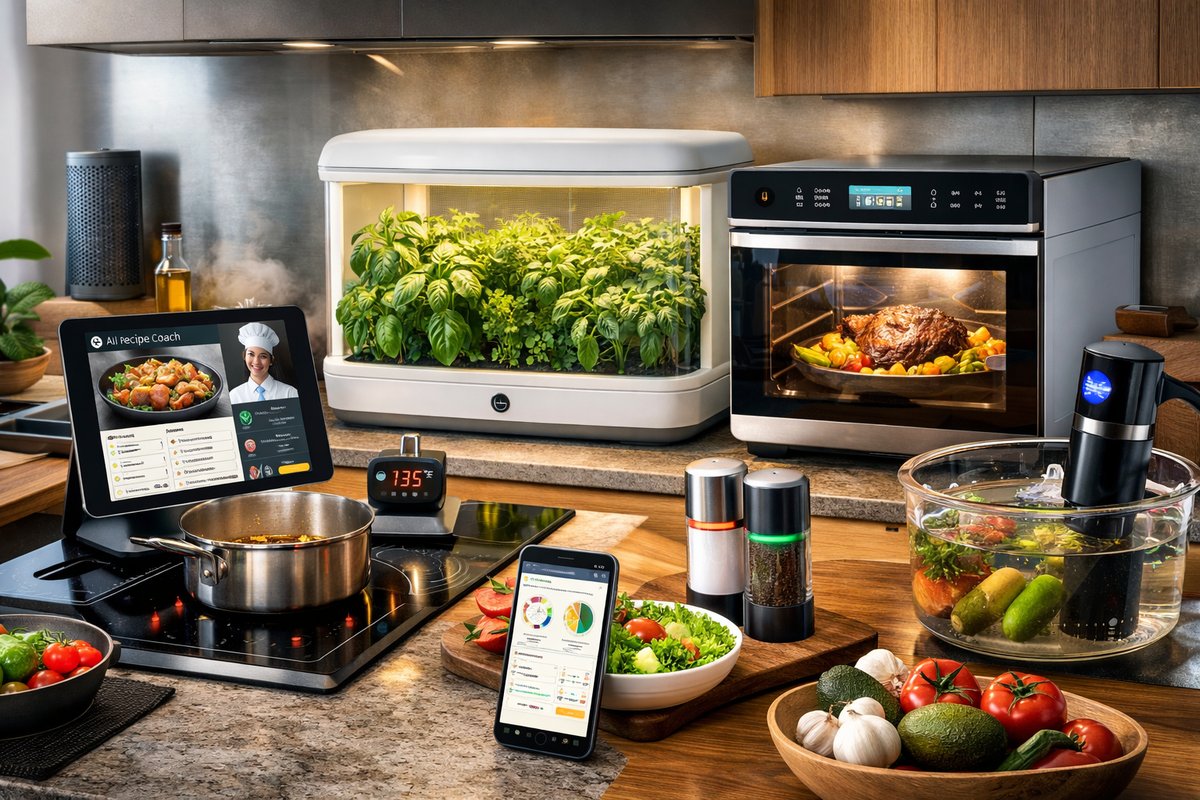
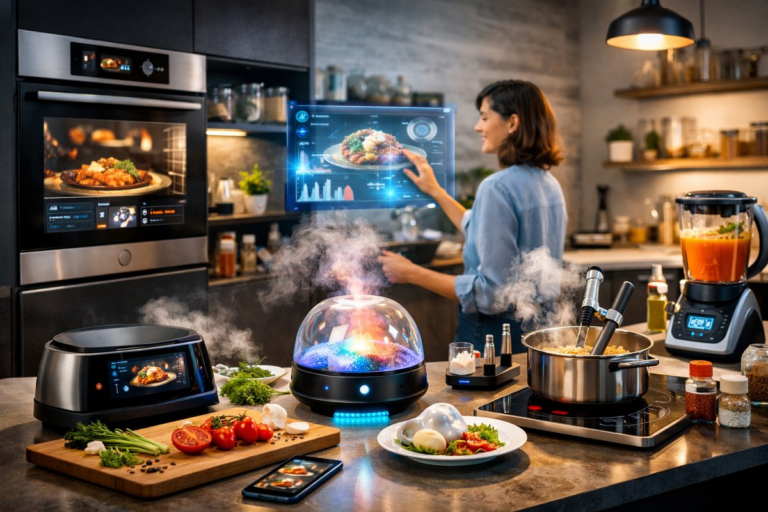
From AI-guided recipe coaches to hydroponic herb gardens, the kitchen is entering an era where smart tools and data-driven techniques redefine flavor, efficiency, and sustainability. Explore the latest innovations that are turning everyday meals into culinary adventures.
Home cooks are no strangers to gadgets, but a new wave of kitchen technology is elevating culinary practice from routine to radical. Sensors, automation and data analytics are moving beyond novelty and into the heart of flavor development, sustainability and ritual. Whether it’s a precision bath gently coaxing proteins to their ideal texture or an AI-driven coach refining each recipe step, contemporary kitchen devices invite curiosity and playfulness. This cultural shift is rewriting how we shop, prep and plate-and encouraging curious cooks to embrace experimentation.
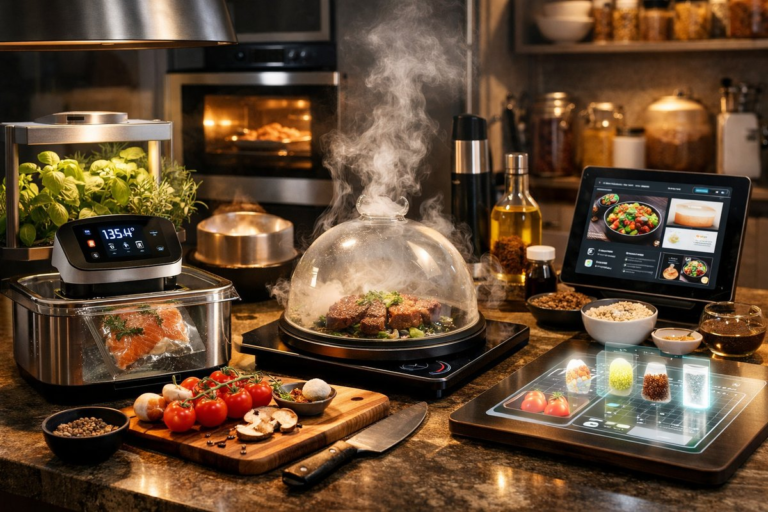
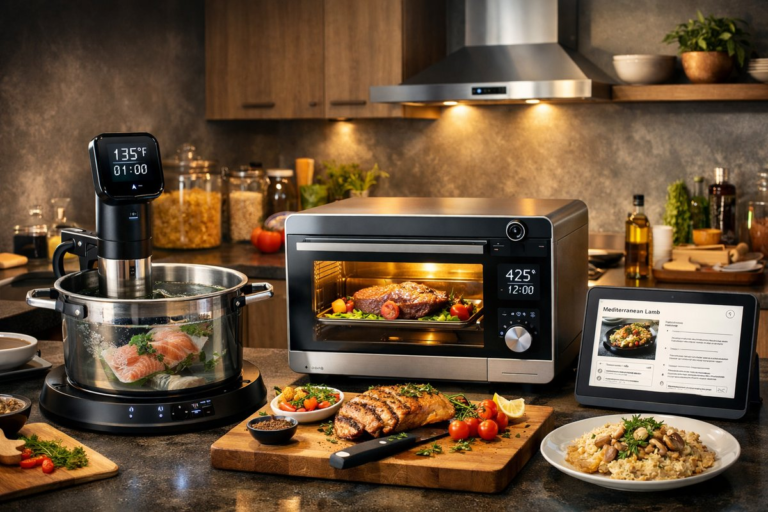
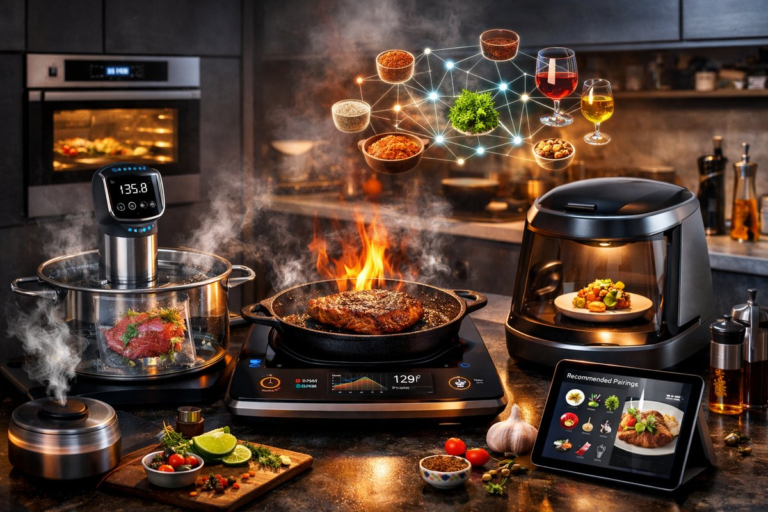
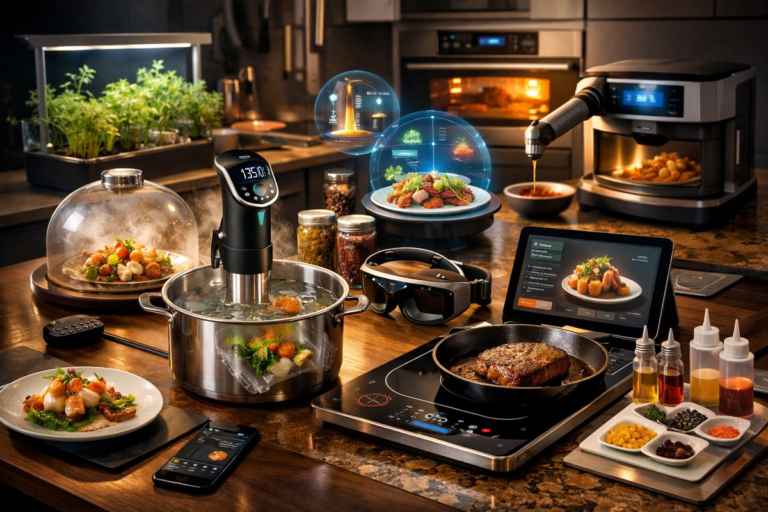
At the forefront of this movement are sensor-driven appliances that ensure consistency down to the tenth of a degree. Immersion circulators, long prized by professional chefs, now connect to smartphone apps that anticipate natural variations in water temperature as pots heat up. By constantly fine-tuning power and flow rates, these gadgets deliver the same tender steak or flaky fish filet every time. No longer reserved for high-end restaurants, affordable precision cookers are turning humble kitchens into test labs for slow-cooked perfect proteins.
Imagine a Sunday brunch where salmon fillets emerge pink and buttery at exactly 122°F, or a roast chicken that retains juiciness at every corner. In a recent pilot at a food innovation studio, home cooks equipped with sensor-based circulators reported a 65 percent reduction in wasted meat due to overcooking. App notifications pinged when water levels dropped below safety thresholds, and automatic shutoffs prevented sudden heat spikes. The result was a surge in confidence among novice cooks and repeatable restaurant-style results in less time.
Weighing and measuring ingredients is another data frontier. Traditional kitchen scales have graduated to devices with built-in cameras and object recognition. Point the scale’s lens at a chopped carrot, and it instantly logs weight, volume and nutritional breakdown. Recipe platforms link that data to diet goals, calorie counts and shopping lists. This integration has proved invaluable for families tracking dietary restrictions as well as experimental chefs exploring new flavor pairings through precise micro-measurements.
Consistency in baking, where a few grams can make or break a loaf, is now within reach for anyone with a smart scale. Home bakers report more reliable crumb structure, even when experimenting with alternative flours like sprouted grain or legume blends. When an oat-based sourdough last year failed to rise, a scale’s log revealed that humidity fluctuations had skewed hydration ratios by five percent-insights that manual eyeballing might never uncover.
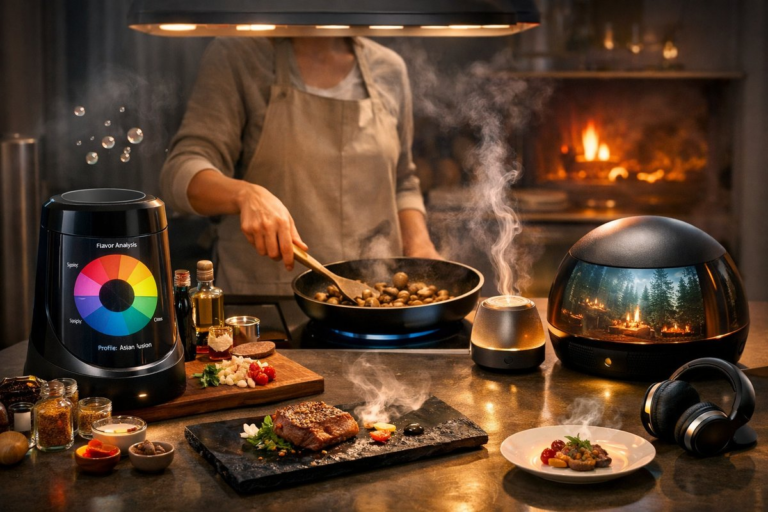
Beyond heat and weight, kitchen innovators are tapping into chemical profiles. Emerging recipe apps analyze ingredient databases for flavor compound compatibility. Algorithms draw on food science research to suggest pairings that go beyond classic matches-lavender with citrus zest to brighten roasted root vegetables, or toasted fenugreek with honey-drizzled squash. These data-infused experiments inspire even seasoned cooks to think like flavor scientists.
Fermentation, once the province of artisan food makers, has also felt the impact of high-tech tools. Compact sensory devices monitor pH, temperature and gas composition inside sealed crocks. Smartphone alerts signal when a homemade kimchi batch reaches its peak tang, or when kefir grains need fresh milk. In kitchen incubators, optical sensors gauge the density of kombucha cultures, ensuring a balanced effervescence without the guesswork. Early adopters praise the precision: no more bitter over-fermented pickles or underdeveloped vat brines.
In one community-powered project, home brewers linked fermentation sensors to an open-source dashboard, sharing real-time data on thousands of kombucha and sauerkraut cultures. Patterns emerged: households with higher ambient humidity achieved faster lacto-fermentation, while those in cooler climates benefited from gentle heating pads integrated into the sensor kits. This collective learning accelerates best practices and deepens the communal spirit of home fermenting.
Sustainability is a guiding principle in the latest countertop marvels. Indoor hydroponic gardens bring fresh herbs, microgreens and even edible flowers to any kitchen, year-round. Towering LED modules and recirculating water ensure minimal waste while delivering nutrient-rich produce within weeks. For cooks tired of brown basil stems or withering parsley, these self-contained ecosystems offer a perpetual harvest that pairs perfectly with seasonal menus.
More than just decoration, backyard and indoor gardens integrate with meal planning apps to suggest recipes based on available harvest yields. When basil leaves reach their prime, an app might recommend a creamy pesto pasta or a tangy vinaigrette for summer salads. The result is zero-mile greens that retain maximum flavor, aroma and antioxidants. Some urban dwellers report cutting half of their grocery store herb purchases within months of installing a hydroponic kit.
Food waste reduction technologies are also gaining traction. Smart compost bins monitor moisture and temperature, optimizing breakdown rates and alerting users when materials need turning or drying. Instead of odors and fruit flies, kitchens stay fresh and diversion rates to landfill increase dramatically. Data-driven habit tracking encourages households to compost more by quantifying carbon savings in the companion app-turning an often-neglected chore into a meaningful green ritual.
Robotic assistants are no longer science fiction either. At specialty cooking shows, prototype arms chop, stir and flip under programmable routines. While full-scale automated kitchens remain expensive, modular add-ons for stir-fry stations and pancake flip griddles are trickling into early adopter homes. These helpers can maintain constant agitation for custards or polentas-tasks that typically tie a cook to the stove for long stretches.
One experimental startup recently showcased a robotic ladle that dynamically adjusts stirring speed based on continuous viscosity readings, producing silky custards in half the time. Though not yet ubiquitous, these appliances point toward a future where repetitive tasks yield to automation, granting cooks freedom to focus on creativity and presentation.
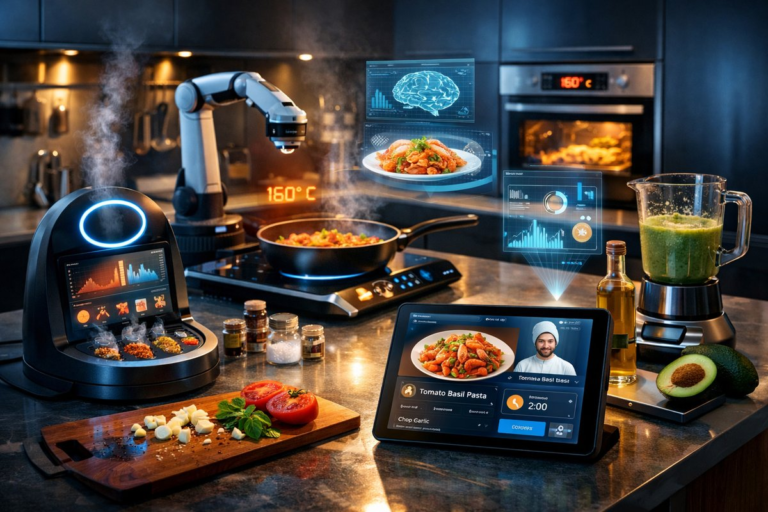
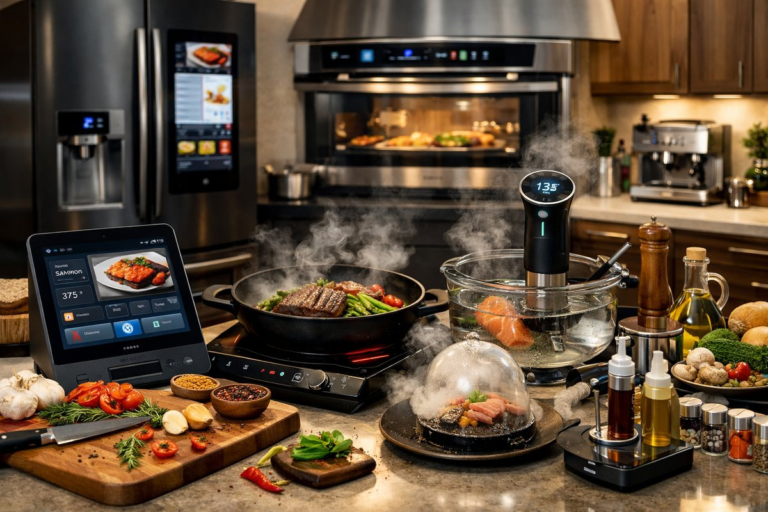
Voice-activated recipe assistants have also matured. Kitchen displays now integrate AI to guide cooks step-by-step, answering clarifying questions and adjusting times based on real-time conditions. If your mixer overheats or the skillet cools too quickly after adding oil, the system flags the discrepancy and recommends a remedial action-raise the burner by a notch or pause to preheat for thirty seconds.
These digital sous-chefs foster a deeper understanding of cooking principles, not just rote directions. Users report increased kitchen confidence, as the system demystifies heat management and timing. For novice cooks, that translates into more consistent success and a willingness to tackle complex dishes-risottos, multi-component tapas and layered tarts become attainable challenges instead of daunting projects.
Looking ahead, more radical ideas are edging closer to home use. At specialty food expos, 3D food printers demonstrated edible designs ranging from geometric chocolate lattices to vegetable-puree mosaics. While early models handle only purées and gels, advances in multi-ingredient extrusion hint at personalized nutrition on demand-snacks formulated for specific vitamin targets or texture preferences.
Molecular gastronomy tools are also shrinking for the countertop. Miniaturized vacuum chambers for spherification, handheld rapid-coolers for flash crystallization and pocket-sized emulsification guns bring laboratory techniques into everyday cookery. As these gadgets become more affordable, home chefs will explore texture and presentation in ways previously reserved for fine-dining kitchens.
Even edible sensors may soon signal when boiling water reaches a rolling tumult or when caramel has hit its ideal amber hue. Colorimetric tags embedded in silicone spatulas and whisk handles could change shade to indicate temperature thresholds, transforming tactile feedback into an instant visual cue.
The convergence of precision, connectivity and sustainability suggests that kitchen technology is more than trendy gear. It’s an invitation to rediscover everyday cooking as an act of exploration. By blending data with taste, automation with artistry and green principles with indulgence, the latest gadgets craft a kitchen ethos that values curiosity, environmental stewardship and emotional intelligence. In this evolving landscape, the simple act of preparing a meal becomes a moment of delight-where flavor truly is adventure.