Location
Mount Vernon, WA 98274

Location
Mount Vernon, WA 98274
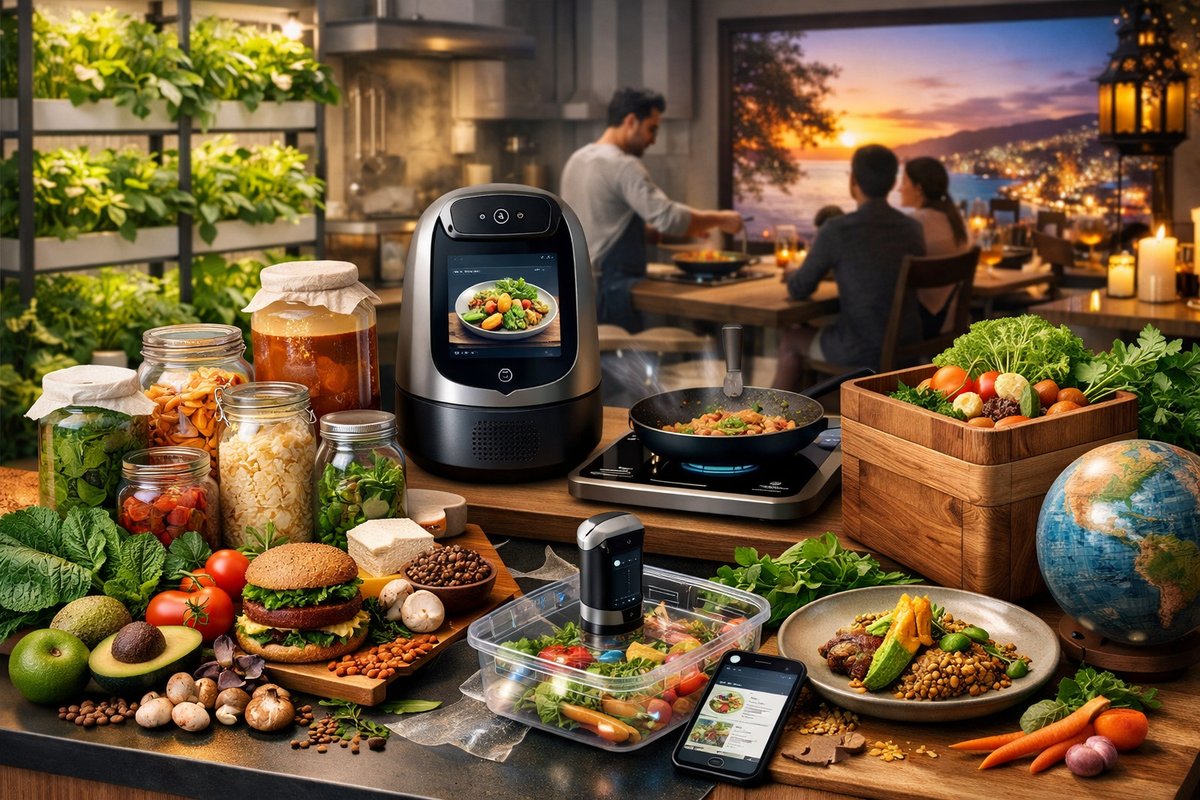
From the resurgence of home fermentation to AI-powered cooking assistants, a wave of culinary innovation is reshaping how we prepare, share, and enjoy food. Sustainability, technology, and cross-cultural exchange converge in a dynamic kitchen landscape that spans plant-based breakthroughs, zero-waste sensibilities, and immersive at-home dining experiences.
A quiet revolution is unfolding in kitchens around the globe. Once driven by tradition and family recipes, our culinary landscape now pulses with innovation-from the jars of bubbling ferments lined on windowsills to Wi-Fi-enabled ovens that adapt cooking times on the fly. Consumers and professional chefs alike are embracing a fresh ethos: cook with purpose, source with conscience, and celebrate the rich tapestry of global flavors.
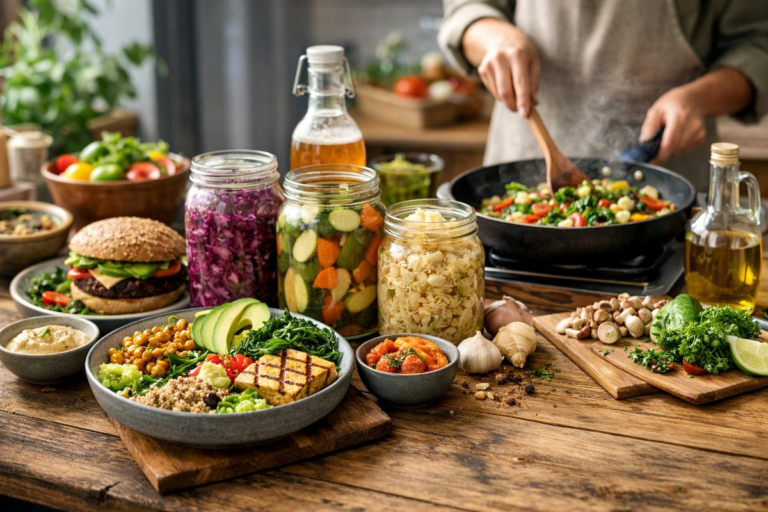
One of the most visible shifts has been the fermentation renaissance. What began as a pandemic pastime-bubbling sourdough starters on every countertop-has evolved into a full-blown fermentation movement. Kimchi, kombucha, miso and lacto-fermented vegetables now share shelf space with jars of homemade hot sauce. The global fermented foods market is expected to reach tens of billions of dollars in the next few years as home cooks and small producers tap into probiotics, tangy flavor profiles, and the hands-on satisfaction of nurturing living cultures. DIY fermentation kits and starter cultures have become gateway tools for anyone curious about introducing depth and umami to their dishes.
Parallel to the revival of ancient techniques, plant-based cuisine has exited the fringes and greeted the mainstream. Once limited to tofu and veggie burgers, the category now encompasses pea-protein seafood alternatives, cell-cultured chicken, and creamy dairy replacements made from nuts, seeds, and even cultured microbial fats. Research firm data shows that plant-based meat alternatives will account for a significant share of the global protein market within the next decade. This surge reflects heightened awareness of climate impact, animal welfare, and personal health-yet it also owes much to culinary creativity. Restaurants are crafting jackfruit carnitas, mycoprotein-driven filet mignon substitutes, and “faux gras” spreads that mirror the richness of traditional counterparts.
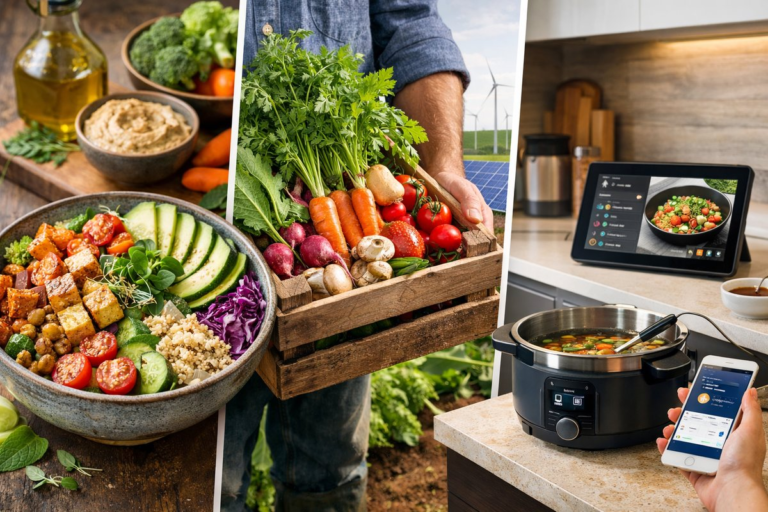
At the heart of many of these developments lies technology. Smart kitchen appliances have evolved beyond mere timers and thermostats. Today’s connected ovens adjust heat zones through integrated temperature probes and smartphone apps. Immersion circulators for sous-vide precision cooking deliver restaurant-quality results without guesswork. Even digital recipe platforms harness machine learning to suggest ingredient swaps for dietary restrictions or flag sustainability scores based on sourcing data. Home cooks can now scan a barcode on a packaged item to access carbon-footprint metrics or trace origin points via blockchain-powered tracking.
Sustainability has crept into every corner of the pantry and fridge. Upcycled foods-snacks and ingredients crafted from byproducts of larger food processes-are popping up in grocery aisles. Edible packaging innovations, from seaweed-based wrappers to water-soluble films, promise to reduce single-use plastics. On the home front, countertop composters and compact worm farms turn vegetable scraps into soil-enriching material in a matter of days. Chefs at farm-to-table eateries champion nose-to-tail butchery and root-to-stem vegetable cooking, finding artistry in ingredients once destined for the bin.
Yet innovation is not confined to professional or eco-conscious kitchens. A new breed of meal-kit services and virtual cooking classrooms caters to experiential dining at home. These offerings deliver pre-measured ingredients and step-by-step video tutorials for homemade ramen, African-style stews, or artisanal pastry projects. Some services provide live feedback through video chat, turning solitary cooking into an interactive workshop. With social-distancing era hangovers still lingering, these experiences balance convenience with connection.
Cultural exchange continues to expand palates in unexpected ways. West African spice blends like suya powder and fermented locust bean condiments have gained traction in home pantries. Indigenous Andean grains such as teff and quinoa are staples rather than niche curiosities. Flavors from Southeast Asia’s fermented shrimp pastes to Middle Eastern preserved lemons have become mainstream seasoning agents, enriching everything from salads to cocktails. Culinary influencers and grassroots communities champion these traditions, often collaborating directly with small-scale producers to ensure fair trade and authentic representation.
Parallel to flavor exploration, consumers are seeking function in every bite. Adaptogenic herbs like ashwagandha and medicinal mushrooms such as reishi or lion’s mane appear in lattes, broths, and confections. Turmeric-ginger blends marketed for their anti-inflammatory properties compete with collagen-infused snacks. Gut-health remains a top priority, driving the rise of prebiotic fiber powders and shelf-stable probiotic supplements. This emphasis on wellness dovetails with the fermentation craze, as more people embrace daily doses of live cultures for digestive balance.
Behind the scenes, the restaurant industry itself is reconfiguring. Ghost kitchens-delivery-only operations without dining rooms or storefronts-proliferate in urban centers. These lean-footprint kitchens allow entrepreneurs to test new concepts quickly and scale digitally. Cloud-kitchen platforms aggregate orders from multiple brands under one roof, optimizing labor and reducing overhead. The trade-off is a diminished in-person dining ritual, but for many urban diners, convenience and variety outweigh the loss of ambiance.
Looking ahead, a few nascent trends hint at what might be on our plates next. 3D food printing-once a sci-fi novelty-is inching toward commercial viability, promising intricate shapes and customized nutrition. Edible insect proteins, from cricket flour to mealworm powders, are poised for broader acceptance as legume-alternative protein sources. Blockchain traceability is gaining traction among fish and meat suppliers, offering consumers transparent supply chains. And personalized nutrition platforms, fueled by AI analysis of genetic, microbiome and lifestyle data, aim to deliver tailor-made meal recommendations down to the micronutrient level.
In the swirl of emerging tools, ingredients and philosophies, three guiding principles stand out: sustainability, inclusivity and innovation. As home cooks become ferment-masters, as restaurants embrace high-tech and small communities champion ancient grains, our shared table grows richer and more diverse. The kitchens of tomorrow will be guided by data and driven by heart, uniting environmental stewardship with cultural respect. By celebrating heritage flavors alongside cutting-edge techniques, we’re forging a culinary future that nourishes not only our bodies, but our connection to planet and people alike.