Location
Mount Vernon, WA 98274

Location
Mount Vernon, WA 98274
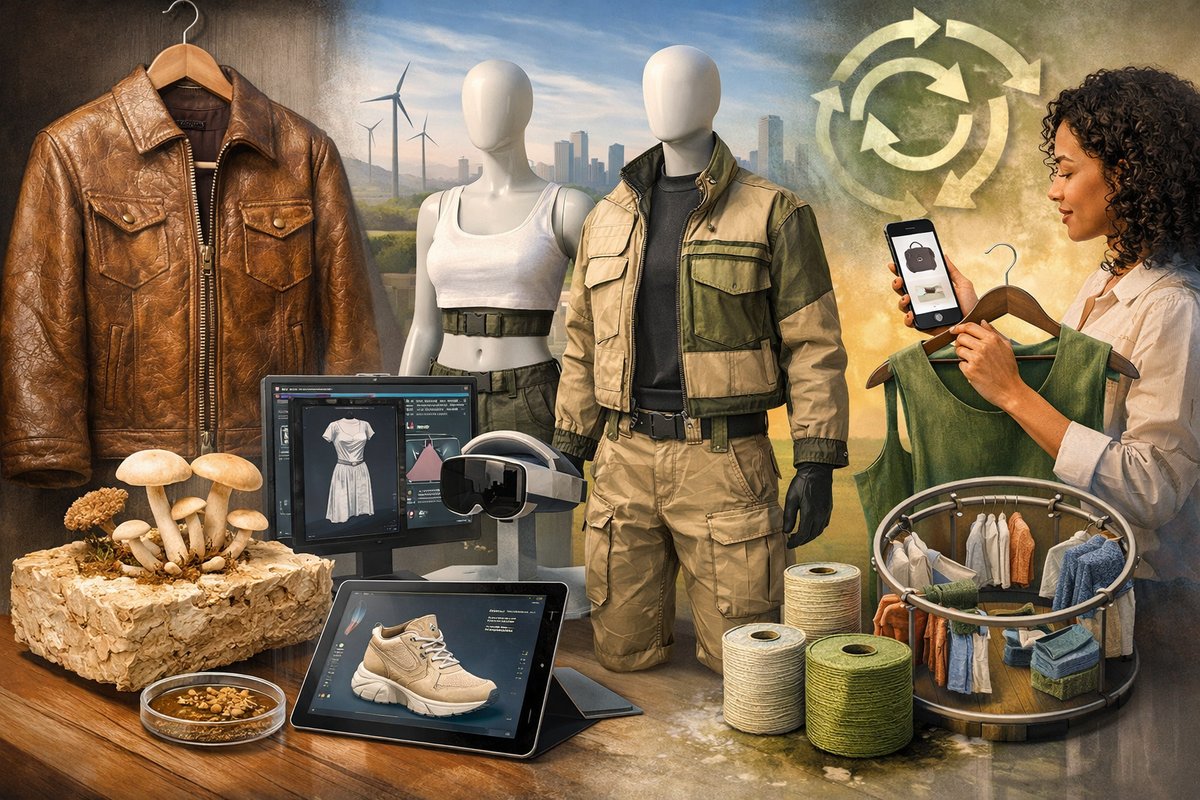
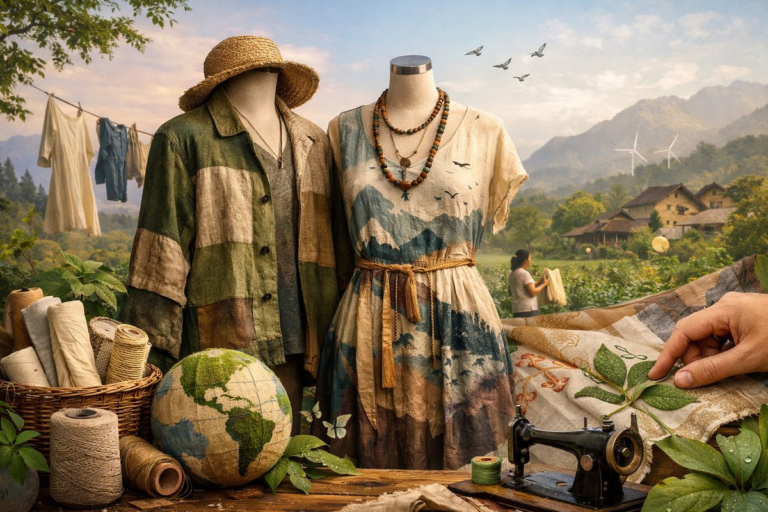
From fungi-grown leather to modular silhouettes and peer-to-peer rentals, the fashion industry is weaving sustainability, technology, and community into every stitch. This report explores the emerging innovations in materials, digital design, and circular business models reshaping apparel's next chapter.
As concerns over climate impact and resource scarcity mount, the world of fashion is undergoing a radical transformation. Gone are the days when runway glamour eclipsed environmental costs. Today’s designers, manufacturers, and consumers are collaborating on new systems that prioritize longevity, transparency, and social equity. This movement unites cutting-edge science, agile craftsmanship, and digital platforms to create garments that carry stories-from the farm to the final stitch-and invite wearers to express their values through their wardrobes.
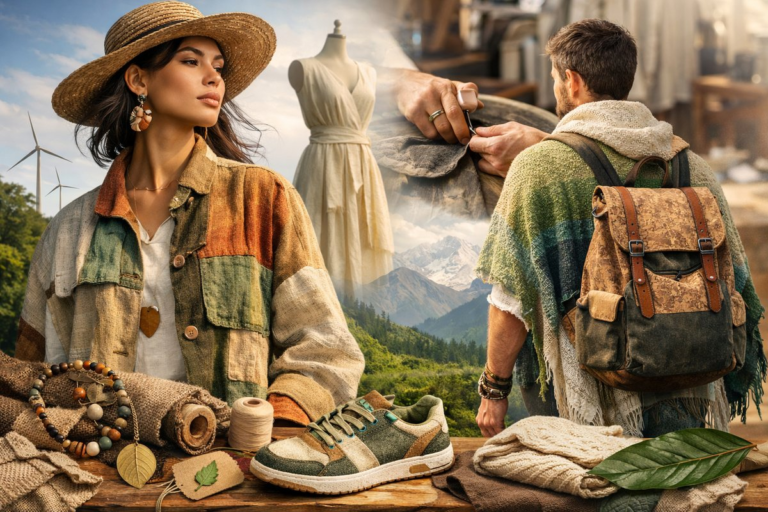
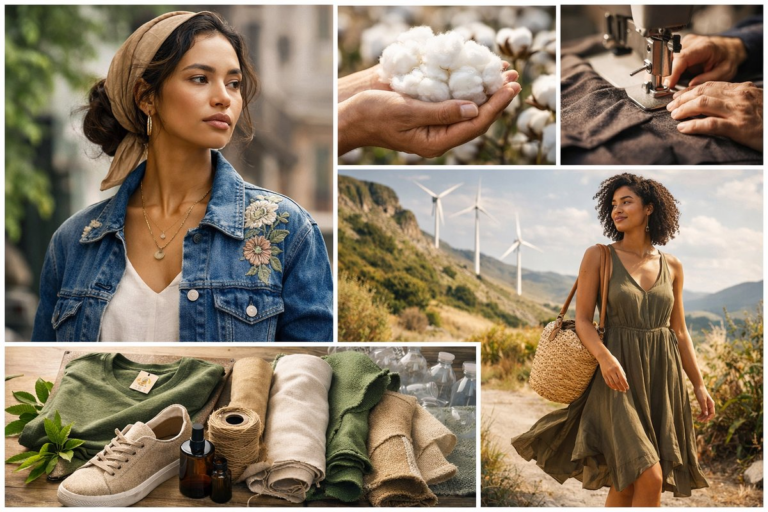
The material revolution at the heart of sustainable fashion has accelerated dramatically in the last two years. Traditional animal leathers and petrochemical-based synthetics are being challenged by mycelium-derived alternatives grown in labs, bacterial pigment dyes that require zero harsh chemicals, and closed-loop fibers spun from recycled textiles. Firms scaling up mycelium leathers report that a single .9-square-meter growth chamber can yield enough leather for several jackets, all without greenhouse gas emissions tied to livestock. Meanwhile, labs harness soil microbes to produce vibrant blues and reds, slashing water use by as much as 80 percent compared to conventional reactive dye processes. These breakthroughs are already turning heads on fashion weeks in Paris, Shanghai, and New York, where prototypes of bomber jackets, boots, and handbags crafted from mushroom skin are earning critical acclaim for their supple texture and refined finish.
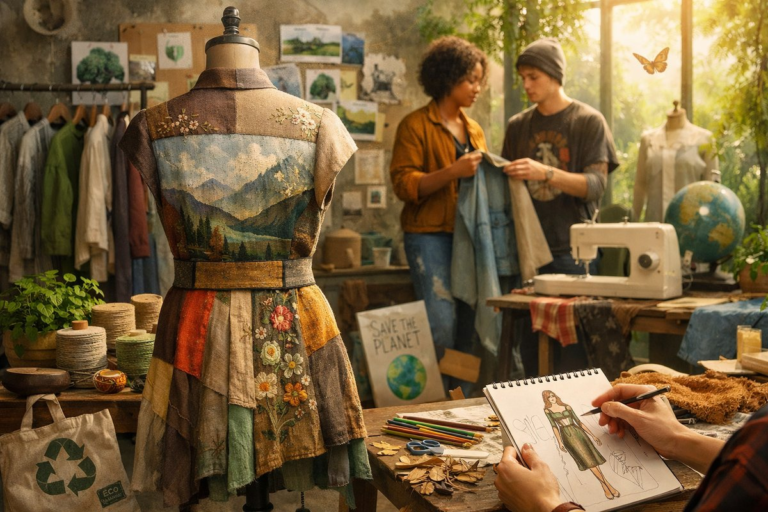
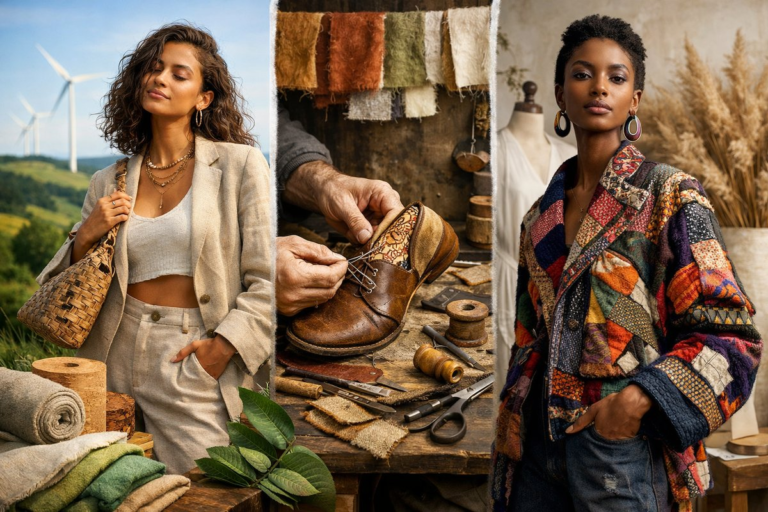
Beyond novel materials, the rise of modular clothing design offers a new paradigm in personalization and circularity. Brands are launching pieces with detachable sleeves, interchangeable collars, and reversible panels, enabling consumers to refresh a single base garment into multiple distinct looks. A trench coat with clip-on accent straps can morph into a vest, a wrap skirt can toggle between midi and mini lengths, and zip-off sleeves let a jacket transition seamlessly from autumn chill to spring breezes. This concept dovetails with zero-waste pattern cutting-optimizing every square centimeter of fabric-and invites wearers to assemble, reconfigure, or even swap components with friends. By extending a garment’s style lifespan, modular design reduces the cycle of disposal and repurchase, while nurturing deeper emotional connections between people and their clothes.
Digital innovation is supercharging this creative reconfiguration. Virtual try-on technology powered by augmented reality and 3D body scanning now lives both in apps and in flesh-and-blood flagship stores. Shoppers can see pixel-perfect draping on a 360-degree avatar calibrated to their unique measurements. When integrated with modular product lines, this digital layer guides users through mix-and-match options, previews custom color treatments, and tracks fit data over time. Meanwhile, blockchain-based traceability certificates embed every step of a garment’s journey-harvested organic cotton fields, responsible dye houses, local sew-shops-into an immutable ledger. Consumers can simply scan a QR code on the label to verify carbon footprints, water use, and fair-wage compliance. As transparency becomes table stakes, early adopters in luxury and mass-market segments alike are weaving traceable QR tags into seams and care labels.
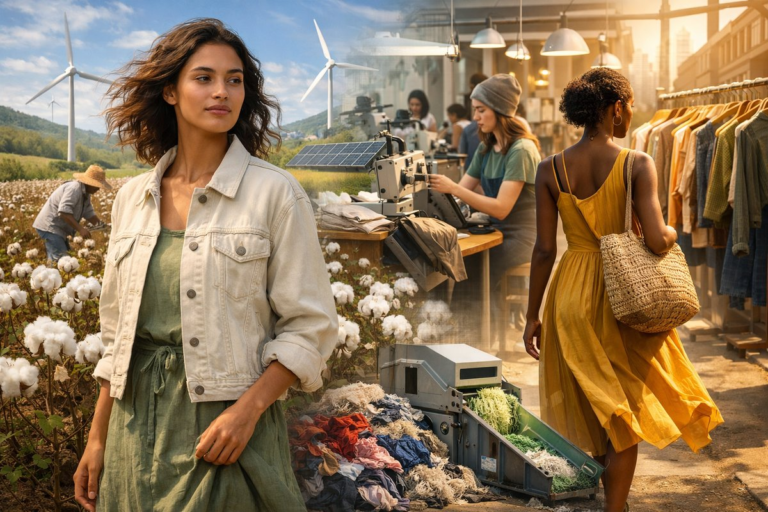
Circular business models are also gaining momentum. Traditional buy-and-toss cycles are giving way to subscription rentals, peer-to-peer wardrobes, and take-back recycling schemes. Fashion-tech startups in Europe and North America are building rental marketplaces where individuals list high-quality garments for short-term hire, incentivized by revenue sharing and plastic-free dry-cleaning credits. On these platforms, a weekend party dress, a tailored blazer, or a designer bag can circulate through dozens of wardrobes before returning to its owner. Major retailers are experimenting with garment repair clinics-pop-up stations offering on-demand mending, resizing, and upcycling classes-to embed care and creativity into the customer experience. At the same time, recycling programs are deploying collection bins in stores for post-consumer textile take-back. New chemical recycling methods promise to break down polyester blends into their original monomers, enabling true cradle-to-cradle loops.
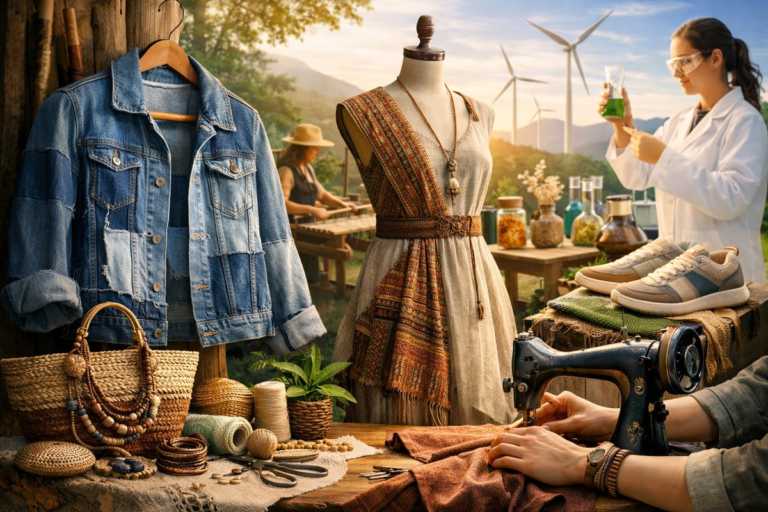
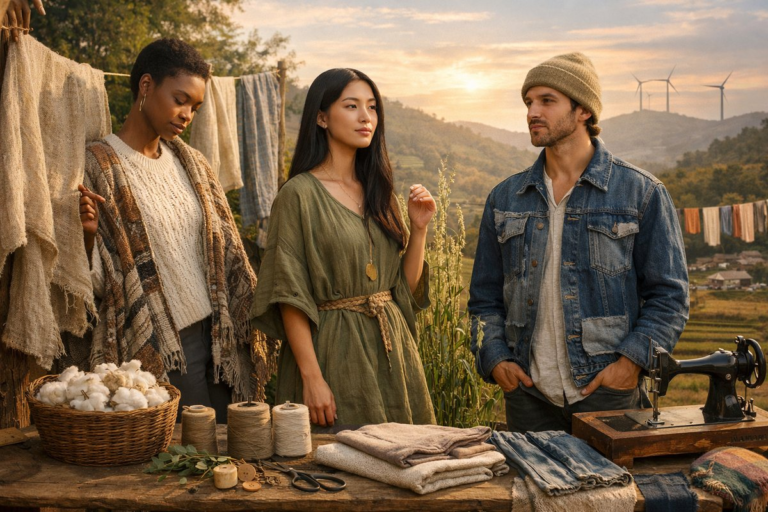
These shifts are not confined to high fashion. Community-driven clothing initiatives in urban centers and rural regions are placing artisanal skills, local traditions, and ethical labor practices front and center. In small coastal towns, cooperatives are reviving handloom weaves once threatened by industrialization, dyeing threads with indigenous plant extracts and teaching youth the art of zero-waste pattern drafting. In desert regions struggling with water scarcity, designers are cultivating drought-tolerant fibers such as hemp and cactus silk, producing lightweight, breathable fabrics that require minimal irrigation. Such grassroots movements underscore the importance of cultural heritage, social resilience, and biodiversity in building a truly sustainable fashion ecosystem.
Yet challenges remain. Scaling these innovations to meet global demand requires investment in new manufacturing infrastructure, talent retraining, and regulatory frameworks that reward circular practices. Supply-chain complexities can erode margins, while consumer education must keep pace with proliferating labels, certifications, and digital credentials. At the retail level, seamless integration of rental, resale, and repair services demands robust logistics and reverse-logistics networks. And as digital twins and virtual wardrobes take hold, questions around data privacy, cybersecurity, and equitable access to technology come into sharper focus.
Nevertheless, the convergence of scientific breakthroughs, digital tools, and community-centered commerce signals a pivotal turning point. Fashion is no longer solely about seasonal collections or marketing narratives; it’s evolving into a dynamic system where every stakeholder-from farmer to maker to wearer-shapes the story, value, and impact of each stitch. As brands and consumers alike embrace circularity as a design ethos rather than an afterthought, the industry edges closer to a future where style and sustainability walk hand in hand.
In this landscape, individual choices resonate far beyond personal wardrobes. Opting for a modular jacket that adapts through seasons, subscribing to a peer-to-peer rental platform, or simply learning to mend a seam at home becomes an act of environmental stewardship. Each garment transforms into a living archive of human ingenuity, ecological consciousness, and social respect. By wearing our values, we not only express identity but also contribute to a collective blueprint for a more regenerative, transparent, and inclusive fashion future.
What began as a trickle of eco-friendly brands has become a tidal wave of inventive solutions. From botanical dyes to blockchain-backed labels, from fungal leathers to zero-waste couture, the narrative of clothing is being rewritten. And as these innovations scale, the true cost of fashion-measured in resource use, social equity, and planetary health-will finally factor into every thread. For consumers, designers, and policymakers, the question is no longer whether fashion can change, but how swiftly and boldly each of us will collaborate to stitch together a resilient tomorrow.
This is the new renaissance of style: a tapestry woven from science and soul, community and craft, digital dexterity and ethical rigor. In this era, garments carry not only color and cut but also purpose and promise. And as the runway broadens to include circular systems, we discover that the most lasting trends are those that honor both people and planet.
Embracing this shift means thinking beyond mere wardrobe curation. It requires curiosity to explore bacterial dyes, openness to modular design, and empathy for artisans whose livelihoods anchor each garment in human history. It demands emotional intelligence to understand that clothing choices ripple through ecosystems and communities. Ultimately, it calls on all of us to wear our values visibly-transforming fashion from a symbol of status into a platform for positive change.
The threads of tomorrow are already here. By blending regenerative materials, digital transparency, and circular commerce, the industry is crafting garments that tell richer stories and leave gentler footprints. As these innovations evolve, every closet becomes a microcosm of global responsibility and creative possibility. And in this mosaic of modular jackets, microbial dyes, digital avatars, and shared wardrobes, the future of fashion looks not just stylish, but sustainable and soulful.