Location
Mount Vernon, WA 98274

Location
Mount Vernon, WA 98274
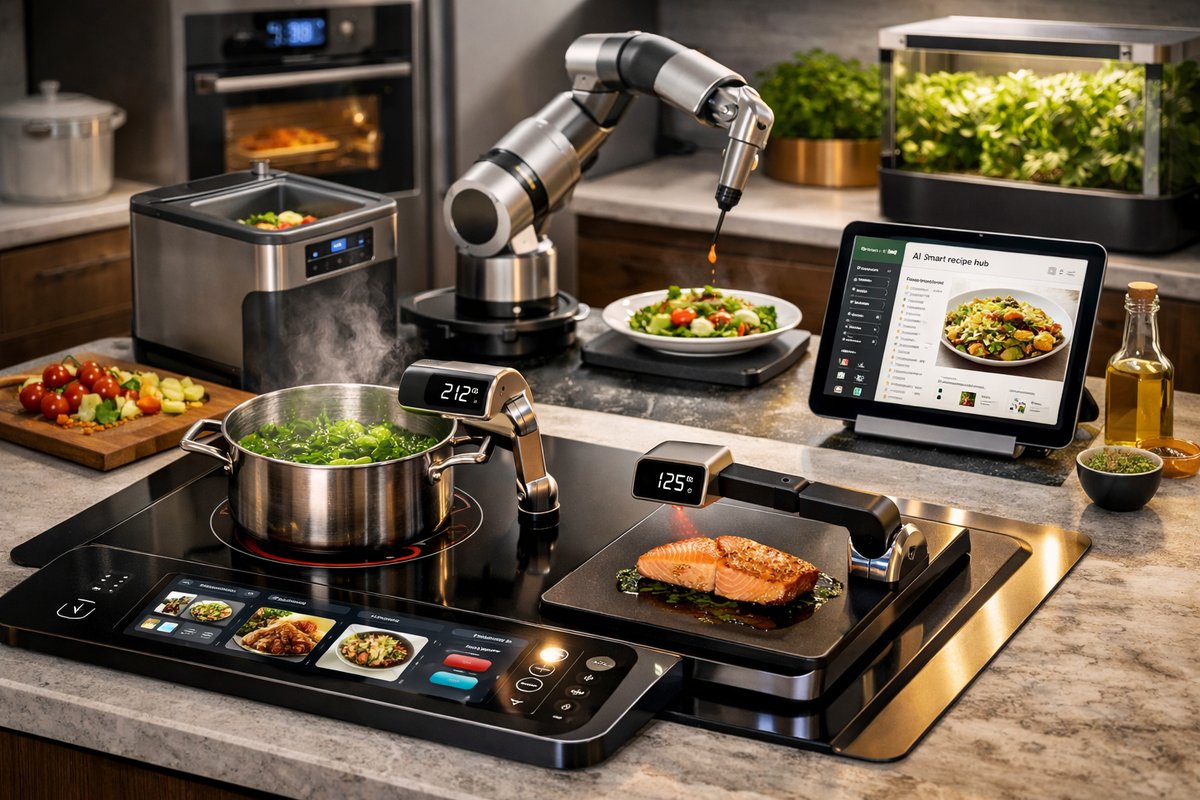
From dynamic stovetops to AI-driven recipe hubs, new kitchen tools are merging hardware, software, and sustainability to reshape how we cook. Home chefs are embracing sensors, robotics, and real-time feedback systems that promise restaurant-quality results and waste reduction alike.
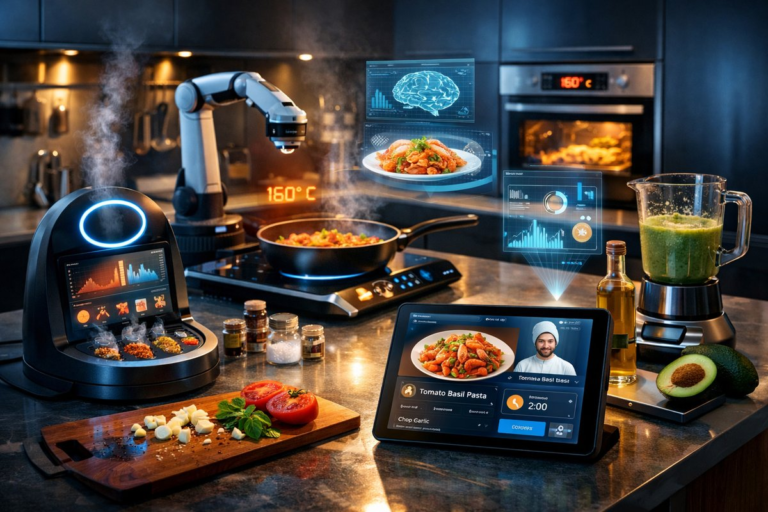
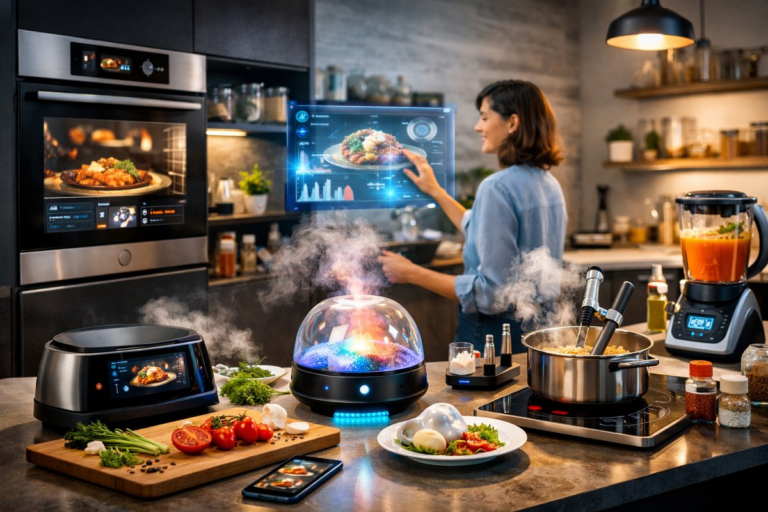
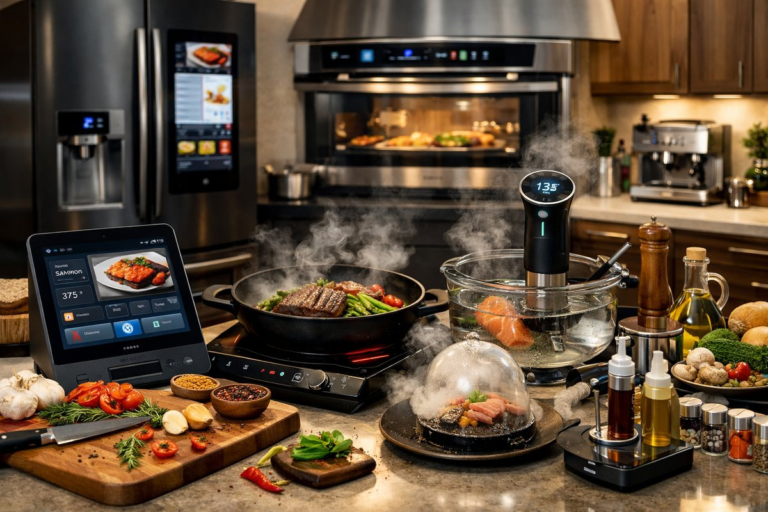
A fresh gust of innovation is sweeping through home kitchens, driven by a new generation of connected devices that promise to elevate everyday cooking. No longer limited to smart fridges or app-linked ovens, the latest wave of gadgets blends sensors, artificial intelligence, and modular robotics to deliver precision, creativity, and sustainability. At a recent Culinary Innovation Summit, exhibitors demonstrated how dynamic induction burners can anticipate pan temperature changes, how countertop robotic arms can assist with stirring and plating, and how immersive recipe displays guide cooks step by step.
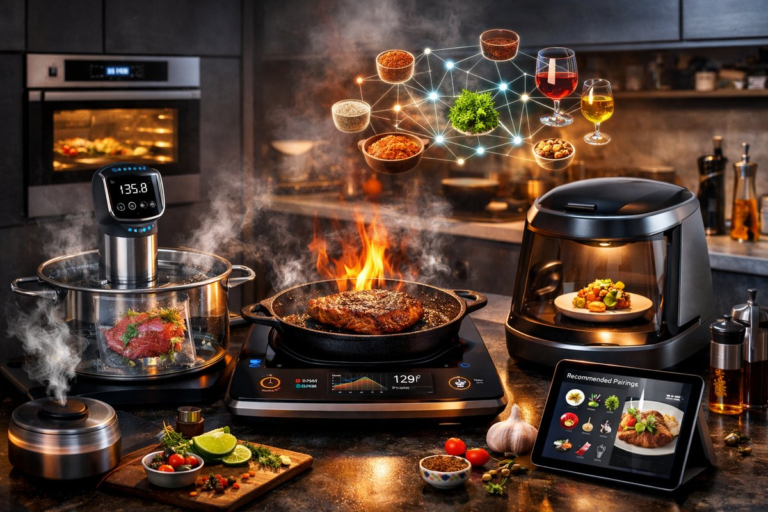
Among the spotlighted breakthroughs is a line of induction stovetops that monitor pan surface temperature across multiple zones. Instead of traditional knobs and presets, touch-sensitive controls adjust heat distribution in real time. Built-in thermocouples relay data to companion apps, enabling the stove to ramp up power when searing meat or drop to a gentle simmer as sauces approach foaming. According to one market analyst, almost half of home cooks who use dedicated cooking apps are now pairing them with sensor-enabled burners to ensure consistent results.
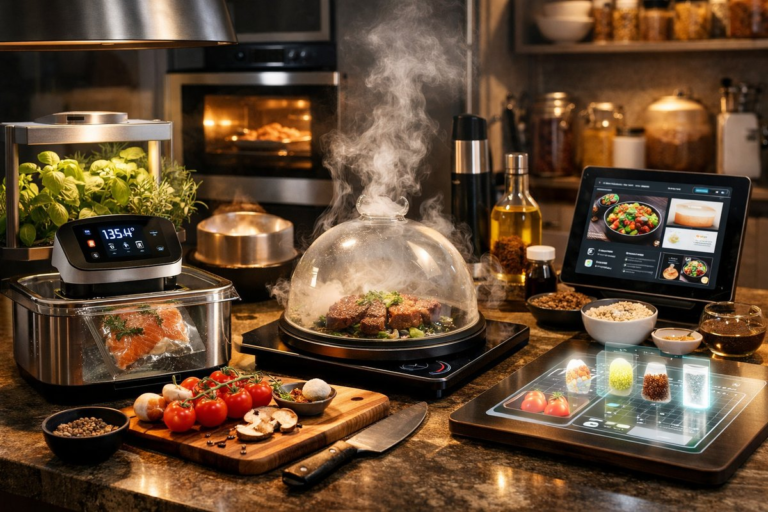
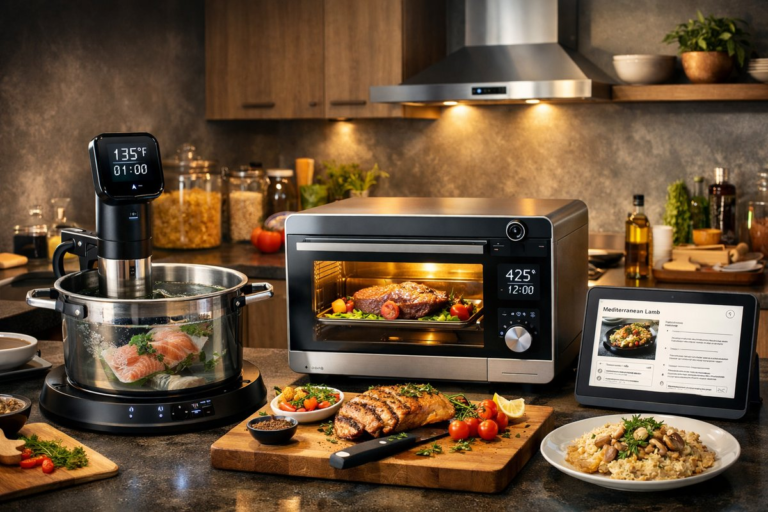
Real-time feedback has also entered the realm of meat cooking. Wireless instant-read thermometers equipped with Bluetooth probes now transmit continuous temperature readings to smartphones or voice assistants. In past years these tools suffered from lag or limited range, but recent improvements in low-energy wireless chips and battery efficiency have boosted responsiveness. Home chefs report that the ability to track internal temperatures from anywhere in the house reduces stress and overcooked steaks, while built-in algorithmic alerts guide users back to the oven at precise moments.
Beyond protein, smart scales have evolved from simple weight measurements to AI-driven interfaces that recognize ingredients and suggest proportioned recipes. Scan a handful of flour or oats, and the scale’s companion app not only logs the grams but recommends complementary ingredients, adjusting quantities to fit nutritional targets or flavor profiles. Some models integrate with grocery delivery services, automatically compiling shopping lists when pantry staples run low. Early adopters praise the endless possibilities for whipping up balanced breakfasts or perfectly portioned meal-prep batches.
Sustainability remains a core theme. Faucet attachments now measure water flow and provide visual cues when usage exceeds recommended thresholds for various cooking tasks. Built-in waste-sorting bins with weight sensors and odor monitoring encourage composting and recycling by tracking disposal patterns over time. When waste spikes, the system sends a gentle reminder to rethink portion sizes or repurpose leftovers. Industry reports estimate that these smart waste management solutions can reduce food landfill contributions by up to 20 percent in engaged households.
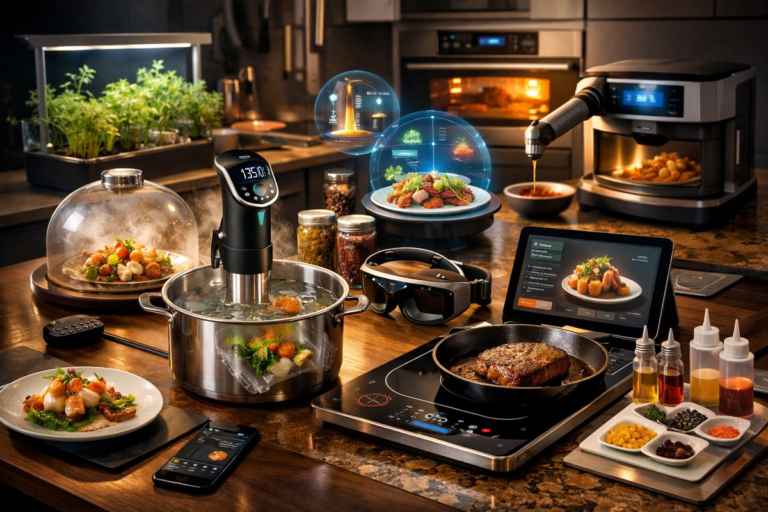
Robotics are also making their presence felt. Compact, programmable robotic arms designed for countertop use can perform basic mixing and stirring tasks, freeing home cooks to multitask. Some models include interchangeable end-effectors for whisking, scooping, or even holding utensils while sous vide bags rest in heated water baths. Though still priced at a premium, these devices represent a glimpse of kitchens where humans and machines collaborate seamlessly.
Recipe discovery is receiving a makeover too. Voice-activated recipe hubs with built-in cameras can watch while you cook, offering real-time corrections-an extra pinch of salt here, a stir there-based on visual and audio cues. Using computer vision algorithms, they identify ingredients, estimate portion sizes, and even detect whether batter has reached the right consistency. For curious learners eager to explore new cuisines, these systems lower the barrier to entry and build confidence one step at a time.
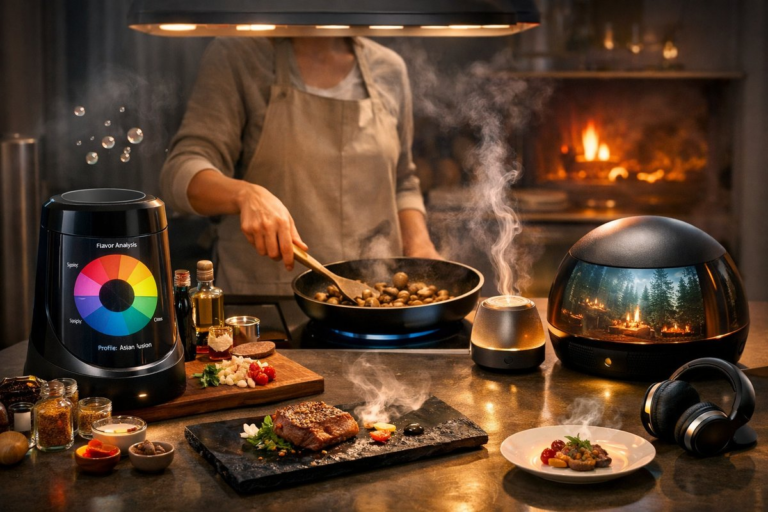
Virtual and augmented reality cooking classes are another frontier. Gourmands can don lightweight headsets to experience guided tutorials from professional chefs in immersive digital kitchens. Virtual ingredient displays hover over countertops, demonstrating knife cuts or plating techniques with lifelike precision. While still in early adoption, this blend of entertainment and education offers a compelling way to master advanced skills without leaving home.
Yet with all this connectivity comes important considerations. Data privacy and security top the list of homeowner concerns. Many devices collect usage patterns, ingredient preferences, and sometimes even images or audio from within the kitchen. Manufacturers are under pressure to offer transparent data-handling policies, local-first processing options, and secure firmware-update pathways that guard against unauthorized access.
Interoperability poses another challenge. Shoppers faced with dozens of kitchen brands often find themselves juggling multiple apps-one for the stove, another for the sous vide cooker, and yet another for the waste tracker. A handful of tech alliances are now working on common communication standards intended to let devices exchange recipes, sensor readings, and status updates seamlessly across platforms.
Affordability remains a barrier for many home cooks. While entry-level smart tools are dropping in price, high-end robotics and sensor arrays still carry significant cost premiums. However, as manufacturing scales and component costs fall, early adopters expect to see more accessible price points within a few years.
Despite these challenges, the momentum behind connected kitchen tech shows no signs of slowing. Consumer surveys reveal that a growing segment of home cooks now considers smart functionality a must-have rather than a luxury. From weekend bakers aiming for consistent results to busy families seeking waste reduction and efficiency, the convergence of hardware and software is generating excitement across generational lines.
Looking ahead, experts anticipate that kitchen devices will become even more autonomous, with algorithmic assistants taking over routine tasks like water temperature calibration, spice ratio adjustments, or pan preheating sequences. Advances in machine learning could allow ovens to recognize the defined color changes on crusts or the steam patterns above pots, adjusting heat in microseconds for perfect finishes. The home kitchen, once a realm of intuition and hand-measured timing, is shifting into a space where real-time data and predictive analytics guide every stir, sear, and simmer.
As these innovations roll out, the heart of cooking remains unchanged: the desire to transform raw ingredients into memorable experiences. Sensors and algorithms may deliver precision, but flavor still springs from creativity, curiosity, and the joy of sharing meals with others. In the coming years, connected tools will amplify those timeless impulses-helping home chefs of all skill levels craft moments of taste and togetherness like never before.