Location
Mount Vernon, WA 98274

Location
Mount Vernon, WA 98274
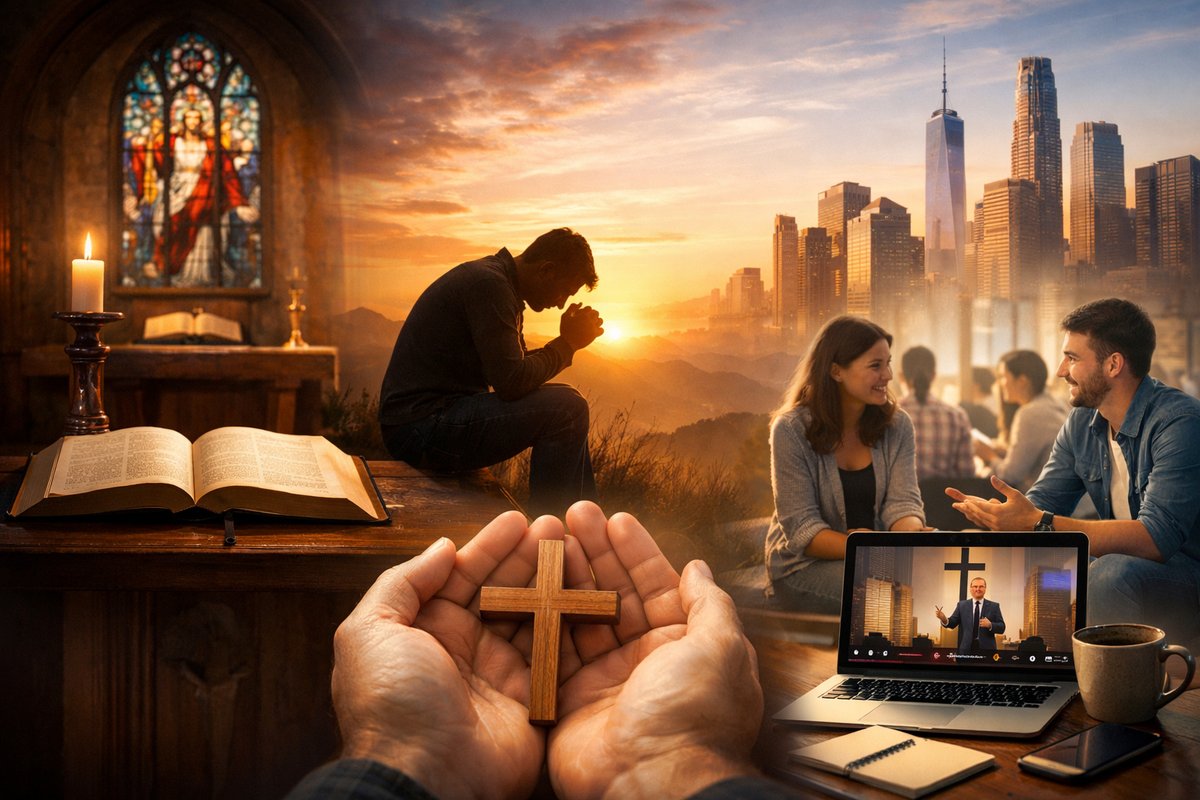
Christianity today is embracing a dynamic interplay between tradition and innovation, inviting believers to explore faith through personal reflection, communal practice, and engagement with contemporary challenges. This evolving landscape highlights a resilient spirituality that honors heritage while responding thoughtfully to modern life's complexities.
Christianity, as a living faith tradition, continues to evolve in response to the shifting cultural, social, and technological contexts of the modern world. Far from being static, Christian communities around the globe are reinterpreting ancient teachings and rituals to resonate with contemporary seekers, fostering spaces where personal experience and collective wisdom intersect. This ongoing transformation reflects a deep commitment to sustaining spiritual vitality amid rapid change.
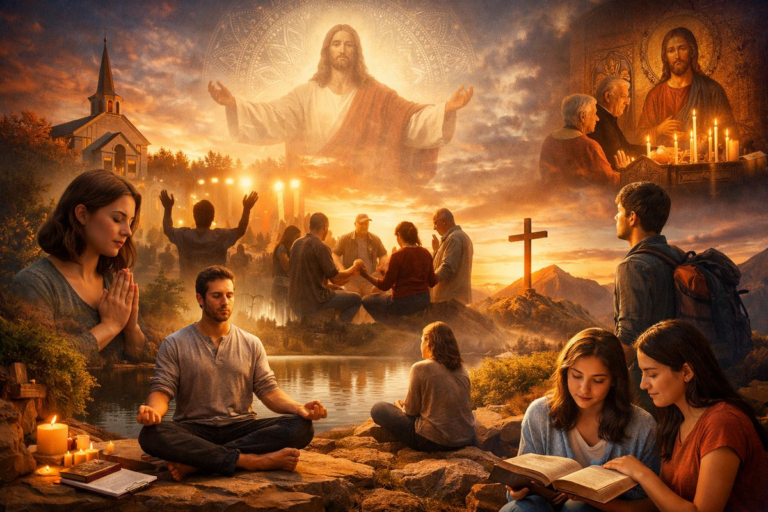
At the heart of this evolution is a renewed emphasis on personal encounter and reflection. Many believers are rediscovering the power of contemplative practices such as prayer, meditation, and lectio divina, which invite a slower, more intentional engagement with scripture and divine presence. These practices offer a counterbalance to the frenetic pace of modern life, cultivating inner stillness and resilience. They also encourage a form of spiritual literacy that is experiential rather than purely doctrinal, allowing individuals to integrate faith more organically into their daily realities.
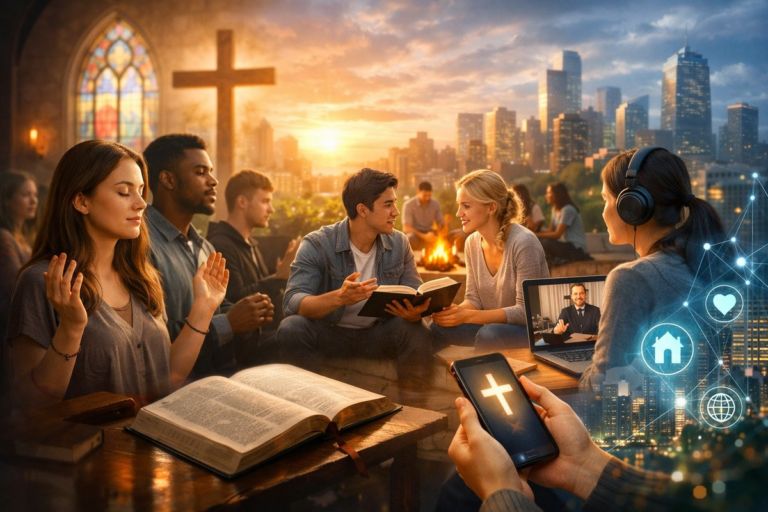
Simultaneously, Christian communities are experimenting with new forms of gathering and worship that embrace inclusivity and creativity. From informal house churches to online fellowship groups, these spaces prioritize relational connection and shared vulnerability over rigid institutional structures. This shift often includes a focus on social justice, environmental stewardship, and intercultural dialogue, reflecting a holistic understanding of faith that extends beyond personal salvation to encompass care for the wider world.
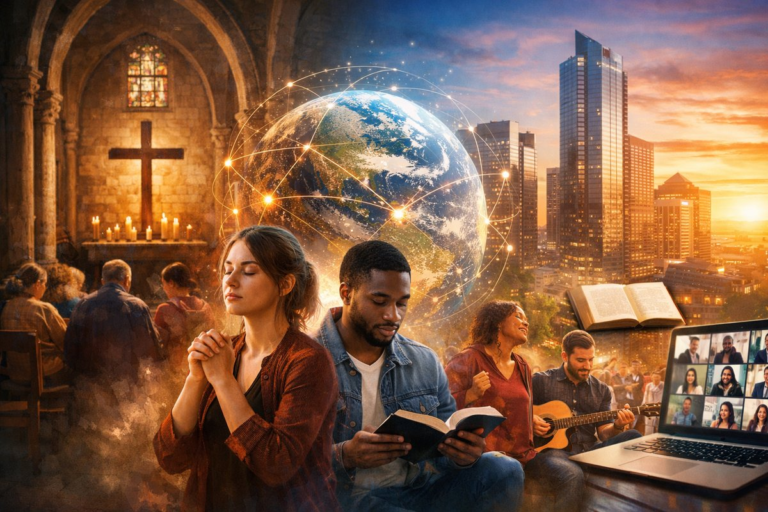
Technological advancements have also played a significant role in reshaping Christian practice and outreach. Digital platforms enable believers to access scripture, sermons, and spiritual resources anytime and anywhere, democratizing access to theological knowledge. Virtual worship services and prayer meetings have become commonplace, especially as communities adapt to global disruptions. Moreover, innovative uses of artificial intelligence and translation tools are expanding the reach of scripture, making sacred texts available in languages previously underserved.
Yet, this integration of technology and tradition is not without tension. Many Christians grapple with questions about authenticity, privacy, and the risk of superficial engagement when faith is mediated through screens. These concerns prompt ongoing dialogue about how to preserve the depth and mystery of spiritual experience while embracing tools that foster connection and learning.
Another compelling dimension of contemporary Christianity is its engagement with ecological consciousness. Rooted in the biblical mandate to care for creation, many faith communities are pioneering sustainable practices such as regenerative gardening, renewable energy use, and ethical consumption. This green spirituality not only addresses urgent environmental crises but also nurtures a profound sense of interconnectedness and stewardship.
Theologically, this period is marked by a reexamination of doctrines and narratives to better reflect diverse voices and experiences. Feminist, liberation, and indigenous theologies challenge traditional interpretations, enriching Christian thought with perspectives that emphasize justice, dignity, and communal flourishing. This pluralism encourages believers to approach scripture and tradition with humility and openness, fostering a faith that is both rooted and expansive.
In the realm of education and formation, innovative approaches are emerging to support lifelong learning and spiritual growth. Workshops, retreats, and online courses offer accessible opportunities for deepening understanding and cultivating practical skills for ministry and service. These initiatives often emphasize emotional intelligence, empathy, and dialogue, equipping individuals to navigate complex moral landscapes with compassion and discernment.
Ultimately, the evolving face of Christianity invites a journey marked by curiosity, courage, and care. It challenges believers to hold tradition and innovation in creative tension, to listen deeply to the Spirit’s movement in diverse contexts, and to embody a faith that is both timeless and timely. In doing so, Christianity continues to offer a source of meaning, hope, and transformation for individuals and communities seeking to live with purpose in an ever-changing world.