Location
Mount Vernon, WA 98274

Location
Mount Vernon, WA 98274
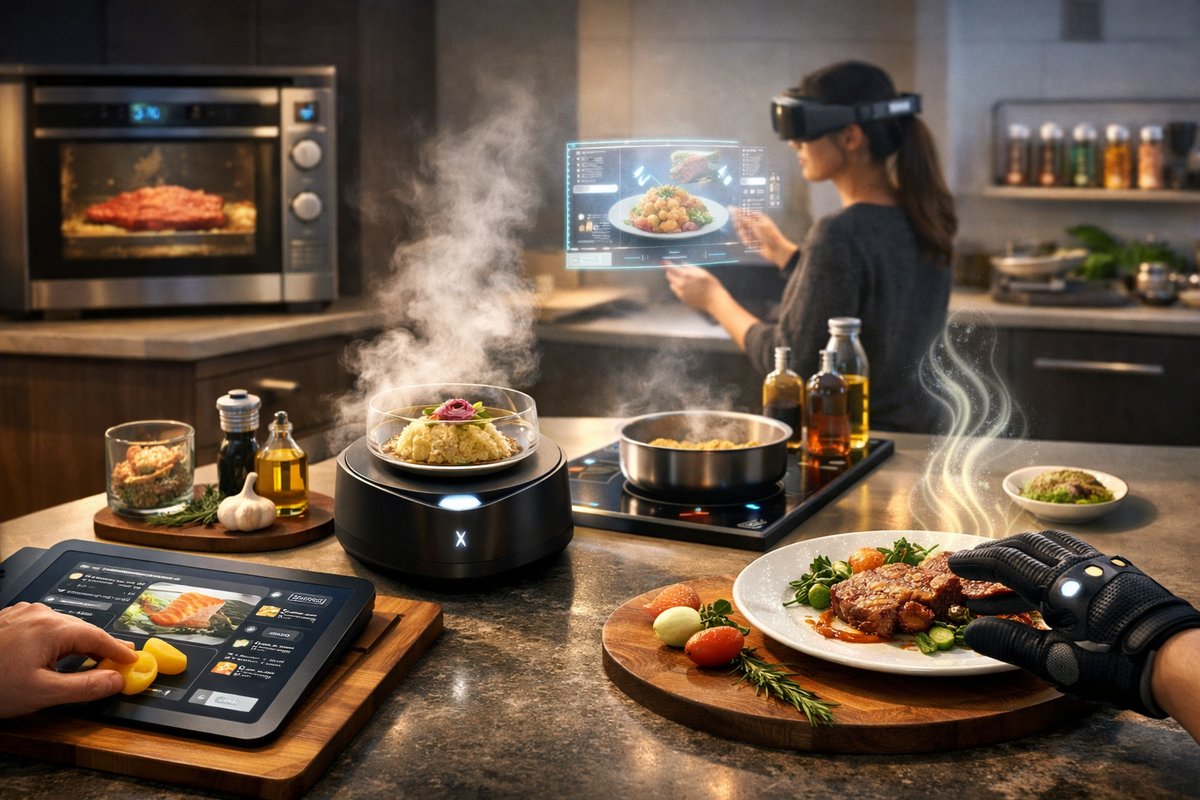
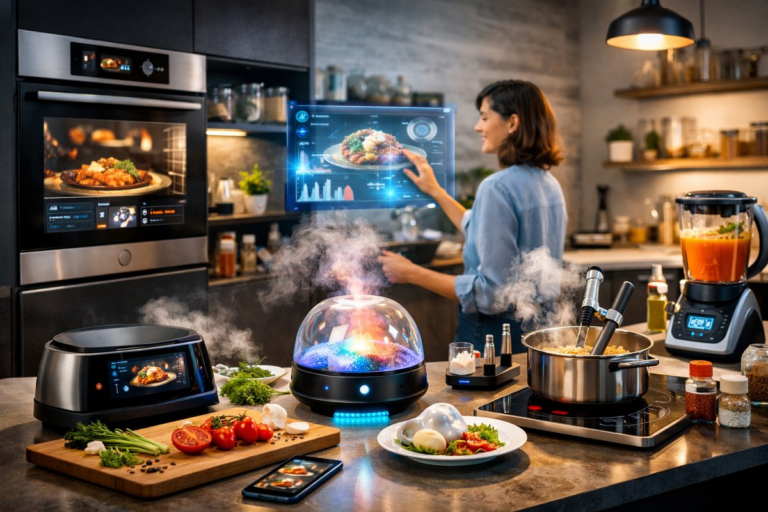
The kitchen is evolving beyond traditional tools as innovative technologies introduce novel ways to engage with food preparation and flavor exploration. From tactile smart devices to immersive sensory feedback, these advancements invite both seasoned cooks and novices to rediscover the art of cooking.
Cooking has always been a dance between ingredients, tools, and human intuition, but recent technological breakthroughs are transforming this ritual into a multi-sensory, interactive experience. Rather than simply speeding up meal preparation, new kitchen technologies are inviting cooks to explore deeper connections with their food-enhancing creativity, sustainability, and emotional engagement in the process.
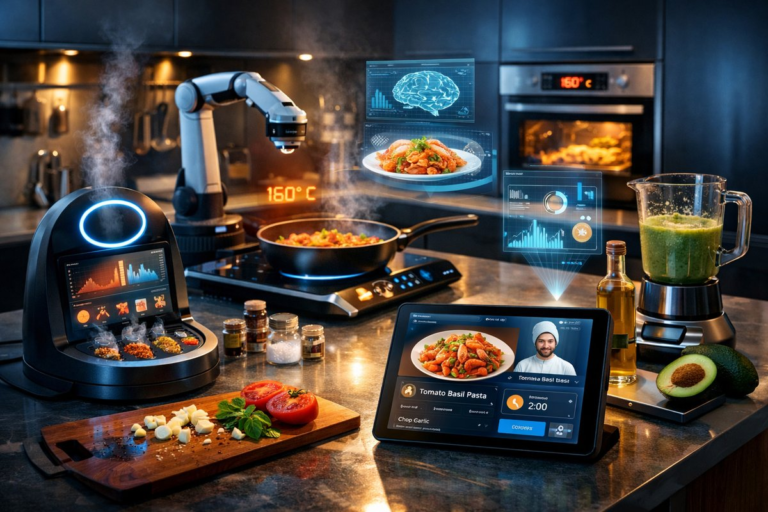
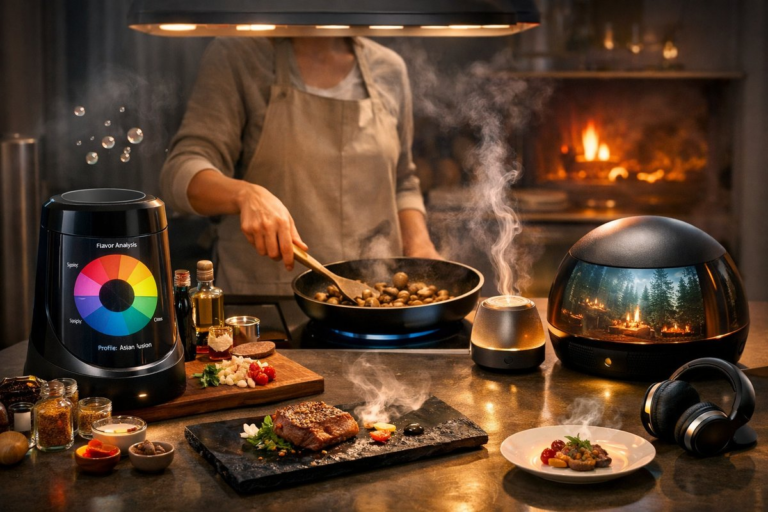
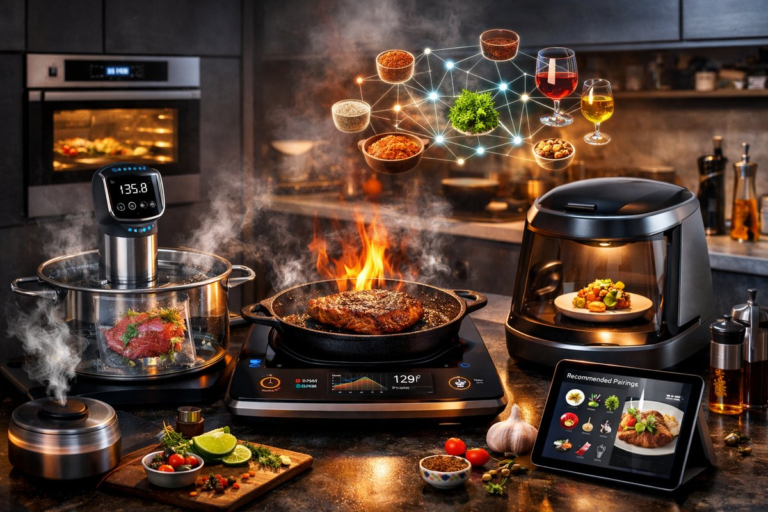
One of the most fascinating shifts is the integration of tactile and sensory feedback mechanisms into kitchen tools. Devices that monitor texture, temperature, and even aroma in real time allow cooks to fine-tune their techniques with unprecedented precision. Imagine a smart spatula that alerts you when your sauté has reached the perfect caramelization point or a seasoning shaker that suggests flavor pairings based on the dish’s profile. These tools not only guide but educate, empowering home cooks to develop intuition akin to seasoned chefs.
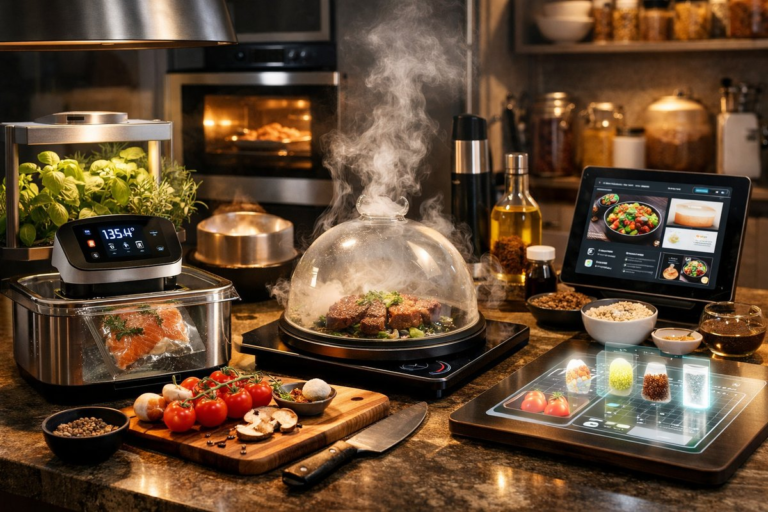
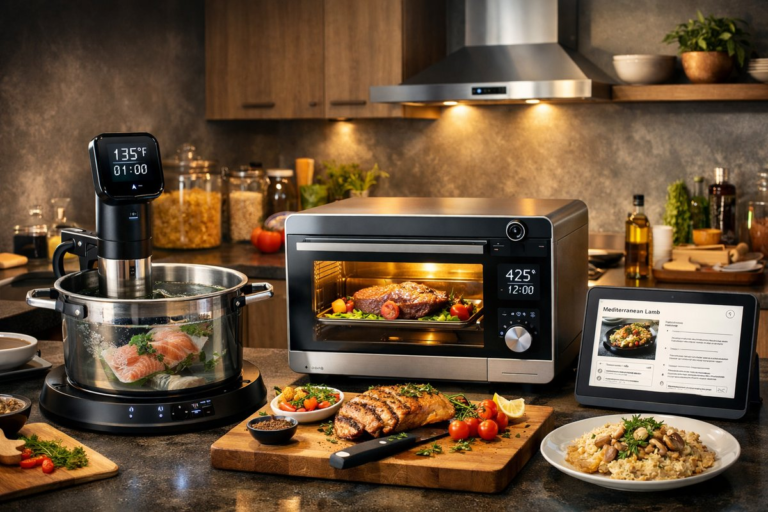
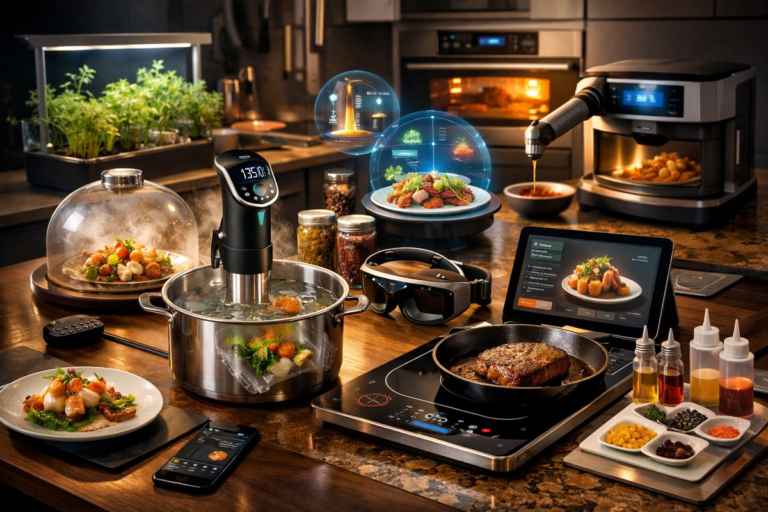
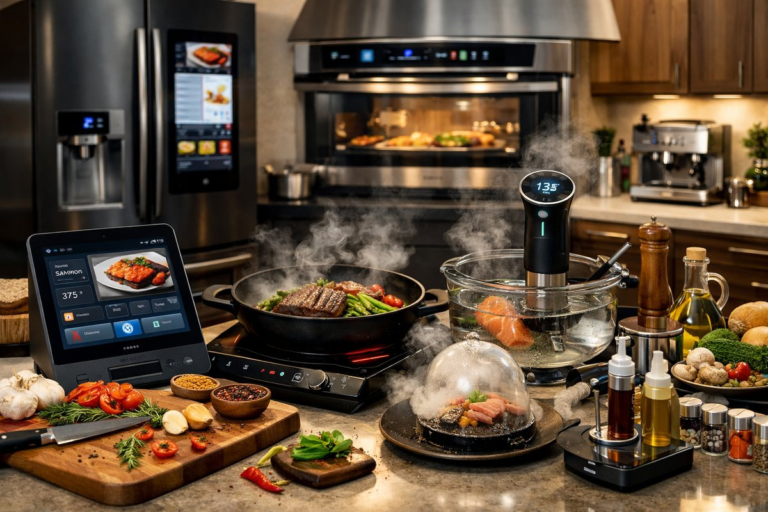
Beyond individual gadgets, the rise of modular, interoperable kitchen ecosystems is redefining how appliances communicate. Instead of isolated units, refrigerators, ovens, and cooktops now share data to optimize cooking sequences and energy use. For example, a smart oven might adjust its temperature curve dynamically based on feedback from a connected sous-vide device, ensuring that a roast finishes exactly when you want it. This orchestration transforms cooking into a choreographed event, where timing, flavor, and sustainability converge.
Another emerging trend is the use of AI-powered recipe assistants that adapt to personal preferences, dietary restrictions, and ingredient availability. These assistants go beyond static recipe instructions; they offer dynamic suggestions, helping cooks improvise confidently with what’s on hand. By analyzing flavor profiles and nutritional data, they can propose ingredient swaps that maintain balance and enhance taste, making cooking more inclusive and accessible.
In parallel, augmented reality (AR) is starting to make its way into the kitchen, overlaying interactive guides directly onto cooking surfaces or ingredients. This technology can provide step-by-step visual cues, demonstrate knife skills, or even simulate the effects of seasoning choices before they happen. The tactile and visual augmentation fosters a playful and experimental atmosphere, encouraging curiosity and learning through doing.
Importantly, these innovations are not just about convenience; they also emphasize sustainability and mindful consumption. Smart kitchen scales and inventory trackers help reduce food waste by alerting users to ingredients nearing expiration and suggesting creative recipes to use them. Energy-efficient appliances with adaptive power modes minimize environmental impact without sacrificing performance. The kitchen becomes a space where technology supports ethical and ecological values alongside culinary delight.
The emotional resonance of cooking is amplified by technologies that connect people through shared food experiences, even remotely. Platforms that enable synchronized cooking sessions or virtual tasting parties bridge physical distances, nurturing community and cultural exchange. This digital conviviality honors the kitchen’s timeless role as a gathering place, reinvented for the modern era.
However, as kitchens become increasingly digitized, there is an important conversation around privacy and data security. Many smart devices collect personal habits and preferences, raising questions about who owns this information and how it is protected. Designing technology that respects user autonomy and transparency is crucial to fostering trust and long-term adoption.
Looking forward, the intersection of biotechnology and kitchen technology promises exciting frontiers. Home-scale fermentation monitors, personalized probiotic starters, and even edible 3D printing are emerging as tools that invite cooks to experiment with flavor creation at a molecular level. These advances blur the line between science and art, inviting a playful and curious approach to what food can be.
Ultimately, the future kitchen is not just a place for cooking but a dynamic studio for flavor exploration, learning, and connection. It combines the tactile joy of hands-on preparation with the intellectual stimulation of data-driven insights and the emotional warmth of shared experiences. For the curious cook and playful palate, these technologies offer a new canvas where tradition and innovation blend to create meaningful moments around food.