Location
Mount Vernon, WA 98274

Location
Mount Vernon, WA 98274
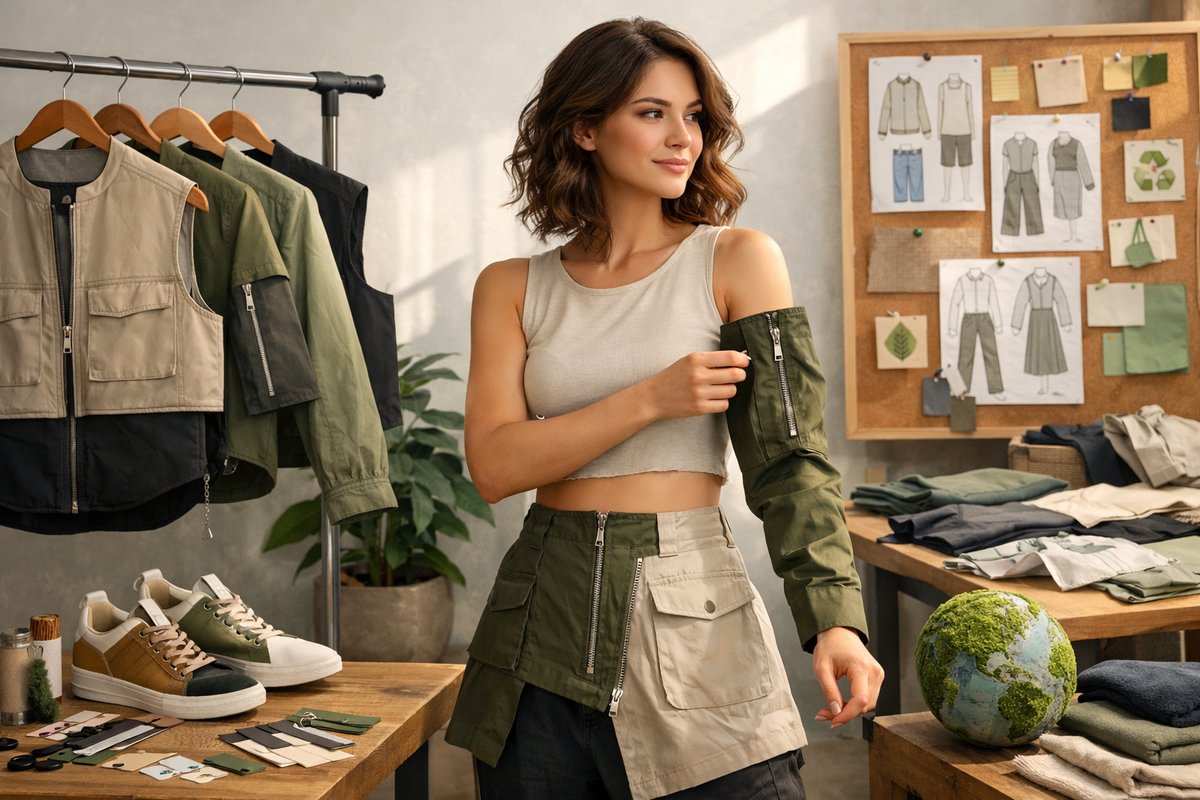
Fashion is undergoing a transformation as modular design principles merge with sustainability to offer consumers unprecedented control over their wardrobes. This innovative approach empowers individuals to express themselves while embracing eco-conscious values, signaling a new era where clothing is both adaptable and responsible.
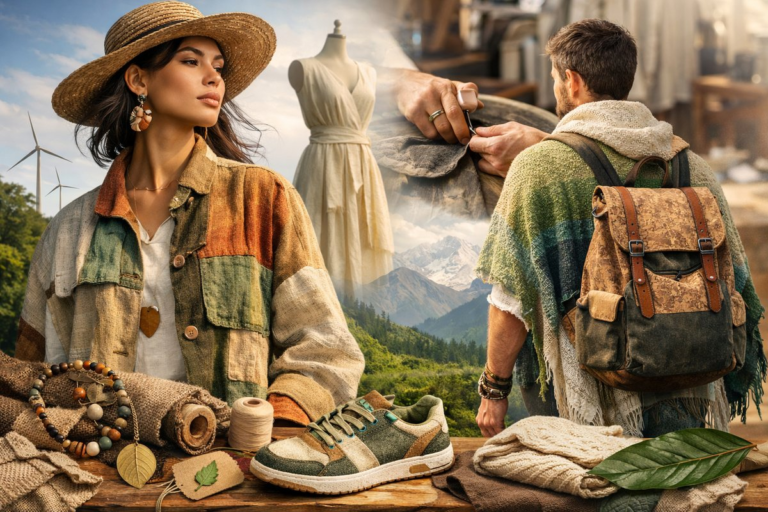
In a world increasingly attentive to environmental impact and personal identity, the fashion industry is witnessing a compelling shift toward modular apparel – clothing designed with interchangeable parts and adaptable features that invite customization and longevity. This emerging trend is more than a stylistic experiment; it represents a thoughtful reimagining of how we consume and interact with fashion, marrying creativity with sustainability.
Traditional fashion cycles have long promoted rapid turnover, encouraging consumers to discard garments frequently in favor of new trends. This model contributes significantly to textile waste and environmental degradation. Modular fashion challenges this norm by enabling wearers to modify, repair, or update pieces without needing to replace entire garments. Such flexibility extends the life of clothing, reducing waste and lessening the demand for raw materials.
The design philosophy behind modular fashion is inspired by principles found in other industries – from technology to furniture – where components can be swapped or upgraded. In apparel, this might mean detachable sleeves, interchangeable collars, or adaptable hemlines. These features allow a single garment to serve multiple functions or aesthetics, shifting seamlessly from casual to formal, summer to winter, or minimalist to bold.
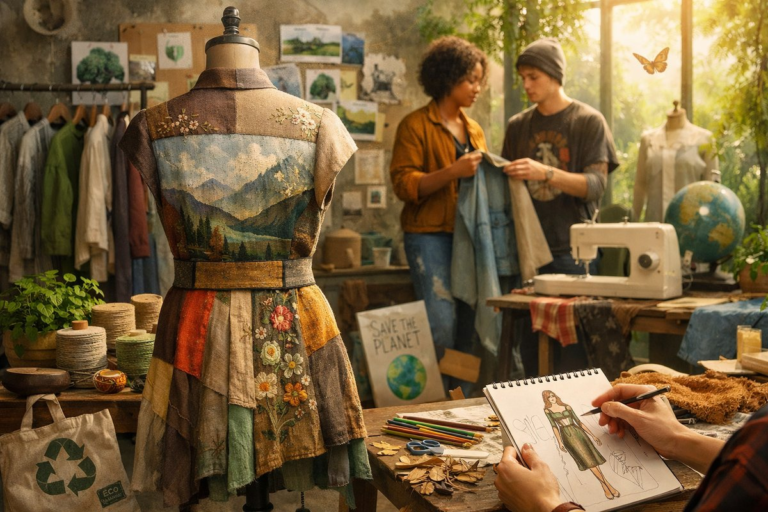
Beyond environmental benefits, modular fashion empowers consumers to curate wardrobes that reflect their evolving identities. In a society where self-expression through style is a powerful form of communication, having garments that can transform to suit mood, occasion, or statement fosters a more intimate relationship with clothing. It also democratizes fashion innovation by inviting users to participate actively in the design process, fostering creativity and emotional connection.
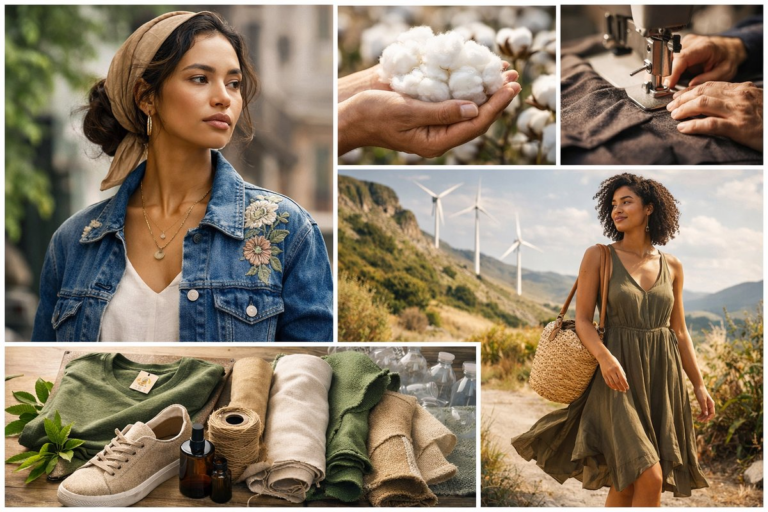
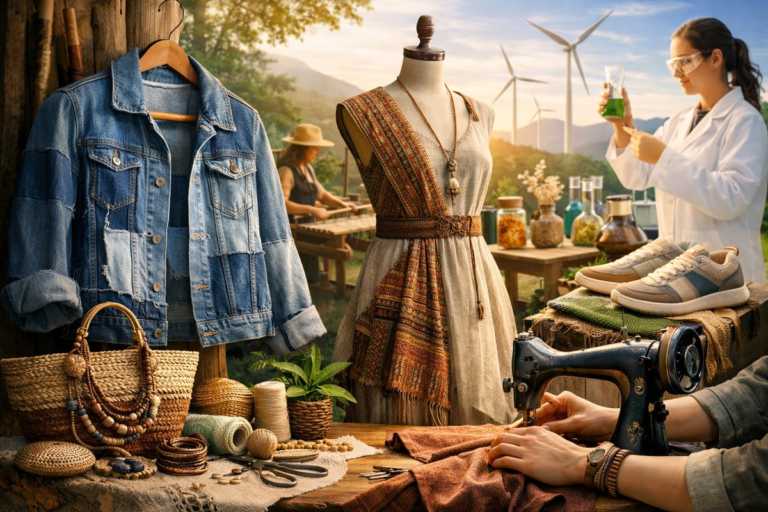
Material innovation plays a crucial role in supporting modular designs. Sustainable textiles such as organic cotton, recycled polyester, and plant-based fabrics are increasingly integrated into modular pieces, aligning the concept with broader eco-conscious goals. Advances in textile technology also enable durability and ease of maintenance, essential for garments meant to be reconfigured and worn repeatedly.
Several designers and brands are pioneering this approach, developing collections that feature snap-on embellishments, zip-off sections, and magnetic closures that simplify modification. These innovations not only add functionality but also enhance the tactile and visual appeal of garments, inviting exploration and personalization.
The social implications of modular fashion are equally significant. By promoting repairability and adaptability, this approach counters the disposable culture ingrained in fast fashion, encouraging mindfulness and responsibility. It also opens avenues for inclusivity, as adjustable garments can accommodate diverse body types and preferences more readily than fixed designs.
From a consumer perspective, adopting modular fashion requires a shift in mindset – valuing quality, versatility, and sustainability over quantity and immediacy. This transition is supported by growing awareness of environmental issues and a desire for authenticity in personal style. Digital platforms and communities further enhance this movement by sharing modular styling ideas, tutorials for garment modification, and marketplaces for swapping or selling customizable pieces.
Challenges remain in scaling modular fashion to mainstream markets. Production complexities, higher upfront costs, and consumer education are hurdles that designers and retailers are actively addressing. However, as awareness grows and technologies advance, the potential for modular apparel to reshape fashion consumption patterns becomes increasingly tangible.
In essence, modular fashion represents a convergence of innovation, ethics, and self-expression. It offers a hopeful path forward where clothing not only adorns but also adapts, lasts, and tells a story unique to its wearer. As this trend continues to evolve, it invites us all to reconsider our relationship with what we wear – embracing garments that are as dynamic and sustainable as the world we aspire to create.