Location
Mount Vernon, WA 98274

Location
Mount Vernon, WA 98274

In an era where technology increasingly blends into daily routines, a new generation of modular and eco-conscious gadgets is emerging. These devices prioritize adaptability, sustainability, and emotional connection, reshaping how we interact with the tools that power our days.
Technology has always been a reflection of human needs and aspirations, but recent trends reveal a deeper shift toward devices that not only perform but also adapt, respect privacy, and minimize environmental impact. As innovation accelerates, the spotlight is on modular and sustainable gadgets designed to enhance everyday life with a thoughtful balance of power, flexibility, and responsibility.
One of the most compelling developments in this space is the rise of modular technology. Unlike traditional all-in-one devices, modular gadgets allow users to customize, upgrade, or repair components individually. This approach extends the lifespan of devices, reduces electronic waste, and empowers users to tailor their tools to evolving needs. For example, modular smartphones and laptops offer replaceable batteries, cameras, or storage units, making it easier to keep devices current without full replacements.
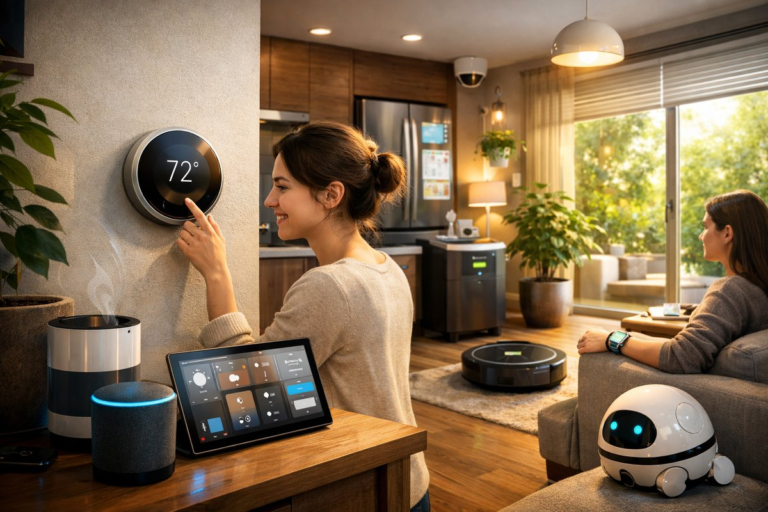
This modular philosophy is not limited to computing devices. Smart home systems are increasingly designed with modular sensors and controllers that can be added or reconfigured to suit changing household dynamics. This flexibility fosters a more sustainable approach to technology consumption, as users avoid discarding entire systems when only one component becomes obsolete or faulty.
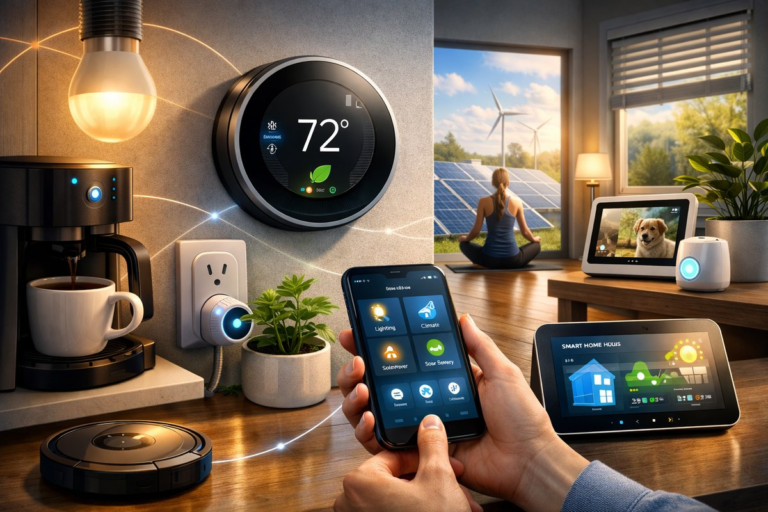
Sustainability is another cornerstone shaping the future of everyday gadgets. Manufacturers are exploring biodegradable materials, recycled plastics, and energy-efficient designs to reduce the environmental footprint of their products. Solar-powered chargers, for instance, harness renewable energy to keep devices running without relying on grid electricity. Similarly, biodegradable phone cases and accessories offer protection without contributing to plastic pollution.
Beyond materials, energy consumption is a critical focus. Devices equipped with intelligent power management systems optimize battery use, extending operational time and reducing the frequency of charging cycles. This not only benefits users by providing longer-lasting performance but also contributes to lowering overall energy demand.
Privacy and emotional intelligence are becoming integral to the design of modern gadgets. As smart assistants and connected devices proliferate, users seek assurance that their data is handled with care and transparency. Emerging products emphasize on-device processing and encrypted communication to safeguard personal information. Emotional intelligence in technology manifests through adaptive interfaces that respond to user moods or preferences, creating more empathetic and personalized experiences.
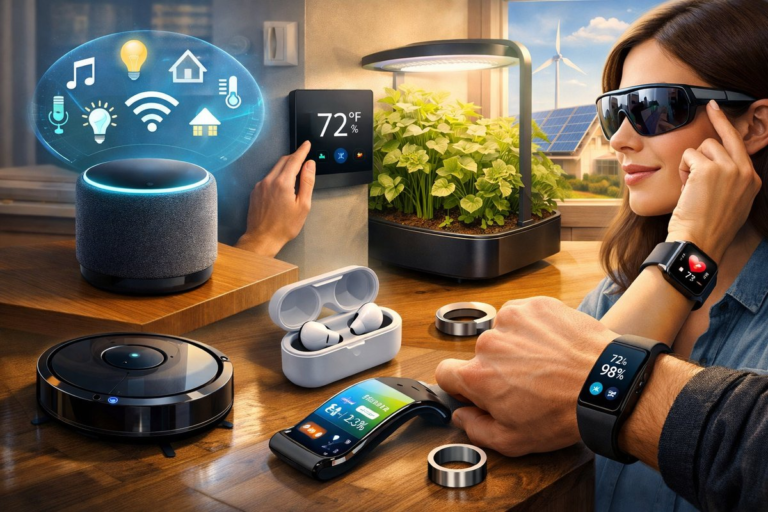
Wearable technology exemplifies this blend of innovation and emotional resonance. Devices that monitor health metrics now incorporate mood tracking and stress management features, helping users cultivate well-being proactively. These gadgets often integrate seamlessly into daily attire, using materials that are comfortable, durable, and sometimes even biodegradable.
The intersection of modularity, sustainability, and emotional intelligence is also evident in the realm of portable computing. Pocket-sized devices with ambient computing capabilities enable users to stay connected and productive without the bulk or distraction of traditional laptops. These tools often feature minimalist designs and intuitive interfaces that prioritize essential functions, reducing cognitive load and promoting mindful use.
Moreover, the integration of open-source software and hardware encourages community-driven innovation. Users and developers collaborate to create and improve gadgets that align with shared values of privacy, sustainability, and adaptability. This democratization of technology fosters a culture of curiosity and continuous learning, empowering individuals to shape the tools they rely on.
As we look ahead, the challenge lies in balancing cutting-edge capabilities with ethical considerations and environmental stewardship. The most impactful gadgets will be those that not only enhance convenience and connectivity but also respect users’ autonomy, promote sustainability, and foster emotional well-being.
In daily life, this means choosing devices that can evolve alongside us, minimizing waste and energy consumption while offering intuitive, personalized interactions. It also calls for a shift in consumer mindset-from disposable gadgets to thoughtfully crafted tools that honor the planet and our shared humanity.
The future of everyday technology is not just about what gadgets can do, but how they do it. By embracing modularity, sustainability, and emotional intelligence, we can cultivate a more connected, compassionate, and conscientious technological landscape that truly elevates our everyday experiences.