Location
Mount Vernon, WA 98274

Location
Mount Vernon, WA 98274
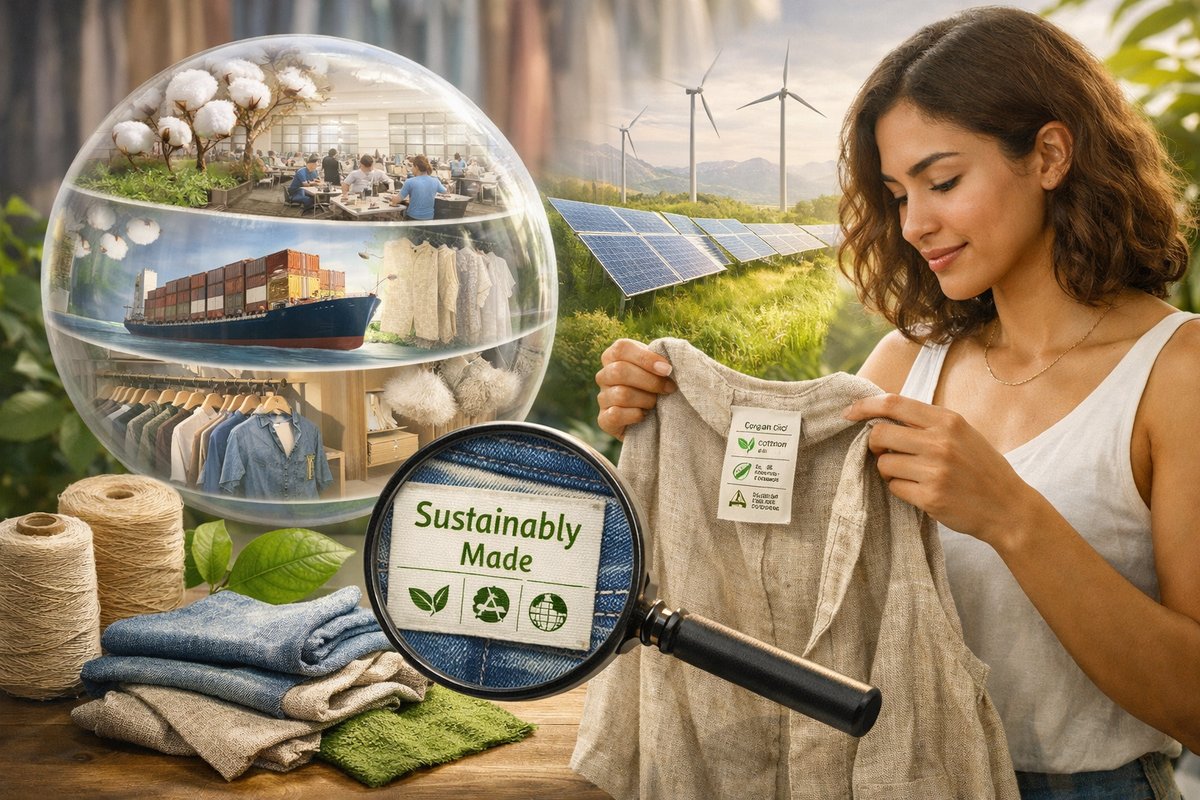
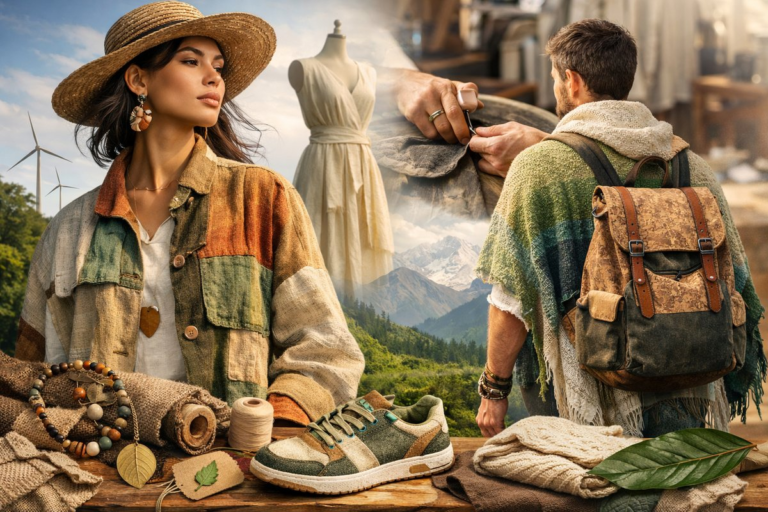
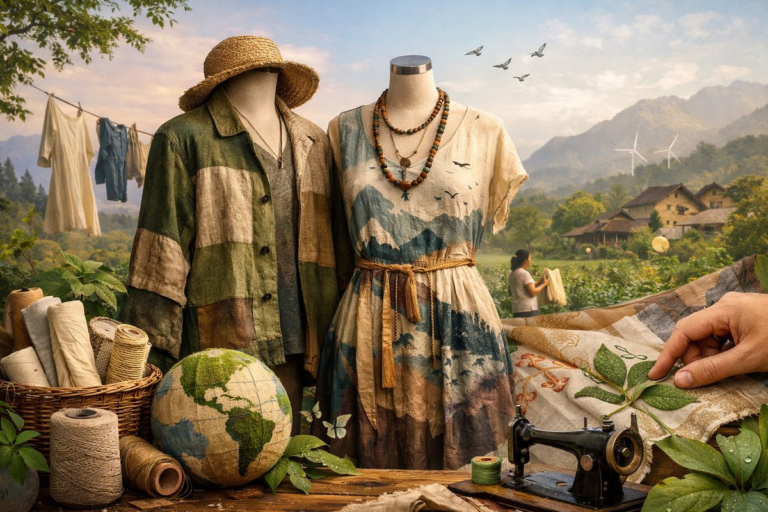
In an era where consumers crave authenticity and impact, transparent fashion is transforming how we choose and cherish apparel. From supply chain visibility to eco-conscious materials, the movement invites wearers to engage deeply with the stories woven into every thread.
The fashion industry has long been a powerhouse of creativity and cultural expression, yet beneath its glamour lies a complex web of environmental and ethical challenges. Recently, a rising tide of transparency is reshaping this landscape, inviting consumers to move beyond surface aesthetics and into a meaningful dialogue with their clothing. Transparent fashion-where brands openly share sourcing, manufacturing, and sustainability practices-is not merely a trend but a transformative shift that connects style with values.
At its core, transparent fashion demands accountability and storytelling. Consumers today increasingly seek to understand where their garments come from, who made them, and the environmental footprint left behind. This curiosity aligns with a broader cultural awakening to sustainability and social justice, propelling a new standard for apparel that is as conscientious as it is stylish.
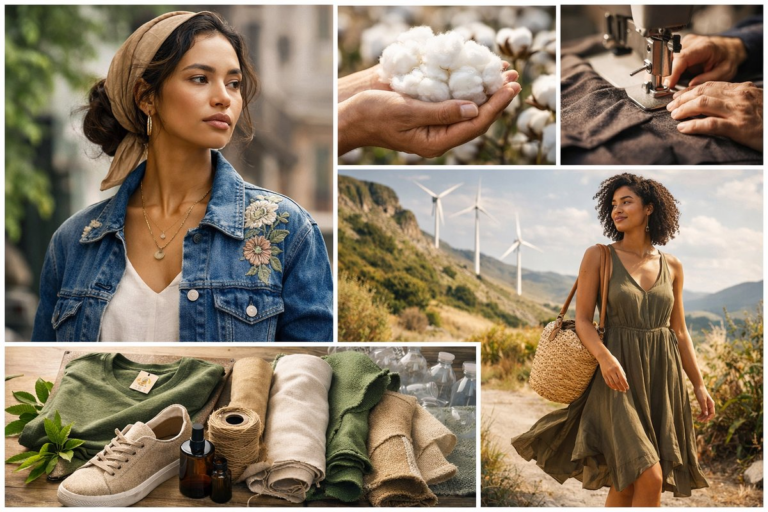
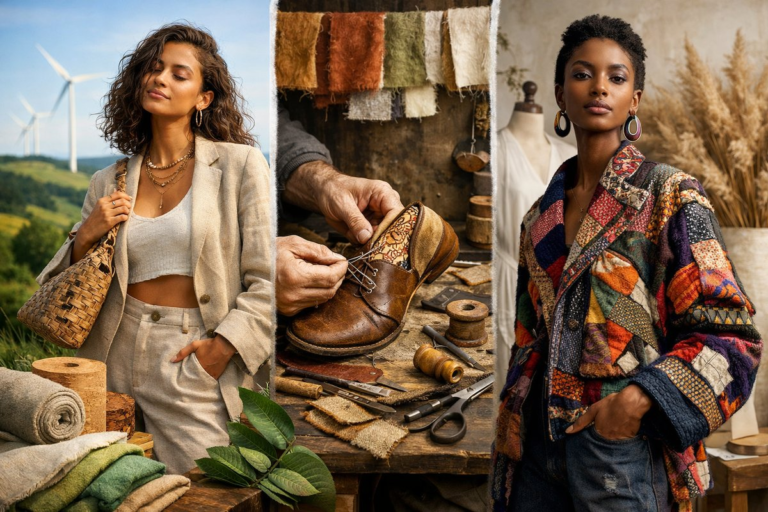
One of the pillars of this movement is the adoption of traceable materials. Natural fibers like organic cotton, linen, and hemp are gaining traction, not only for their lower environmental impact but for their ability to be tracked from seed to stitch. Some brands are implementing blockchain technology to provide immutable records of each step in the production chain, offering consumers unprecedented transparency. This technological integration empowers shoppers to make informed decisions, fostering trust and loyalty.
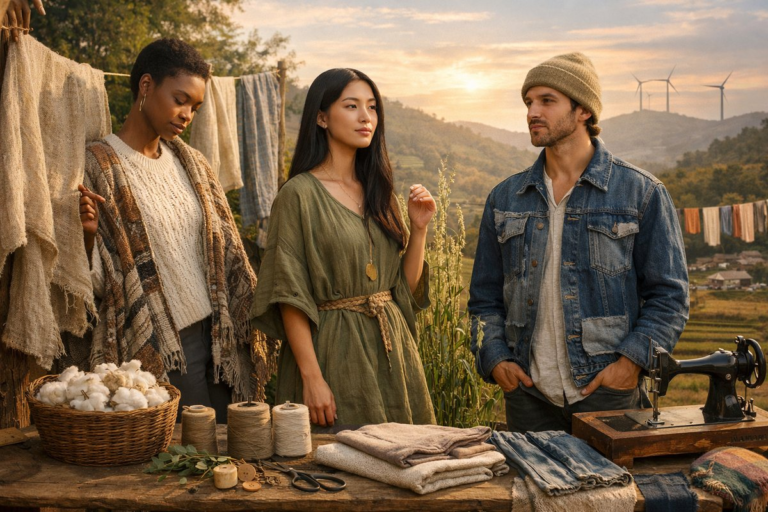
Beyond materials, ethical labor practices have become a central focus. Transparent fashion spotlights fair wages, safe working conditions, and the empowerment of artisans and factory workers. Brands that embrace transparency often collaborate with local communities, preserving traditional crafts and ensuring that the people behind the garments are respected and fairly compensated. This approach nurtures a more equitable industry and enriches the stories embedded in each piece.
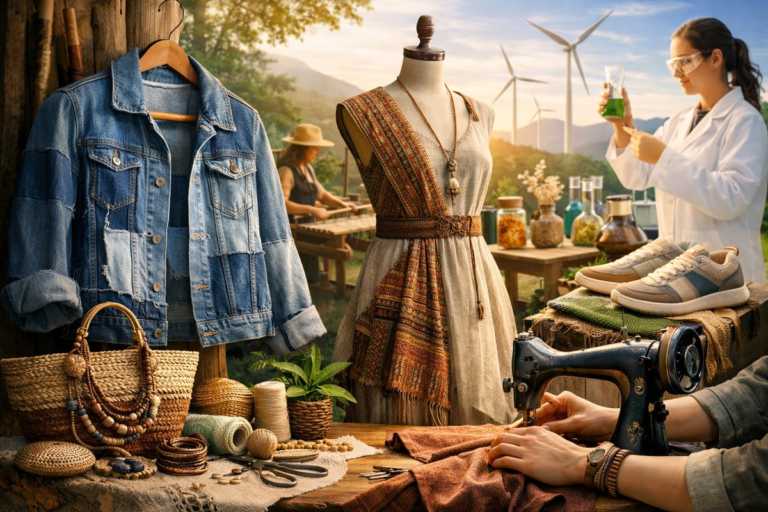
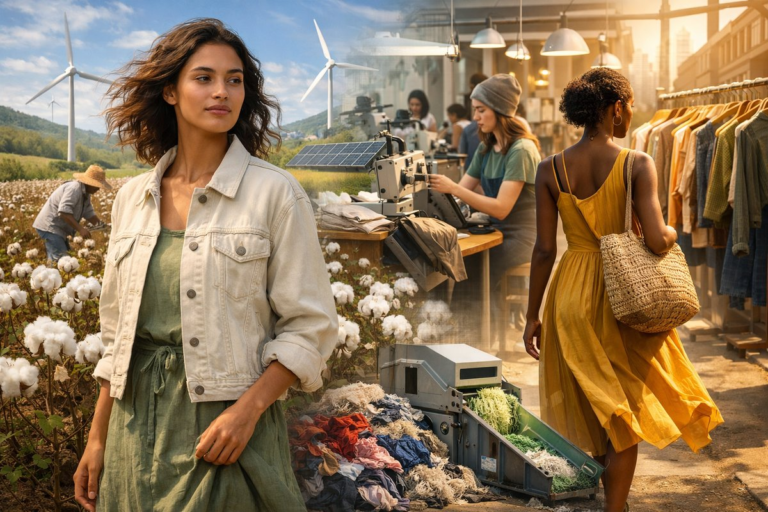
Environmental stewardship also drives transparency efforts. Water conservation, chemical reduction, and carbon footprint minimization are key metrics shared openly by responsible brands. Innovations such as waterless dyeing techniques and the use of renewable energy in factories are becoming more common, with companies publishing detailed sustainability reports to keep consumers informed. This openness helps shift consumer expectations toward supporting brands that prioritize planetary health.
The rise of digital platforms and social media amplifies transparency by giving consumers tools to research and share information about fashion brands. Apps that scan labels to reveal ethical ratings, supply chain data, and environmental impact scores empower shoppers to make choices aligned with their values. Social media influencers and activists further spotlight transparency issues, fostering a culture of informed consumption and peer accountability.
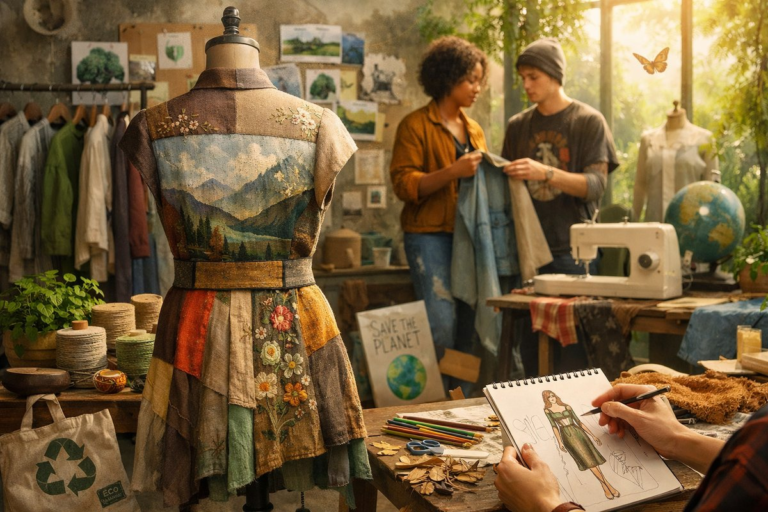
Importantly, transparent fashion invites personal connection and storytelling. When wearers understand the journey of their clothing, garments become more than just fabric-they become symbols of identity, ethics, and community. This connection encourages longevity and care, counteracting the fast fashion cycle of disposability. Consumers are more likely to cherish, repair, and thoughtfully curate wardrobes when the story behind each item resonates.
As the movement grows, challenges remain. Transparency requires investment, technological infrastructure, and willingness to reveal imperfections. Some brands struggle to balance openness with protecting proprietary information or navigating complex global supply chains. However, consumer demand continues to push the industry toward greater clarity and responsibility.
Looking ahead, transparent fashion is poised to redefine how we relate to clothing. It offers a hopeful vision where style and story coexist harmoniously, empowering individuals to wear their values boldly and authentically. This shift not only transforms wardrobes but also contributes to a more sustainable and just world-one garment at a time.
Embracing transparent fashion means embracing curiosity, empathy, and intentionality. It is a call to celebrate the craftsmanship, honor the environment, and recognize the humanity behind every piece we wear. As more consumers and brands join this journey, fashion becomes a powerful vehicle for positive change, inviting us all to look beyond the label and into the heart of what we choose to wear.