Location
Mount Vernon, WA 98274

Location
Mount Vernon, WA 98274
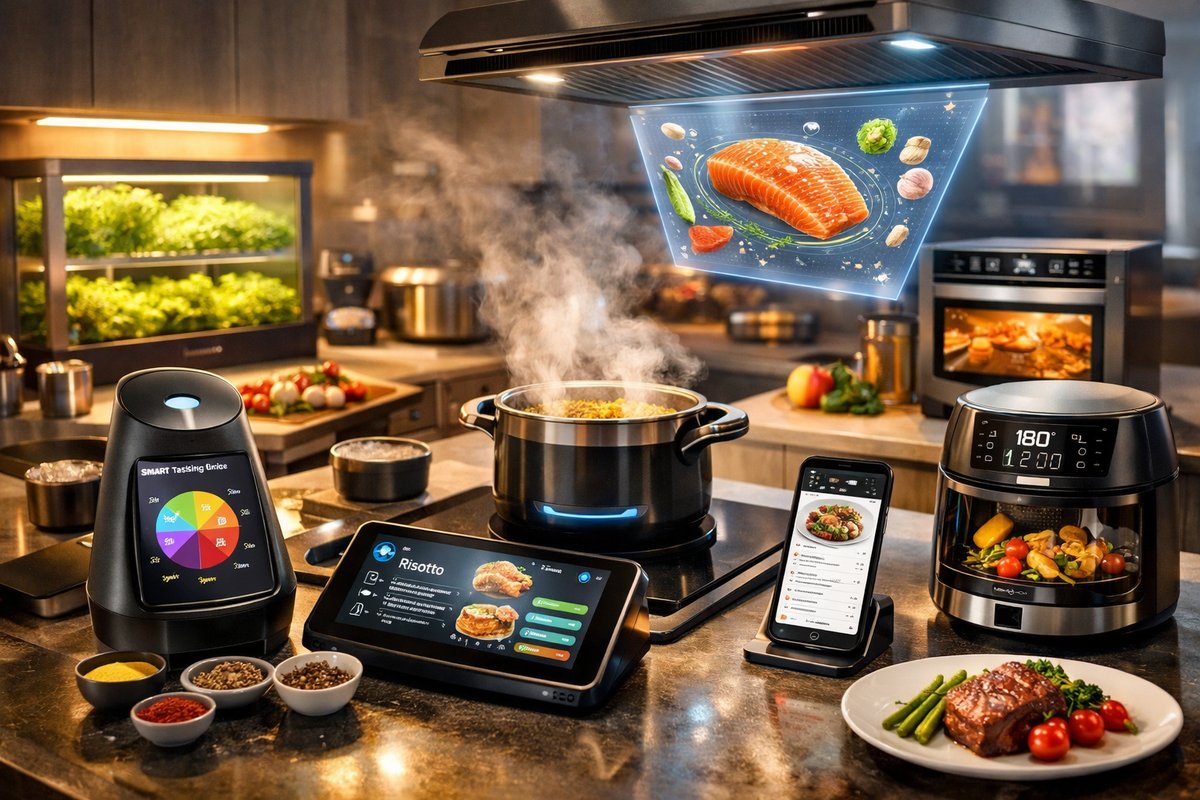
Innovations in kitchen technology are reshaping how home cooks engage with flavors and ingredients. From smart sensors that decode taste profiles to connected devices that guide cooking rituals, the modern kitchen is becoming a playground for adventurous palates and curious cooks alike.
The intersection of food and technology has entered an exciting phase where the kitchen is not just a space for meal preparation but a dynamic environment for flavor exploration and culinary innovation. Recent advances in sensor technology, connectivity, and data analytics are empowering home cooks to experiment with ingredients and techniques in ways previously reserved for professional chefs.
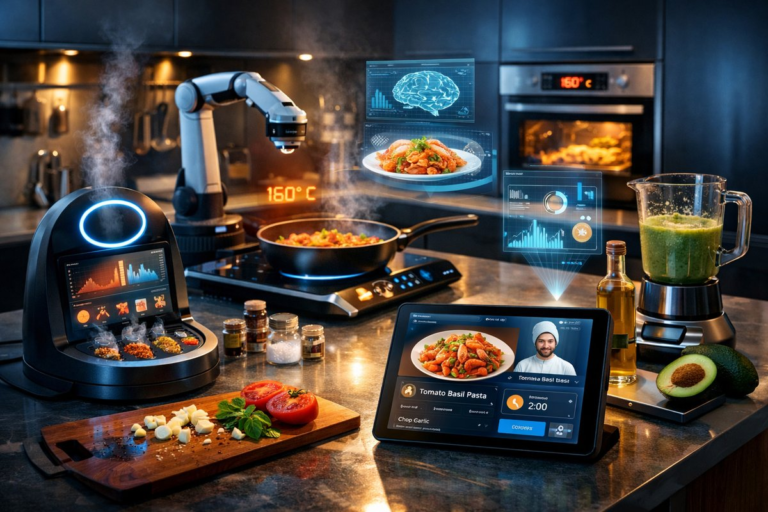
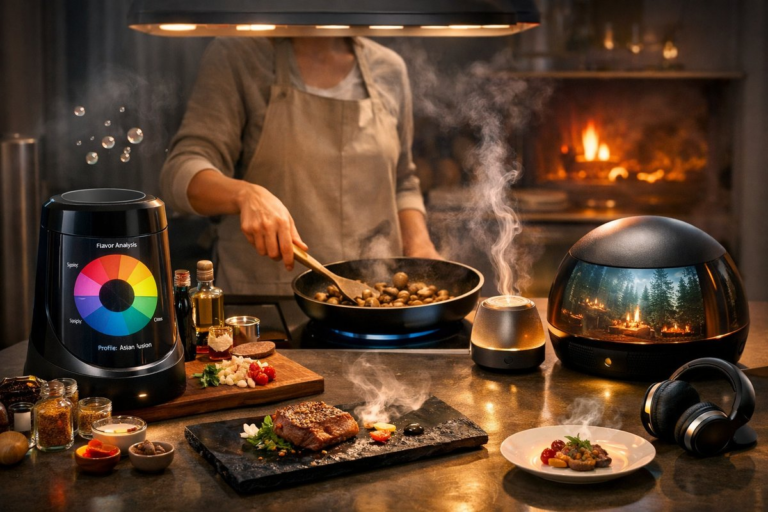
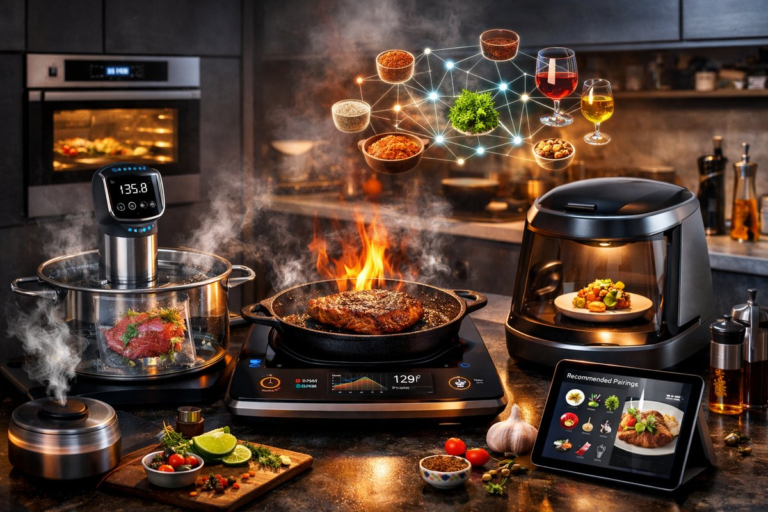
At the heart of this evolution is the emergence of smart kitchen devices equipped with sophisticated sensors that can analyze the chemical makeup and flavor profiles of foods in real-time. These sensors detect variables such as moisture content, acidity, salt levels, and even volatile aromatic compounds, providing users with immediate feedback and recommendations to enhance taste and texture.
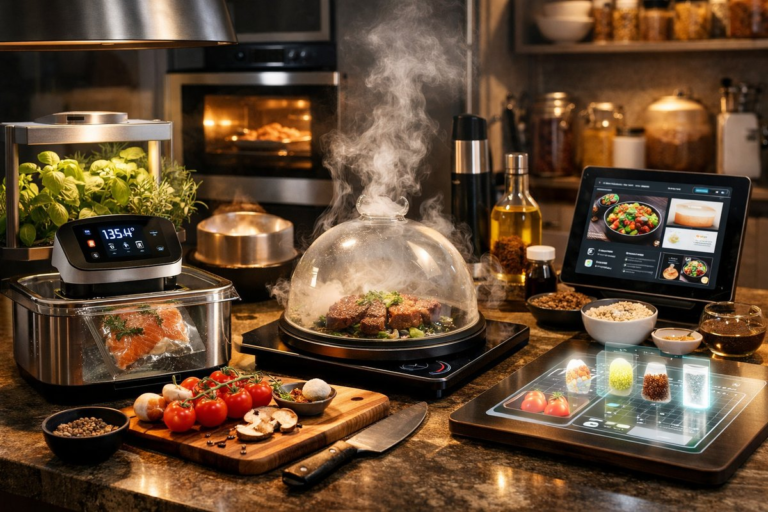
One of the most compelling aspects of this sensor-driven technology is its ability to demystify flavor science. For example, some devices can identify subtle flavor notes in herbs and spices or detect when proteins reach optimal doneness beyond mere temperature readings. This granular insight helps cooks adjust seasoning or cooking times on the fly, leading to more consistent and personalized results.
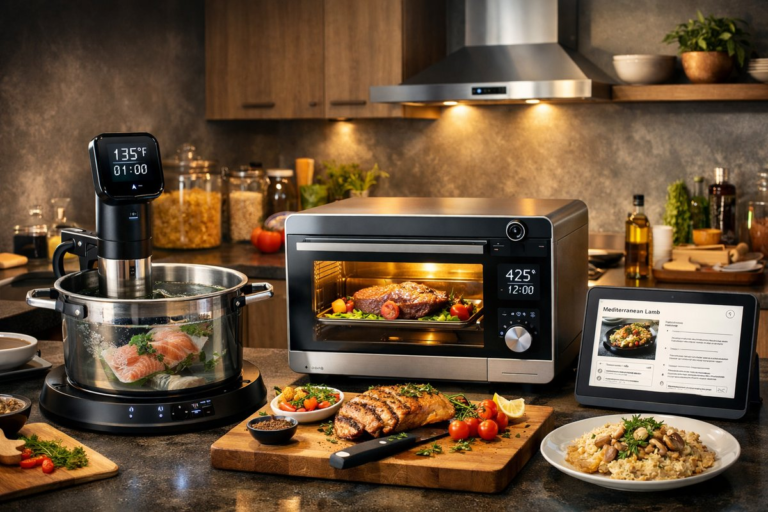
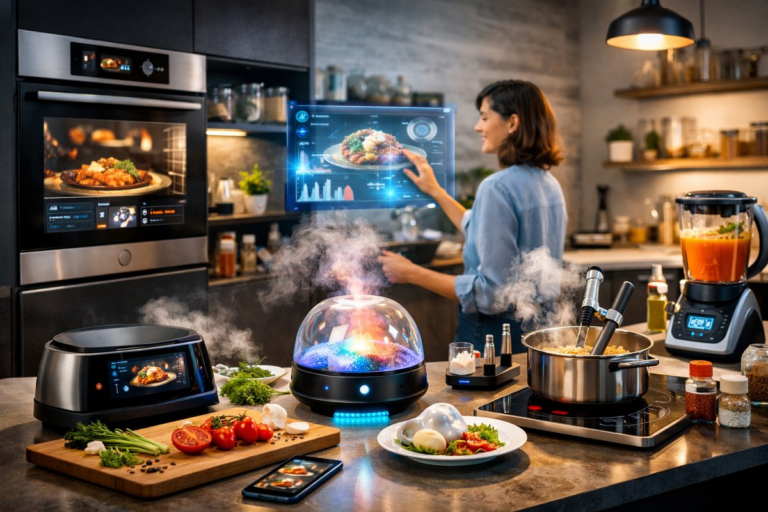
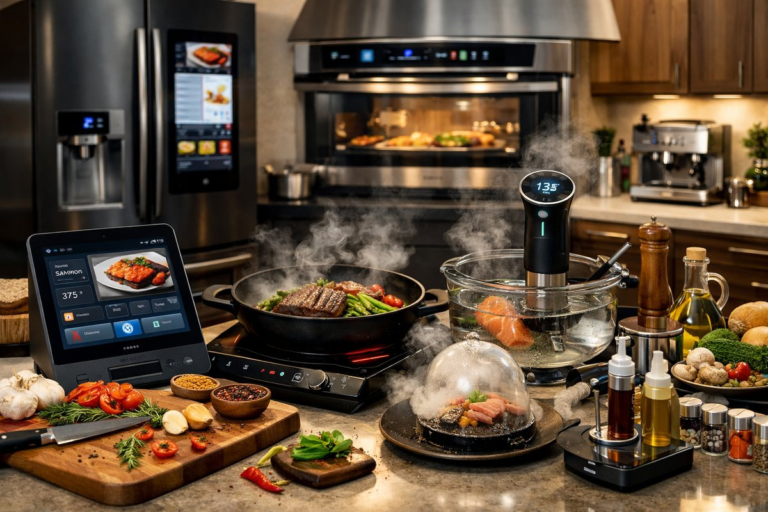
Beyond individual devices, the integration of Internet of Things (IoT) connectivity allows kitchen tools and appliances to communicate seamlessly. Imagine a smart stovetop that adjusts heat based on sensor feedback from a connected pan or a refrigerator that suggests recipes tailored to the freshness and composition of stored ingredients. These interconnected systems not only streamline cooking processes but also reduce food waste by optimizing ingredient usage.
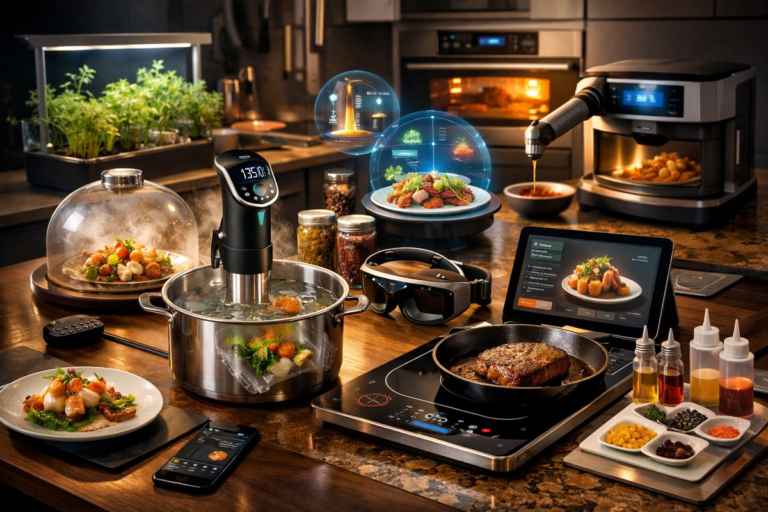
Furthermore, augmented reality (AR) applications and interactive kitchen displays are transforming cooking from a routine task into an immersive experience. By overlaying step-by-step instructions, visual cues, and flavor pairing suggestions directly onto cookware or countertops, these technologies encourage experimentation and learning.
The sustainability implications of these advancements are significant as well. By enabling precise cooking and ingredient management, sensor technology helps minimize overcooking and spoilage, reducing the environmental footprint of home cooking. Additionally, some platforms encourage the use of local and seasonal produce by integrating data on ingredient availability and freshness.
Culturally, these tools are fostering a new wave of culinary curiosity. Home cooks are inspired to explore global flavors, reinterpret traditional recipes, and develop their own signature dishes with confidence. The emotional connection to food deepens as technology supports rather than replaces the tactile, sensory experiences that make cooking meaningful.
As these technologies become more accessible and affordable, they democratize culinary creativity, inviting everyone from novices to seasoned enthusiasts to engage in flavor discovery. The kitchen, once a space defined by static appliances, is evolving into a vibrant laboratory where science meets artistry, and every meal becomes an opportunity for adventure.
Looking ahead, the fusion of AI-driven flavor prediction models with sensor data promises even more personalized cooking experiences. Imagine systems that learn individual taste preferences over time, suggesting ingredient substitutions or novel recipes that align perfectly with a cook’s palate and dietary needs.
In essence, the future of kitchen technology lies in enhancing human intuition and creativity rather than replacing it. By blending data, sensory input, and connected tools, the modern kitchen is poised to become a space where flavor is not just tasted but understood and crafted with intention.