Location
Mount Vernon, WA 98274

Location
Mount Vernon, WA 98274
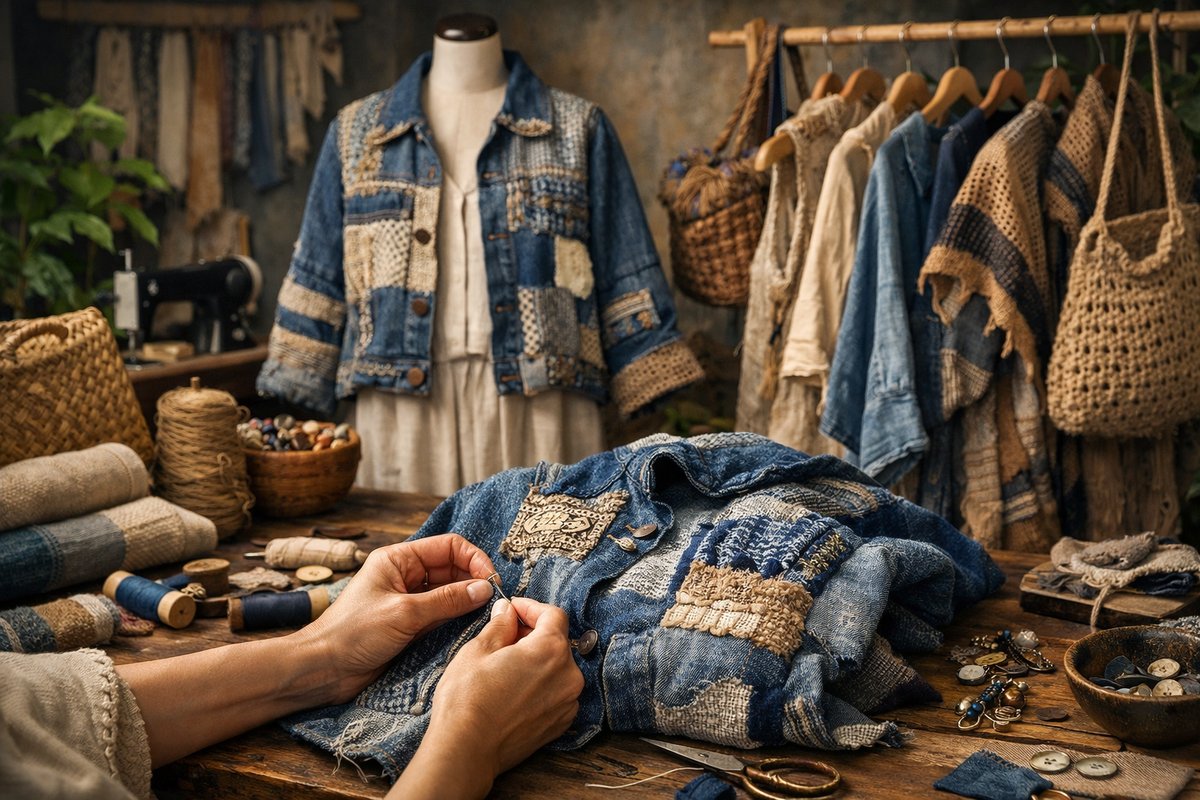
As the fashion industry faces growing scrutiny over environmental and ethical concerns, a transformative movement is reshaping how we think about clothing. Artisanal craftsmanship and upcycled materials are merging tradition with innovation, inviting consumers to embrace style that tells a meaningful story while treading lightly on the planet.
The fashion landscape is undergoing a profound shift, one that goes beyond fleeting trends and fast-paced consumption. Increasingly, consumers and creators alike are seeking garments and accessories that carry deeper significance-pieces that honor heritage, minimize environmental impact, and empower communities. This renaissance in fashion centers around artisanal techniques and upcycling practices, which together offer a compelling alternative to mass production and wasteful practices.
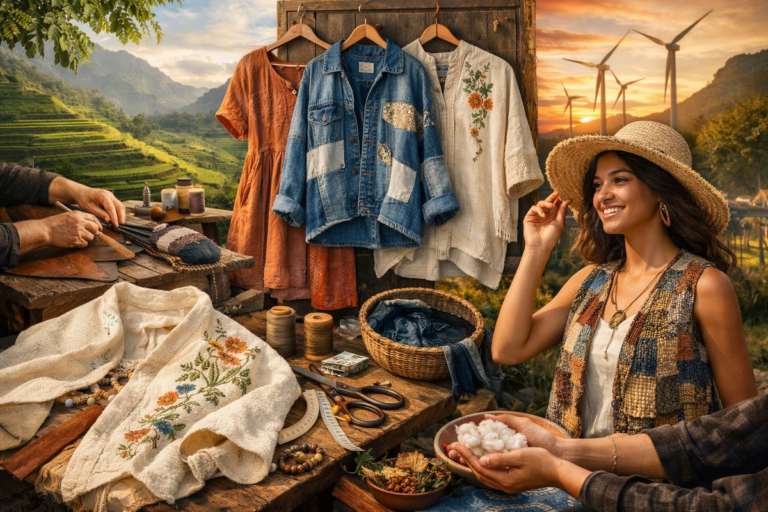
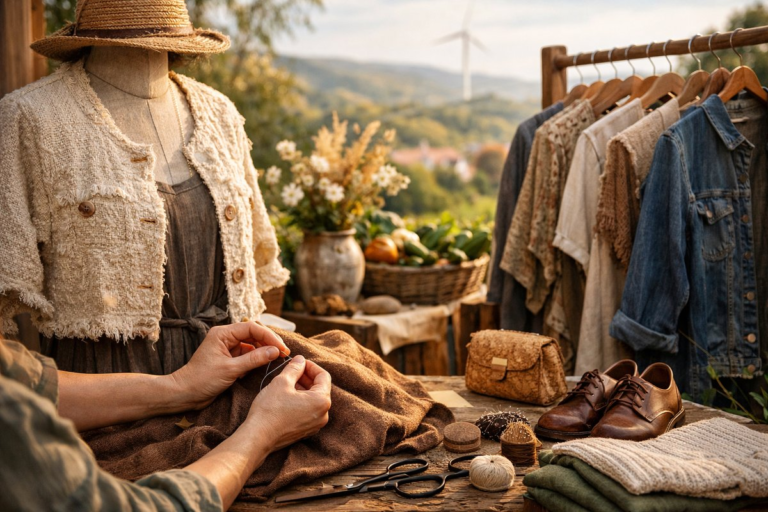
Artisanal fashion revives traditional craftsmanship, celebrating the skills passed down through generations. From handwoven textiles to intricate embroidery, artisans infuse garments with cultural narratives and a human touch that machines cannot replicate. This approach not only preserves endangered techniques but also fosters economic opportunities for local communities, particularly in regions where craftsmanship is a vital part of identity.
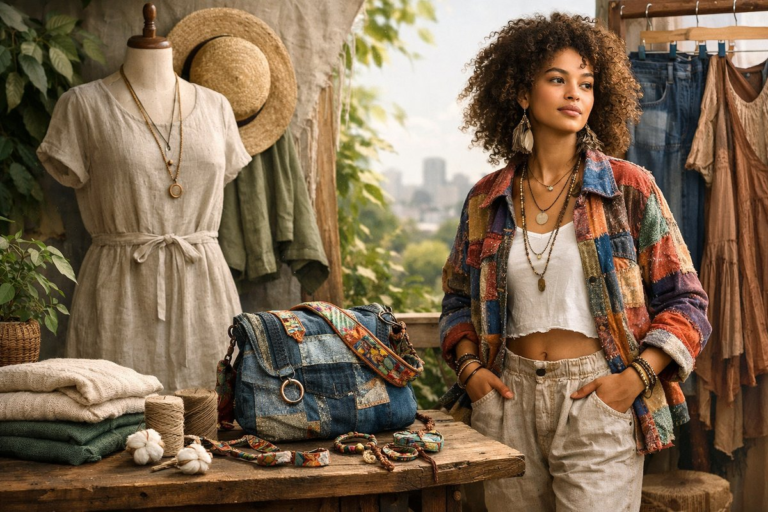
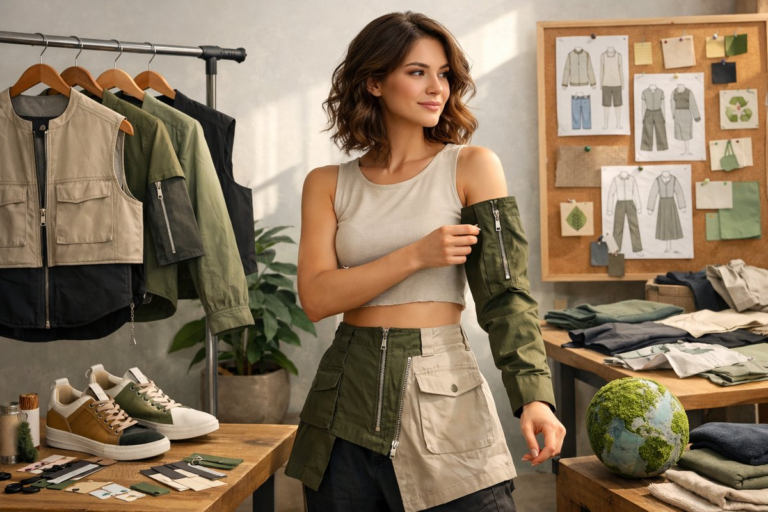
Parallel to this revival is the rise of upcycling-transforming discarded or surplus materials into new, desirable fashion items. Upcycling challenges the throwaway culture by reimagining waste as a resource. Designers creatively repurpose vintage fabrics, deadstock textiles, and even unconventional materials like plastic packaging or discarded denim to craft unique pieces. This process reduces landfill contributions and lessens the demand for virgin resources, aligning fashion with sustainability goals.
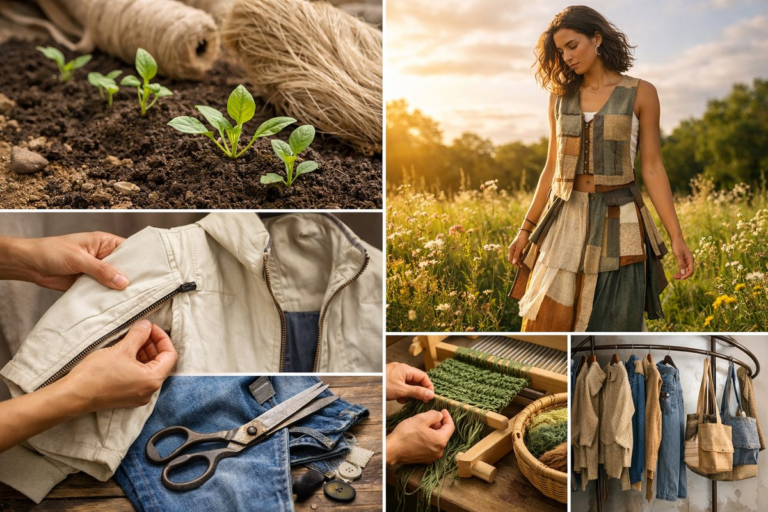
One remarkable aspect of this movement is its embrace of storytelling. Each upcycled garment or artisanal creation carries a narrative-of the maker’s heritage, the material’s origin, or the transformative journey from waste to wearable art. This narrative invites consumers to engage more mindfully with their wardrobe, fostering emotional connections that encourage longer garment lifespans and thoughtful consumption.
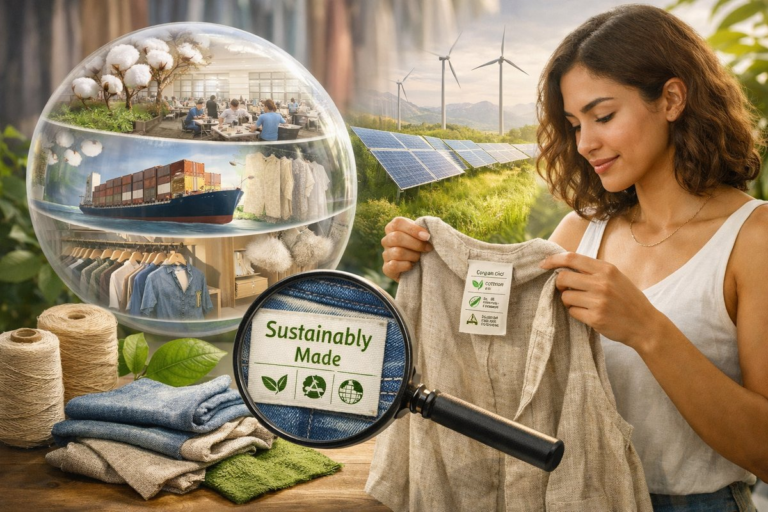
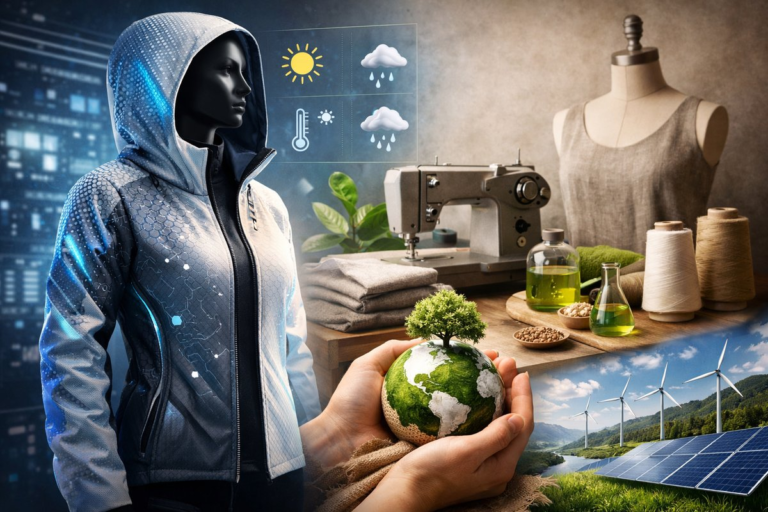
Technological innovation is also playing a supportive role. Digital platforms enable artisans to reach global audiences, while tools like 3D knitting and laser cutting allow for precise, waste-minimizing production methods that complement handcrafted elements. Furthermore, blockchain technology is beginning to be used to verify the provenance of materials and craftsmanship, enhancing transparency and consumer trust.
The economic implications are equally compelling. As demand for sustainable and meaningful fashion grows, brands that invest in artisanal and upcycled collections are finding enthusiastic markets willing to pay a premium for authenticity and ethics. This shift challenges the dominance of fast fashion by proving that quality, sustainability, and style can coexist profitably.
However, challenges remain. Scaling artisanal and upcycled fashion requires balancing authenticity with production capacity, ensuring fair compensation for makers, and educating consumers about the value of slower, more deliberate fashion choices. It also calls for infrastructure improvements, such as more accessible textile recycling programs and better support for small-scale artisans.
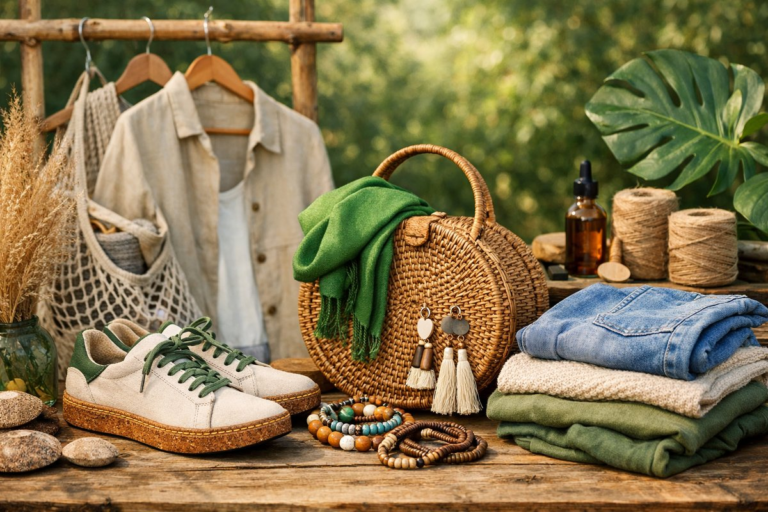
For consumers eager to participate in this transformative wave, embracing artisanal and upcycled fashion means more than just buying clothes-it means supporting systems that prioritize environmental stewardship, cultural preservation, and social equity. Wardrobes become curated collections of stories and values, where every thread reflects a commitment to a more conscious and connected world.
As we look ahead, the fusion of tradition and innovation in fashion offers a hopeful blueprint. It invites us to reconsider what we wear, why we wear it, and how those choices ripple through the planet and society. By choosing artisanal and upcycled pieces, we wear not only style but a statement-one of respect, responsibility, and creativity.