Location
Mount Vernon, WA 98274

Location
Mount Vernon, WA 98274
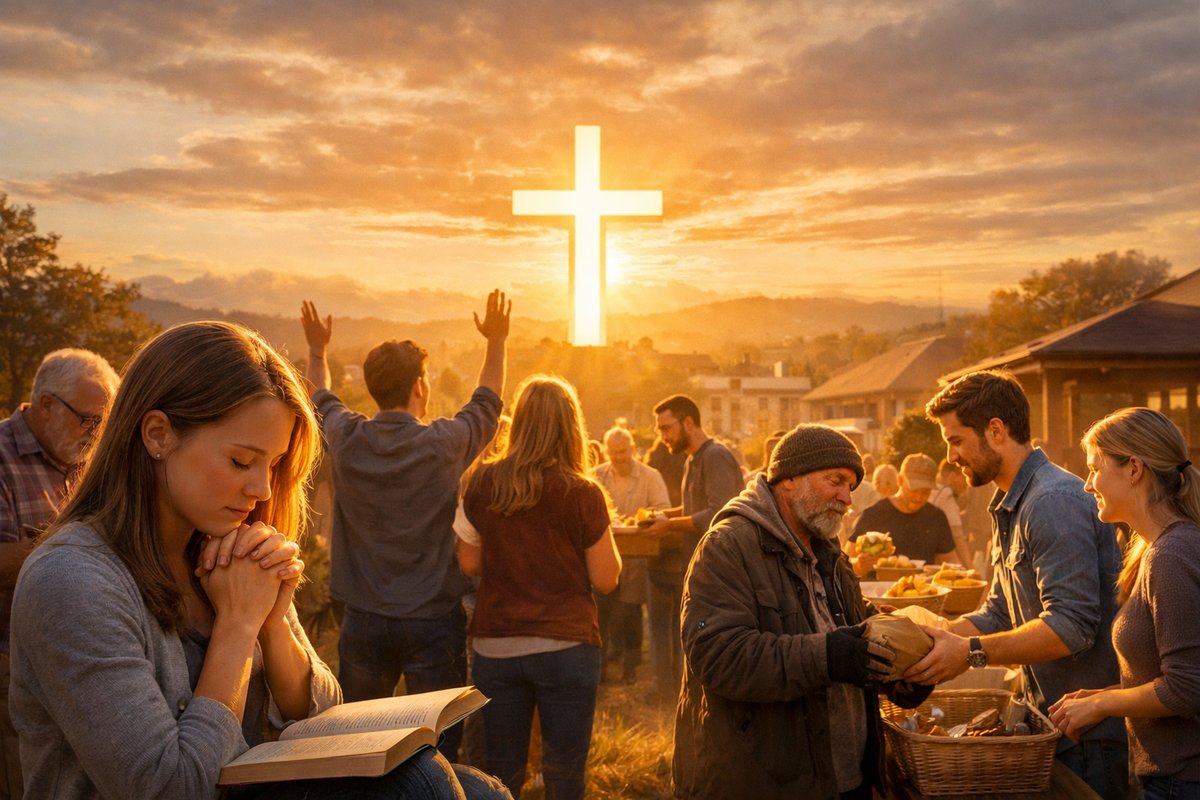
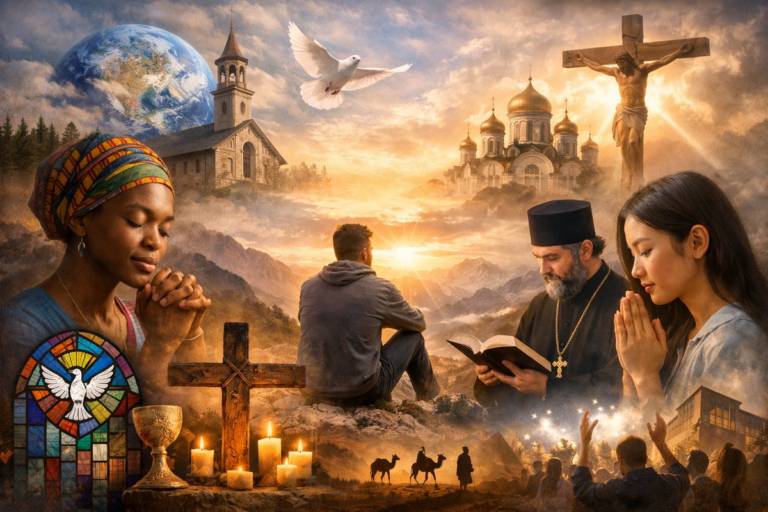
Christianity today is experiencing a subtle yet profound renewal, marked by a return to personal spirituality, community engagement, and practical faith expressions. This transformation invites believers and seekers alike to explore faith as a dynamic, lived experience that resonates with modern challenges and hopes.
In an era often defined by rapid change, cultural complexity, and digital saturation, Christianity is quietly undergoing a transformation that is both deeply personal and broadly communal. This renewal is not characterized by loud proclamations or sweeping institutional reforms but rather by the subtle ways in which individuals and communities are reclaiming faith as a source of meaning, resilience, and ethical grounding in everyday life.
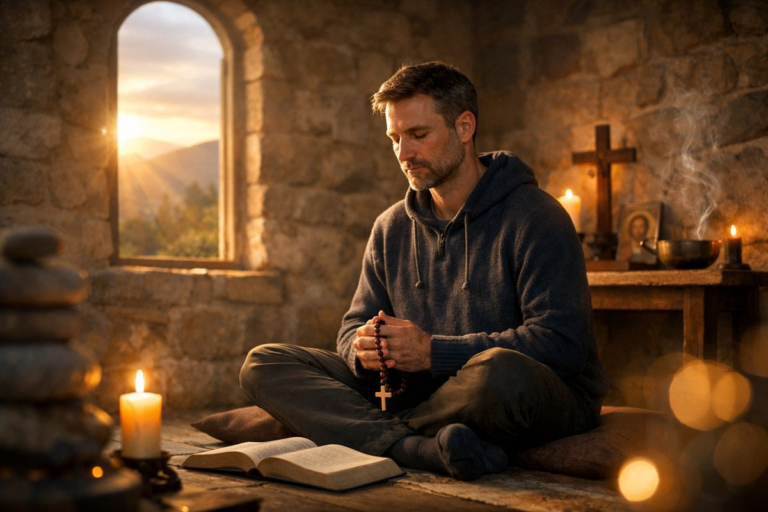
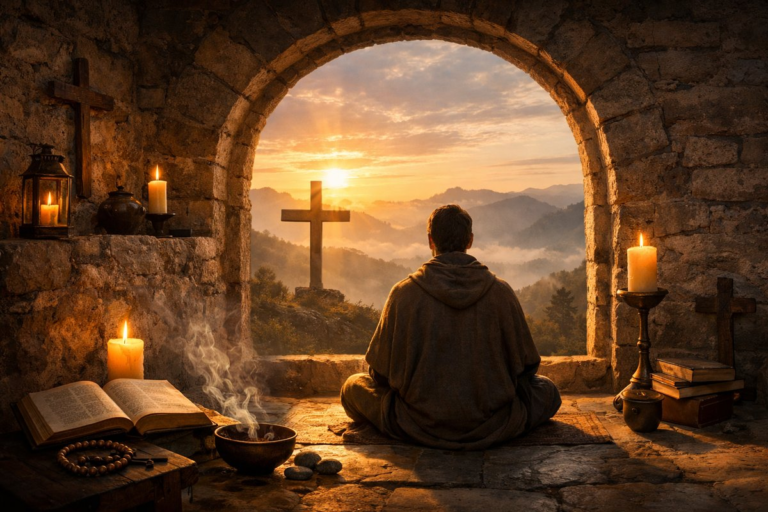
This contemporary Christian awakening is rooted in a variety of expressions that reflect the diverse ways people engage with their spirituality. One significant trend is the resurgence of contemplative practices-meditation, prayer, and silence-as antidotes to the noise and distraction of modern living. These practices invite believers to cultivate inner stillness and attentiveness, fostering a deeper awareness of the divine presence amid the ordinary rhythms of life.
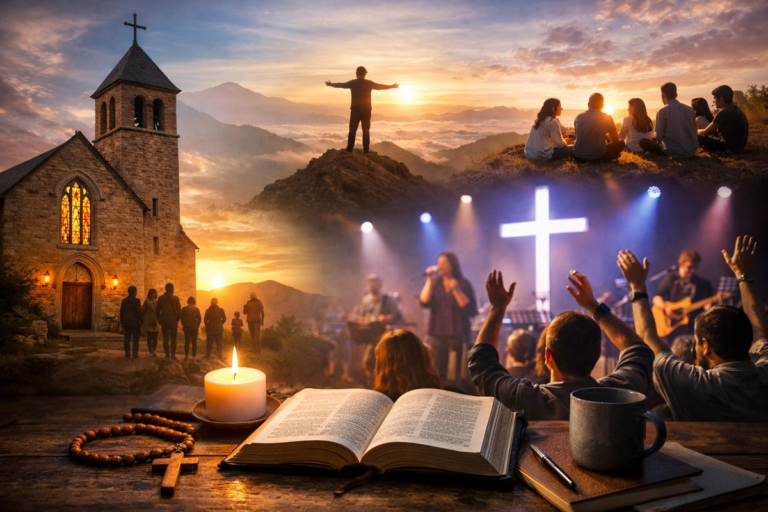
Alongside contemplative spirituality, there is a renewed emphasis on community and relational faith. Many Christians are seeking authentic connections that transcend superficial interactions, forming small groups, service-oriented ministries, and intergenerational gatherings that nurture belonging and mutual support. This relational approach reflects a desire to live out the teachings of Jesus in tangible ways, emphasizing compassion, justice, and hospitality.
Moreover, the integration of faith with social and environmental concerns is gaining momentum. Christians today are increasingly aware of their responsibility to care for creation and advocate for social equity, inspired by theological reflections that link stewardship of the earth with spiritual discipleship. This eco-conscious faith challenges believers to consider how their choices impact the broader world and to embody hope through sustainable living and advocacy.
Education and thoughtful reflection remain vital components of this evolving faith landscape. Many are turning to scripture study, theological exploration, and dialogue across traditions to deepen their understanding and navigate the complexities of modern life with discernment. This intellectual engagement does not diminish the mystery of faith but enriches it, encouraging curiosity and openness rather than dogmatism.
The role of technology in this renewal is paradoxical yet pivotal. While digital platforms can contribute to distraction, they also offer unprecedented opportunities for connection, learning, and worship. Online communities, podcasts, and virtual retreats enable believers to access spiritual resources and fellowship beyond geographic limitations, fostering inclusivity and innovation in faith practices.
Importantly, this transformation is marked by an embrace of vulnerability and authenticity. Many Christians are sharing their struggles, doubts, and questions openly, creating spaces where faith is not a performance but a journey marked by grace and resilience. This honest engagement invites others to explore spirituality without fear of judgment, fostering a culture of empathy and encouragement.
In practical terms, this renewed Christianity manifests in everyday actions-kindness extended to strangers, ethical decisions in the workplace, advocacy for marginalized groups, and mindful stewardship of resources. These lived expressions of faith demonstrate that spirituality is not confined to sacred spaces or rituals but permeates all aspects of life.
This quiet transformation challenges assumptions about religion’s place in contemporary society. Rather than retreating from public life or becoming irrelevant, Christianity is finding fresh vitality by adapting to the needs and aspirations of today’s seekers. It is a faith that honors tradition while embracing innovation, rooted in timeless truths yet responsive to the present moment.
As this renewal continues to unfold, it invites all-believers and nonbelievers alike-to consider how spirituality can enrich human experience, foster community, and inspire action toward a more compassionate and just world. In doing so, Christianity reveals itself not as a static institution but as a living, evolving journey of hope and meaning.