Location
Mount Vernon, WA 98274

Location
Mount Vernon, WA 98274
In an era dominated by instant connectivity and rapid transit, a growing movement embraces slow, off-grid travel as a pathway to deeper connection with the land and oneself. This journey away from the digital noise and tourist throngs reveals new ways to engage with the world, inviting travelers to become more present, curious, and mindful.
Travel today often feels like a race against time and an endless scroll of photos and check-ins. Yet, beneath this high-speed surface, a quieter, more intentional form of journeying is gaining momentum-off-grid travel. Defined by its deliberate disconnection from the usual digital and urban infrastructures, off-grid travel beckons adventurers to step beyond the curated experiences of social media and rediscover the unfiltered textures of place and inner life.
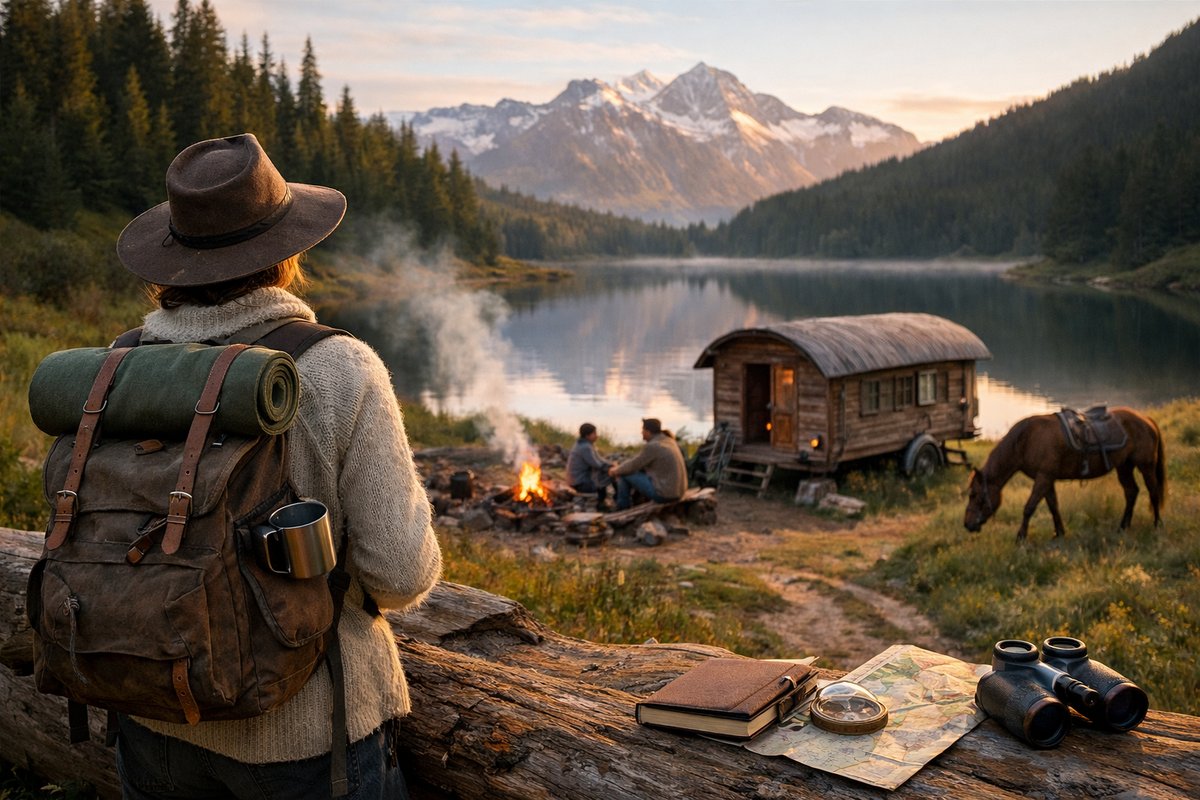
The essence of off-grid travel lies in slowing down and simplifying. It often means choosing destinations far from cellular towers and Wi-Fi hotspots, opting for modes of transportation that favor immersion over speed, and embracing accommodations that blend with rather than dominate their surroundings. Whether it’s a cabin nestled in a remote forest, a tent pitched beside a silent lake, or a small village reachable only by foot or boat, these places offer a unique canvas for travelers to experience the world’s rhythms and stories without distraction.
This form of travel challenges conventional notions of convenience and control. It requires embracing uncertainty-roads less traveled may lack clear signage, and days might unfold without the usual digital schedules. Yet, this unpredictability is precisely what invites deeper curiosity and attentiveness. Without the usual digital tether, travelers report heightened sensory awareness: the texture of moss on ancient stones, the chorus of unseen birds at dawn, the shifting patterns of light and shadow through leaves. These details, often overlooked in the rush of modern life, become vivid touchpoints that anchor the traveler in the present.
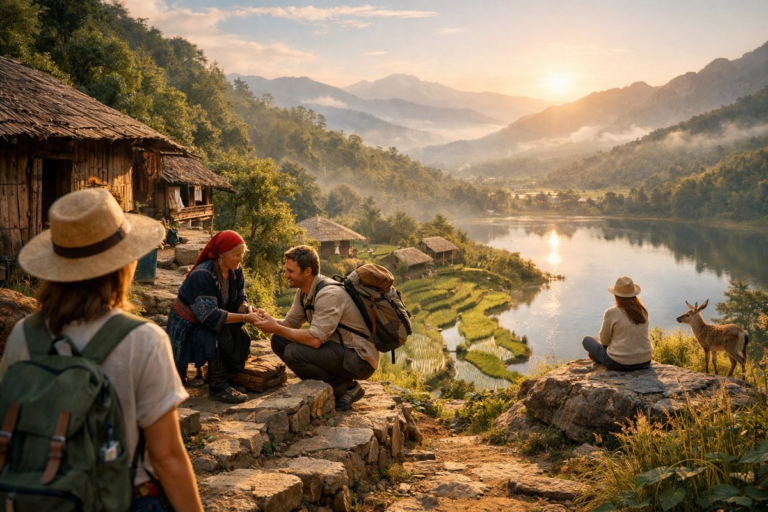
Culturally, off-grid travel can foster more authentic encounters. In places less touched by mass tourism, interactions with local residents often feel less transactional and more genuine. Travelers have the chance to learn about traditions, crafts, and ways of life that have endured quietly alongside nature. This proximity nurtures empathy and respect, countering the homogenizing effects of global travel trends.
Psychologically, stepping away from constant connectivity offers restorative benefits. Studies have shown that digital detoxes can reduce stress and improve mood, and when combined with nature immersion, the effects are even more profound. Off-grid travel encourages a form of mindfulness born from simplicity and solitude, providing space for reflection, creativity, and emotional recalibration.
Sustainability also underpins much of the off-grid ethos. By minimizing reliance on energy-intensive infrastructure and avoiding overcrowded destinations, travelers can reduce their ecological footprint. Many off-grid accommodations prioritize renewable energy, water conservation, and waste reduction, aligning travel practices with broader environmental stewardship.
However, off-grid travel is not without challenges. Safety considerations require careful preparation, from navigation skills to emergency planning. Accessibility can be limited, and travelers must respect the fragility of remote ecosystems and communities. Ethical travel in these contexts means honoring local customs, minimizing impact, and supporting local economies in responsible ways.
Technology paradoxically plays a nuanced role in off-grid travel. While the goal is often to unplug, many travelers use technology thoughtfully-downloading maps for offline use, carrying solar chargers, or sharing stories post-trip to inspire others. This selective use underscores a mature relationship with technology, balancing connectivity with presence.
In essence, off-grid travel invites a redefinition of what it means to journey. It is less about ticking destinations off a list and more about cultivating a relationship with place and self. It asks travelers to slow their pace, listen deeply, and carry the experience as a quiet transformation rather than a flashy souvenir.
As more seek refuge from the relentless pace of modern life, off-grid travel offers a compelling alternative-a chance to wander not just across landscapes but into the rich terrain of mindfulness, connection, and sustainable presence. It is a journey that lingers long after the return home, shaping how we see the world and ourselves in it.