Location
Mount Vernon, WA 98274

Location
Mount Vernon, WA 98274
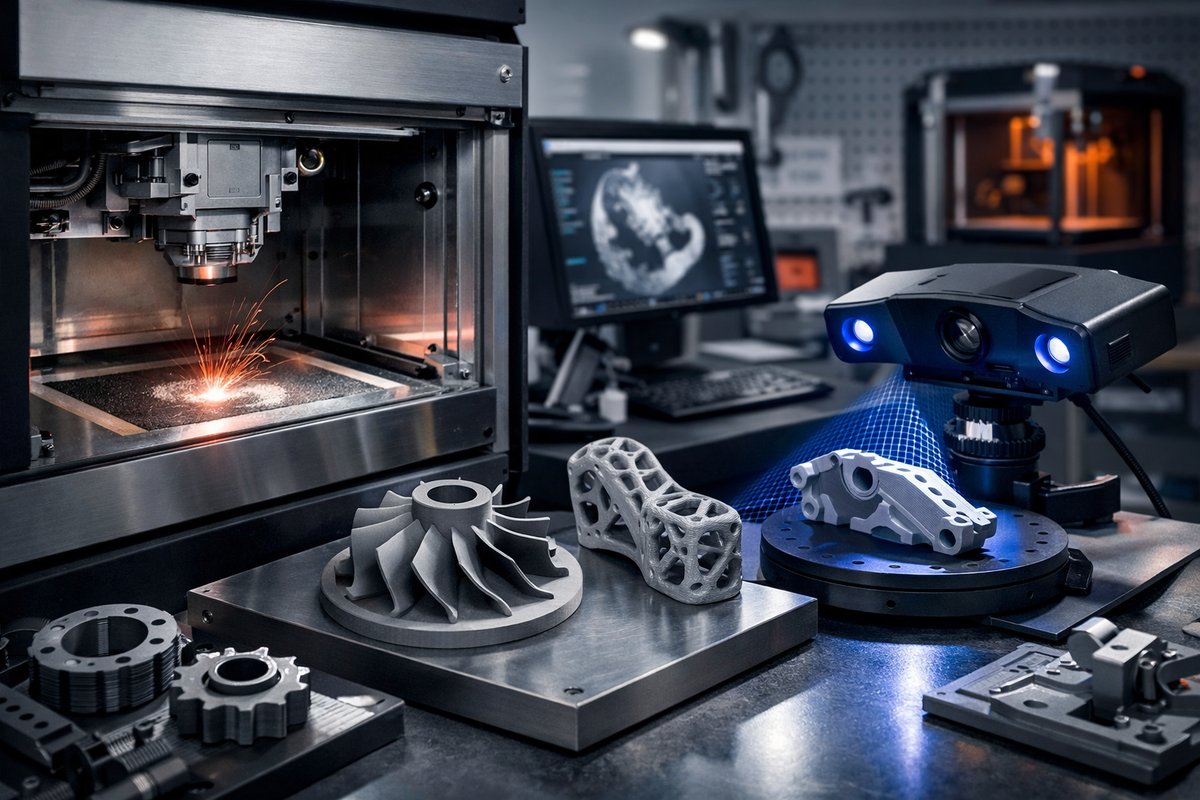
Additive manufacturing opens new horizons beyond traditional subtractive methods, with Selective Laser Sintering (SLS) standing out as a versatile and precise technique. This guide explores the essentials of SLS technology, its key components, and how to integrate it with complementary tools to unlock complex, durable designs.
Additive manufacturing, often celebrated for its ability to build complex geometries layer by layer, contrasts sharply with the subtractive discipline of machining, where material is removed to reveal form. Among the various additive processes, Selective Laser Sintering (SLS) offers a unique blend of precision, material versatility, and functional strength, making it an excellent choice for designers and engineers eager to expand their fabrication toolkit.
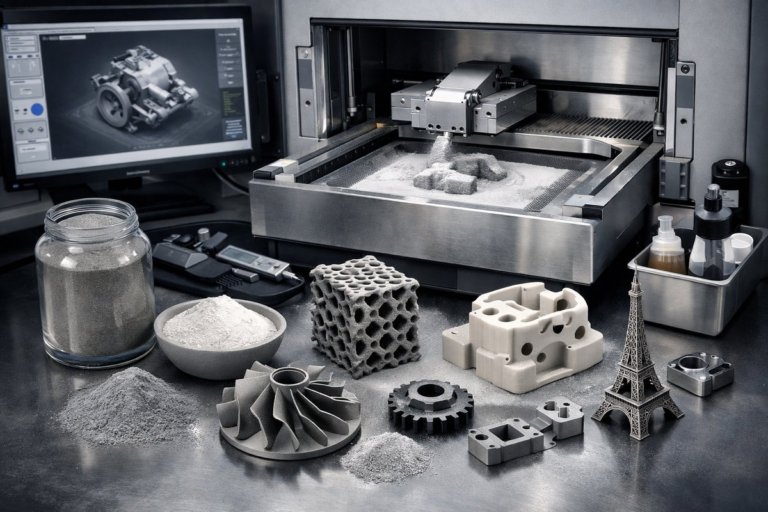
SLS works by using a high-powered laser to sinter powdered material-commonly nylon or polyamide-into solid structures. Unlike fused deposition modeling (FDM), which extrudes thermoplastic filament, SLS fuses powder particles directly, allowing for intricate details and strong mechanical properties without the need for support structures. This capability opens doors to creating complex internal geometries, lattice frameworks, and durable prototypes that can transition seamlessly into functional parts.
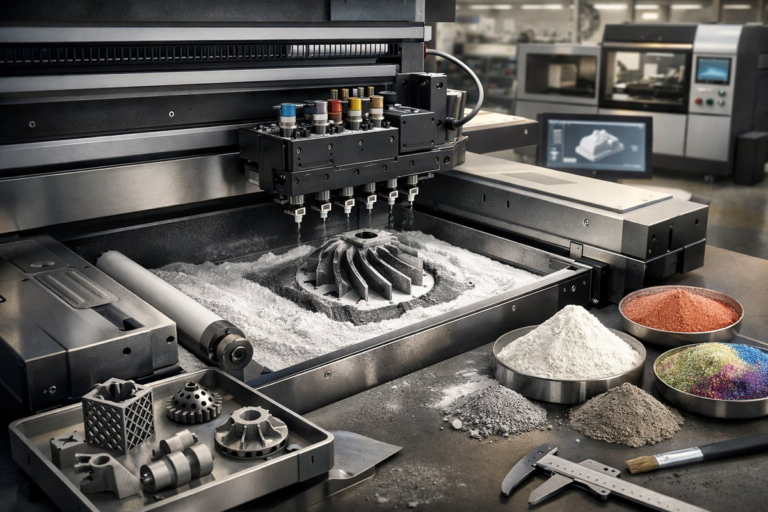
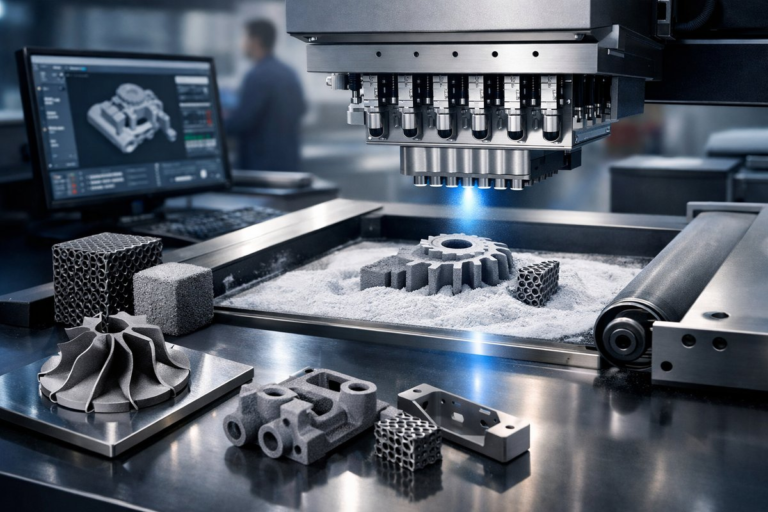
To begin working with SLS, one must understand the core components of the system. The laser source, typically a CO2 laser, provides the energy to fuse the powder selectively. The build chamber is filled with a thin layer of powder, and the laser traces the cross-section of the part, sintering particles together. After each layer, the build platform lowers, and a new layer of powder is spread evenly by a roller or blade. This layering continues until the part is fully formed.
Material choice is crucial in SLS. Polyamide powders are popular for their balance of strength, flexibility, and surface finish. Advanced materials like glass-filled or carbon-fiber-reinforced powders enhance stiffness and thermal resistance, expanding the application range. Understanding powder characteristics-such as particle size distribution, flowability, and thermal properties-ensures optimal sintering and part quality.
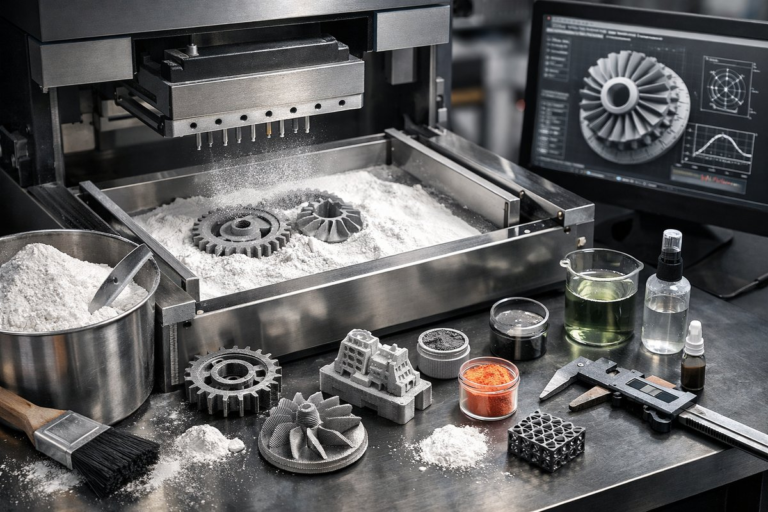
Post-processing complements the SLS process. Once printing is complete, parts are embedded in unsintered powder, which acts as natural support. Careful depowdering is necessary, often involving air blasting or ultrasonic cleaning to remove residual powder from intricate cavities. Surface finishing techniques such as tumbling, bead blasting, or chemical smoothing improve aesthetics and tactile feel.
Integrating SLS with traditional subtractive tools can elevate the final product. For example, CNC milling machines can refine critical dimensions or add threaded holes with precision, especially where tight tolerances are essential. Routers equipped with fine end mills can enhance surface flatness or create mating features that require exact fits. This hybrid approach leverages the strengths of both additive and subtractive methods, producing parts that are not only complex but also functionally robust.
For those interested in exploring SLS, starting with desktop or benchtop SLS machines provides an accessible entry point. These units offer sufficient build volumes for prototyping and small-batch production while maintaining manageable costs. Learning to prepare 3D models with appropriate wall thicknesses, orientation, and support considerations optimizes print success. Slicing software tailored for SLS allows control over laser power, scan speed, and layer thickness, enabling fine-tuning of mechanical properties and surface finish.
Safety and sustainability are important considerations. Handling fine powders requires proper ventilation, dust extraction, and personal protective equipment to minimize inhalation risks. Many SLS powders can be recycled within the machine, reducing waste and environmental impact. Selecting bio-based or recyclable materials further aligns with sustainable manufacturing principles.
The emotional satisfaction derived from additive manufacturing lies in witnessing a part emerge from a cloud of powder, layer by layer, embodying both imagination and engineering rigor. SLS empowers creators to push boundaries, crafting lightweight aerospace components, custom medical devices, or intricate art pieces that would be impossible or prohibitively expensive with subtractive methods alone.
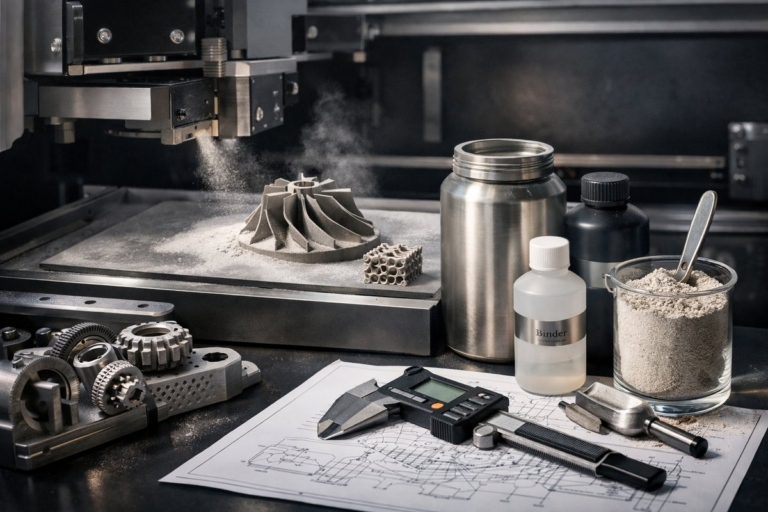
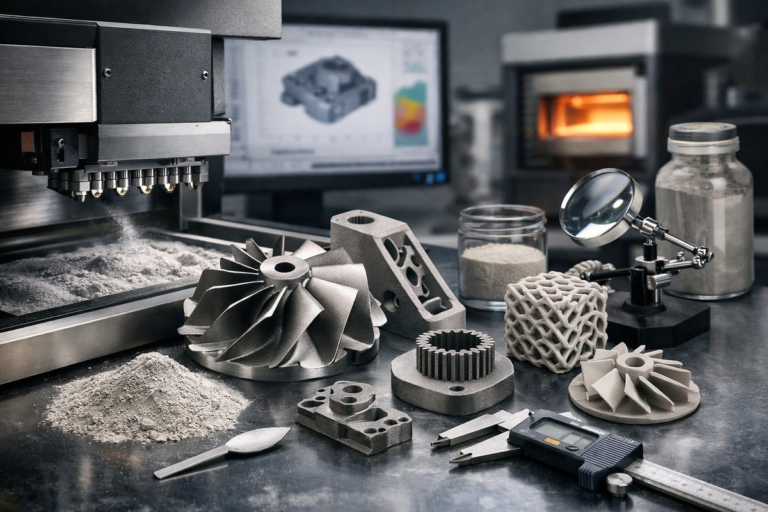
To embark on your SLS journey, consider complementing your setup with precise CNC tools for finishing, quality inspection instruments like calipers or 3D scanners for dimensional verification, and robust post-processing equipment. Mastery of these tools, combined with a deep understanding of SLS parameters and materials, will unlock new dimensions of design freedom and manufacturing excellence.
In essence, Selective Laser Sintering represents a harmonious fusion of tradition and innovation-honoring the meticulous discipline of shaping matter while embracing the limitless possibilities additive manufacturing offers. Whether you are a seasoned machinist or a curious maker, integrating SLS into your workflow promises a rewarding exploration of form, function, and creative potential.