Location
Mount Vernon, WA 98274

Location
Mount Vernon, WA 98274
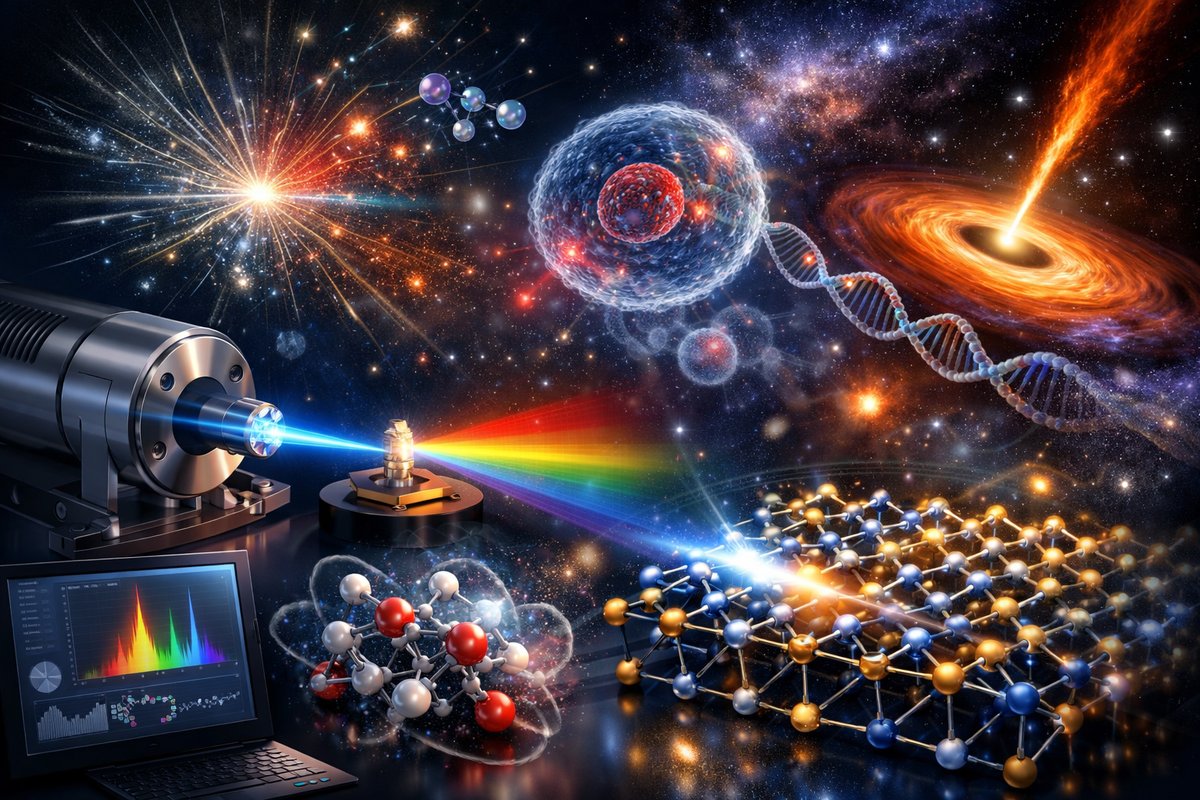
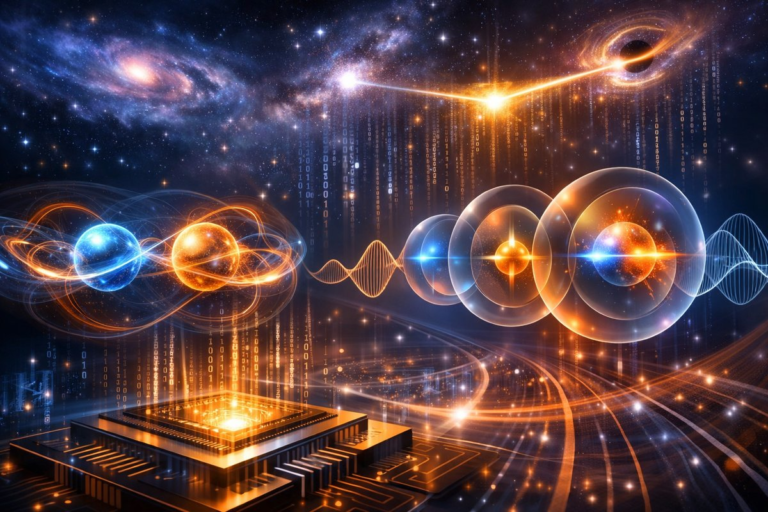
Recent breakthroughs in spectroscopic techniques are enabling scientists to observe matter at unprecedented scales and resolutions. These advances promise to deepen our grasp of chemical reactions, material properties, and even the fundamental forces shaping the universe.
Spectroscopy, the study of how matter interacts with electromagnetic radiation, has long been a cornerstone of scientific discovery. From the identification of elements in distant stars to the analysis of complex biomolecules, spectroscopic methods have illuminated the unseen and expanded human knowledge. Today, a new wave of technological innovation is revolutionizing this field, pushing the boundaries of what can be observed and understood.
At the heart of these advances are ultra-sensitive detectors, enhanced light sources, and sophisticated computational algorithms. Together, they allow researchers to capture spectral data with higher precision and speed than ever before. One particularly promising development is the integration of ultrafast laser pulses with spectrometers, enabling the observation of chemical reactions as they unfold in real time on femtosecond timescales. This temporal resolution opens a window into transient states of matter that were previously inaccessible.
Moreover, the miniaturization of spectroscopic instruments is making these tools more versatile and accessible. Portable devices employing microelectromechanical systems (MEMS) and nanophotonic components can now perform high-resolution analyses outside traditional laboratory settings. This mobility is crucial for applications ranging from environmental monitoring to medical diagnostics, where in situ measurements provide more accurate and timely information.
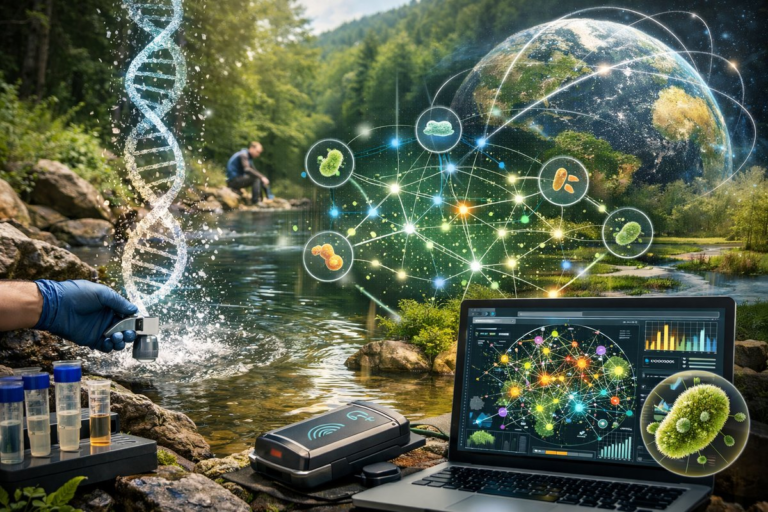
Another frontier lies in combining spectroscopy with imaging techniques to create hyperspectral imaging systems. These devices capture spatial and spectral information simultaneously, producing detailed maps of material composition and structure. In environmental science, for example, hyperspectral imaging mounted on drones is revolutionizing ecosystem monitoring by detecting subtle changes in vegetation health and soil composition over large areas.
The implications extend to material science as well. Researchers can now characterize nanomaterials with unprecedented detail, revealing how atomic-scale structures influence macroscopic properties like conductivity, strength, and reactivity. This knowledge is driving the design of next-generation materials for energy storage, catalysis, and electronics.
In the realm of fundamental physics, advances in spectroscopy are shedding light on elusive phenomena. High-precision measurements of atomic and molecular spectra contribute to testing the limits of quantum electrodynamics and probing potential variations in fundamental constants. These experiments not only deepen our understanding of the universe but also guide the search for new physics beyond the Standard Model.
Data analysis plays an increasingly vital role as spectroscopic datasets grow in complexity and volume. Machine learning algorithms are being developed to identify patterns and extract meaningful insights from spectral data, accelerating discovery and enabling real-time decision-making in dynamic environments.
Ethical considerations accompany these technological leaps. Ensuring data privacy, especially in biomedical applications, and minimizing environmental impact through sustainable instrument design are priorities for the scientific community. Open sharing of data and methodologies fosters collaboration and reproducibility, essential for robust scientific progress.
Looking forward, the convergence of spectroscopy with other emerging technologies such as quantum sensing and artificial intelligence promises to unlock new dimensions of observation. As these tools become more integrated into research and industry, they will continue to illuminate the invisible forces and structures that govern our world, inspiring curiosity and innovation across disciplines.