Location
Mount Vernon, WA 98274

Location
Mount Vernon, WA 98274
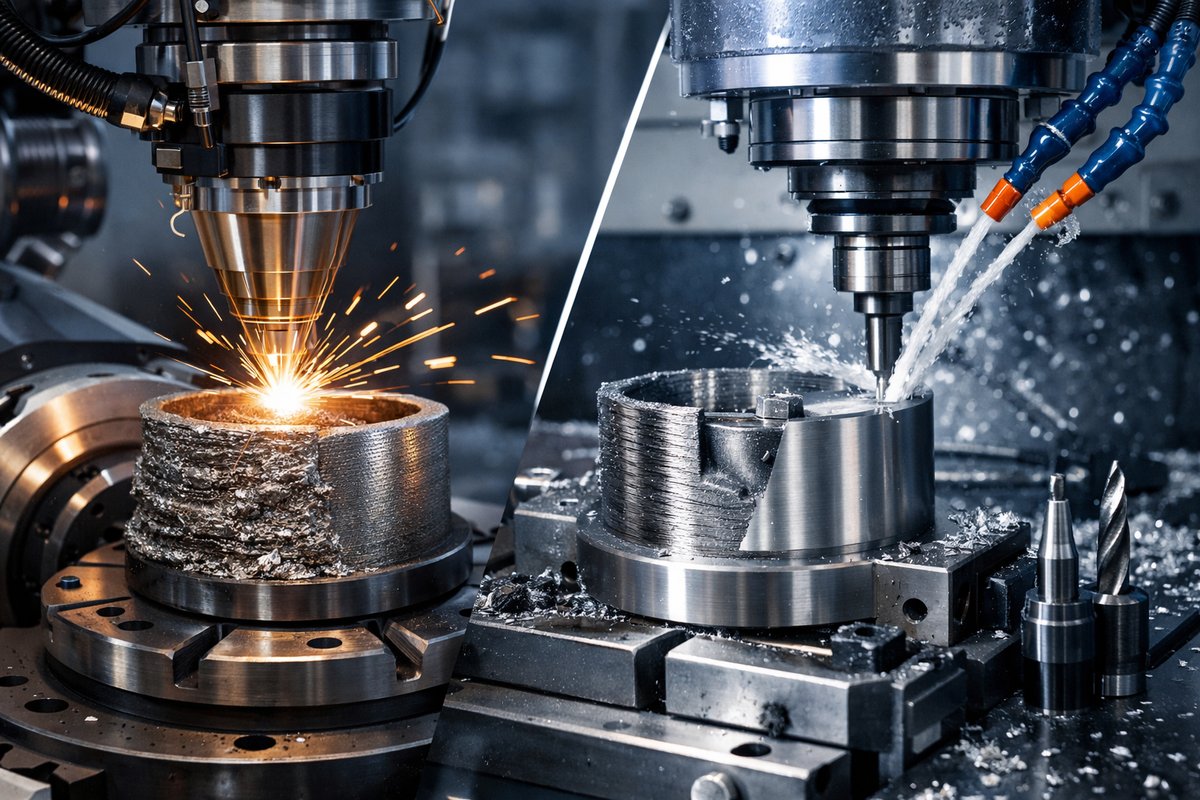
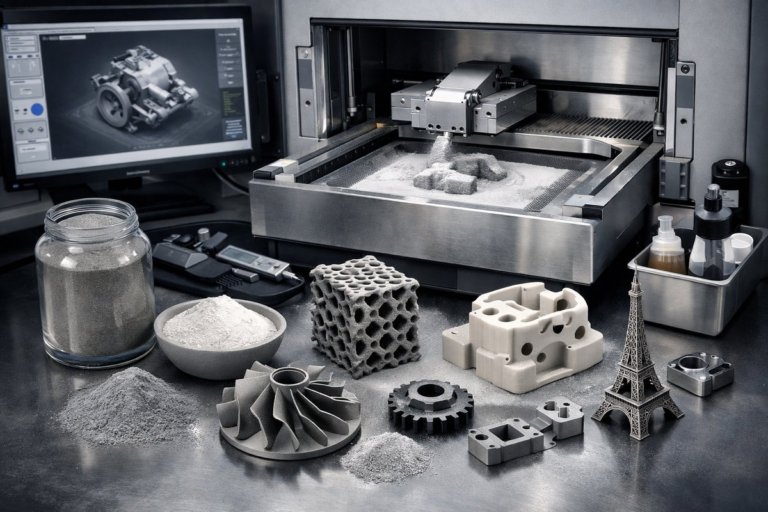
Direct Energy Deposition (DED) is a cutting-edge additive manufacturing technique that enables precise metal part creation by depositing and fusing material layer by layer. This guide delves into the process, highlighting how combining DED with CNC milling can elevate your projects from rough builds to finely finished components, inviting makers and professionals alike to experiment with this hybrid approach.
Additive manufacturing has revolutionized how we approach fabrication, offering new avenues to create complex geometries and customized parts. Among the many techniques available, Direct Energy Deposition (DED) stands out for its ability to build metal components with excellent structural integrity and repair capabilities. Unlike powder bed fusion or fused filament fabrication, DED deposits material by feeding metal powder or wire directly into a focused energy source, such as a laser or electron beam, which melts the material as it is deposited. This process allows for rapid buildup and the ability to work on large or complex shapes that are difficult to produce otherwise.
The core advantage of DED lies in its versatility. It can be used not only to manufacture parts from scratch but also to repair or add features to existing components. This makes it invaluable in industries like aerospace, automotive, and tooling where precision and material properties are critical. However, the surface finish and dimensional accuracy straight from the DED process often require refinement. This is where integrating subtractive manufacturing techniques such as CNC milling becomes transformative.
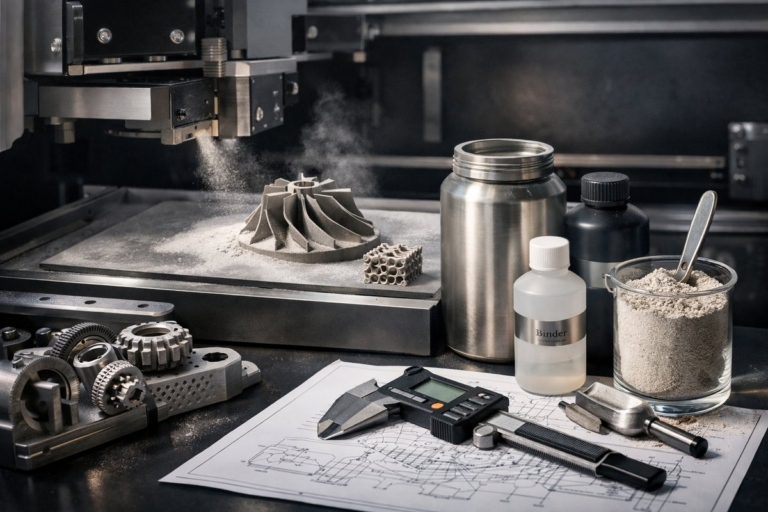
To embark on a project using DED, you first need to understand the essential components of the system. The setup generally includes a deposition head equipped with powder or wire feed mechanisms, a high-energy source to melt the material, and a multi-axis motion system to control the toolpath. The choice of metal feedstock varies depending on the application but commonly includes stainless steel, titanium alloys, or nickel-based superalloys.
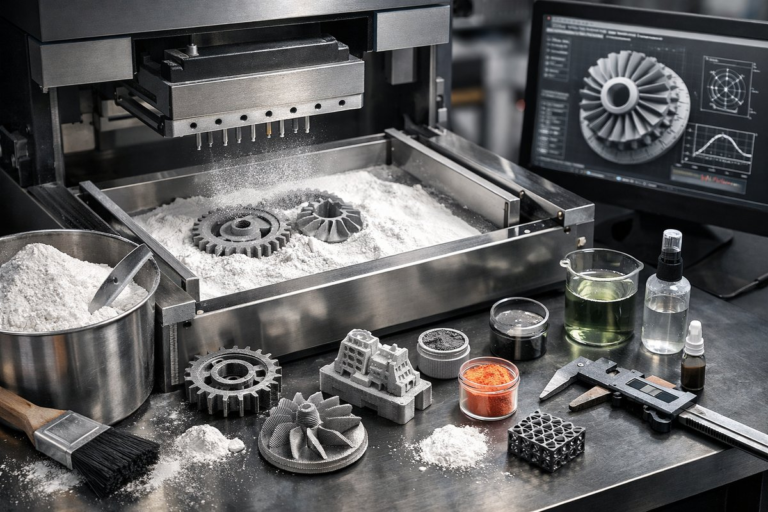
Before printing, a digital 3D model of the part is prepared and sliced into layers. The toolpath for the deposition head is programmed to follow these layers precisely. During the deposition, the energy source melts the feedstock as it is deposited, creating a metallurgically bonded layer with the previous one. The process repeats layer by layer until the full geometry is built.
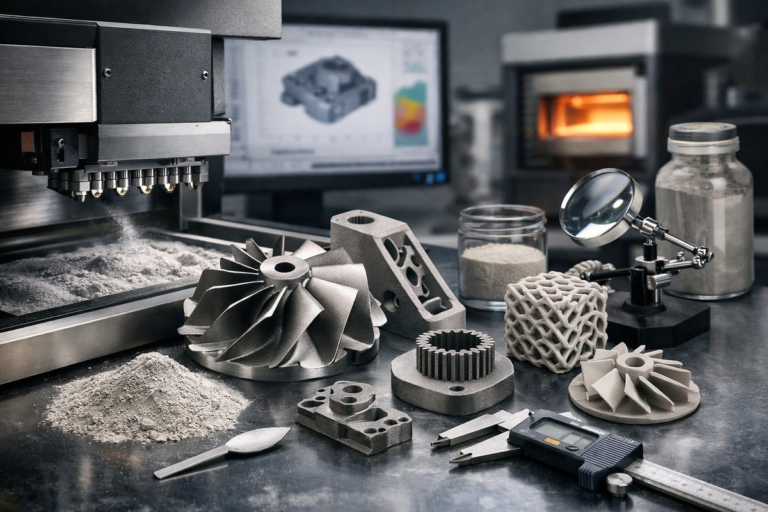
While DED can produce near-net-shape parts, the surface roughness and tolerances often fall short of final specifications. This is where CNC milling shines. After the additive process, the part is transferred to a CNC machine equipped with appropriate cutting tools such as end mills or ball nose cutters. The CNC process removes excess material, smooths surfaces, and achieves tight dimensional control.
Integrating CNC finishing with DED allows you to harness the best of both worlds: the design freedom and material efficiency of additive manufacturing combined with the precision and surface quality of subtractive machining. For example, a turbine blade can be built using DED to form the complex internal cooling channels and external shape, then finished on a 5-axis CNC mill to achieve aerodynamic surface smoothness and exact dimensions.
To successfully combine these processes, consider the following practical tips:
– Material Compatibility: Ensure the metal powder or wire used in DED matches the machining characteristics required for CNC finishing. Some alloys machine better than others.
– Fixture Design: Create robust and repeatable fixturing solutions to hold the part securely during CNC milling, especially since the DED part may have irregular shapes.
– Tool Selection: Use carbide or coated end mills designed for hard metals to efficiently machine the DED-produced surfaces.
– Process Planning: Sequence the additive and subtractive steps thoughtfully to minimize repositioning and maximize accuracy.
Safety is paramount when working with DED systems. The high-energy sources and fine metal powders require proper ventilation, protective gear, and adherence to manufacturer guidelines to mitigate risks.
For hobbyists and small workshops interested in experimenting with DED and CNC finishing, desktop DED systems are emerging, providing accessible entry points. Paired with a compact CNC mill, these setups enable rapid prototyping and repair tasks previously reserved for industrial environments.
In summary, Direct Energy Deposition is a powerful additive manufacturing technique that, when combined with CNC milling, offers unparalleled control over metal part creation. This hybrid approach expands the creative and functional possibilities for makers, engineers, and fabricators. By understanding the process, selecting compatible materials and tools, and carefully planning the workflow, you can unlock new levels of precision and craftsmanship in your projects. Embrace the synergy of building up and cutting away to reveal the full potential of your designs.