Location
Mount Vernon, WA 98274

Location
Mount Vernon, WA 98274
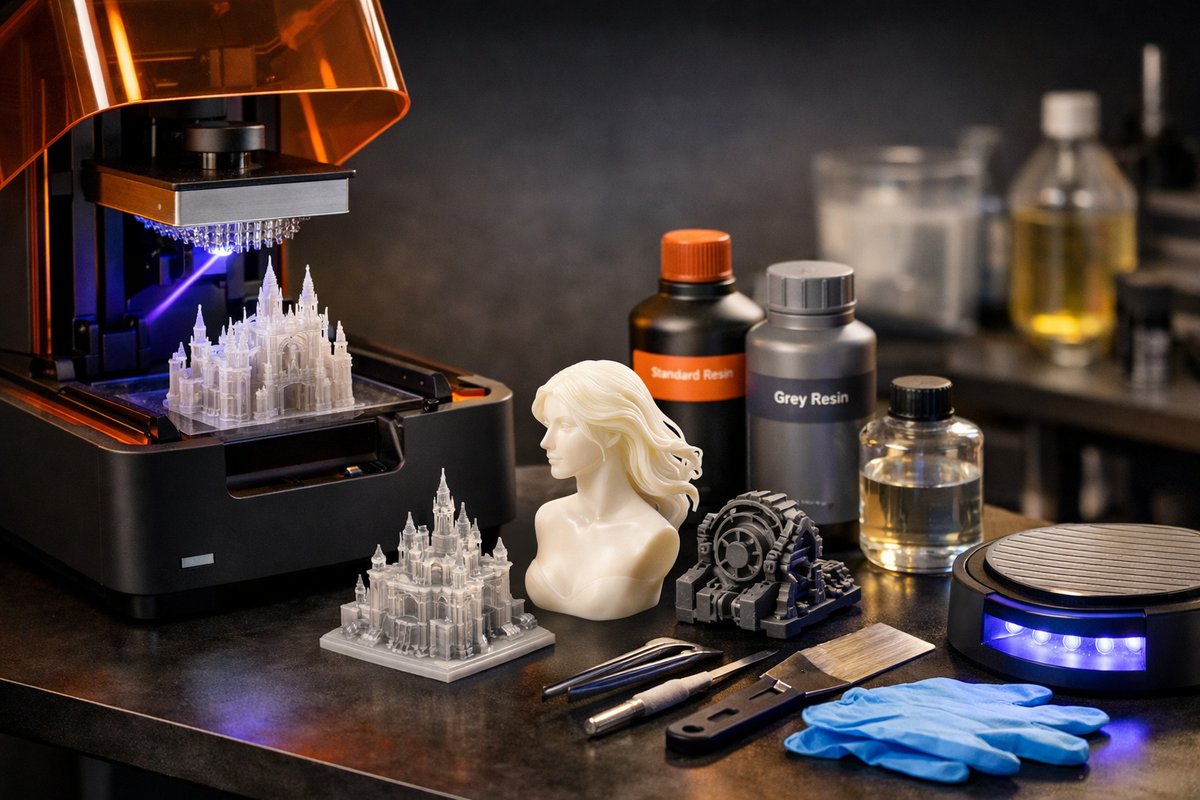
Stereolithography (SLA) offers an exciting gateway into high-detail additive manufacturing, turning digital designs into smooth, intricate physical objects. This guide explores the essentials of SLA technology, from choosing the right resin to mastering post-processing techniques, empowering you to create professional-quality prints at home or in the workshop.
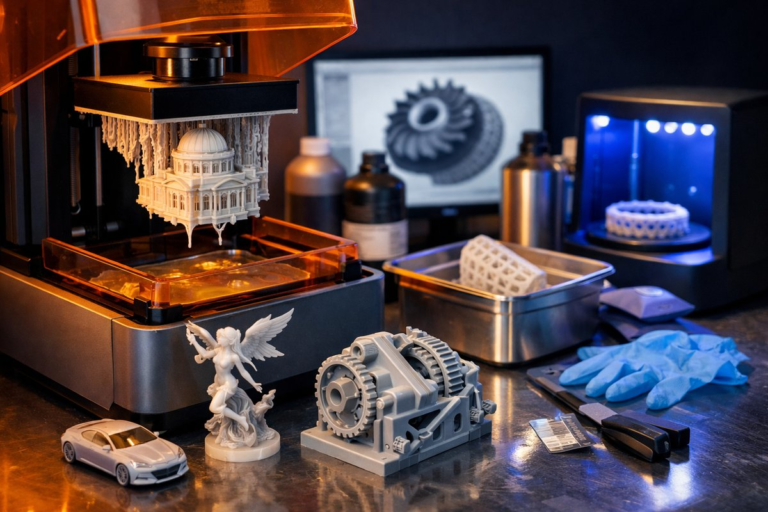
Additive manufacturing continues to revolutionize how we design and produce objects, and among its many techniques, stereolithography (SLA) stands out for its ability to deliver exceptional detail and surface finish. Unlike filament-based 3D printing, SLA uses a light source to cure liquid resin layer by layer, enabling the creation of complex geometries with smooth surfaces and fine features. This article delves into the practical aspects of SLA printing, guiding you through the process and highlighting the key components and tools that make this technology accessible and rewarding.
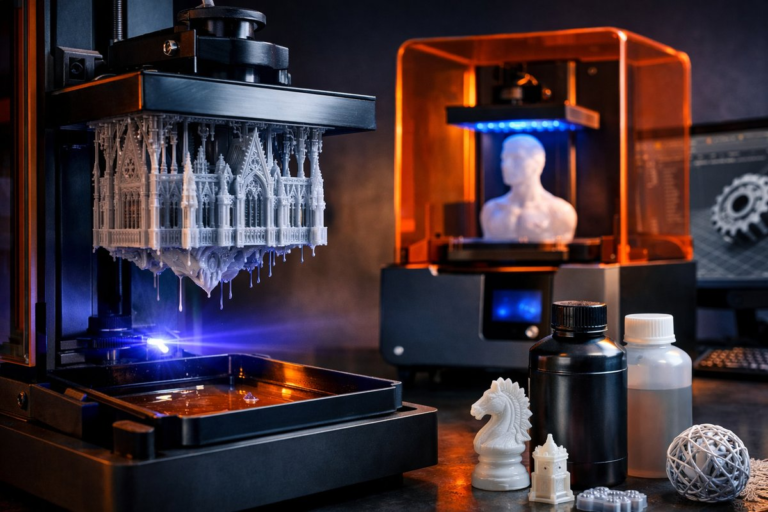
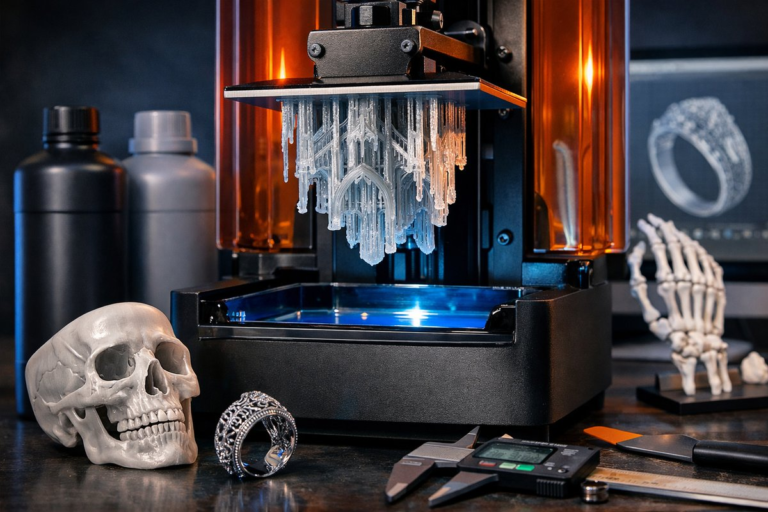
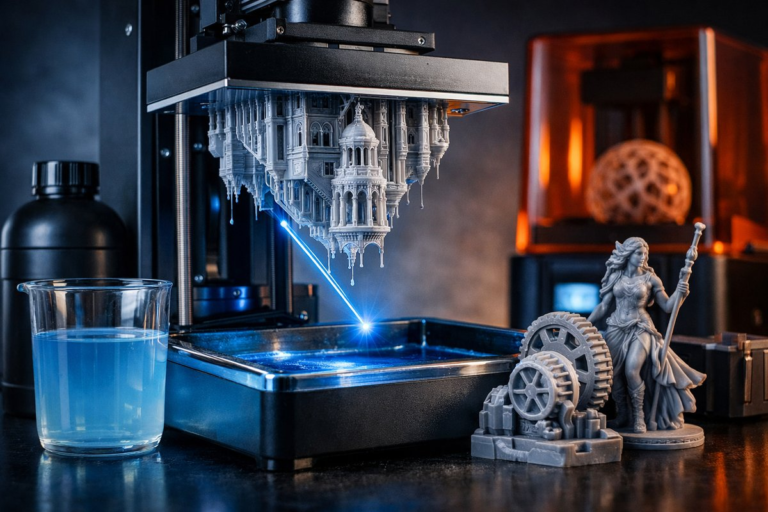
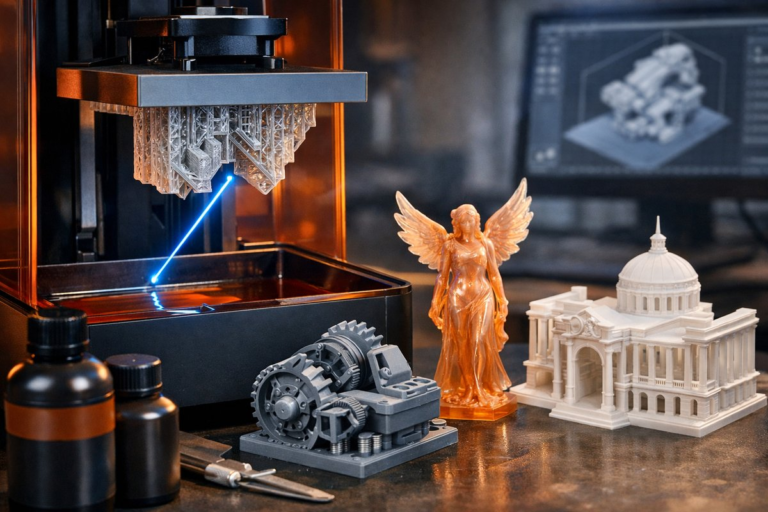
SLA technology operates by directing a laser or projector to selectively cure photopolymer resin in a vat, solidifying each layer according to the digital model. The build platform then moves incrementally, allowing successive layers to bond and form the final object. This method contrasts with fused deposition modeling (FDM), which extrudes melted filament, and selective laser sintering (SLS), which fuses powder particles. SLA’s advantage lies in its precision and surface quality, making it ideal for applications requiring fine detail, such as jewelry prototypes, dental models, and intricate miniatures.
To embark on your SLA printing journey, the first critical choice is the printer itself. Desktop SLA printers have become increasingly affordable and user-friendly, with models featuring LCD masking screens that cure entire layers simultaneously, speeding up print times. When selecting a printer, consider factors like build volume, layer resolution, and ease of maintenance. A compact printer with a 2K or 4K monochrome LCD screen offers excellent detail for most hobbyist and professional needs without occupying excessive workspace.
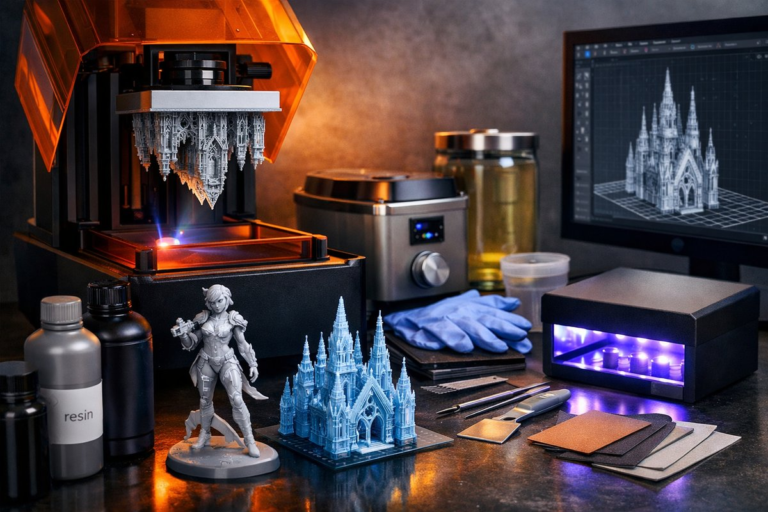
Equally important is the choice of resin. Photopolymer resins come in various formulations tailored to specific properties: standard resins for general use, tough resins for durable parts, flexible resins for bendable prints, and castable resins for investment casting applications. Standard resins are a great starting point due to their balance of detail, strength, and affordability. When handling resin, always prioritize safety by wearing nitrile gloves and working in a well-ventilated area, as uncured resin can be irritating to skin and respiratory systems.
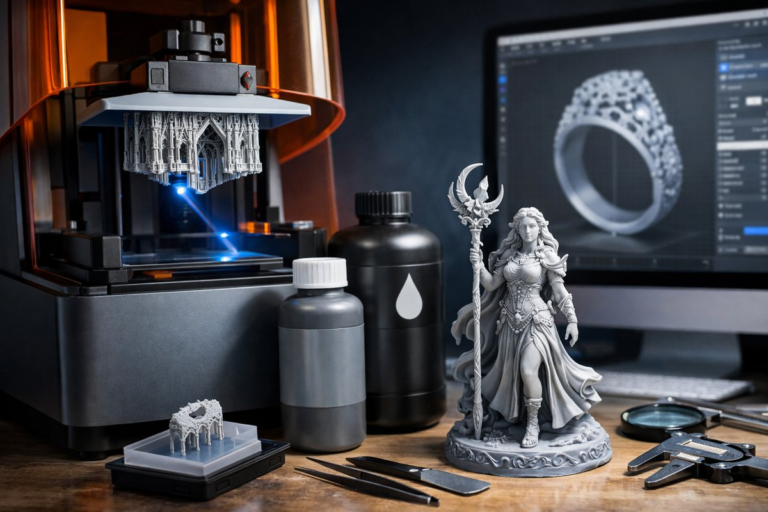
Preparing your digital model for SLA printing involves slicing software that converts 3D files into layer-by-layer instructions. Most SLA printers come with proprietary slicing programs, but third-party options offer advanced features like customizable support structures and variable layer heights. Supports are essential in SLA to stabilize overhangs and intricate parts during printing; however, their placement requires careful consideration to minimize post-processing marks.
Once your print is complete, post-processing is crucial to achieve the desired finish and mechanical properties. The freshly printed object is coated with uncured resin and must be rinsed, typically in isopropyl alcohol (IPA), to remove excess material. Following cleaning, a curing stage using UV light strengthens the print and finalizes its properties. Dedicated UV curing stations provide controlled environments for this step, though sunlight can serve as a natural alternative if carefully monitored.
Maintaining your SLA printer ensures consistent performance and longevity. Regular cleaning of the resin vat, replacing the FEP film when scratched or cloudy, and calibrating the build platform are vital tasks. Additionally, storing resin in opaque containers away from direct light preserves its shelf life.
The benefits of mastering SLA printing extend beyond creating visually stunning models. Its precision enables rapid prototyping of functional parts, customized medical devices, and even components for robotics or electronics. The smooth surface finish reduces the need for extensive sanding or finishing, saving time and materials. Moreover, SLA’s layer resolution can reach as fine as 25 microns, capturing details impossible with many other additive methods.
For those inspired to explore SLA printing, starting with small, well-documented projects can build confidence and familiarity with the workflow. Experimenting with different resins and print settings will reveal how variables affect strength, flexibility, and appearance. Joining online communities and forums dedicated to resin printing offers valuable insights, troubleshooting tips, and inspiration.
In summary, stereolithography presents a compelling entry point into high-fidelity additive manufacturing. By understanding the technology’s fundamentals, selecting appropriate equipment and materials, and embracing meticulous post-processing, users can transform digital creativity into tangible reality. Whether crafting delicate art pieces or functional prototypes, SLA empowers makers to push the boundaries of what can be produced layer by layer.