Location
Mount Vernon, WA 98274

Location
Mount Vernon, WA 98274
Recent discoveries reveal that forests operate as complex, interconnected communities where trees and fungi exchange information and resources. This underground network fosters resilience against climate stressors, reshaping how we understand ecosystem health and conservation.
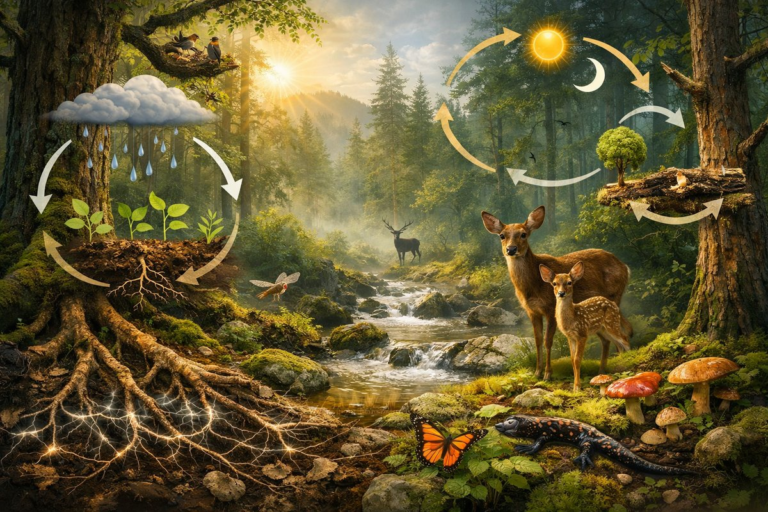
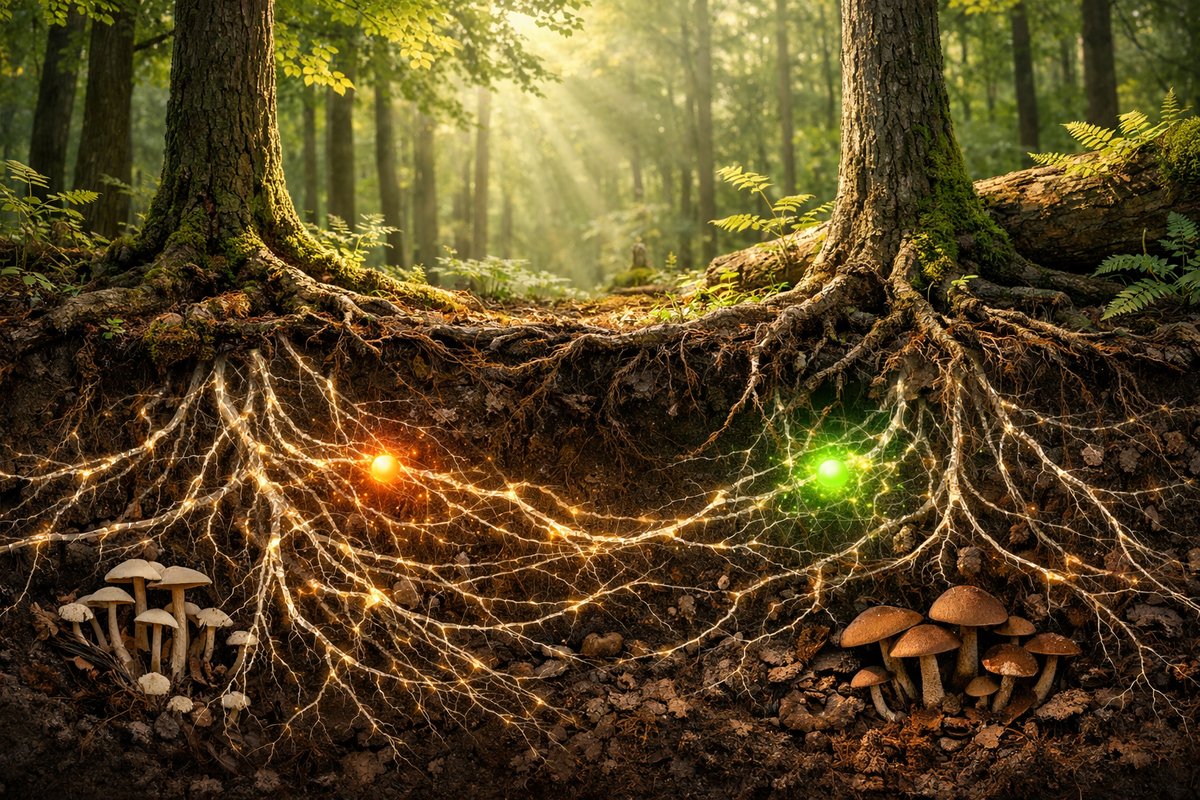
Forests have long been celebrated for their grandeur and biodiversity, but only recently have scientists begun to unravel the intricate communication systems that sustain these ecosystems. Beneath the canopy, an underground web of roots and fungi forms a dynamic network often referred to as the “wood wide web.” This hidden communication channel allows trees not only to share nutrients but also to send warning signals about environmental threats, fostering a collective resilience that challenges traditional views of individual plant survival.
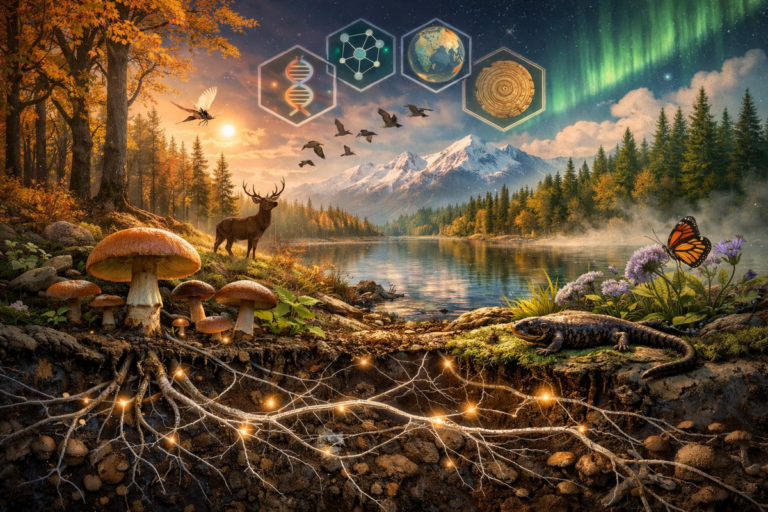
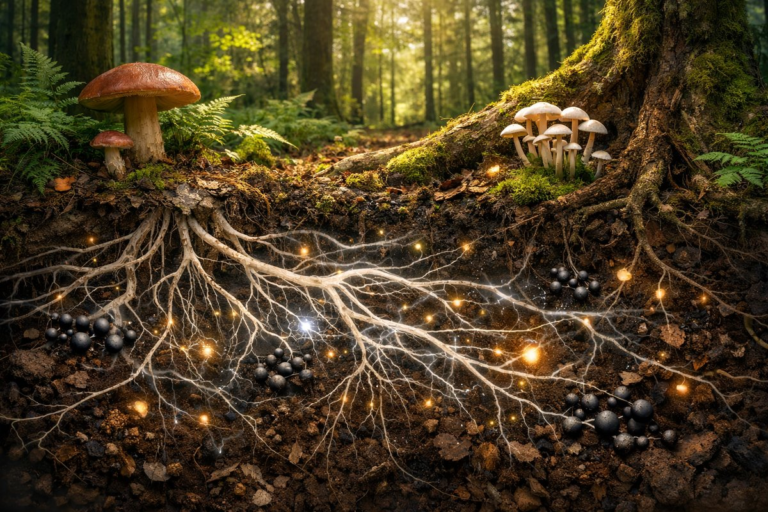
At the heart of this network are mycorrhizal fungi, which form symbiotic relationships with tree roots. These fungi extend far beyond the reach of roots themselves, creating vast underground connections that link multiple trees, sometimes even of different species. Through this fungal network, carbon, nitrogen, water, and defense signals flow between trees, effectively enabling them to support weaker or younger neighbors and prepare for potential dangers such as drought, pests, or disease outbreaks.
Research has shown that when a tree is attacked by insects, it can release chemical signals through these networks, prompting neighboring trees to bolster their own chemical defenses. This communal alert system enhances the forest’s overall resilience, allowing it to better withstand and recover from stressors. Moreover, older “mother trees” have been observed to channel nutrients to seedlings, nurturing the next generation and maintaining forest stability.
Climate change adds urgency to understanding these underground communications. As forests face increasing temperatures, shifting precipitation patterns, and more frequent extreme weather events, their ability to adapt may depend heavily on the strength and connectivity of these subterranean networks. Scientists are now exploring how disruptions to soil fungi, whether from pollution, land-use changes, or invasive species, could weaken these vital communication pathways and jeopardize forest health.
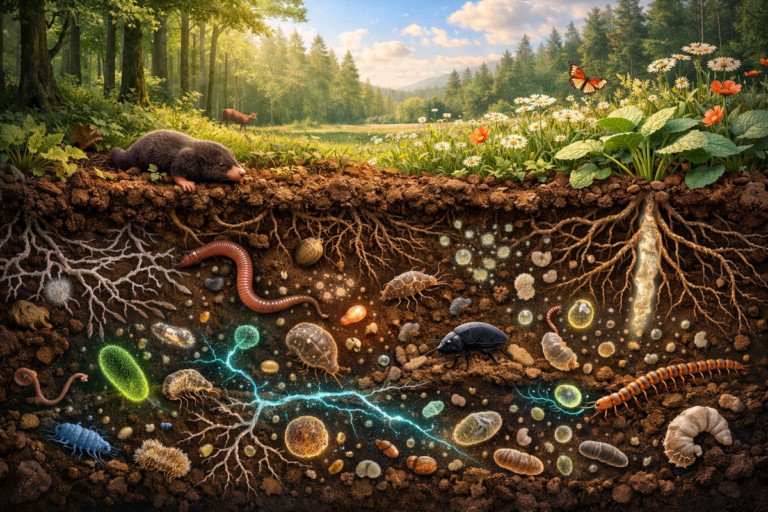
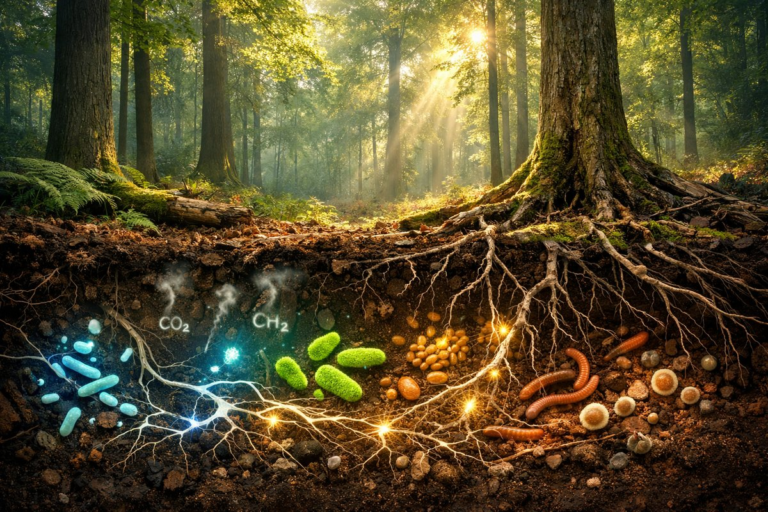
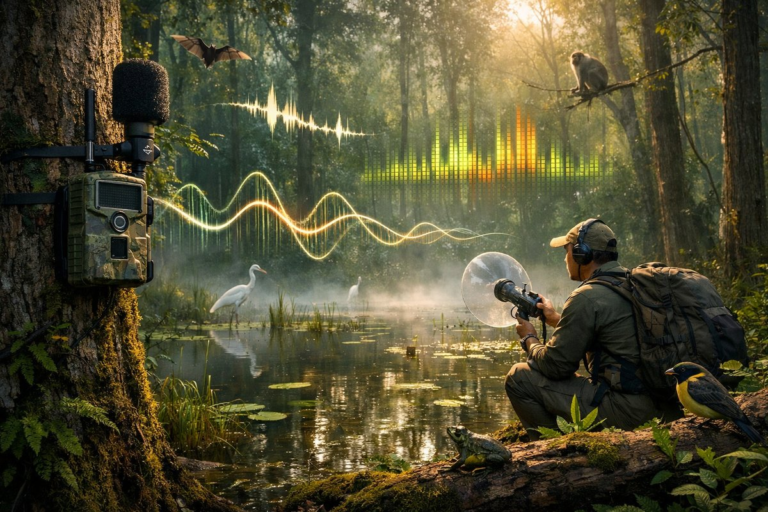
Innovative technologies such as DNA sequencing, isotopic tracing, and underground sensors have been instrumental in illuminating these processes. For example, isotopic markers allow researchers to track the movement of carbon and nutrients through fungal networks, revealing the scale and speed of resource sharing. Passive acoustic monitoring and soil microbe analysis further contribute to a nuanced understanding of forest dynamics, including how microbial communities respond to environmental stress.
This growing body of knowledge is influencing conservation strategies. Rather than focusing solely on individual trees or species, forest management is increasingly considering the preservation of soil fungal diversity and connectivity as critical to ecosystem resilience. Restoration projects now incorporate fungal inoculation to reestablish these networks, improving survival rates and ecosystem function.
The implications extend beyond ecology into cultural and philosophical realms. Recognizing forests as interconnected communities invites a shift in how humans relate to nature-from viewing it as a resource to be exploited to understanding it as a complex, living system of relationships. This perspective fosters deeper respect and a sense of belonging, encouraging stewardship that honors the subtle, silent conversations happening beneath our feet.
In essence, forests communicate in a language of exchange and cooperation, a natural symphony that sustains life above and below ground. As we continue to decode this language, we gain not only scientific insights but also inspiration to protect these vital ecosystems in an era of unprecedented environmental change.