Location
Mount Vernon, WA 98274

Location
Mount Vernon, WA 98274
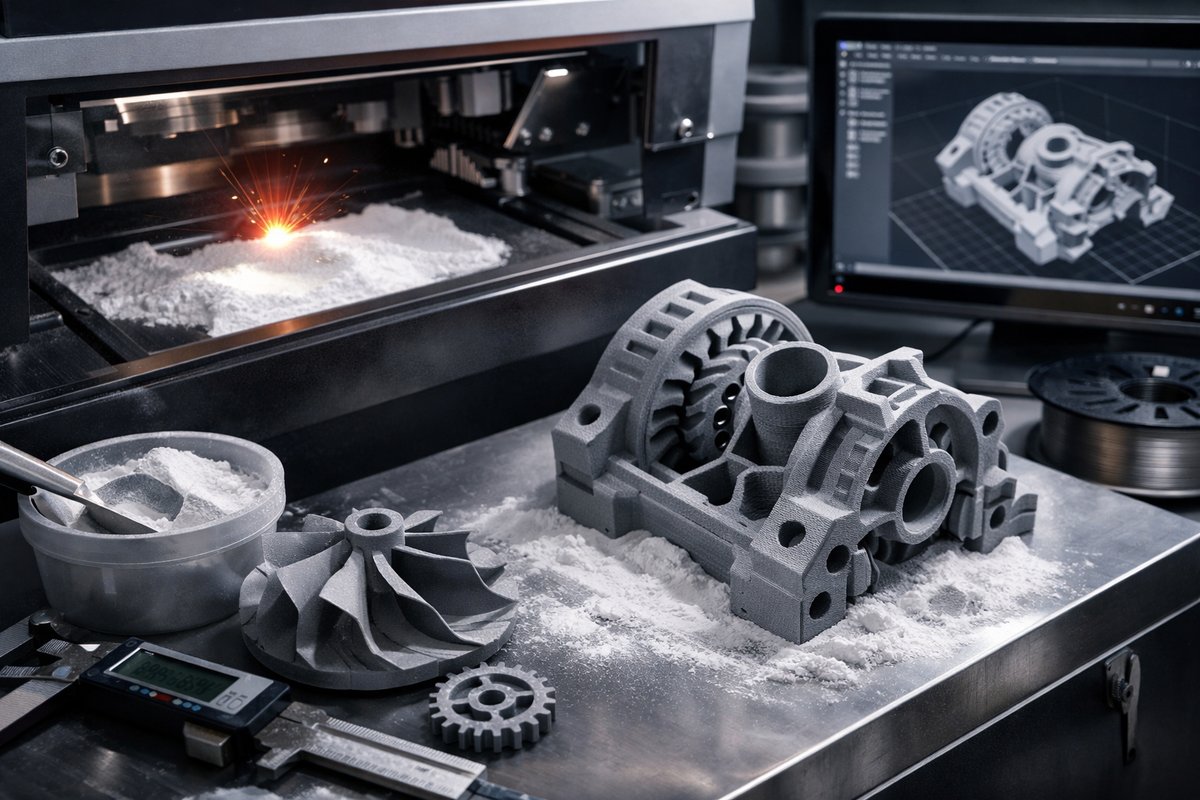
Selective Laser Sintering (SLS) stands out as a powerful additive manufacturing technique that fuses powdered materials into complex, durable objects. This guide delves into the process, essential components, and practical tips, encouraging makers and professionals alike to harness SLS for precise, functional creations.
Additive manufacturing continues to revolutionize how we bring digital designs into the physical world, and among its many techniques, Selective Laser Sintering (SLS) offers a unique blend of precision, strength, and material versatility. Unlike more common desktop methods such as Fused Deposition Modeling (FDM) or Stereolithography (SLA), SLS uses a laser to sinter powdered material layer by layer, creating robust parts without the need for support structures. This article serves as a comprehensive guide for those intrigued by SLS, detailing the process, necessary components, and practical considerations to empower you to explore this advanced form of 3D printing.
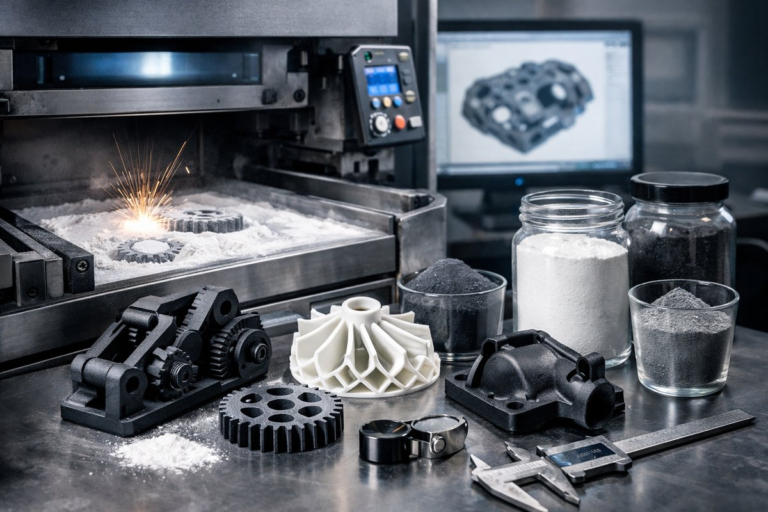
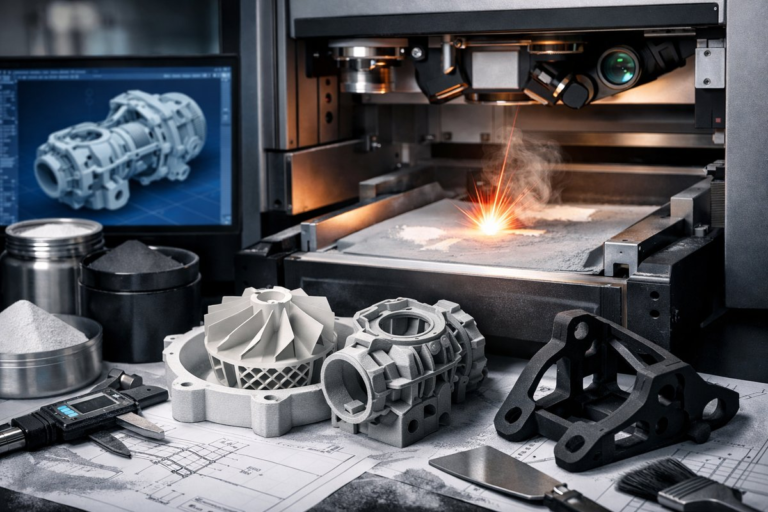
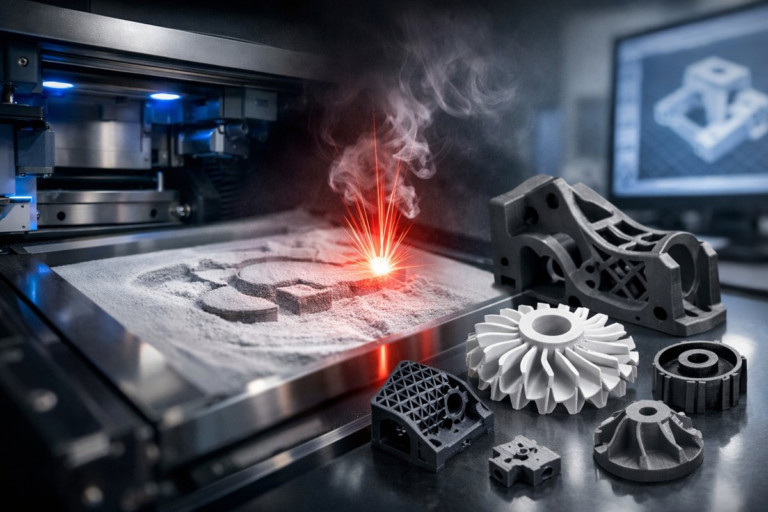
At its core, SLS involves spreading a thin layer of powder-commonly nylon, polyamide, or other thermoplastics-across a build platform. A high-powered laser then selectively fuses the powder particles according to the digital design’s cross-section for that layer. Once a layer is complete, the platform lowers slightly, and a new powder layer is applied, repeating the process until the object is fully formed. This powder bed fusion method enables the creation of complex geometries, intricate internal features, and durable functional parts that often outperform those made with other additive techniques.
One of the most significant advantages of SLS is its ability to produce parts without support structures. Since the surrounding powder acts as a natural support, designs with overhangs, thin walls, or interlocking components can be realized without additional post-processing to remove supports. This expands creative possibilities and reduces material waste. Additionally, SLS parts typically exhibit excellent mechanical properties, making them suitable for prototypes, end-use products, and tooling applications.
To embark on SLS printing, understanding the key components and materials is essential. The printer itself is a sophisticated machine equipped with a laser system, powder handling mechanisms, and an enclosed build chamber with controlled temperature settings to prevent warping. While industrial-grade SLS printers can be cost-prohibitive, recent advancements have introduced more accessible models tailored for small businesses and research labs.
Material selection plays a pivotal role in SLS success. Nylon powders, such as polyamide 12 (PA12), are popular for their strength, flexibility, and surface finish. Other materials include glass-filled nylons for enhanced stiffness, elastomers for flexible parts, and even metal powders for specialized industrial applications. Each powder type requires specific laser settings and post-processing protocols, so consulting manufacturer guidelines is crucial.
The quality of the powder significantly impacts the final print. Factors such as particle size distribution, moisture content, and powder recyclability affect sintering behavior and surface texture. Using high-quality, well-stored powders ensures consistent results and reduces defects like porosity or incomplete fusion.
The printing process begins with preparing the 3D model in compatible software, where orientation and packing density are optimized to maximize build efficiency and part quality. Slicing software then converts the model into thin layers, generating laser paths for each. During printing, the build chamber temperature is maintained just below the powder’s melting point to facilitate smooth sintering and minimize thermal stress.
After printing, parts remain embedded in unsintered powder, which acts as a protective cushion. Careful powder removal using brushes, compressed air, or bead blasting reveals the finished piece. This unsintered powder can often be sieved and recycled for future prints, enhancing sustainability. Additional post-processing may include dyeing, infiltration with resins for improved strength, or surface smoothing treatments.
Safety considerations are paramount when working with fine powders and lasers. Proper ventilation, protective equipment, and adherence to handling protocols minimize risks associated with inhalation or combustion. Many SLS printers feature enclosed chambers and filtration systems to mitigate these hazards.
For those motivated to try SLS printing, starting with a desktop or benchtop SLS system designed for ease of use can provide a manageable introduction. These systems often come with user-friendly software, pre-calibrated laser settings, and smaller build volumes suited for prototypes and small batch production.
In summary, Selective Laser Sintering offers a compelling path for makers and professionals seeking to create complex, durable, and functional parts. By understanding the intricacies of the process, selecting the right materials, and employing best practices in handling and post-processing, you can unlock the full potential of this advanced additive manufacturing technique. Whether your goal is to prototype innovative designs, produce custom tooling, or explore new material properties, SLS invites you to layer your ideas into tangible reality.