Location
Mount Vernon, WA 98274

Location
Mount Vernon, WA 98274
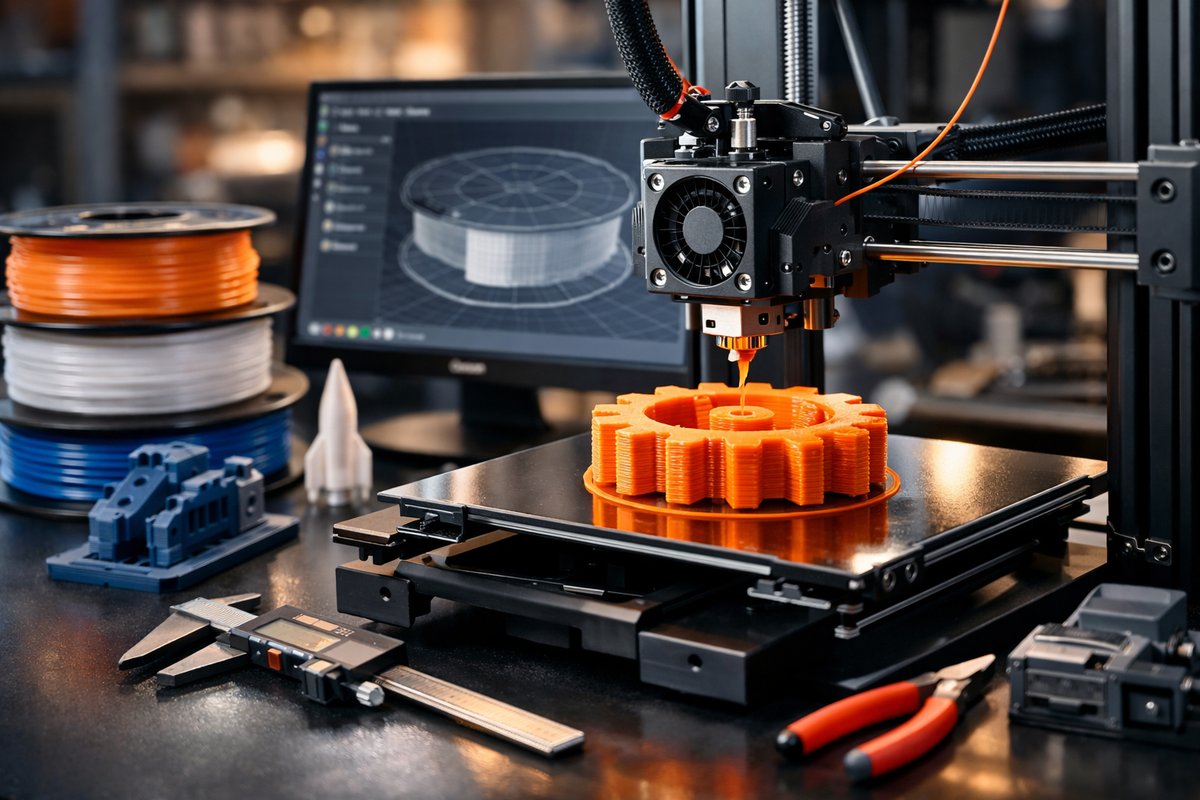
Additive manufacturing has revolutionized how we create objects, building them layer by layer rather than carving away material. This article dives into Fused Deposition Modeling (FDM), a popular 3D printing technique, detailing its workflow, essential components, and how you can get started producing precise, purposeful designs with this accessible technology.
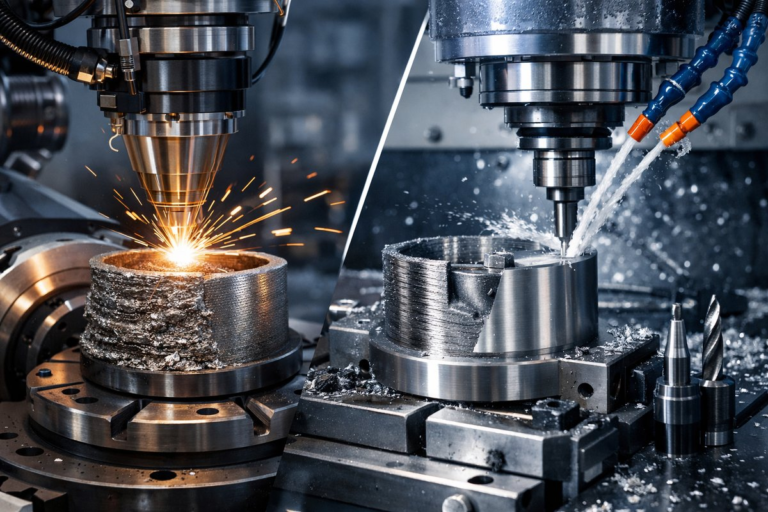
In the realm of manufacturing, subtractive methods like milling and routing have long been celebrated for their precision and craftsmanship. Yet, additive manufacturing (AM) offers a complementary approach, building objects layer by layer to achieve complexity and customization impossible with traditional cutting. Among the various AM techniques, Fused Deposition Modeling (FDM) stands out for its accessibility, versatility, and practical applications across industries and hobbyist projects alike.
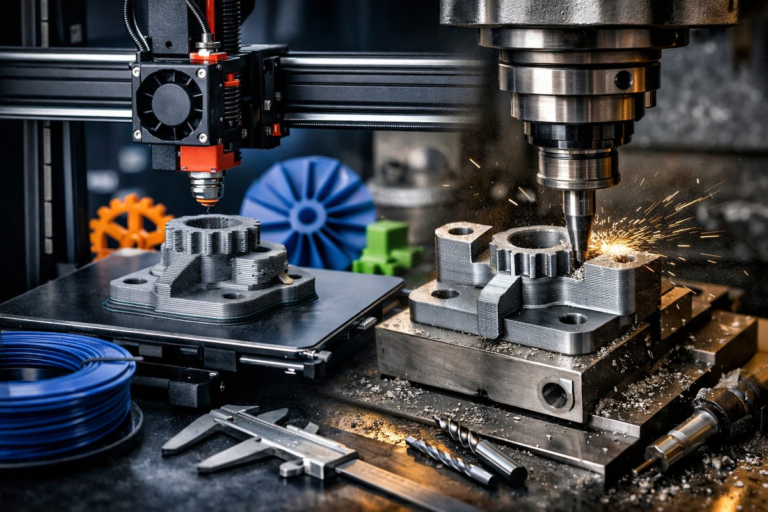
FDM works by extruding thermoplastic filament through a heated nozzle, depositing material precisely to form each layer of the object. This process enables the creation of intricate geometries, internal cavities, and functional prototypes without the material waste typical of subtractive methods. Understanding the nuances of FDM can empower makers and professionals to harness its full potential.
To begin, the choice of filament is paramount. Common materials include PLA (polylactic acid), ABS (acrylonitrile butadiene styrene), and PETG (polyethylene terephthalate glycol). PLA is favored for its ease of use and biodegradability, making it ideal for beginners and environmentally conscious projects. ABS offers greater durability and heat resistance but requires a heated bed and enclosed print area to prevent warping. PETG strikes a balance, combining strength and flexibility with relatively straightforward printing conditions.
Equally important is the printer itself. Desktop FDM printers vary widely in build volume, precision, and features. A reliable Cartesian-style printer with a sturdy frame and quality stepper motors ensures consistent layer alignment and surface finish. Dual-extruder models allow for multi-material or multi-color prints, expanding creative possibilities. Features like a heated bed, enclosed chamber, and filament run-out sensors enhance print success rates and material compatibility.
Once the hardware and materials are selected, the workflow advances to slicing software, which translates 3D models into machine instructions. Popular slicers like Cura or PrusaSlicer offer customizable settings such as layer height, infill density, print speed, and support structures. Fine-tuning these parameters affects print quality, strength, and time. For instance, thinner layers yield smoother surfaces but increase print duration, while higher infill percentages improve structural integrity at the cost of material usage.
Calibration is the quiet discipline behind successful FDM printing. Bed leveling ensures the first layer adheres evenly, preventing warping or detachment during the build. Extruder temperature calibration avoids stringing or under-extrusion, balancing flow rate with filament properties. Regular maintenance, including nozzle cleaning and lubrication of moving parts, sustains printer performance over time.
FDM is especially valuable for prototyping functional parts, custom tools, and artistic creations. Its ability to rapidly iterate designs accelerates development cycles, enabling designers to test fit, form, and function before committing to costly manufacturing runs. Moreover, the technique supports sustainability by reducing waste and enabling localized production, cutting down transportation emissions.
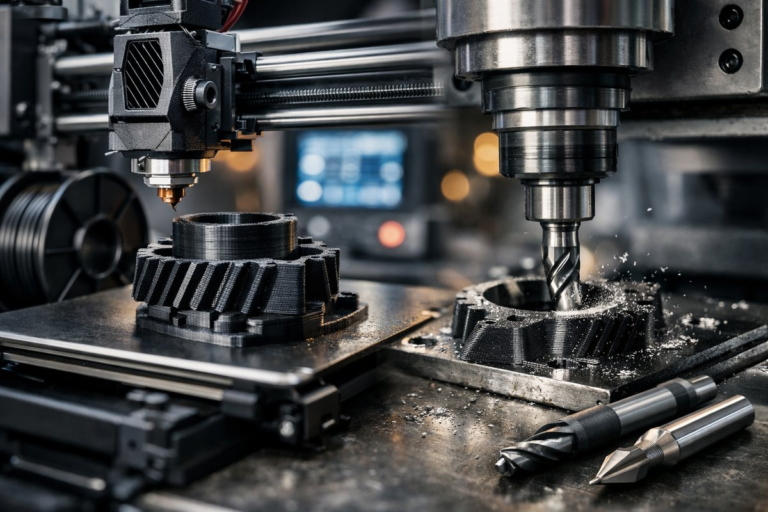
For those accustomed to subtractive machining, FDM introduces a new rhythm-one of layering rather than carving, of additive patience rather than subtractive refinement. Yet, the principles of precision, tool care, and material understanding remain central. By integrating additive and subtractive methods, makers can unlock hybrid workflows that leverage the strengths of each, crafting objects both resilient and refined.
In summary, mastering FDM involves selecting appropriate filaments, investing in a capable printer, mastering slicing parameters, and committing to diligent calibration and maintenance. This approach not only expands the creative toolkit but also aligns with values of sustainability and innovation. Whether for prototyping, education, or artistic expression, FDM invites curious minds to explore the transformative possibilities of building up rather than cutting away.