Location
Mount Vernon, WA 98274

Location
Mount Vernon, WA 98274
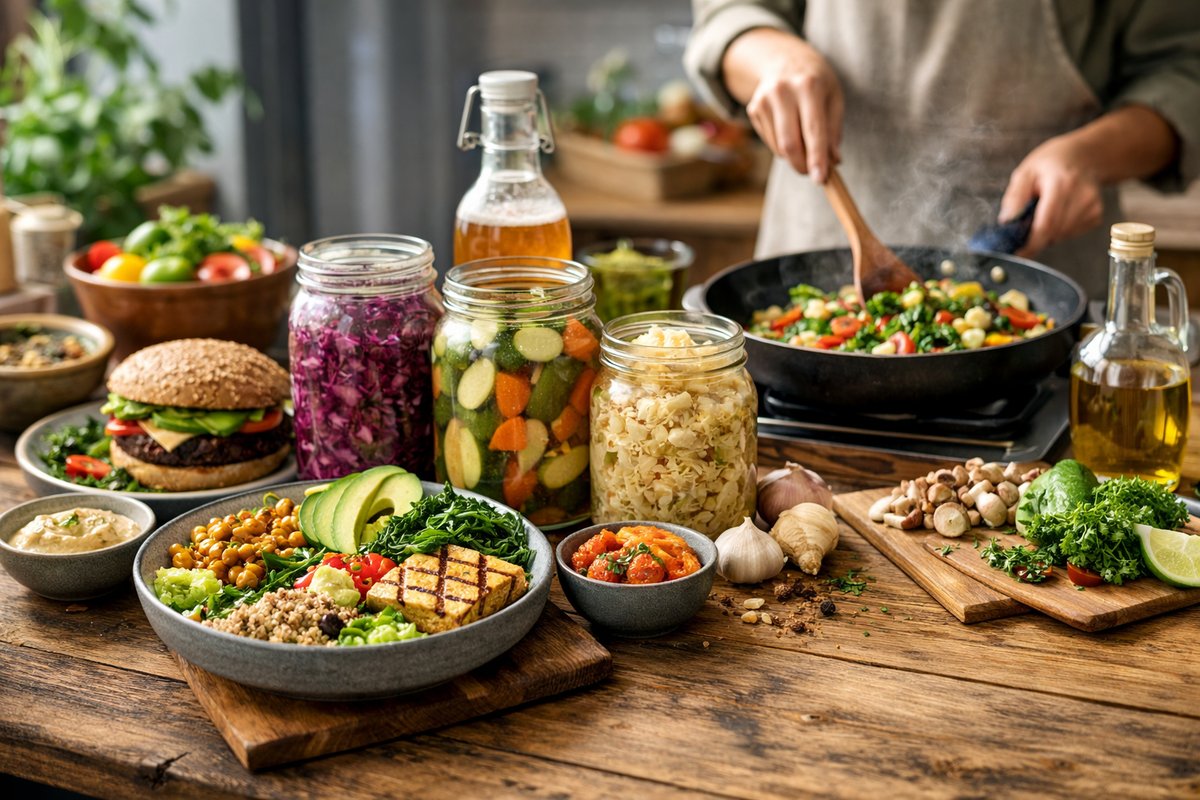
From innovative plant-based creations to the resurgence of fermentation and home cooking, culinary trends today reflect a dynamic interplay of culture, sustainability, and technology. This exploration reveals how evolving tastes and mindful practices are transforming the way we nourish ourselves and connect through food.
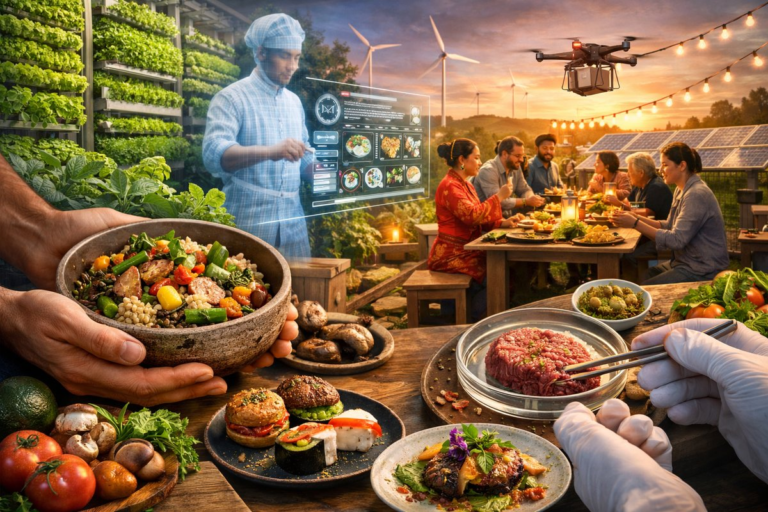
In recent years, the global culinary landscape has been marked by a vibrant evolution, driven by a convergence of cultural curiosity, environmental awareness, and technological innovation. As more people seek meaningful connections through food, new trends have emerged that honor tradition while embracing modernity. These shifts are not only influencing what we eat but also how we prepare and share meals, reflecting a deeper appreciation for nourishment as a holistic experience.
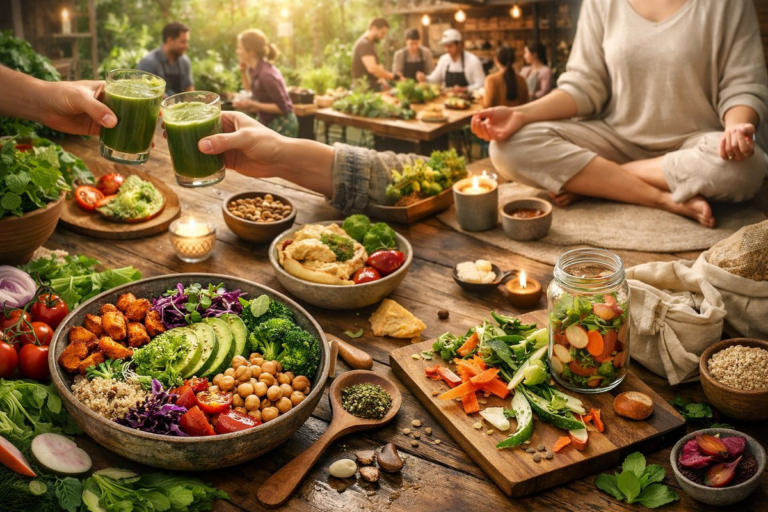
One of the most significant trends reshaping kitchens and dining tables worldwide is the rise of plant-based eating. Once a niche interest, plant-forward diets have gained mainstream momentum, fueled by growing concerns about health, climate impact, and animal welfare. This movement goes beyond simple vegetarianism or veganism; it celebrates creativity with legumes, grains, vegetables, and innovative meat alternatives crafted from plant proteins. Culinary artisans and home cooks alike are experimenting with jackfruit as a pulled pork substitute, aquafaba as an egg white replacement, and a variety of mushrooms for their umami richness. The result is a diverse, flavorful palette that invites people to rethink traditional protein sources without sacrificing taste or texture.
Parallel to plant-based innovation is a renewed fascination with fermentation. This ancient preservation method has found a fresh audience eager to explore its complex flavors and health benefits. Fermented foods like kimchi, kombucha, sauerkraut, and miso are becoming staples, appreciated not only for their tangy profiles but also for their probiotic qualities that support gut health. Enthusiasts are taking fermentation into their own hands, cultivating homemade yogurts, sourdough breads, and pickled vegetables, which adds a personal, artisanal touch to daily meals. This trend underscores a broader cultural desire to reconnect with food’s natural processes and slow down in an increasingly fast-paced world.
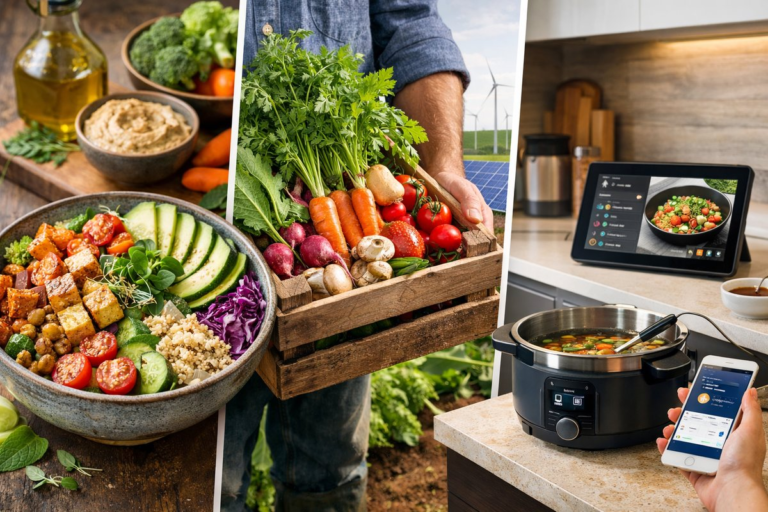
Technology is also playing an integral role in shaping contemporary culinary practices. Smart kitchen appliances equipped with Wi-Fi connectivity, app integrations, and precise temperature controls are empowering home cooks to experiment with sous vide techniques, automated bread proofing, and even indoor gardening. These tools not only enhance convenience but also open up new possibilities for culinary exploration and sustainability. For instance, indoor herb gardens allow for fresh, pesticide-free greens year-round, reducing reliance on store-bought produce and food miles.
Moreover, the COVID-19 pandemic accelerated a global revival of home cooking and baking, as people sought comfort and control amid uncertainty. This resurgence has persisted, with many embracing cooking as a form of mindfulness and creative expression. Social media platforms have become vibrant hubs for sharing recipes, techniques, and culinary stories, fostering a sense of community that transcends geography. The emphasis on cooking from scratch has also sparked interest in traditional recipes and cultural food heritage, encouraging intergenerational exchanges and preservation of culinary identities.
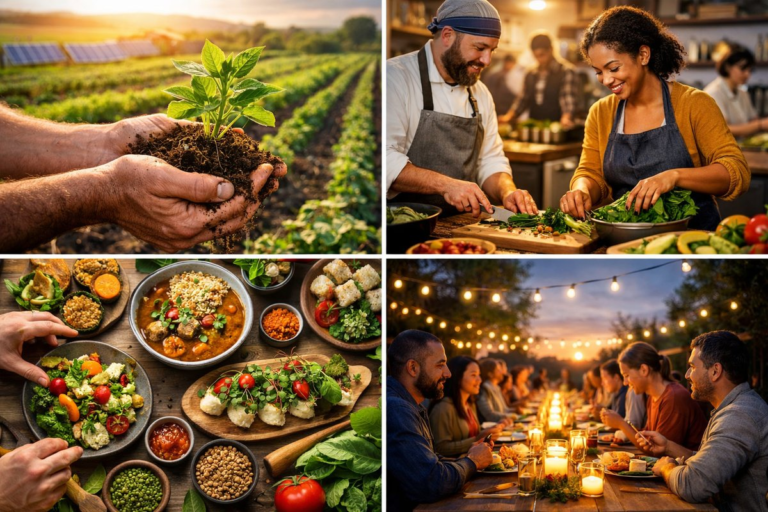
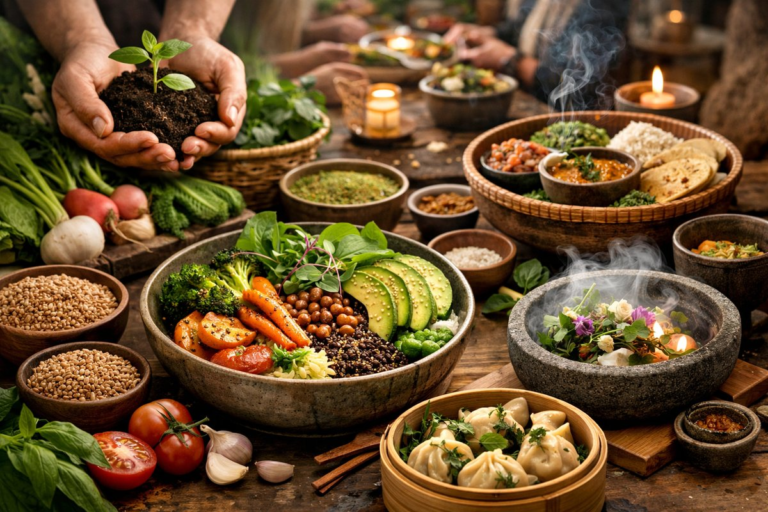
Sustainability remains a central theme influencing food choices and culinary trends. Consumers increasingly demand transparency about sourcing, ethical farming practices, and packaging. This shift has encouraged restaurants and food producers to adopt regenerative agriculture, zero-waste cooking, and locally sourced ingredients. Chefs are crafting menus that minimize food waste by using whole animals or plants, turning often discarded parts into delicacies. This holistic approach to food honors the environment and respects the interconnectedness of ecosystems, aligning with a growing global consciousness about our collective impact.
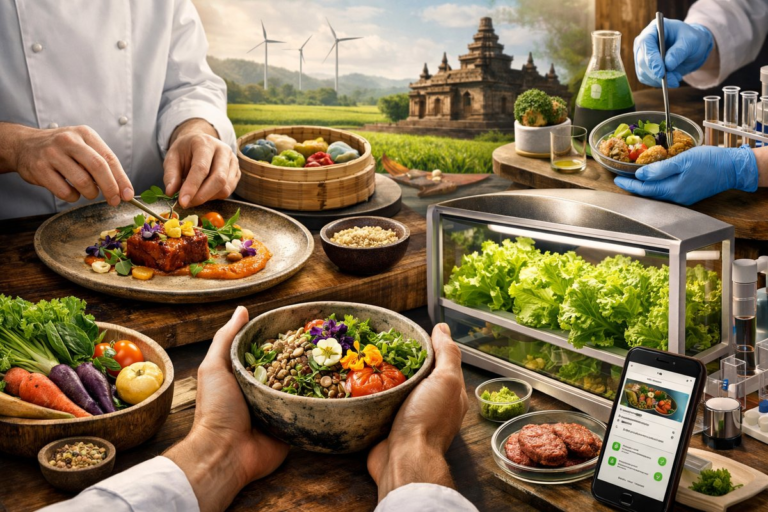
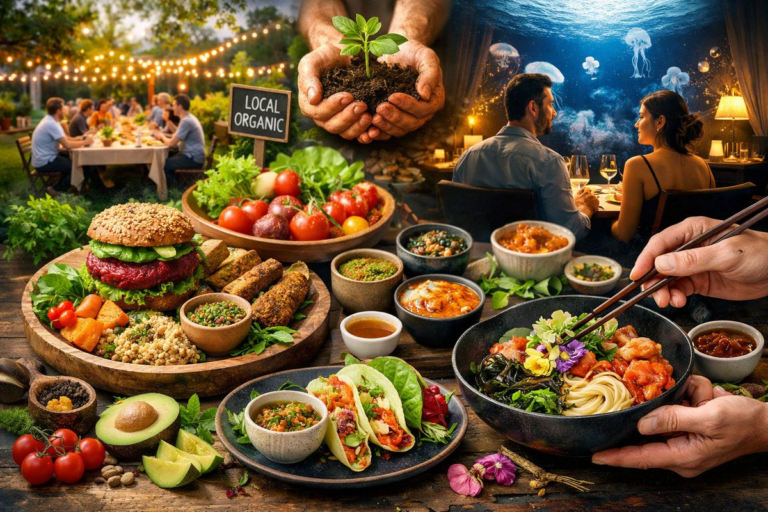
Another noteworthy trend is the embrace of global flavors and fusion cuisines, reflecting an interconnected world where cultural exchange enriches culinary creativity. From West African spices blending with Latin American staples to Southeast Asian herbs enhancing Mediterranean dishes, chefs and home cooks are crafting novel taste experiences that celebrate diversity and innovation. This trend not only expands palates but also fosters cross-cultural understanding and appreciation.
In the realm of beverages, non-alcoholic options have surged in popularity, catering to those seeking mindful consumption without sacrificing complexity or enjoyment. Craft mocktails, botanical-infused waters, and sophisticated teas offer flavorful alternatives that pair beautifully with meals or serve as social lubricants in their own right. This development aligns with broader wellness trends emphasizing balance and intentional living.
As we look ahead, the fusion of tradition and technology, sustainability and flavor, community and individuality will continue to define the culinary landscape. Food remains a powerful medium for storytelling, connection, and care-nourishing not only bodies but also hearts and minds. Whether through experimenting with a new plant-based recipe, fermenting a batch of kimchi, or simply sharing a meal with loved ones, these trends invite us to savor the richness of life’s flavors and the stories they carry.
In embracing these evolving culinary currents, we honor the past while boldly stepping into the future of food-one bite, one meal, and one shared moment at a time.