Location
Mount Vernon, WA 98274

Location
Mount Vernon, WA 98274
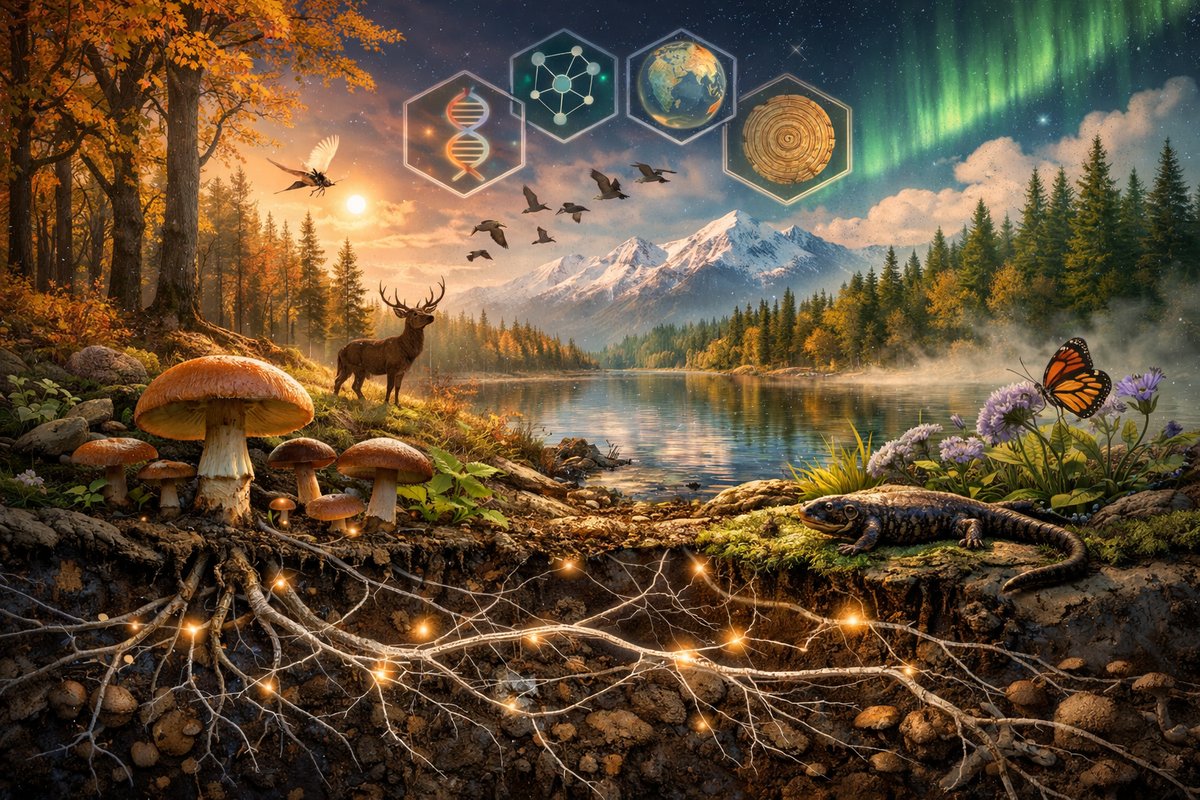
In a world facing unprecedented ecological challenges, recent advances in environmental science reveal the intricate patterns and resilience woven throughout nature. From the quiet growth of fungi networks beneath forest floors to the shifting dynamics of seasonal ecosystems, this exploration invites us to deepen our connection with the living world and recognize our role within it.
The natural world is a tapestry of complexity and subtle beauty, where every organism, from the smallest microbe to the tallest tree, participates in a delicate balance. Environmental science today is uncovering the astonishing ways in which ecosystems demonstrate resilience – the capacity to absorb disturbances, adapt, and continue functioning. This resilience is vital as humanity confronts climate change, biodiversity loss, and habitat degradation.
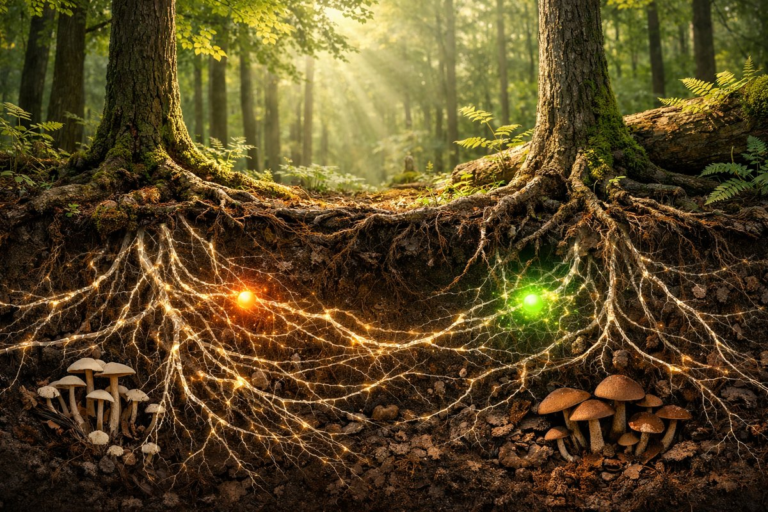
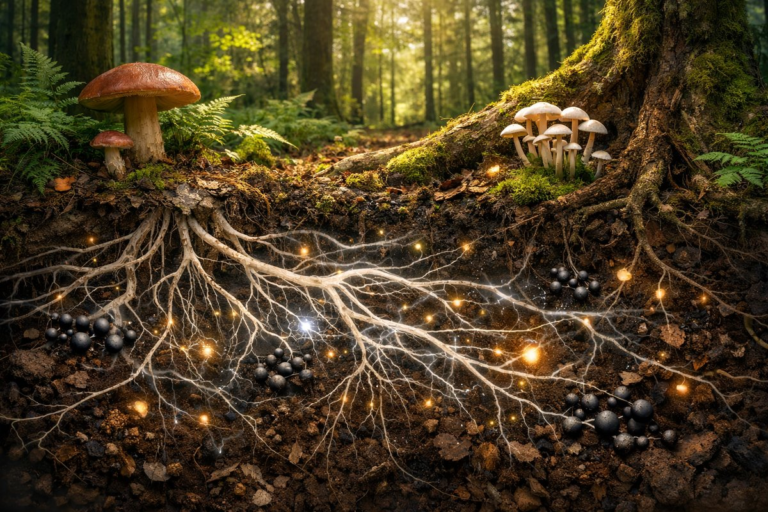
One of the most fascinating discoveries in recent years centers around mycorrhizal fungi, the vast underground networks that connect plant roots in symbiotic relationships. These fungal highways facilitate nutrient exchange, bolster plant health, and even enable communication between trees. Studies have shown that forests with rich mycorrhizal networks recover more quickly from environmental stresses like drought or disease. This subterranean world challenges us to rethink the boundaries of individual organisms and appreciate the interconnectedness of life.
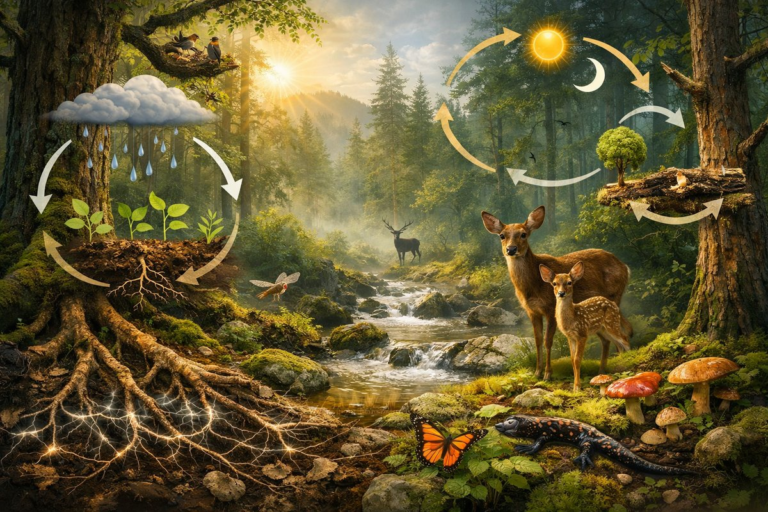
Seasonal changes provide another window into nature’s adaptive strategies. Phenology, the study of the timing of biological events, reveals how plants and animals synchronize their life cycles with environmental cues such as temperature and daylight. However, climate change is disrupting these rhythms, causing mismatches that ripple through food webs. For example, if insects emerge earlier than usual but migratory birds arrive late, the birds may face food shortages. Understanding these patterns helps scientists predict ecological shifts and guide conservation efforts.
Beyond individual species and seasonal cycles, entire ecosystems exhibit resilience through diversity and redundancy. Coral reefs, wetlands, and old-growth forests harbor myriad species performing overlapping ecological roles. When one species declines, others can sometimes compensate, maintaining ecosystem functions. Yet, this buffer has limits; excessive human pressures can push systems beyond tipping points, leading to irreversible changes.
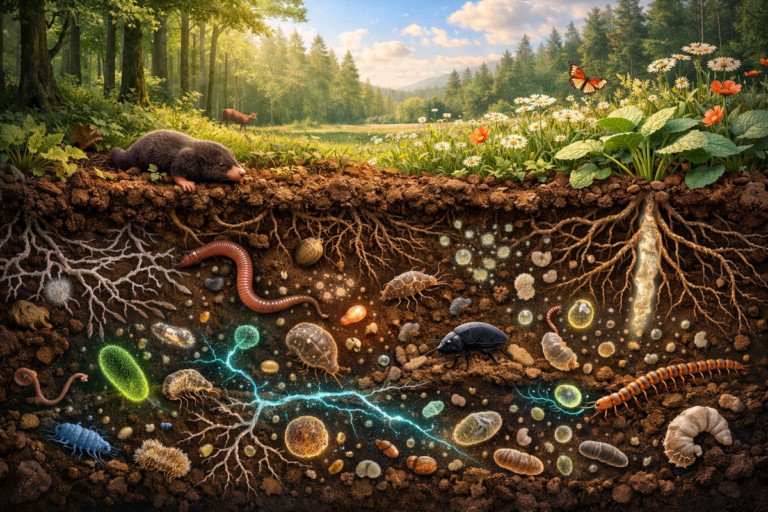
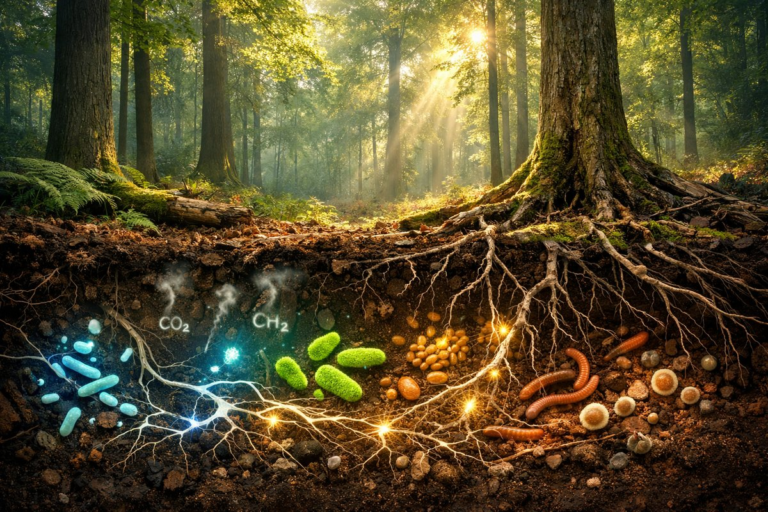
Environmental science also emphasizes the role of natural processes in climate regulation and carbon storage. Forests act as carbon sinks, absorbing significant amounts of CO2 from the atmosphere. Recent research highlights the importance of soil health in sequestering carbon, with fungi and microorganisms playing key roles. Protecting and restoring these natural carbon reservoirs is critical in mitigating climate change.
The growing field of ecological restoration applies these insights to heal damaged landscapes. Techniques such as rewilding, native species planting, and controlled burns aim to restore natural dynamics and resilience. These efforts require deep ecological knowledge, patience, and respect for the intrinsic rhythms of nature.
As we reflect on these discoveries, there is a profound invitation to cultivate curiosity and emotional intelligence in our relationship with the environment. Observing a forest’s quiet growth or a seasonal migration evokes awe and a sense of belonging. It reminds us that humans are not separate from nature but part of its ongoing story.
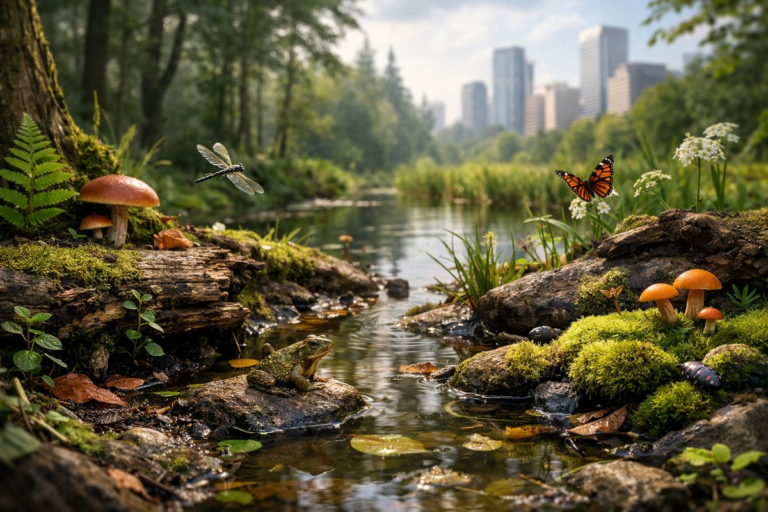
In practical terms, this awareness calls for sustainable choices in daily life-supporting biodiversity-friendly agriculture, reducing waste, conserving water, and advocating for policies that protect natural habitats. It also inspires a mindful appreciation of the small wonders around us: the resilience of a city park’s wildflowers, the return of migratory birds, or the intricate patterns on a leaf.
Ultimately, environmental science offers both knowledge and hope. It reveals nature’s capacity to endure and adapt, while underscoring the urgency of our stewardship. By listening closely to the living world’s patterns and rhythms, we can foster a deeper connection that nurtures both the planet and our own well-being.