Location
Mount Vernon, WA 98274

Location
Mount Vernon, WA 98274
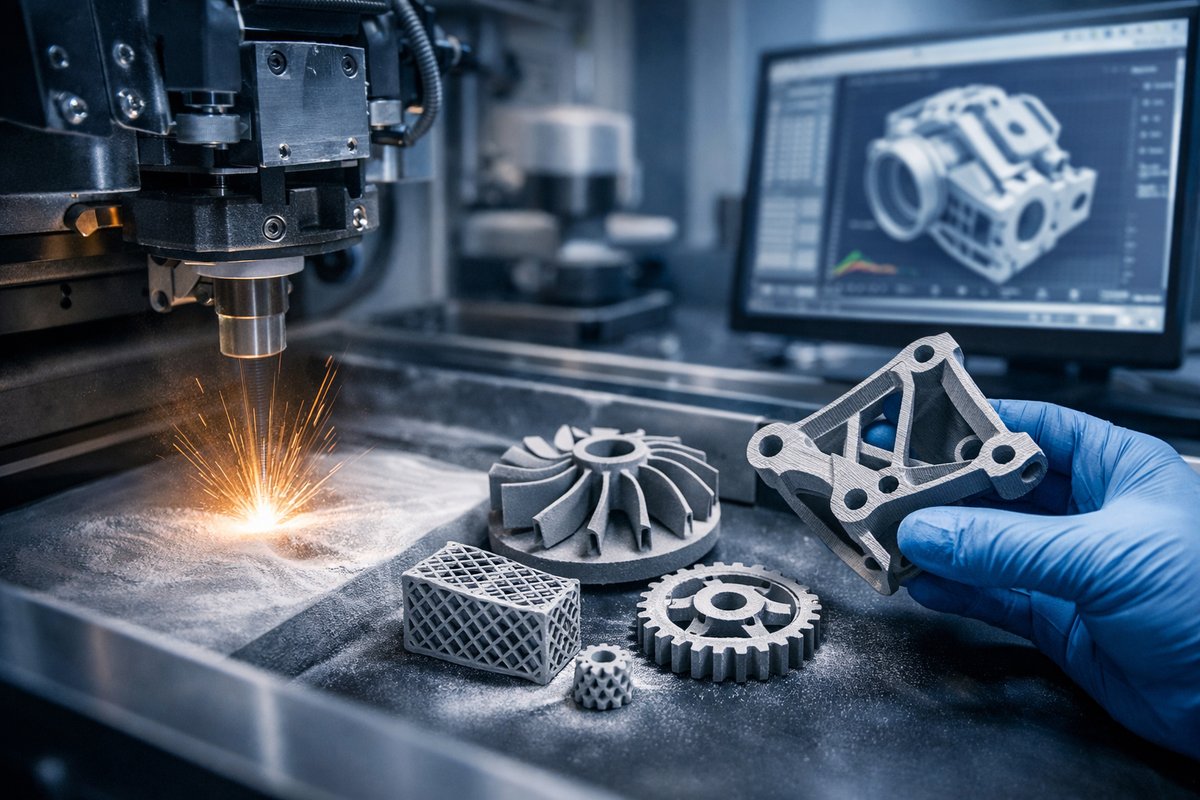
Additive manufacturing is reshaping how we create by building objects layer by layer, offering unprecedented design freedom. This guide dives into Selective Laser Sintering (SLS), a versatile 3D printing technique that fuses powdered materials with precision laser heat, unlocking complex geometries and durable parts. Discover how to harness SLS technology, the essential tools involved, and why this method is a compelling choice for makers eager to innovate.
Additive manufacturing, commonly known as 3D printing, has revolutionized fabrication by constructing objects through successive layering rather than subtractive cutting. Among the various techniques available, Selective Laser Sintering (SLS) stands out for its ability to produce strong, functional parts with complex geometries that would be challenging or impossible to achieve through traditional machining or other 3D printing methods.
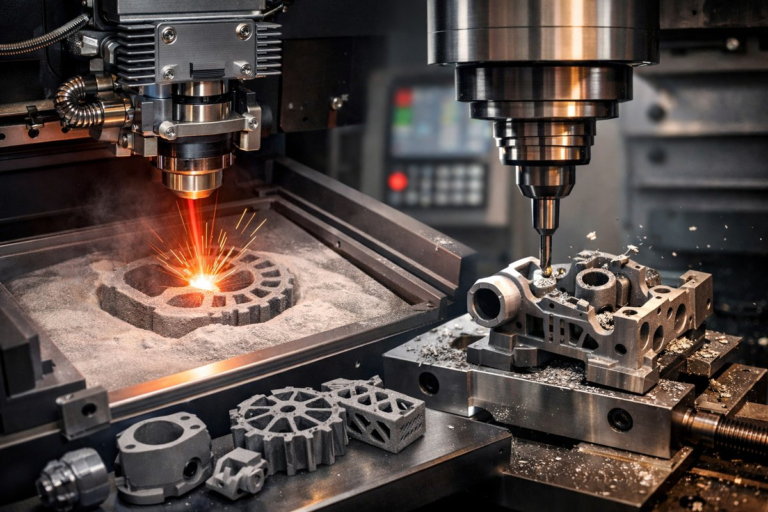
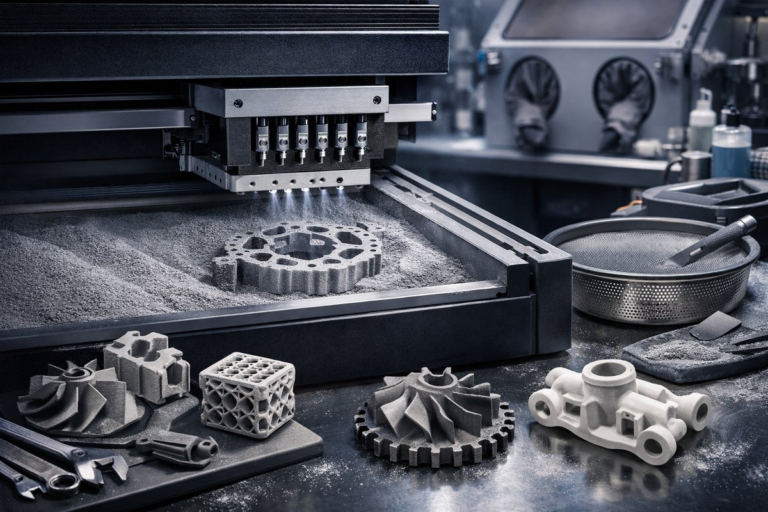
At its core, SLS uses a high-powered laser to sinter powdered material-most often nylon or other thermoplastics-by fusing particles together layer by layer. Unlike filament-based extrusion methods, SLS does not require support structures because the unsintered powder naturally supports the object during printing. This feature opens the door to intricate internal channels, undercuts, and interlocking parts, making it a favorite among engineers, designers, and hobbyists alike.
To get started with SLS, understanding the workflow and equipment is essential. The process begins with creating a 3D model, typically designed in CAD software. The model is then sliced into thin horizontal layers using specialized software that translates the design into laser path instructions. The SLS machine spreads a thin layer of powder across the build platform, and the laser selectively fuses the areas corresponding to the current slice. After one layer is sintered, the platform lowers, and a new layer of powder is applied, repeating the cycle until the object is complete.
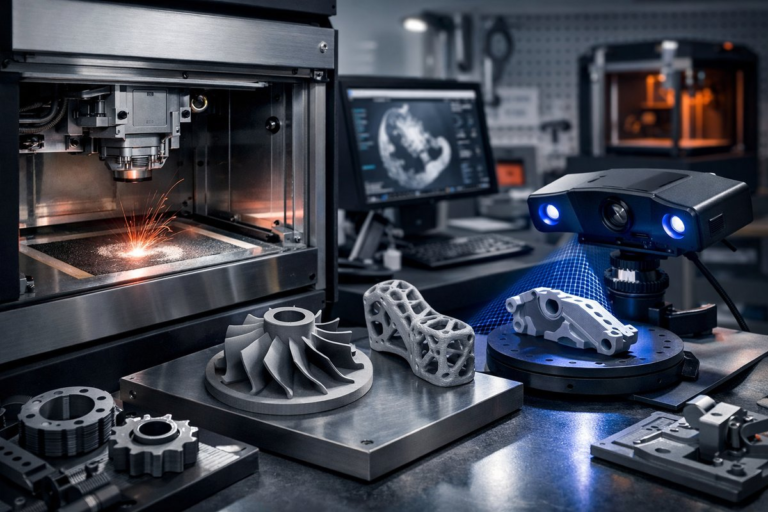
One of the most critical components of SLS technology is the laser system itself. The laser must be precisely calibrated to deliver the right amount of energy to sinter the powder without overheating or underfusing. Modern SLS machines often use fiber lasers with adjustable power settings, allowing users to fine-tune parameters based on material type and desired mechanical properties.
Material choice plays a pivotal role in the success of SLS printing. Nylon powders are popular due to their strength, flexibility, and chemical resistance. Some advanced setups also support composite powders infused with glass beads or carbon fibers, enhancing stiffness and thermal stability. Selecting the right powder and understanding its flow and sintering characteristics can significantly affect surface finish and part durability.
Post-processing is another important aspect to consider. Once printing is complete, the build chamber cools down before parts are carefully extracted from the surrounding powder. The leftover powder can often be recycled for future prints, aligning with sustainable practices. Parts may require additional finishing steps such as bead blasting to improve surface texture, dyeing for color, or infiltration with resins to boost strength and surface hardness.
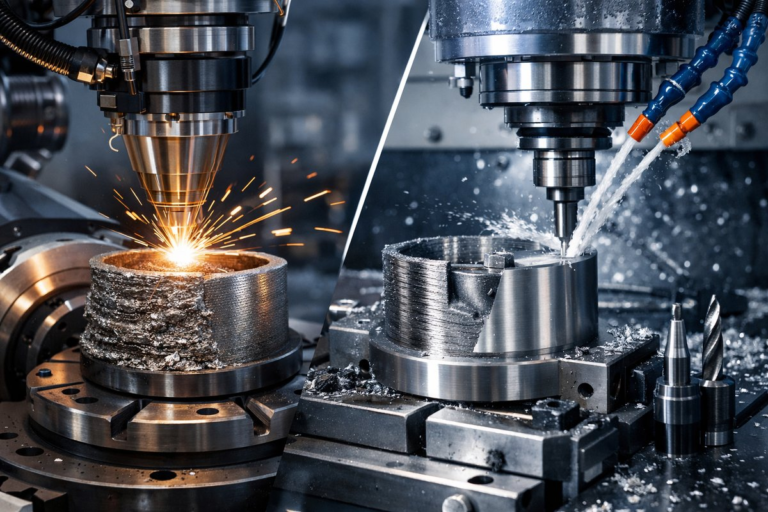
For those transitioning from subtractive manufacturing, SLS offers a complementary approach that emphasizes design freedom and material efficiency. Instead of removing material, you build only what is necessary, reducing waste and enabling rapid prototyping or low-volume production runs. This technique is especially valuable for creating lightweight lattice structures, custom ergonomic components, or complex assemblies consolidated into single prints.
To successfully experiment with SLS, investing in the right tools and accessories is key. A reliable SLS 3D printer, compatible powder materials, and safety equipment such as respirators and gloves for handling fine powders are fundamental. Additionally, software for slicing and part orientation helps optimize print quality and minimize build time.
Engaging with the SLS process also cultivates patience and precision, virtues shared with traditional machining crafts. Each layer’s fusion must be carefully controlled to maintain dimensional accuracy and mechanical integrity. The gradual revelation of the object from a bed of powder echoes the subtractive ethos of uncovering form through deliberate action, yet it invites new creative possibilities unlocked by additive layering.
In summary, Selective Laser Sintering stands as a powerful additive manufacturing technique that blends technological sophistication with hands-on craftsmanship. By understanding its principles, tools, and materials, makers can harness SLS to produce robust, intricate parts that expand the boundaries of design and function. Whether prototyping innovative concepts or fabricating specialized components, SLS offers a rewarding journey into the future of making.