Location
Mount Vernon, WA 98274

Location
Mount Vernon, WA 98274
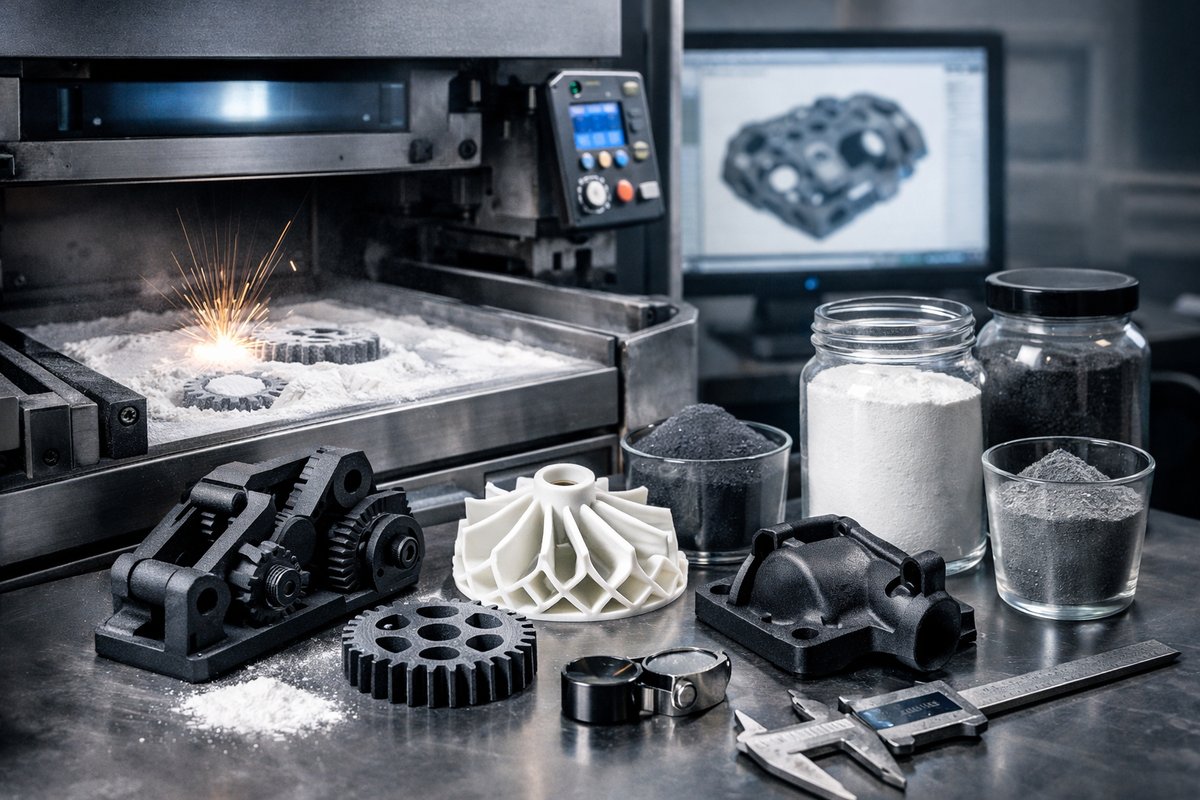
Selective Laser Sintering (SLS) offers a powerful approach to additive manufacturing, enabling the creation of durable, complex parts without the need for support structures. This guide dives into the technique's fundamentals, essential materials, and key tools, empowering enthusiasts and professionals alike to harness SLS for functional prototypes, end-use components, and innovative designs.
Additive manufacturing continues to revolutionize how we transform digital models into physical objects, with Selective Laser Sintering (SLS) standing out as a versatile and robust technique. Unlike traditional 3D printing methods that often require support structures or are limited to specific materials, SLS uses a high-powered laser to fuse powdered material layer by layer, producing strong, intricate parts with excellent mechanical properties.
This article offers a detailed exploration of SLS, covering the process, key materials, and the components that make it accessible and effective. Whether you’re a curious maker or a seasoned engineer, understanding SLS can open doors to manufacturing objects that were once difficult or impossible to create.
Understanding the SLS Process
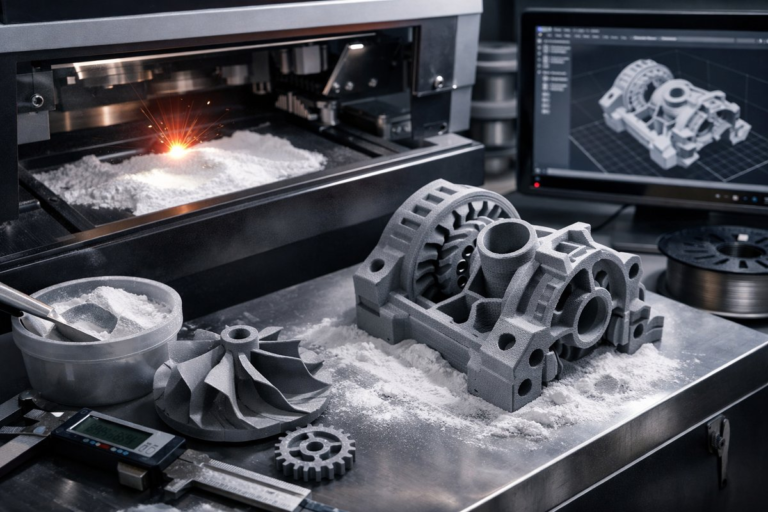
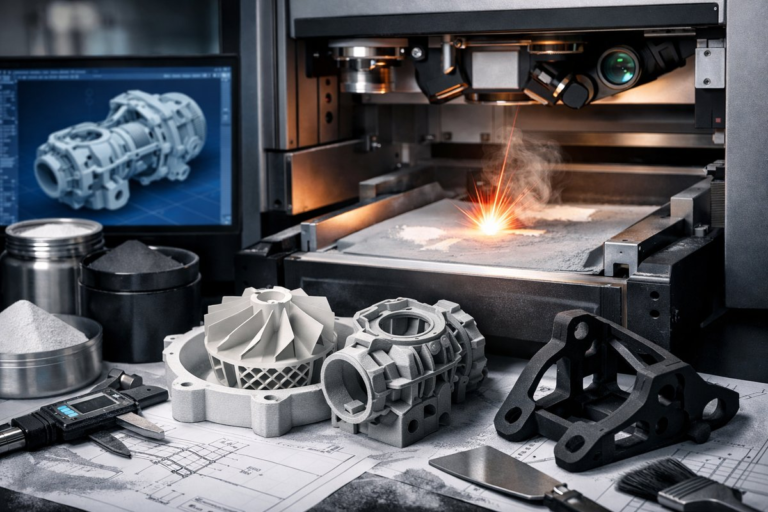
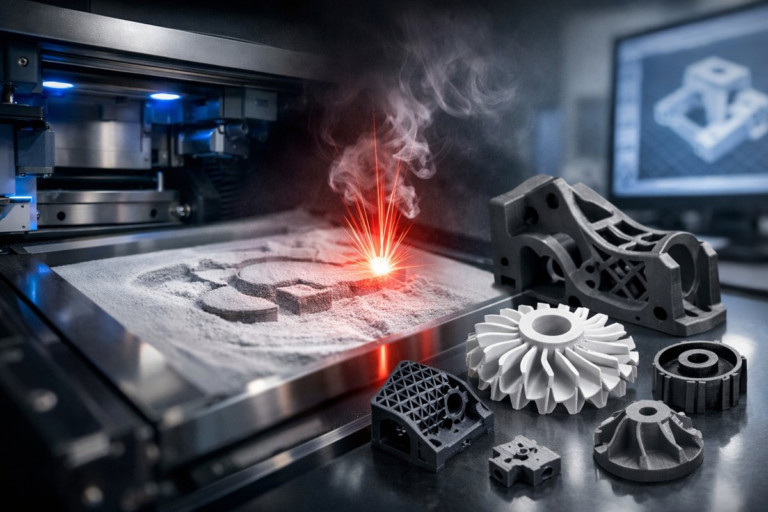
At its core, Selective Laser Sintering works by spreading a thin layer of powdered material-most commonly nylon or other thermoplastics-across a build platform. A laser then selectively sinters (heats and fuses) the powder according to the digital cross-section of the object being printed. After each layer is sintered, the platform lowers slightly, and a new layer of powder is spread over the surface. This cycle repeats until the entire object is formed.
One of the advantages of SLS is that the unsintered powder surrounding the part acts as a natural support, eliminating the need for additional support structures and allowing for complex geometries such as interlocking parts, internal channels, and fine lattice structures.
Choosing the Right Powder
The material powder is arguably the most critical component in SLS. Nylon powders, particularly polyamide 12 (PA12), are widely used due to their strength, flexibility, and chemical resistance. These powders come in finely milled particles that ensure smooth layering and consistent sintering.
Some advanced powders incorporate additives like glass beads or carbon fibers to enhance stiffness and thermal resistance. Selecting the right powder depends on your application-whether it’s functional prototypes that require durability or aesthetic models that prioritize surface finish.
Handling powder safely is also important. Because the powder is fine and can become airborne, using a well-ventilated workspace and personal protective equipment such as masks and gloves is recommended.
Essential Equipment and Tools
While industrial-grade SLS machines can be prohibitively expensive, desktop and prosumer models have become more accessible, offering a balance of capability and cost. These machines typically include a laser source, powder bed, build chamber, and a recoater that spreads powder evenly.
Beyond the printer itself, several tools enhance the SLS workflow:
Design Considerations for SLS
Designing for SLS requires attention to certain parameters to maximize print success and part performance. Because the powder bed supports the part during printing, overhangs and complex shapes are more feasible, but attention should be paid to minimum feature sizes and wall thicknesses to ensure structural integrity.
Additionally, the surface finish of SLS parts tends to be slightly grainy due to the powder particles, so designers might incorporate finishing steps like tumbling or coating to achieve smoother surfaces.
Why Try SLS Yourself?
SLS offers unique advantages that make it appealing for both hobbyists and professionals. Its ability to produce strong, functional parts without support structures opens possibilities in robotics, automotive, aerospace, and medical device prototyping. Moreover, the recyclability of unused powder and the potential for batch production contribute to sustainability efforts.
Getting hands-on with SLS can deepen your understanding of material science, laser technology, and digital fabrication. It encourages experimentation with design complexity and material properties that other additive manufacturing methods may not support.
Getting Started Tips
To embark on your SLS journey, consider starting with a desktop SLS printer that fits your budget and workspace. Invest in high-quality nylon powder and familiarize yourself with safe handling practices. Experiment with simple geometric shapes before moving on to complex assemblies.
Document your prints carefully, noting parameters like laser power, layer thickness, and powder temperature, to refine your process over time. Joining online communities and forums can also provide valuable insights and troubleshooting help.
Exploring Selective Laser Sintering offers a gateway to advanced additive manufacturing that blends precision, strength, and design freedom. With the right materials, equipment, and mindset, you can bring intricate digital creations to life layer by layer.