Location
Mount Vernon, WA 98274

Location
Mount Vernon, WA 98274
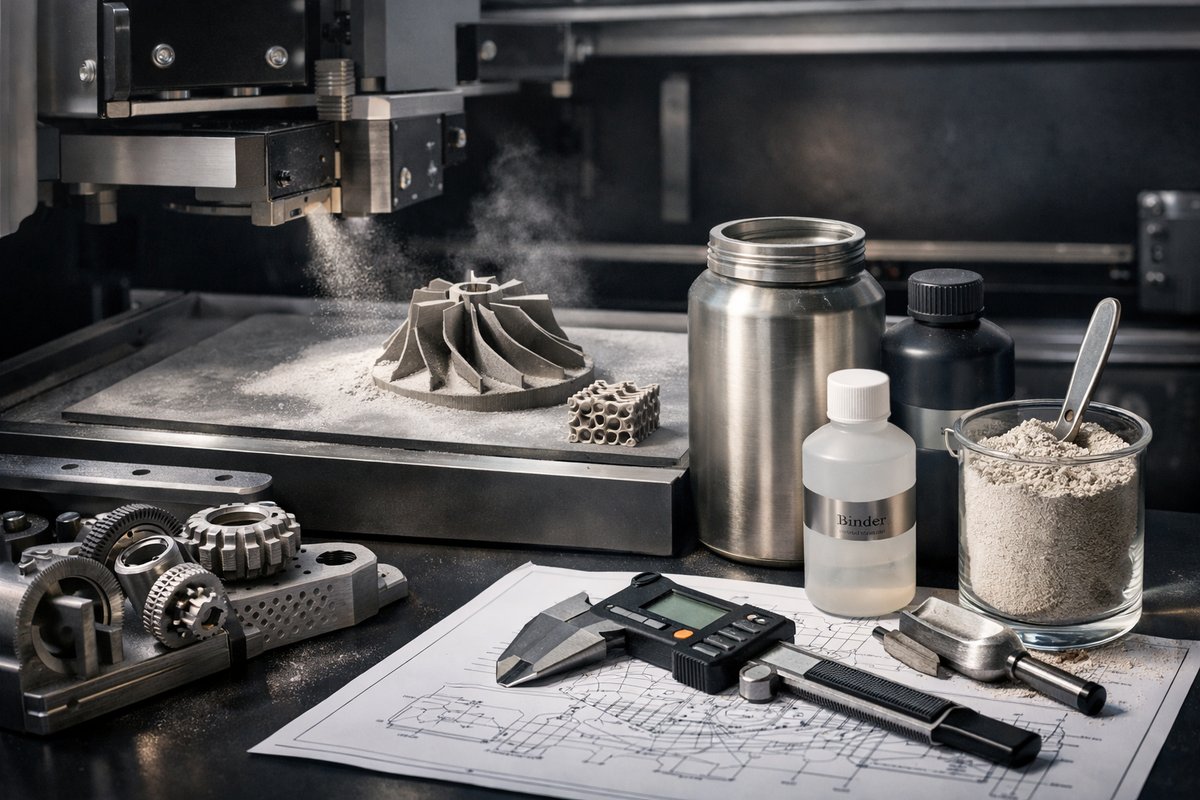
Binder jetting is an innovative additive manufacturing technique that offers unique advantages for creating complex metal and ceramic parts. This guide explores the process in detail, highlighting essential tools and components to help you get started and achieve precise, functional results.
Additive manufacturing has revolutionized how we approach design and production, enabling the creation of intricate geometries and custom components that traditional subtractive methods struggle to achieve. Among the various additive techniques, binder jetting stands out for its versatility, speed, and ability to work with a wide range of materials, particularly metals and ceramics.
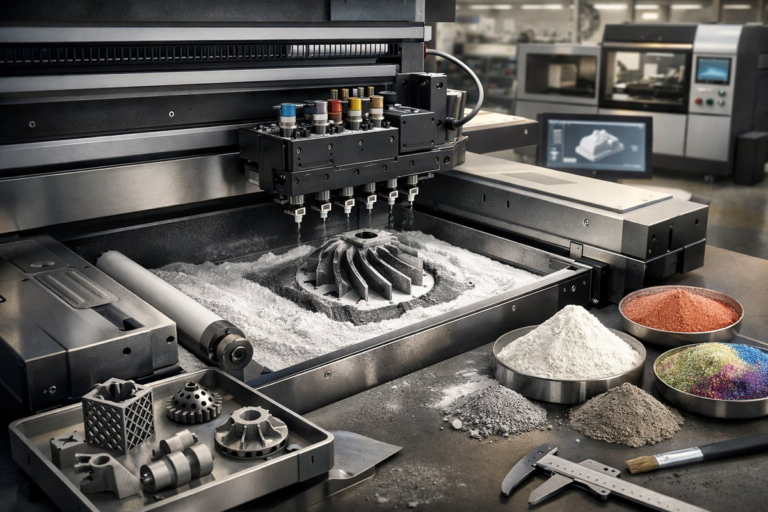
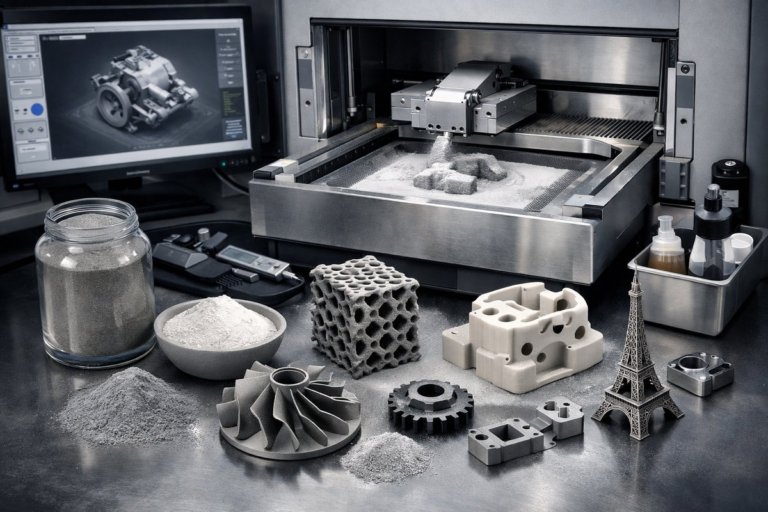
Binder jetting is a powder-bed process where a liquid binding agent selectively deposits onto thin layers of powdered material, fusing particles together to form a solid part layer by layer. Unlike laser-based methods, this technique does not rely on melting or sintering during printing, which reduces thermal stresses and allows for faster build times. After printing, parts typically undergo post-processing steps such as curing, sintering, or infiltration to achieve full density and mechanical strength.
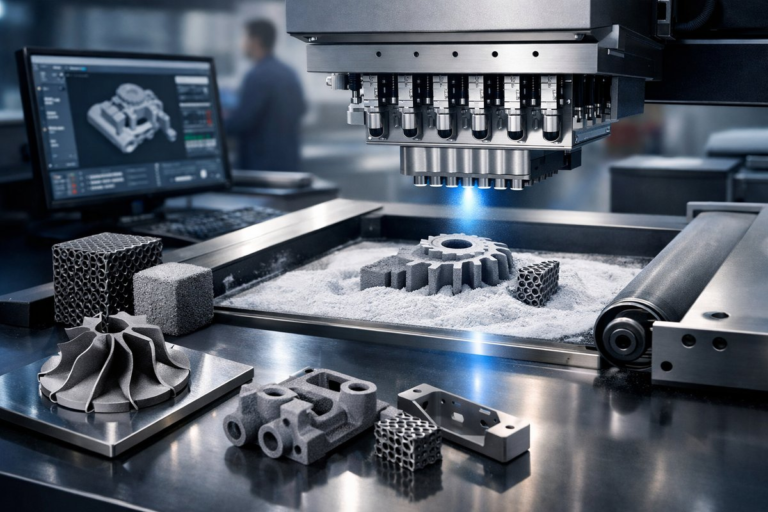
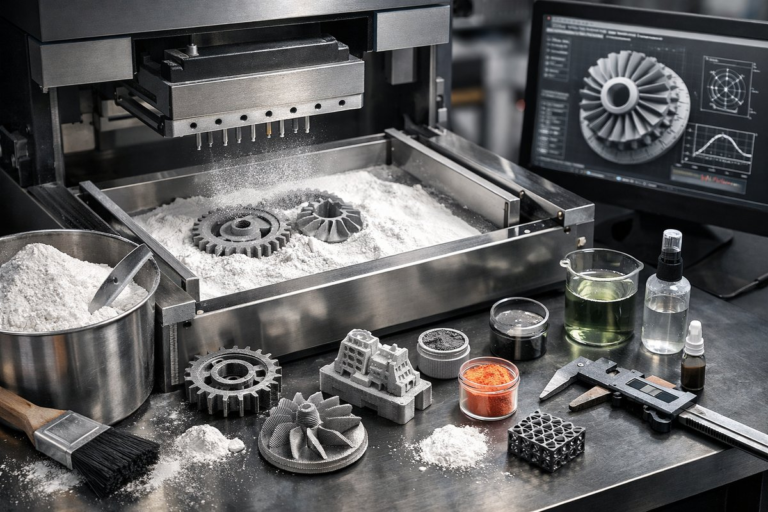
Understanding the binder jetting process begins with recognizing its core components: the powder delivery system, the print head for binder deposition, and the build platform. The powder delivery system spreads a thin, uniform layer of powder across the build area. Then, the print head moves across the powder bed, selectively depositing binder droplets to fuse particles according to the digital model. Once a layer is complete, the build platform lowers, and the process repeats until the object is fully formed.
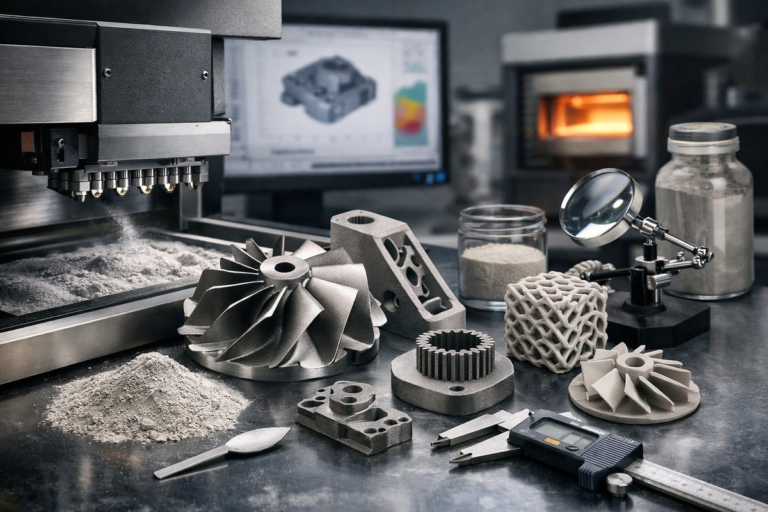
One of the most significant advantages of binder jetting is the ability to work with a wide variety of materials, including stainless steel, bronze, ceramics, and even sand. This flexibility opens doors to manufacturing functional parts with complex internal geometries, lattice structures, or fine details that would be difficult or impossible to machine traditionally.
To successfully engage with binder jetting, having the right tools and components is essential. A high-quality powder spreader ensures consistent layer thickness and surface finish, which directly influences part accuracy and mechanical properties. Precision print heads capable of accurately depositing binder droplets are equally critical, as they define the resolution and detail achievable in the final product.
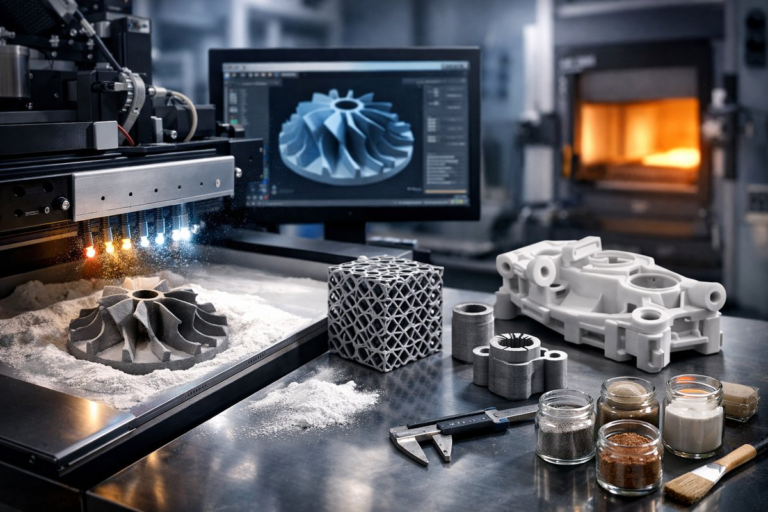
Post-processing equipment is another vital consideration. Sintering furnaces designed to handle the specific materials used in binder jetting help densify parts and improve strength. Additionally, infiltration setups allow for filling porous structures with metals like bronze or copper, enhancing mechanical performance and surface finish.
Safety and material handling are paramount when working with fine powders. Proper ventilation, dust extraction systems, and personal protective equipment (PPE) minimize exposure risks and maintain a clean working environment. Powder recycling systems can also improve sustainability by reclaiming unused material for future builds.
Getting started with binder jetting involves more than just understanding the machine and materials. Digital preparation of the 3D model is crucial. Software tools that optimize part orientation, support structures, and layer slicing help reduce print time and minimize defects. Calibration routines for the print head and powder spreader ensure consistent performance and repeatability.
Experimenting with binder jetting can be highly rewarding, especially for those interested in producing custom metal or ceramic parts with complex geometries. Whether you are prototyping aerospace components, dental implants, or artistic sculptures, this technique offers a blend of speed, precision, and material versatility.
In summary, binder jetting is a powerful additive manufacturing method that complements traditional subtractive processes by enabling the creation of intricate, functional parts from a broad range of materials. By investing in quality powder handling systems, precise print heads, and proper post-processing equipment, you can unlock the full potential of this technology and bring your designs to life with remarkable detail and strength.
Embracing binder jetting not only expands your manufacturing capabilities but also aligns with sustainable practices by reducing material waste and energy consumption compared to some conventional methods. The quiet discipline of layering and binding powder mirrors the thoughtful precision found in subtractive machining, offering a new avenue for creativity and innovation in the craft of making.