Location
Mount Vernon, WA 98274

Location
Mount Vernon, WA 98274
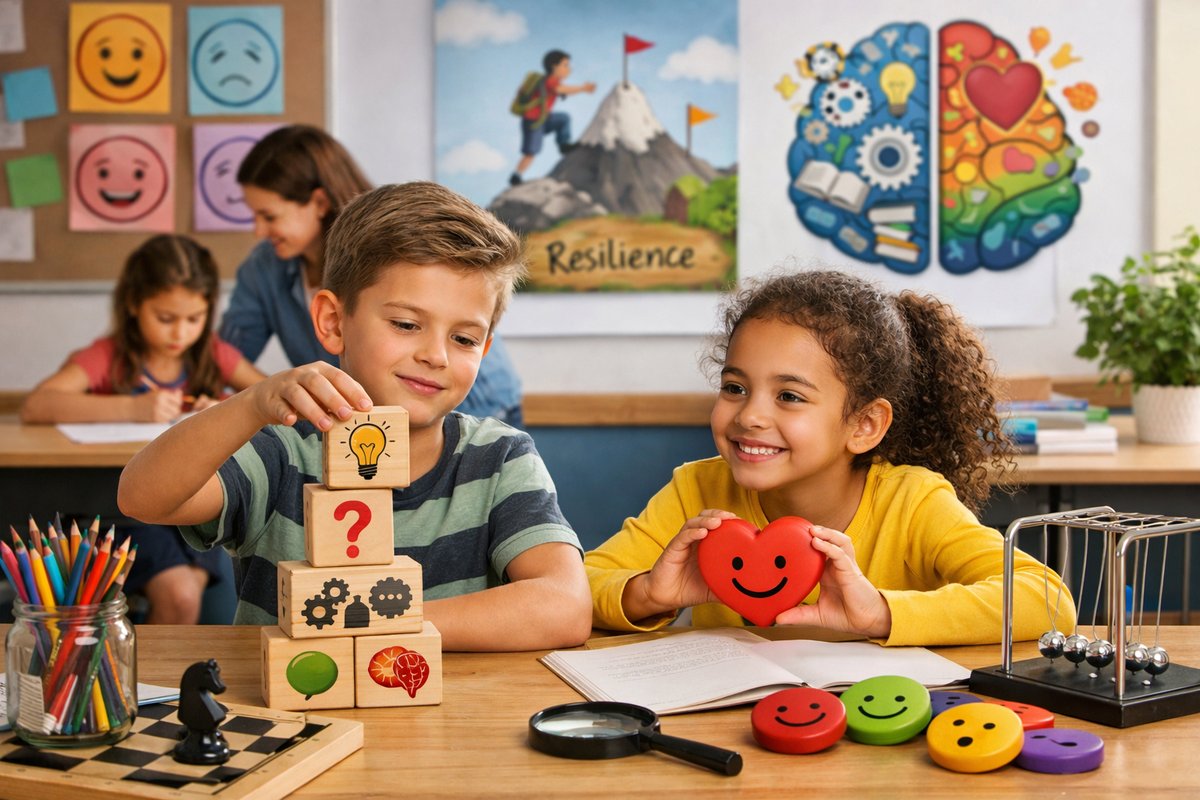
As modern parenting and education evolve, a growing emphasis on nurturing emotional intelligence alongside cognitive development is reshaping how families and schools support children. This article explores practical strategies and tools that empower children to think critically, embrace curiosity, and develop resilience.
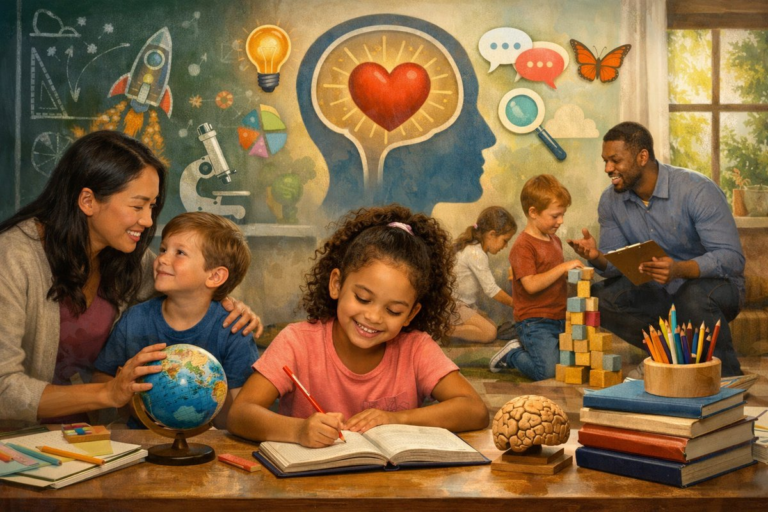
Parenting and education today are undergoing a transformative shift. The traditional focus on academic achievement is expanding to include emotional intelligence, creativity, and curiosity as vital components of a child’s growth. This holistic approach recognizes that children thrive best when their emotional needs are met and their natural inquisitiveness is encouraged.
In recent years, research in developmental psychology and education has underscored the importance of emotional regulation, empathy, and self-awareness in shaping successful, well-rounded individuals. Schools and parents alike are embracing methods that nurture these qualities alongside intellectual skills, fostering environments where children feel safe to explore ideas and express themselves authentically.
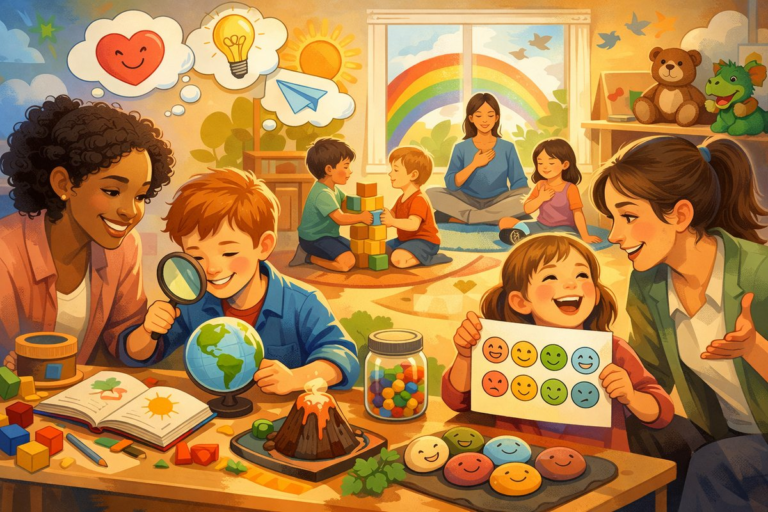
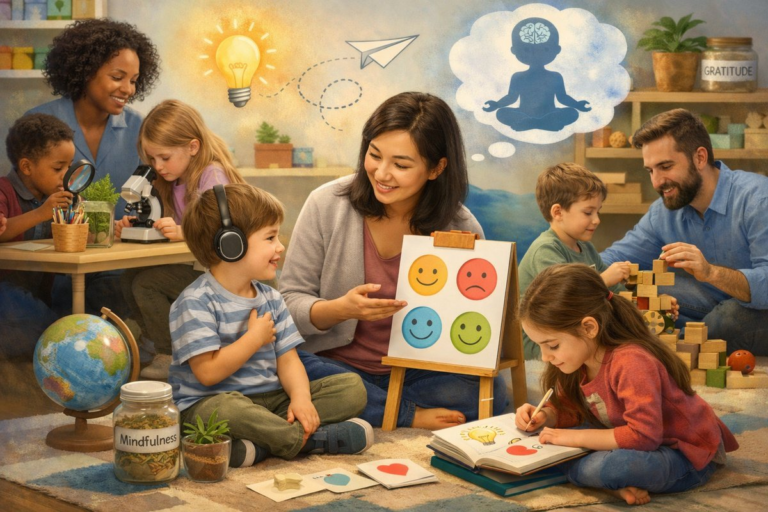
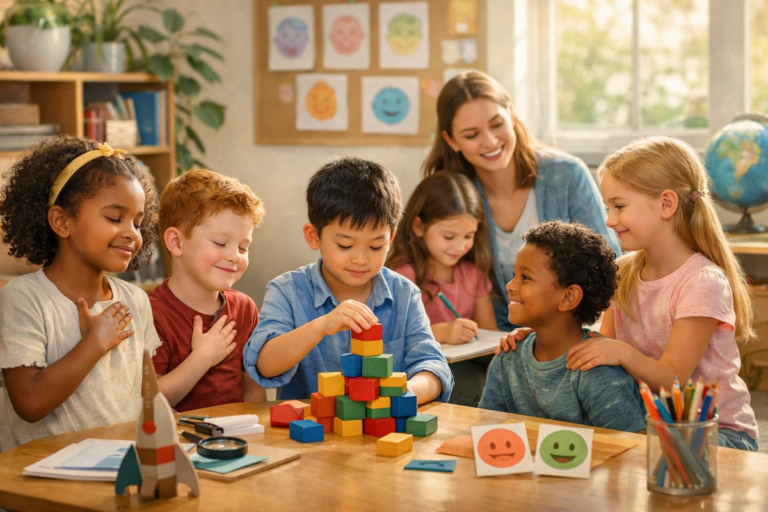
One cornerstone of this shift is the recognition that emotional intelligence is not innate but can be cultivated through deliberate practice and supportive relationships. Parents who model empathy, active listening, and emotional validation create a foundation for children to develop their own emotional literacy. Similarly, educators are integrating social-emotional learning (SEL) curricula that teach students how to manage feelings, resolve conflicts, and collaborate effectively.
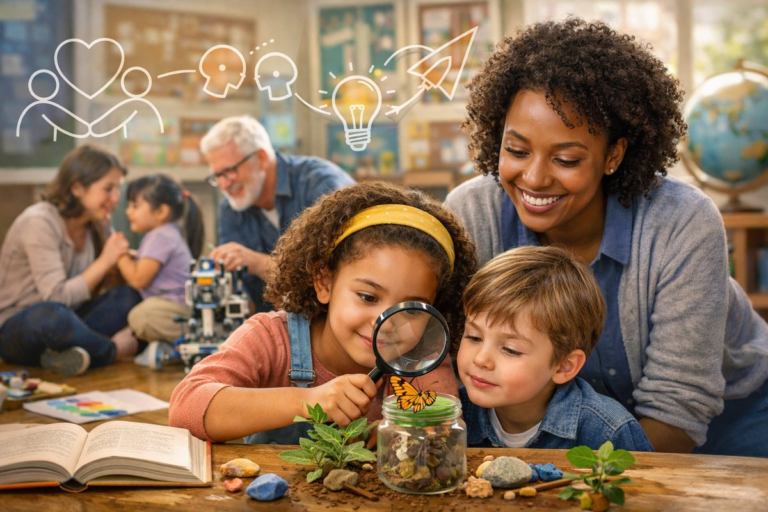
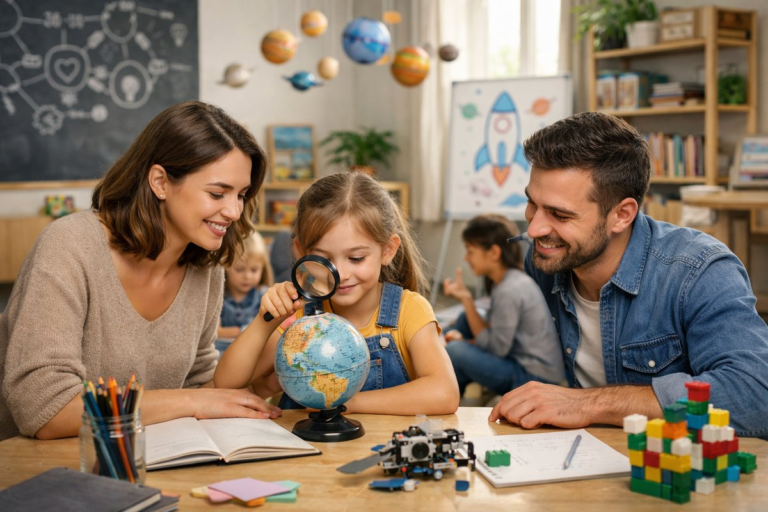
Curiosity remains a driving force in this educational evolution. Encouraging children to ask questions, experiment, and engage with the world around them fuels intrinsic motivation and a lifelong love of learning. This is particularly important in a rapidly changing society where adaptability and problem-solving skills are paramount.
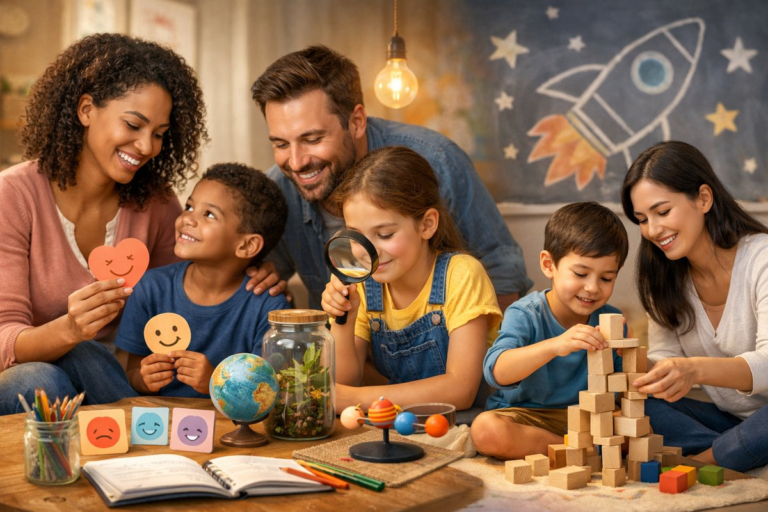
Practical strategies for parents include creating a home environment rich in open-ended materials and experiences that stimulate exploration. This might mean providing art supplies, science kits, or books that invite inquiry rather than rote memorization. Storytelling and imaginative play also serve as powerful tools for developing empathy and perspective-taking.
Technology, when used thoughtfully, can support these goals by offering interactive learning platforms that adapt to individual interests and pace. However, balancing screen time with hands-on activities and interpersonal interactions remains critical to healthy development.
Another vital element is fostering agency-helping children feel they have control over their choices and learning paths. Allowing children to make decisions about their activities, encouraging goal-setting, and celebrating effort rather than just outcomes build confidence and resilience.
Challenges such as academic pressure, social media influences, and the complexities of modern family dynamics require parents and educators to remain flexible and compassionate. Open communication and collaborative problem-solving help children navigate these stressors while maintaining emotional well-being.
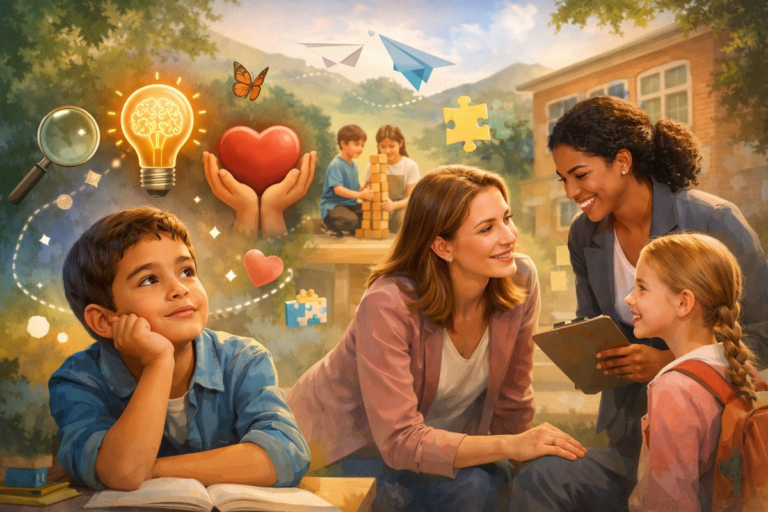
Ultimately, this integrated approach to parenting and education champions the joy of raising thinkers who are not only knowledgeable but also emotionally grounded and curious about the world. It invites families to cherish each child’s unique journey and to support growth with heart and intention.
As this paradigm continues to gain momentum, resources that combine emotional tools with educational enrichment become invaluable. By investing in materials and experiences that honor both the mind and heart, parents and educators can cultivate environments where children flourish holistically.