Location
Mount Vernon, WA 98274

Location
Mount Vernon, WA 98274
A new wave of parenting and education tools is prioritizing both curiosity and emotional intelligence, blending hands-on learning toys with mindful practices. As families experiment with Montessori-inspired materials, emotion flashcards and sensory kits, experts say children gain agency, resilience and joy in discovery.
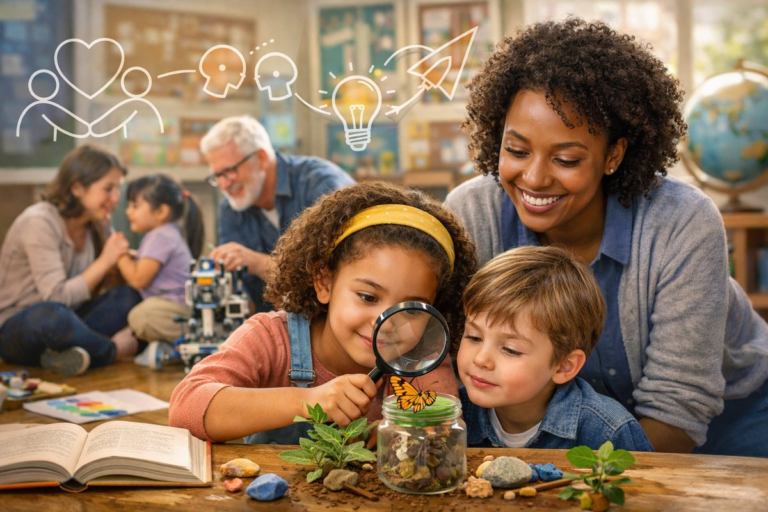
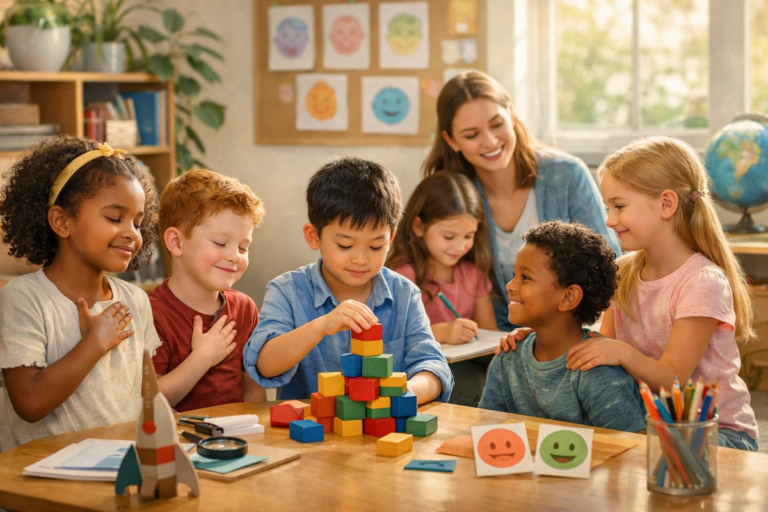
At a recent gathering hosted by a national child development institute, a room full of parents and educators circled around low tables covered in colorful building blocks, magnetic shapes and illustrated cards. The air buzzed with conversations about how to support children’s natural curiosity without adding pressure, and how to integrate emotional tools alongside traditional learning toys. News outlets have started taking notice: what began as small-scale Montessori circles and parent meetup groups has grown into a broader movement that champions agency, joy and heart in early childhood settings.
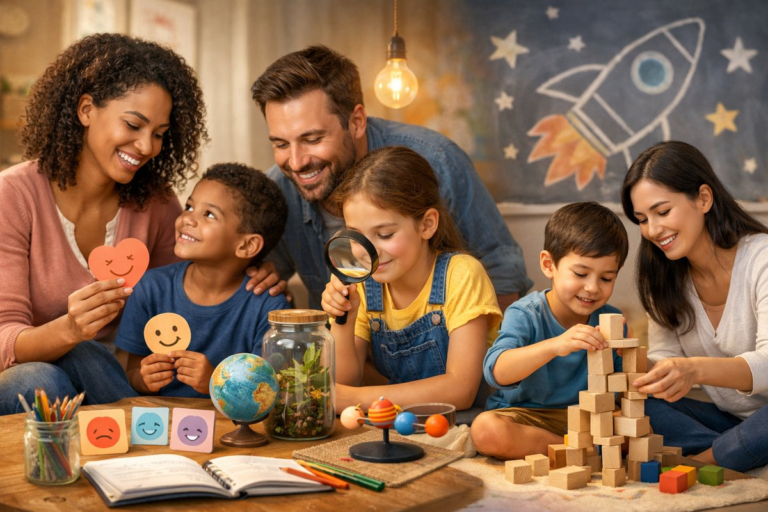
In suburban living rooms and urban co-ops alike, families are swapping out plastic gadgets for wooden blocks that interlock, open-ended art supplies and emotion flashcards. One mother described setting aside digital devices for weekly “creation nights,” where her five-year-old experiments with watercolor paints and basic circuitry kits. She found that as her child’s imaginative confidence grew, so did their ability to label emotions and problem-solve on their own. Educators say these at-home rituals align with recent studies showing that open-ended play enhances executive function and fosters neural connections critical for flexible thinking.
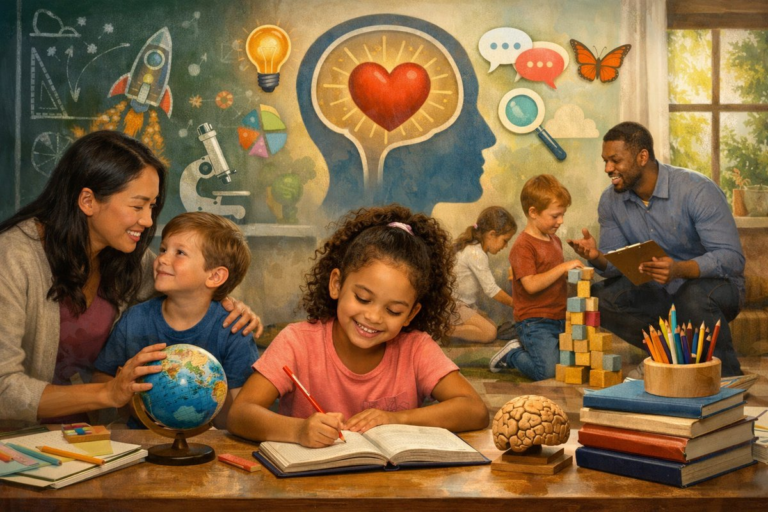
A report published this spring by a leading university’s school of education highlighted the convergence of hands-on learning and emotional intelligence tools. Researchers tracked 150 preschoolers over six months, comparing standard dramatic play centers with enriched environments featuring sensory bins, reflective journaling corners and guided emotion discussions. Kids exposed to the blended model scored 20 percent higher on self-regulation measures, and teachers noted fewer meltdowns during transitions. This data suggests that integrating emotional literacy doesn’t slow academic progress-it accelerates it by giving children the vocabulary to express frustration, curiosity or excitement.
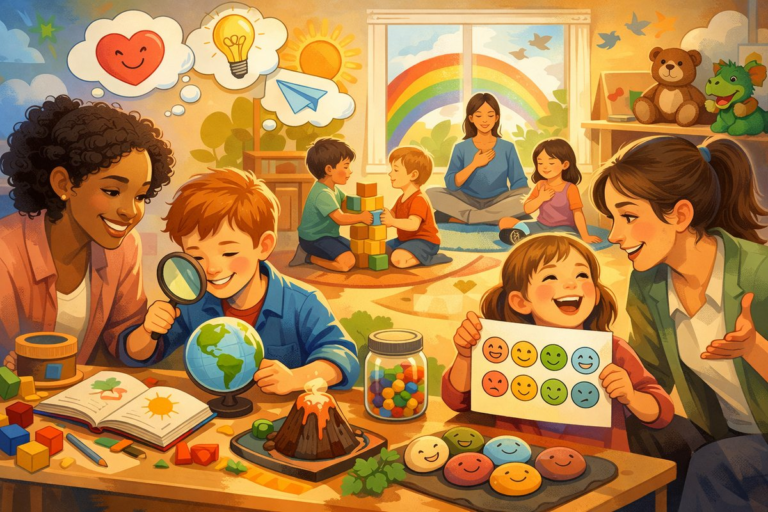
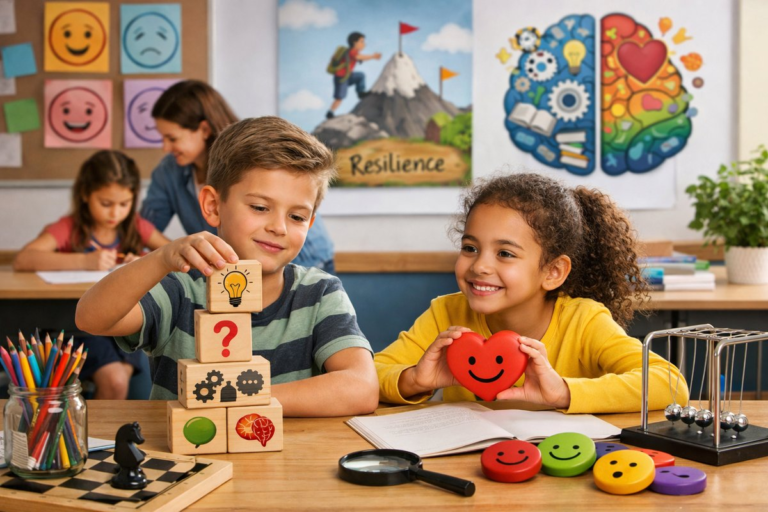
The shift toward “whole-child learning” has also spurred new product designs. Emotion flashcards now come with illustrated scenarios, prompts for role-playing and simple breathing exercises. A line of guided journals invites children to draw or write about daily highs and lows, pairing questions like “What made you laugh today?” with space for doodles. Some parents craft DIY sensory kits-recycled jars filled with rice, beads and aromatic herbs-to help kids calm down when they feel overwhelmed. These low-cost solutions have been widely shared on parenting forums, where members cheer each other on with photos of homemade calm-down jars and surprise art kits.
Digital tools haven’t been left behind. Educational apps that once focused solely on math drills now offer modules on gratitude, mindful breathing and empathy challenges. One recent release gamifies the process of naming five things you can see, hear and touch in the present moment, unlocking badges as rewards. While screen time still raises eyebrows, developers stress that quality matters more than quantity when the content fosters self-awareness and active reflection.
In community centers from coast to coast, pop-up reading tents have become a staple at storytime events. Tucked under twinkling lights, these cozy nooks invite kids to curl up with picture books on friendship and emotional growth. Some venues add a mini station nearby stocked with magnetic building tiles or simple lab kits, so children can switch gears from narrative exploration to hands-on discovery. Parents report that these blended setups keep kids engaged longer and spark conversations about themes in literature through art and play afterward.
Experts emphasize that no single product or practice is a silver bullet. A child psychologist who has advised national parenting podcasts warns against the “shiny new toy” trap: “Tools are only as powerful as the relationships surrounding them. A set of wooden blocks doesn’t magically teach sharing or empathy. It’s what adults do with those materials-asking open-ended questions, modeling patience, celebrating mistakes-that builds social and emotional skills.” This reminder has led many parents to seek out facilitation guides and online workshops that accompany the physical toys, ensuring that play becomes a shared dialogue rather than solo screen time.
Still, the challenges of modern family life-busy schedules, limited budgets and competing screen demands-can make thoughtfully curated play feel out of reach. Several grassroots groups have launched toy-library programs that rotate curated crates of emotional-learning tools at low cost. For around the price of a family pizza, subscribers receive a box containing items such as a pop-up reading tent, a sensory fidget set, a guided journal for kids and emotion flashcards. After a month, they swap it out for a new selection. Organizers say this model promotes both sustainability and accessibility, reducing clutter at home while allowing children to explore a variety of materials.
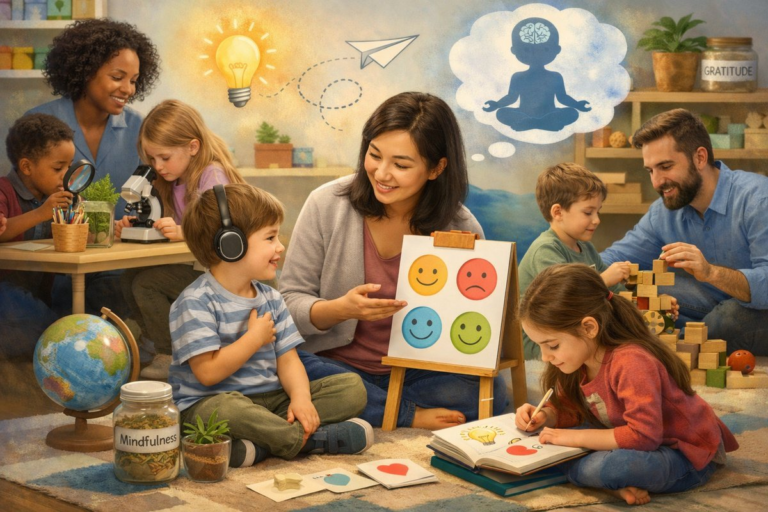
Meanwhile, a handful of innovative preschools are redesigning their classrooms entirely. Instead of rows of desks and fluorescent lighting, these spaces feature low shelves with open bins of clay, natural-wood blocks and magnetic pattern tiles. Nestled in a corner, a child-sized table holds a communal journal where kids can scribble or stick photos from their day. Teachers lead morning circles that include five minutes of guided breathing, followed by storytelling prompts that encourage sharing personal experiences.
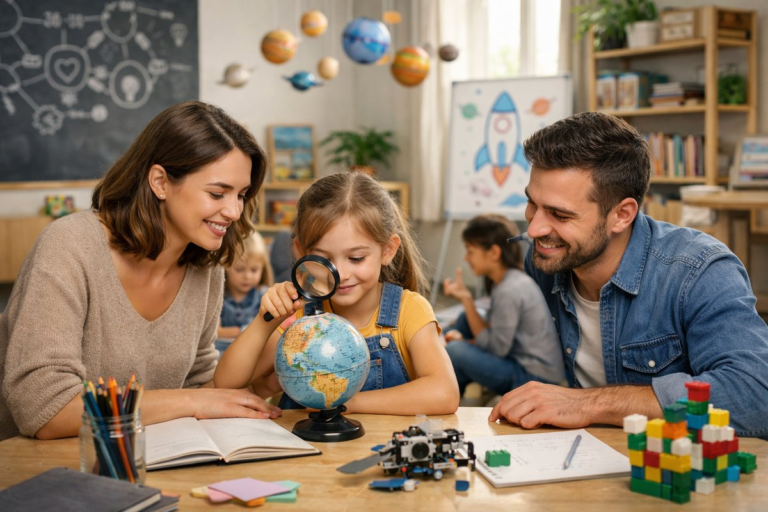
Parents who visited these pilot classrooms often leave inspired, telling local PTOs and neighborhood chats about what they’ve seen. Many schools have responded by hosting “family learning nights,” injecting adult-child play sessions into the calendar. These events combine story walks with a toolkit giveaway-a small collection of items like a mini reading tent, a simple art set and question cards for emotion talk. Attendees report that even a brief 45-minute workshop can shift the home environment, making parents more likely to carve out time for unstructured, exploratory play.
As families juggle remote work, extracurriculars and household chores, carving out pockets of playful connection has become a shared goal. Pediatricians note that when parents prioritize space for both emotional check-ins and imaginative construction, kids exhibit fewer behavior issues and improved communication at home and in school. The result? A ripple effect that reduces stress for the entire household and frees up mental space for creative projects, whether that’s building a cardboard robot or writing a short story together.
From Montessori-inspired blocks to emotion flashcards and reading tents aglow with fairy lights, the tools may vary, but the mission remains the same: to celebrate curiosity, nurture agency and foster emotional well-being in the next generation. As this evolving ecosystem of products, practices and community initiatives gains momentum, experts believe we’ll see a new era of parenting-one where learning and feelings coexist, and where the real measure of success is joy in discovery, not just test scores or trophies.