Location
Mount Vernon, WA 98274

Location
Mount Vernon, WA 98274
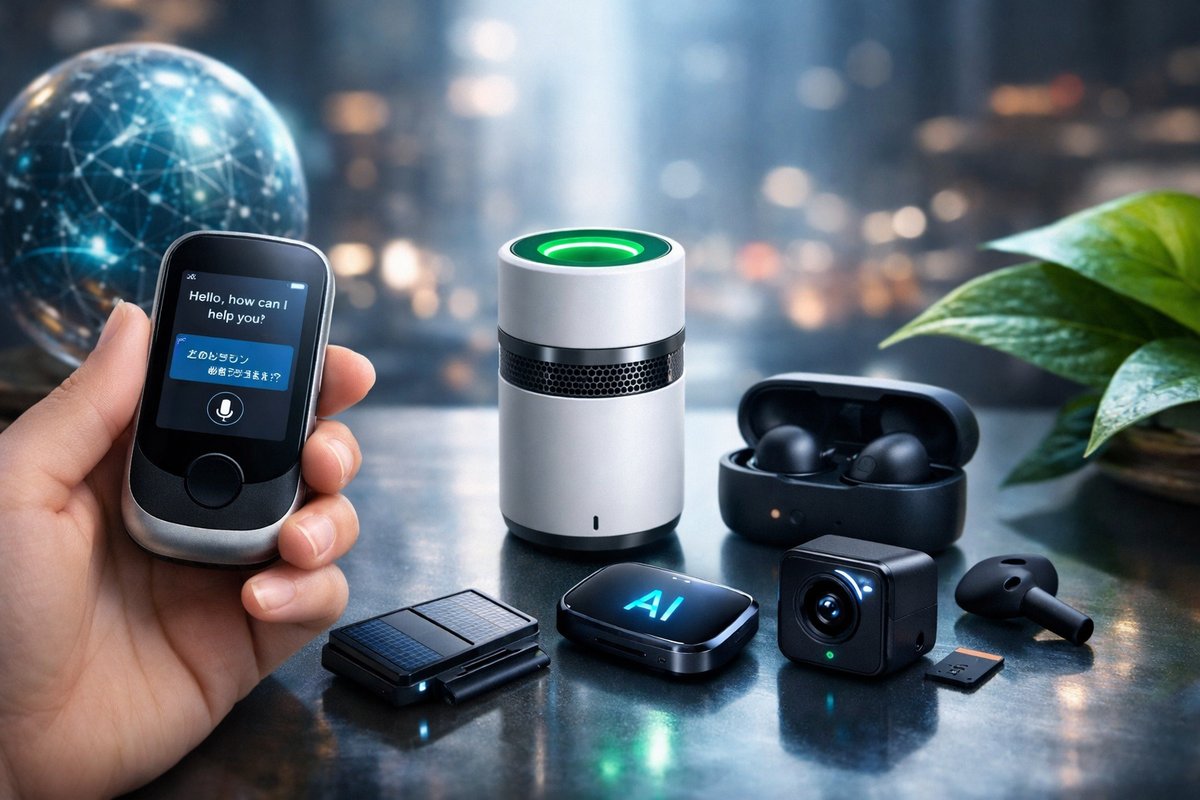
From real-time pocket translators to microscopic air filters, the latest wave of ultra-compact gadgets is reshaping how we live, work, and connect. These tiny powerhouses pack sustainability, AI and privacy features into palm-sized tools that promise to elevate daily routines and spark fresh possibilities.
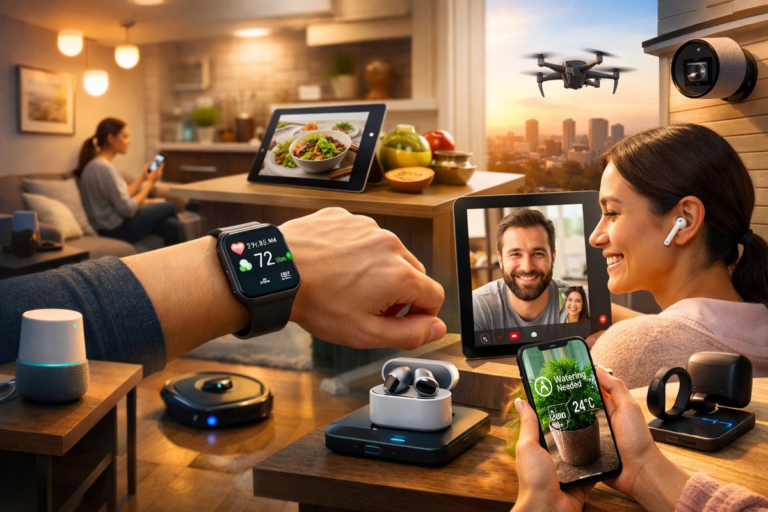
In a landscape where bigger is often assumed to be better, a growing cadre of engineers and designers is flipping that assumption on its head. Over the past year, a spate of startups and R&D labs have unveiled ultra-compact devices that deliver serious performance in packages no larger than a credit card. Dubbed “invisible powerhouses” by industry watchers, these micro innovations promise to redefine convenience, sustainability and personal privacy-ushering in an era where the most transformative technology might fit in the palm of your hand.
One standout example is the rise of pocket translators that can interpret dozens of languages in real time. Equipped with miniature neural-network processors and noise-cancelling microphones, these devices eliminate bulky hardware and expensive roaming fees. Early adopters say the seamless voice-to-voice communication has shattered language barriers during everything from mountain-top negotiations to family reunions abroad. By keeping data processing on the device itself, these translators also ensure sensitive conversations never leave the user’s control-an important privacy milestone in an age of cloud-dependent assistants.
Meanwhile, personal air-quality monitors and micro air purifiers have taken center stage in urban centers where pollution spikes are becoming routine. Instead of filling an entire countertop, the latest versions use advanced nanoporous materials to capture fine particulate matter inside a tiny cartridge. When clipped to a backpack or placed on a desk, they relay real-time pollution readings to a smartphone app, then spring into action when levels climb. Users appreciate the peace of mind in crowded commutes, while sustainability enthusiasts applaud the reusable filters and low-power operation.
The wellness sector has also embraced miniaturization. Compact wearable sensors that measure hydration, ultraviolet exposure and stress markers are now about the size of a button. They adhere to the skin using medical-grade adhesive and share data via encrypted Bluetooth Low Energy. Engineers highlight how these devices can run for weeks on a single coin-cell battery, reducing electronic waste and eliminating constant charging. Beyond fitness tracking, researchers see potential in medical monitoring-imagine post-surgery patients sending vital signs to doctors with minimal intrusiveness.
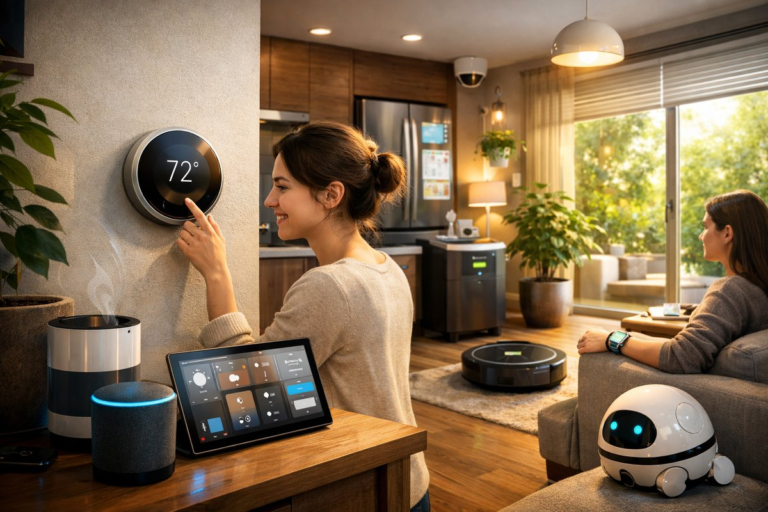
On the smart-home front, tiny environmental controllers are replacing full-size thermostats and security hubs. These micro controllers tie together door-sensors, smart locks and lighting modules through mesh networking. With advanced cryptographic safeguards, only the homeowner’s smartphone can issue commands, shielding the system from remote hacking attempts. Consumers report that the sleek form factors suit minimalist décor and require no professional installation-an appealing blend of design and function.
Perhaps the most unexpected micro innovation comes from the drone sector. Researchers have scaled drone technology down to insect-sized platforms that can flit through tight spaces for inspections and search-and-rescue operations. Using high-density power cells and ultra-light composite frames, these micro drones can hover for minutes at a time, guided by onboard AI. In disaster zones where collapsed structures pose risks to human teams, these nimble robots can gather video and heat-map data, helping first responders pinpoint survivors faster.
Privacy advocates note that tiny cameras, mics and sensors could also raise concerns if misused. To address this, several projects are integrating on-device object recognition, ensuring only predefined events trigger recording or alerts. That way, a home-security micro camera might ignore pet movements but capture an unexpected entry. By keeping raw footage off cloud servers, developers aim to offer both high vigilance and strong data protection.
Sustainability is a driving principle behind many of these breakthroughs. From eco-friendly packaging to rechargeable energy modules sourced from recycled metals, manufacturers are weaving green practices into every step. Crowd-funding platforms have played a key role, allowing early backers to test and refine prototypes while providing transparency into supply chains. The result is a new class of gadgets that marry high performance with low environmental impact.
Industry analysts forecast the micro-device market will double in value over the next three years, driven by demand for portable health tech and smart-city infrastructure. As 5G and emerging 6G networks roll out, data-intensive tasks like edge-AI inference will migrate from central servers to local devices. This distributed model not only reduces latency but also bolsters user privacy-data never leaves the device unless explicitly allowed.
However, challenges remain. Interoperability standards are still evolving, and some consumers find it confusing to manage multiple mini apps rather than a single unified platform. Battery longevity, while greatly improved, can still falter under constant heavy use. Repair and recycling infrastructure for these tiny gadgets is also nascent, raising concerns about future electronic waste streams.
To address these hurdles, a coalition of tech firms, regulators and sustainability groups has proposed an “Eco-Micro” certification. Similar to energy-efficiency labels on appliances, this mark would guarantee minimal waste, fair-labor sourcing and robust data-privacy protocols. Several pioneering devices are already undergoing assessment, and experts believe that a visible seal of approval could accelerate mainstream adoption.
For curious consumers, the micro revolution offers more than just novelty-it promises a practical toolkit for everyday challenges. Imagine navigating a foreign city with a translator clipped to your collar, breathing easier with a silent purifier by your side, and tracking your valuables through a smart tag that weighs mere grams. All while knowing that your personal data stays under your control and that the gadget you rely on today won’t become landfill tomorrow.
As gadgetmakers push the boundaries of what’s possible at ever-smaller scales, one thing is clear: these invisible powerhouses are anything but insignificant. They represent a fundamental shift in how technology integrates into our lives. By harnessing advanced materials, AI and thoughtful design, the next wave of micro devices stands poised to deliver big impact from the tiniest footprints.
The micro frontier is still unfolding, and many innovations remain hidden in labs or early-stage startups. But the ones that have already reached the market offer a glimpse into a future where less truly is more-where the smallest tools spark the largest transformations.