Location
Mount Vernon, WA 98274

Location
Mount Vernon, WA 98274
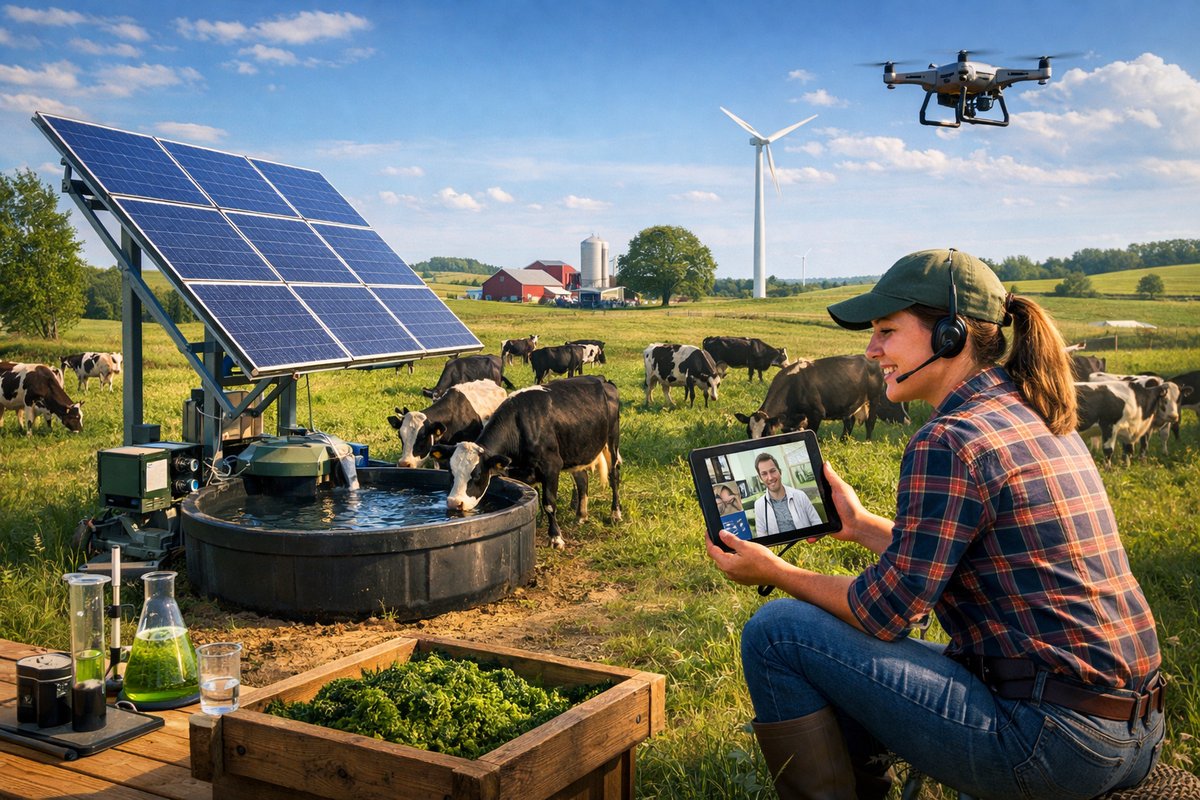
A coalition of farmers in the American heartland is marrying century-old pasture traditions with modern data tools to boost animal welfare and soil health. From solar-powered water systems to algae-enhanced feed and remote veterinary support, these rural innovators are setting a fresh standard for sustainable livestock farming.
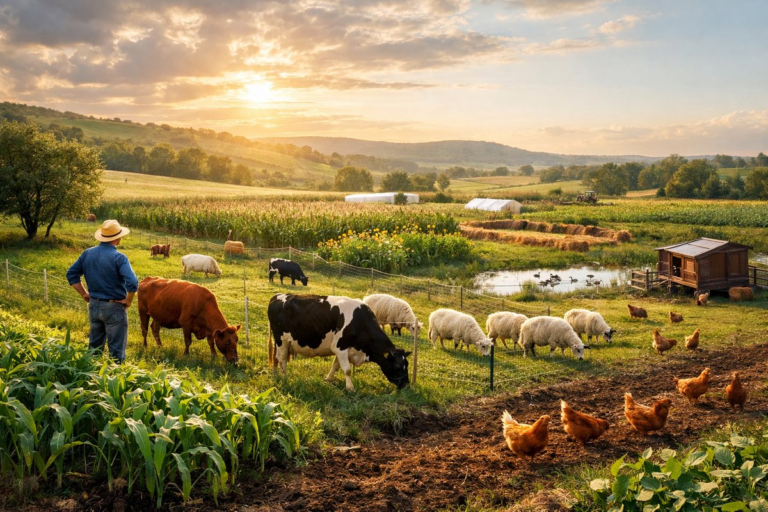
In the rolling hills of Iowa a coalition of family-owned livestock operations is charting a new course that honors generations of grazing wisdom while embracing cutting-edge tools. The Redwood Valley Collective brings together five ranches spanning more than 12 000 acres of pastureland. Their mission is as simple as it is bold: raise healthier animals on richer soil using methods that can stand the test of time and climate stress.
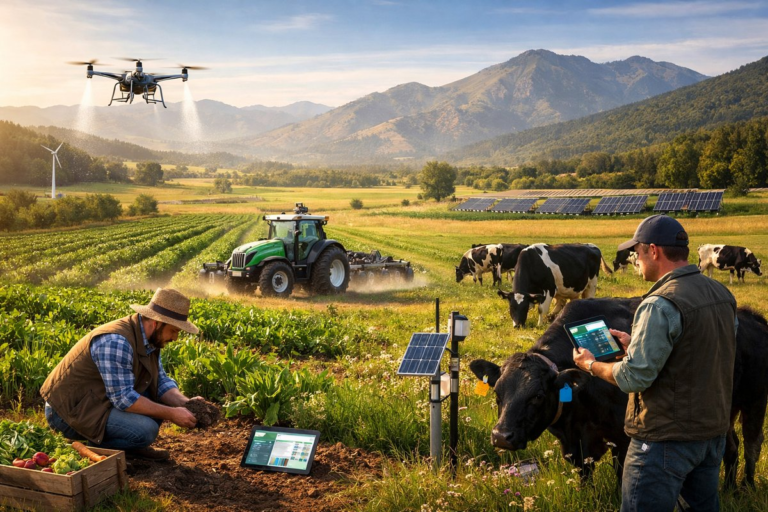
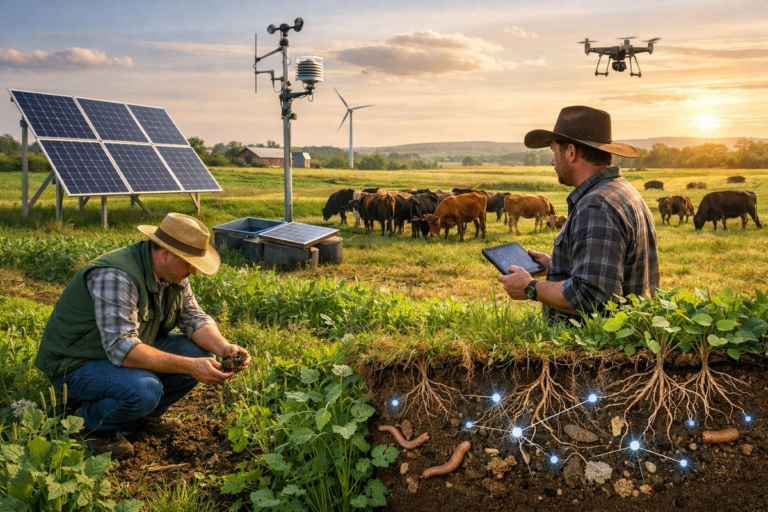
At the core of this grassroots effort lies GPS-enabled virtual fences. Instead of hauling portable panels across fields ranch hands adjust digital boundaries in a smartphone app. Collared cattle sense mild pulses when they near a virtual line and redirect themselves toward freshly rested grass. This approach slashes labor costs and adapts in real time to changing forage conditions without uprooting heavy posts or dragging wires.
Water management also received a high-tech upgrade. Solar-powered pumps installed at key points draw from existing wells and distribute chilled spring water through a network of piping. Automated valves open and close according to herd size and temperature thresholds, ensuring livestock access to clean water when they need it and reducing waste during hot spells. On-farm batteries store surplus electricity to keep pumps running overnight.
Rations have evolved as well. The collective partnered with a regional university to trial algae-based feed supplements derived from Asparagopsis seaweed. Early results reveal a 30 percent drop in methane emissions per head while maintaining steady weight gain. Farmers champion this approach not only for its climate benefits but also because the supplemental biomass can be produced on marginal land beyond prime cropland.
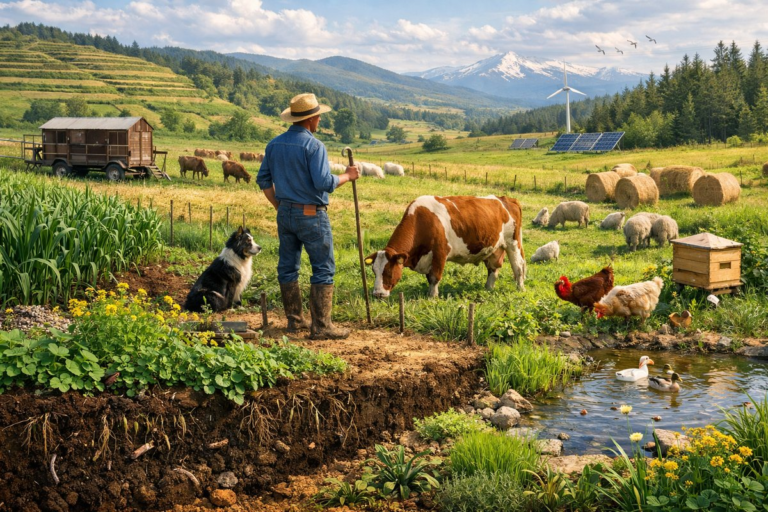
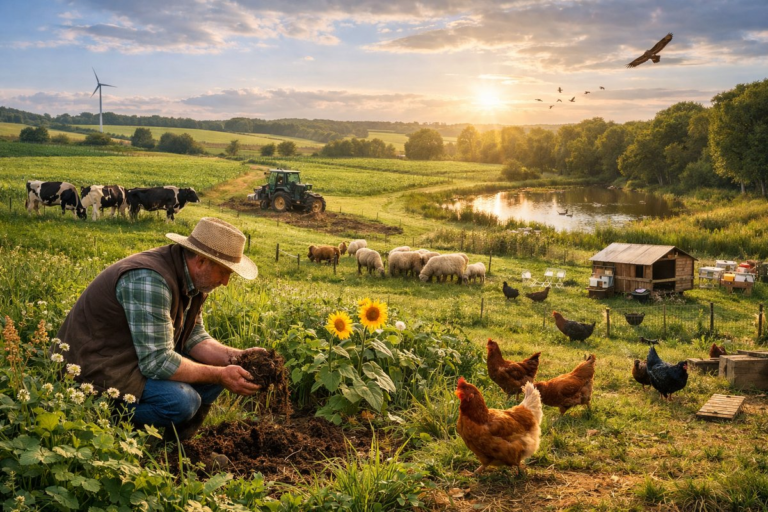
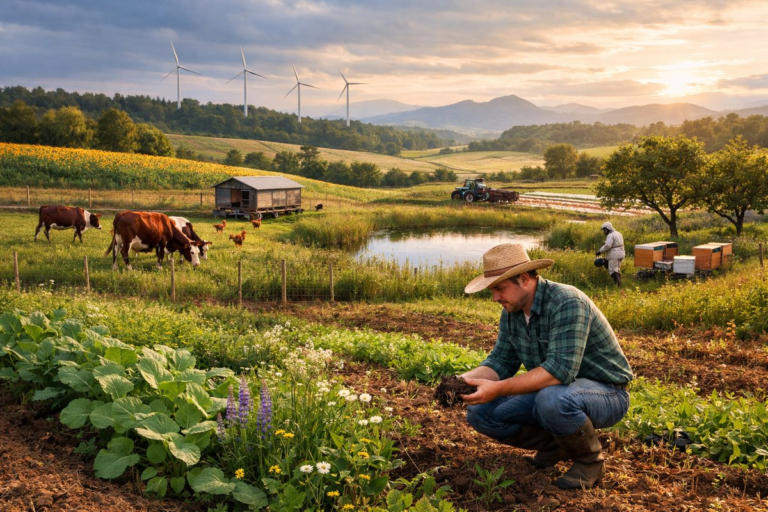
Beyond feed and fencing the group is restoring forested corridors between grazing paddocks. Native hedgerows of shrubs and mast-bearing trees serve as windbreaks for livestock and as habitat for beneficial insects and ground-nesting birds. Pollinator grasses and wildflower strips weave along fence lines bringing bees, butterflies and predatory insects that target crop pests in neighboring fields.
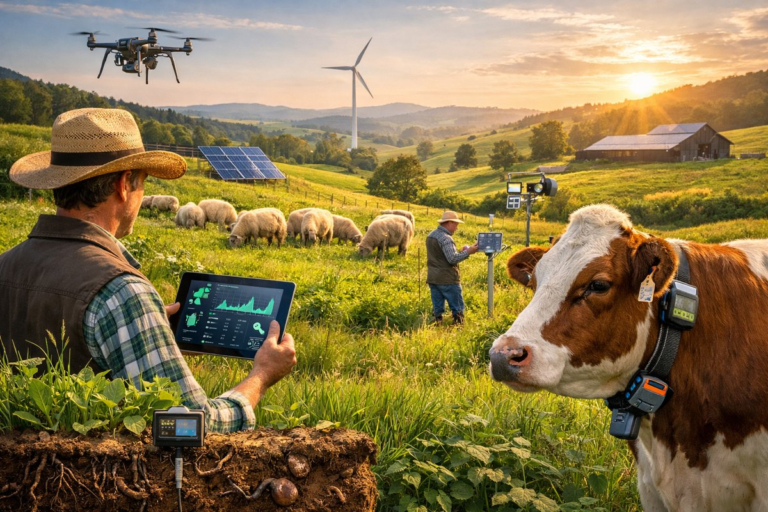
For animal health the collective relies on remote monitoring stations equipped with infrared cameras and motion sensors. When a calf spends too long in one spot or shows erratic behavior an alert pings the on-duty ranch hand’s phone. Early detection of lameness and digestive distress means veterinary intervention can happen before a condition worsens, reducing antibiotic use and improving survival rates in newborns.
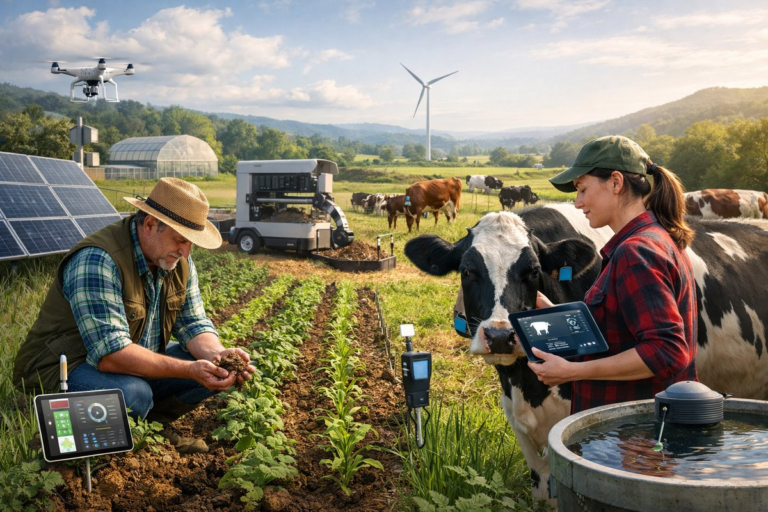
Telemedicine kits carried by mobile veterinarians include portable ultrasound units, digital stethoscopes and a satellite-connected tablet. Farmers schedule virtual rounds on rainy days to avoid herd disturbance. Through video feeds a vet can examine eye membranes and listen to rumen sounds from miles away before prescribing therapies that the rancher administers under guided instruction.
Data from collars sensors and field monitors flows into an open-source agritech platform. Farmers share anonymized data across the network, benchmarking performance metrics like average daily gain and pasture recovery rates. A dashboard highlights which rotations achieve optimal regrowth and flags underperforming paddocks for soil testing or rest.
Attracting the next generation of ranchers has been a priority. The collective offers a year-long apprenticeship for aspiring stewards fresh out of agricultural programs. Apprentices rotate through every task from pasture establishment to herd record-keeping while pairing with seasoned mentors. The goal is to pass on both inherited know-how and new proficiency with sensors drones and data analytics.
Money matters get equitable treatment too. Buying high-end electric fence controllers or soil mapping sensors is cost-prohibitive for solo operators. The Redwood Valley Collective pools resources for group purchasing and schedules shared access to equipment vans that roll from homestead to homestead. The cooperative pricing model extends to forage seed mixes livestock trailers and even liability insurance.
Improving soil health remains the linchpin of this ecosystem. After each grazing cycle ranchers seed multi-species cover crops including clovers grasses and brassicas. Deep-rooted legumes fix nitrogen and break up compaction while surface cover shields against erosion. Within three seasons organic matter levels climbed by more than 15 percent in trial paddocks boosting water-holding capacity during dry months.
Revenue streams extend beyond beef and lamb sales. By participating in a regional carbon credit registry farmers earn payments for sequestered soil carbon. Verification relies on satellite imagery and on-site sampling. Those funds go right back into pasture renovation fencing upgrades and equipment servicing ensuring the program scales sustainably.
When drought gripped the region last summer the collective’s shared emergency plan activated. Water trucks deployed to fill reserve tanks and rotational schedules shortened grazing periods to allow paddocks more rest. Real-time soil moisture probes guided which pastures could support livestock under rising heat indices and which needed additional irrigation support.
Direct marketing ties the collective to its community. Twice a month ranch owners open their gates for afternoon farm walks and tasting events where visitors sample grass-finished lamb and beef jerky made on-site. Transparent labeling explains how animals rotate paddocks what supplemental feeds they receive and how much carbon stays belowground in each cut of meat.
Not every hurdle has vanished. Some neighbors struggle with slow internet in remote valleys hindering real-time alerts. Grant writing remains a full-time job for one coordinator who stitches together public-private funds. Yet each success story fuels further interest from area farmers eager to replicate the system on their own terrain.
To bridge digital gaps one ranch tested a community microgrid. A cluster of solar panels and battery banks now powers cell boosters and tractors at a discount compared to fuel. The microgrid also provides emergency lighting and phone charging during storms reinforcing the local grid’s resilience.
By blending ancestral grazing instincts with sensors drones and open-source analytics this emerging model offers a replicable framework for resilient rural economies. As the Redwood Valley Collective prepares to welcome its first wave of apprentices the scene in those rolling pastures speaks to an optimism that sustainable livestock stewardship can be profitable practical and regenerative all at once.
Across headline news cycles and policy debates the story unfolding here may stay out of view. But for the farmers and families who balance feed budgets with soil probes It represents a new chapter in the age-old partnership between humans animals and the land beneath their hooves.