Location
Mount Vernon, WA 98274

Location
Mount Vernon, WA 98274
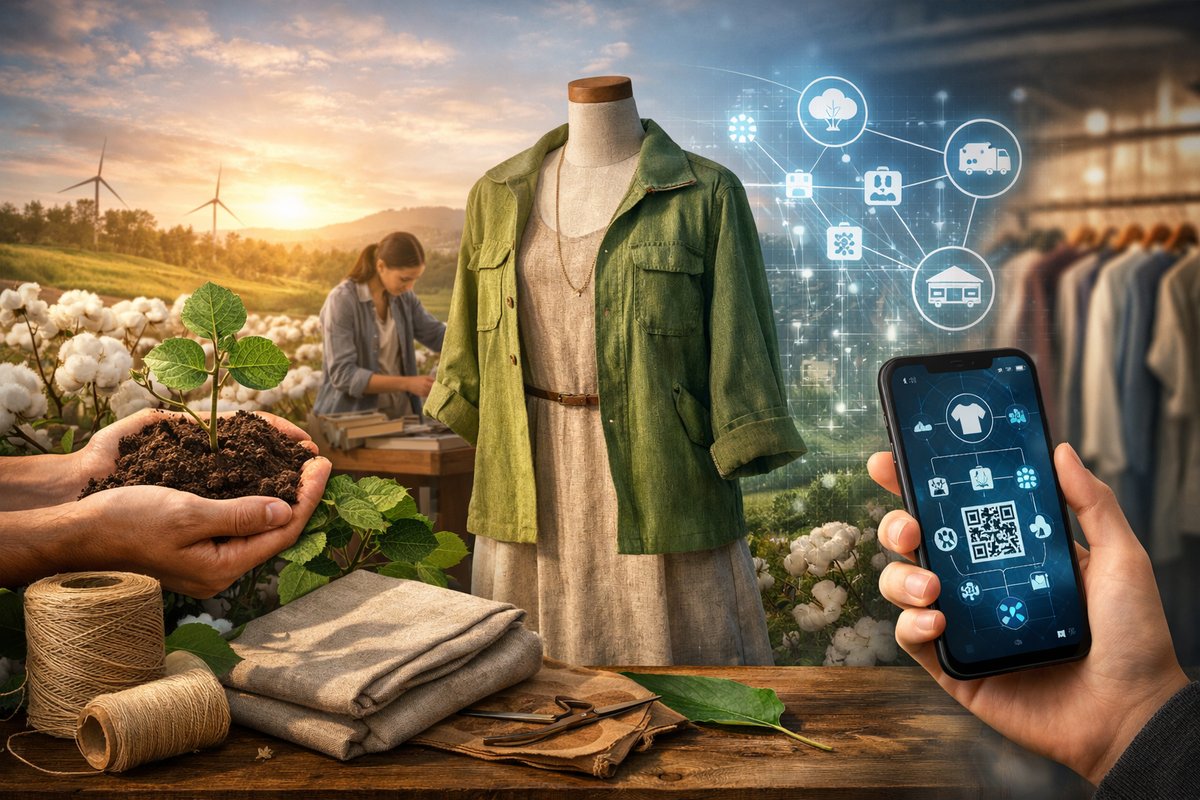
From regenerative fibers grown in revitalized soils to blockchain-powered transparency at every stitch, the latest wave of fashion is driven by stories as much as style. Consumers are seeking garments that align with their values-and designers are answering with innovative materials, ethical supply chains, and digital solutions that turn each piece into a living narrative.
Fashion has always been more than fabric and thread: it’s a statement of identity, community and priorities. Today’s apparel landscape is undergoing a deep transformation as sustainability, transparency and emotional resonance take center stage. Across runways, retail floors and social feeds, a new generation of designers and consumers is challenging the status quo: demanding garments that not only look good but do good.
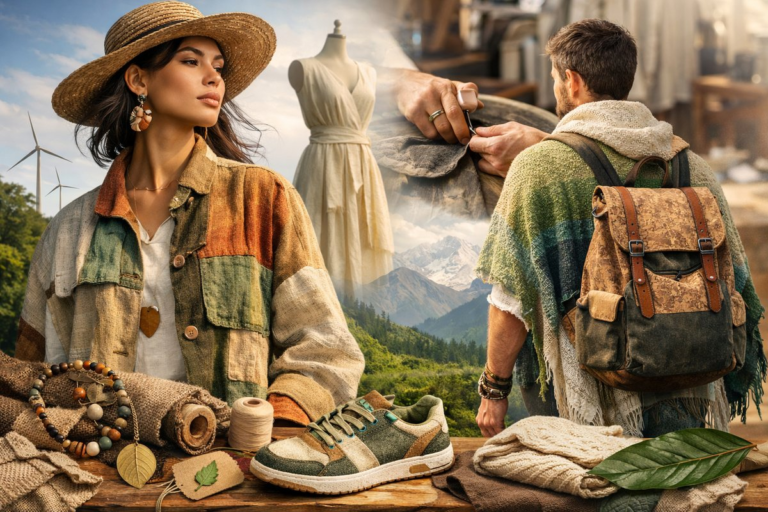
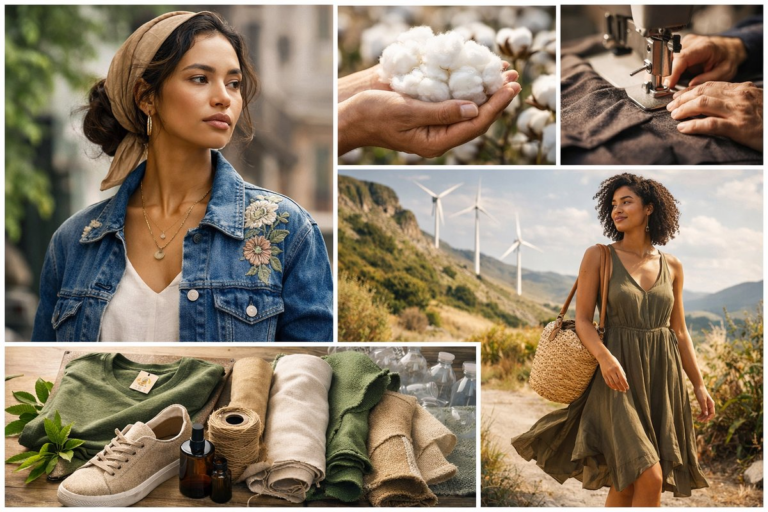
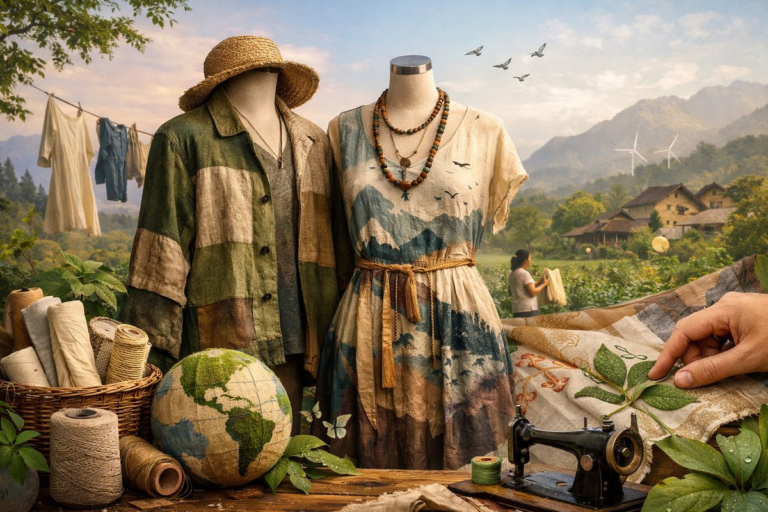
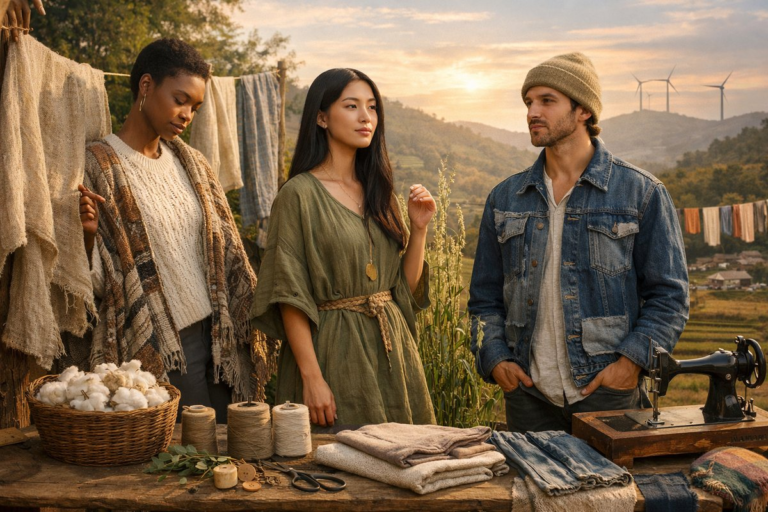
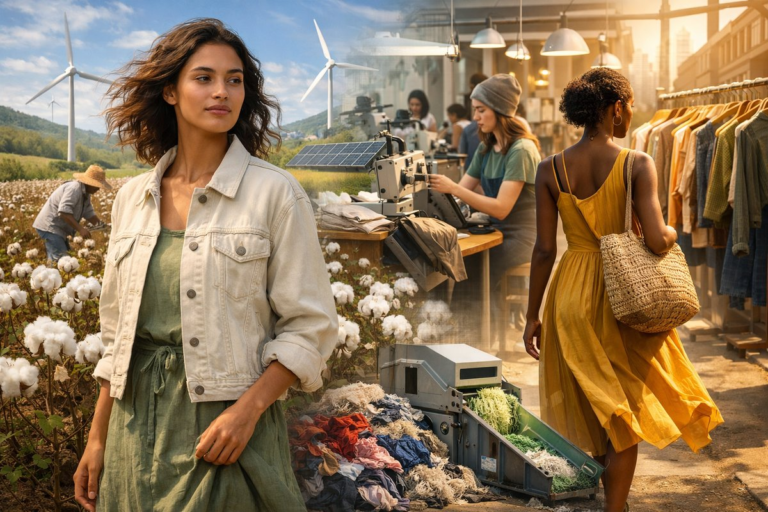
At the forefront of this movement is regenerative textiles-fibers cultivated using practices that restore soils, preserve biodiversity and capture carbon. In March, the Regenerative Organic Alliance released fresh guidelines for cotton farms in key growing regions, showing that regenerative certified cotton can reduce water use by up to 30 percent compared to conventional methods. Major fashion coalitions are now funding farmers’ transition, pairing agronomists with brands to pilot crop rotations and cover cropping. The result? Softer cotton, cleaner water systems, and fields that sequester more carbon than they emit.
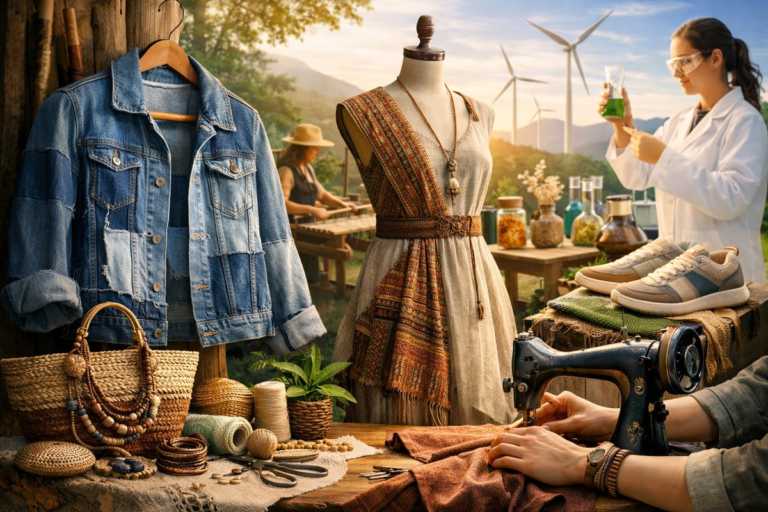
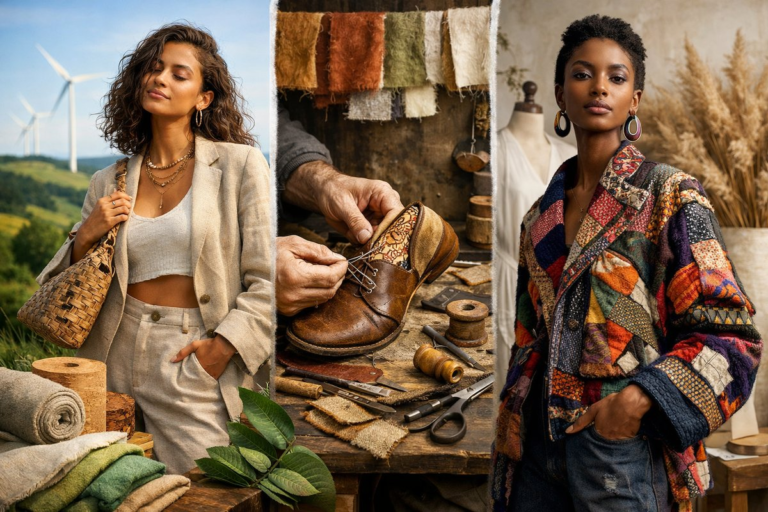
But fibers are just one piece of the puzzle. Upcycled materials have emerged as a creative frontier: think denim jackets reimagined from discarded scraps, or sportswear forged from recycled ocean plastics. One industry report estimates that by 2028, the market for upcycled textiles could surpass $5 billion. Designers are tapping into local waste streams-from post-industrial textile offcuts in urban workshops to reclaimed fishing nets retrieved by coastal cleanup programs. Each remade piece carries a tangible backstory, turning a garment into a narrative of renewal.
Transparency has become nonnegotiable. Blockchain-based supply chain platforms are moving beyond pilot projects to live deployments: textile mills in South Asia are uploading origin data, factory workers’ certifications and chemical usage logs to distributed ledgers. Shoppers can scan a QR code on a shirt’s label and track its journey from seed to stitch-verifying labor practices, dye lots and environmental impact scores. This level of accountability has already influenced major retailers to drop suppliers with opaque records, while indie brands leverage clear data flows as a point of differentiation.
Digital fashion experiences are also reshaping how we define wardrobe. Virtual try-ons, NFT-based limited-edition drops and augmented reality styling apps are creating new avenues for self-expression with zero material waste. In one recent case study, a digital fashion house offered 10,000 exclusive virtual jackets sold as NFTs-each unlocking a real-world garment upon verification. The initiative sold out in hours, demonstrating appetite for hybrid collections that straddle physical and digital realms. As gaming worlds and social platforms integrate avatar wardrobes, style transcends closet boundaries.
Circular economies are no longer a boutique concept. Subscription rental services for everyday wear and specialized occasion dresses have gained traction among eco-minded consumers seeking variety without accumulation. Second-hand fashion marketplaces report double-digit growth year-over-year, and pressure is mounting on fast-fashion giants to adopt take-back programs. Some forward-thinking labels now guarantee buy-back credits when customers return well-loved items-redirecting them into resale channels or fiber-to-fiber recycling streams.
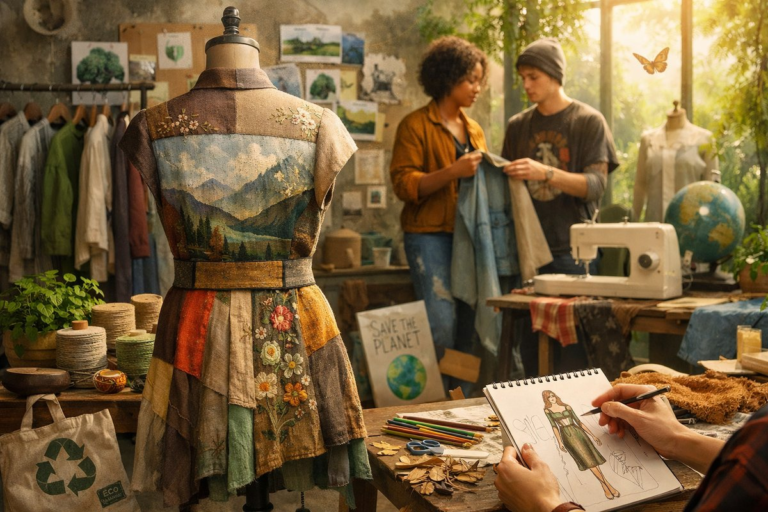
Emotional intelligence is weaving through design studios. Brands are commissioning community elders to share traditional weaving techniques, ensuring that heritage crafts don’t vanish in the fast lane. Collaborative storytelling workshops invite customers to co-create patterns and motifs inspired by personal histories. The outcome is not only a unique garment but a shared sense of belonging. Director of a recent collaborative collection remarked that the most powerful designs emerge when makers and wearers forge an emotional bond around each stitch.
Even garment care is being rethought. Eco-friendly detergents and low-temperature wash cycles are championed to extend wardrobe life. Repair cafes and on-demand mending services are popping up in urban centers, reminding us that a small stitch today can keep a favorite sweater out of landfills for years to come. Some cities are hosting “Clothing Care Carnivals,” where DJs, local tailors and sustainability experts share tips on fabric longevity-turning routine maintenance into a celebratory ritual.
This wave of conscious apparel isn’t a passing trend but a paradigm shift. It’s powered by consumers who view clothing as an extension of their beliefs and by designers who embrace transparency, craftsmanship and technology in equal measure. When a purchase reflects a personal narrative-of regenerative agriculture, of circular design or of shared cultural heritage-it carries weight far beyond its price tag.
As the calendar turns to the next fashion season, the question for shoppers is no longer just “What do I wear?” but “What story do I choose to tell?” In this evolving industry, every garment holds the potential to be a chapter in a larger tale of planet, people and purpose. And in 2024 and beyond, the most compelling wardrobes will be those that don’t just clothe the body but resonate with the values we all share.