Location
Mount Vernon, WA 98274

Location
Mount Vernon, WA 98274
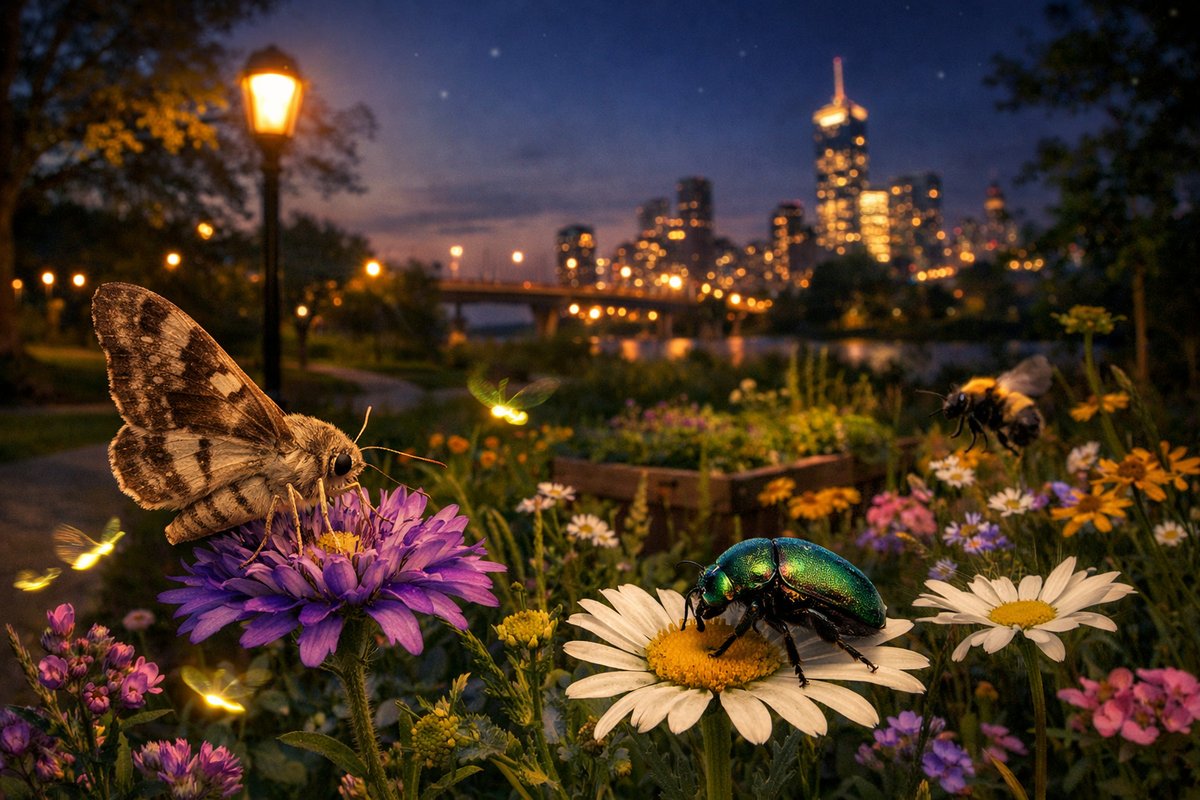
As streetlights hum to life and parks settle into twilight, an unexpected workforce awakens across cityscapes. Recent research reveals that moths, beetles, and other night-fliers are quietly pollinating urban wildflowers and community gardens-if only we give them a chance.
In the soft glow of city lanterns and the distant gleam from high-rises, a hidden network of pollinators takes flight. While many associate pollen transfer with sunlit meadows and midday blossoms, new studies have shown that nocturnal insects-moths, beetles, even some flies-are delivering vital pollination services under the cover of darkness. As urban planners and ecologists join forces, municipalities from coast to coast are rethinking streetlight design, planting moon gardens, and installing green corridors to nurture this after-hours ecosystem.
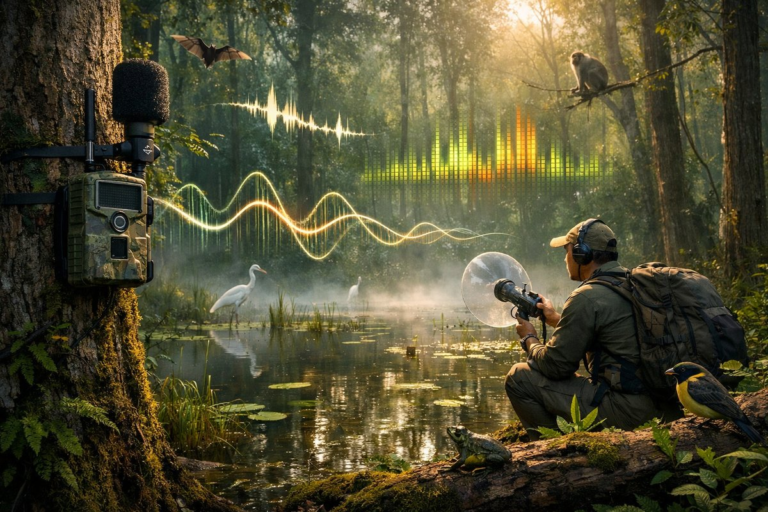
Researchers at the Journal of Urban Ecology published a comprehensive survey last month that tracked nocturnal activity in six North American cities. Using acoustic sensors and time-lapse infrared cameras mounted on quiet rooftops, they recorded upward of forty moth species visiting common urban blooms like evening primrose, honeysuckle, and wild tobacco. Hoverflies and scarab beetles also emerged as important partners, flying between patches of vegetation that fringe sidewalks, community lots, and rooftop planters. In one city block in Philadelphia, nighttime visits to pollinator beds accounted for nearly a third of all pollination events recorded over a four-week span-challenging the long-held assumption that daytime insects dominate urban gardens.
Light pollution has long been blamed for disrupting moth navigation, but researchers have discovered a more nuanced story. Traditional sodium vapor streetlights deter some species, while newer LED fixtures, when properly shielded and tuned to warmth, can minimize disruption. In Portland, an experiment retrofitted eight blocks of residential lamps with narrowly focused amber LEDs. Within two months, observations showed a thirty-percent increase in nocturnal activity around adjacent green spaces. City horticulturists noted improved seed set in moon-preferring blooms like fragrant four o’clocks and night-blooming jasmine.
Urban corridors-strips of shrubs, vines, and pollen-rich perennials that connect small park patches-emerged as critical highways for night pollinators. In Toronto, landscape architects converted three vacant lots into “moon meadows,” planting native evening-shade and dogbane. The result: stable populations of several hawk moth species, once rarely seen within city limits. Citizens reported hearing the soft wingbeats at dusk, even spotting clusters of moths feeding on pale petals. The project’s lead designer referred to it as “a living lantern,” where each blossom glows faintly in moonlight, attracting and sustaining life.
Beyond formal trials, citizen scientists are charting nocturnal activity in backyards and balconies. An app launched this spring lets volunteers log sightings of pollinators after sunset, uploading images and audio clips. Over five thousand entries later, dozens of previously unrecorded species popped up in urban cores. One volunteer in Minneapolis discovered a rare sphinx moth species visiting a container garden on the twentieth floor of an apartment tower. That data prompted a follow-up survey that confirmed a small but resilient population making its home among rooftop sedums and native grasses.
New tracking tools have unlocked further insights. Lightweight harmonic radar tags, once reserved for bumblebee research, are now being trialed on larger moth species. Engineers at a West Coast startup developed tags that weigh less than a paperclip and transmit signals detectable up to two hundred meters away-perfect for navigating urban canyons. Paired with portable receivers, ecologists can follow individual moths as they weave through alleys, cross highways on tree-lined overpasses, and find refuge in neglected green patches. Early findings reveal nightly flight paths spanning nearly a kilometer, underscoring the importance of connected habitats even in dense neighborhoods.
The benefits of boosting nocturnal pollination extend beyond botanical curiosity. Many urban crops-tomatoes, peppers, and certain herbs-can see yield improvements when night-visiting insects supplement daytime pollinators. Community gardens in Denver experimented with extending evening watering and offering shallow dishes of sugar water to attract beetles and bees. The harvest was noticeably larger and more uniform, leading gardeners to set up simple dusk-lit feeding stations between raised beds.
Challenges remain, particularly in balancing safety concerns with ecological needs. Emergency lighting, signage, and vehicular pathways rely on visibility, and poorly directed beams can blind pollinators. Some cities are addressing this by installing directional shields beneath fixtures, focusing light downward, and using motion-activated systems to limit constant illumination. In Oakland, a pilot at a public plaza reduced ambient glow by forty percent, while retaining enough light for pedestrians. Moth activity doubled, and visitor surveys showed no increase in safety incidents.
Municipal leaders are taking note. A growing number of zoning codes now mandate green-infrastructure elements for new developments, from vegetated rooftops to wall-climbing vines. A subset of policies specifically encourages moon-friendly plantings and low-impact lighting for commercial streets. The idea is to view nighttime landscapes as active habitats rather than barren stretches of asphalt. By adopting a 24-hour perspective on biodiversity, planners hope to forge deeper connections between people and the living planet-even after dark.
Reflecting on these transformations, ecologist Maria Chen offered a simple insight: “Our cities are ecosystems, too-they never truly sleep. If we only tune in during daylight hours, we miss an entire world of interaction.” As dusk falls, street corners, rooftop terraces, and sidewalk planters begin to hum with life once hidden by sunlit assumptions. In embracing nocturnal pollinators, urban communities are not just protecting insects; they’re reawakening our sense of wonder, forging new paths of connection in the living city.
It’s a quiet revolution, occurring when most of us retreat indoors. But step outside after sundown, and you’ll witness the garden gates swinging open to a bustling cast of night-fliers, sketching fluttering patterns in lamplight, spreading pollen beneath the stars. Nature’s next chapter in urban biodiversity is unfolding after dark-and it’s brighter than we ever imagined.