Location
Mount Vernon, WA 98274

Location
Mount Vernon, WA 98274
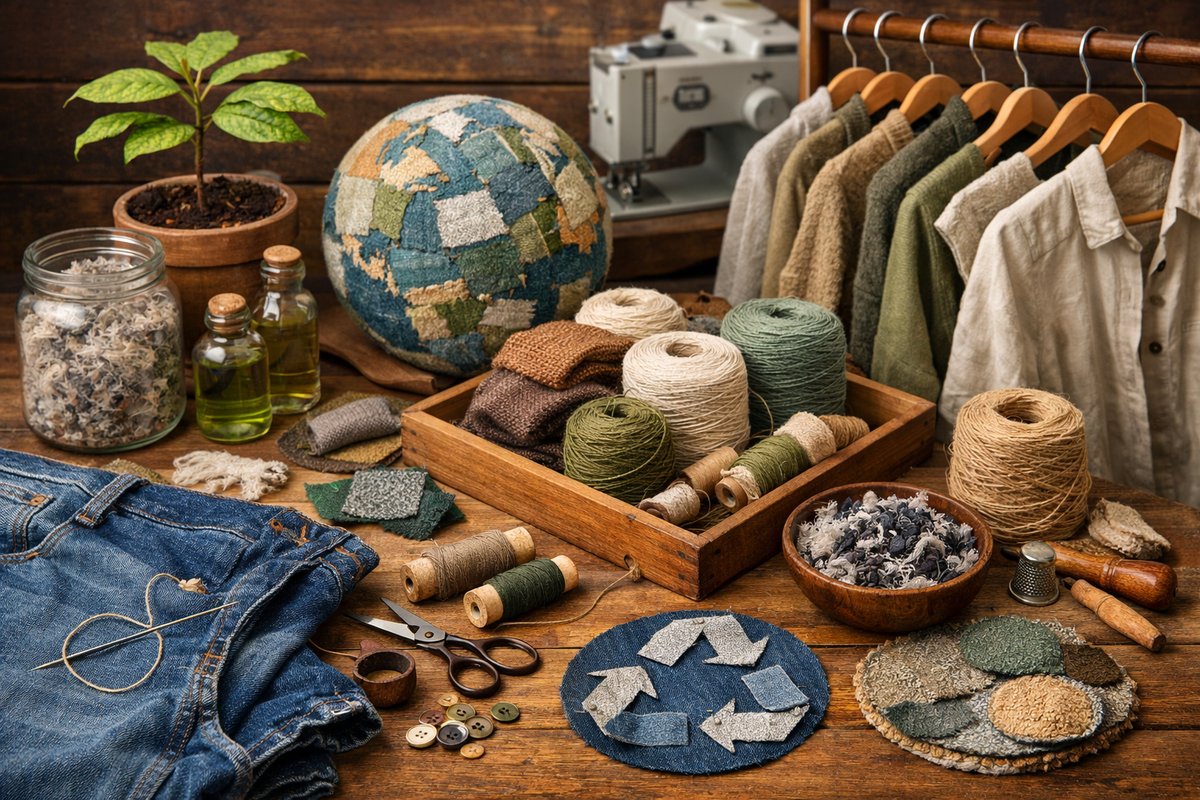
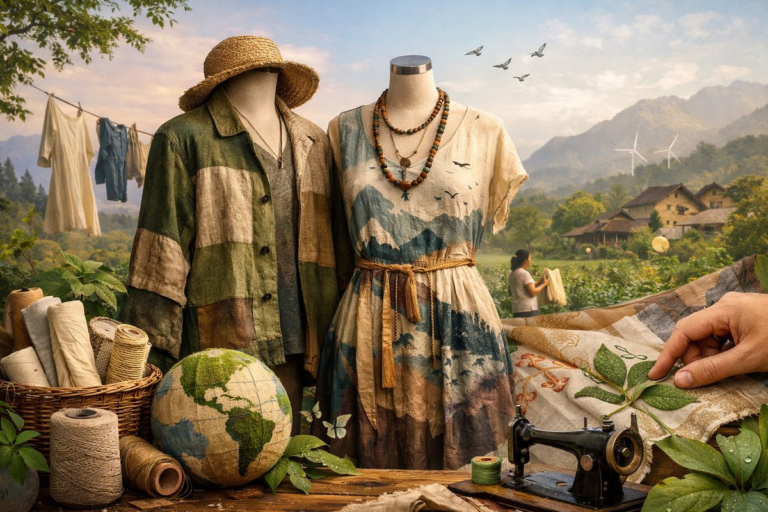
A quiet revolution in wardrobes is gathering pace as brands, artisans, and consumers embrace circular design principles. From regenerating materials to at-home repair rituals, fashion is shifting from fleeting trends to lasting stories-one recycled thread at a time.
Across the fashion landscape, a new narrative is taking shape: every garment carries a story that extends beyond a seasonal silhouette. Rather than discarding pieces at the first sign of boredom, a growing number of designers and wearers are leaning into circular fashion-an approach that treats clothing as a resource to be continuously reused, repaired, and remixed. It’s a shift that challenges the industry’s fast-paced cycle and proposes a more considered relationship with what we wear.
Industry data underscores the momentum. A recent report from a leading circular economy foundation found that a majority of mid-size and emerging labels have begun integrating recycled or bio-based fibers, minimizing waste through design, and partnering with repair services. This isn’t charity-it has business sense. Brands tapping into circular models report reduced material costs over time, stronger customer loyalty, and a point of differentiation in a crowded market.
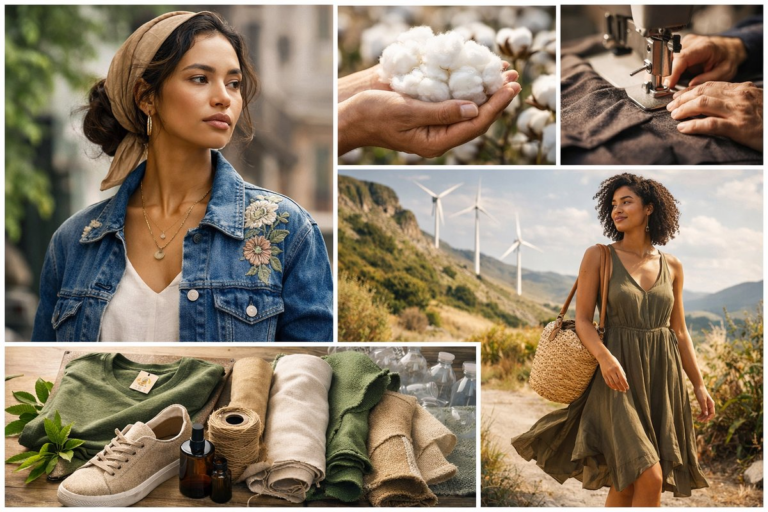
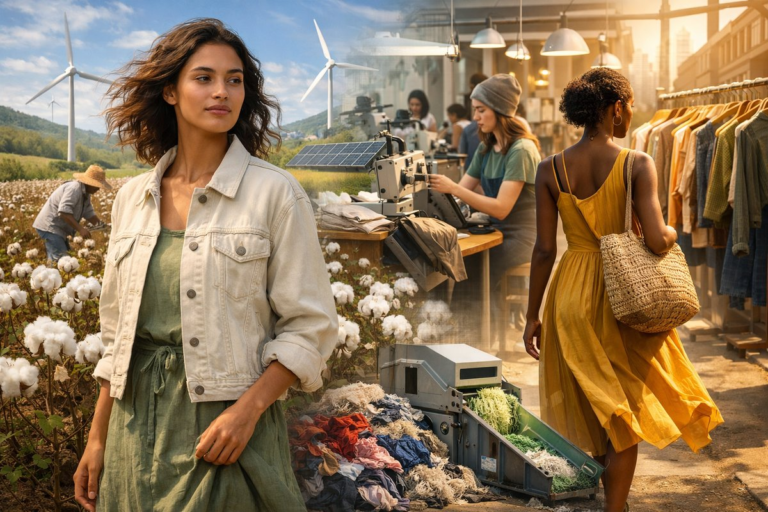
Material innovation is surfacing in labs and mills around the world. Forsaking pure virgin polyester, some mills are blending discarded fishing nets with post-consumer plastic bottles, transforming ocean-bound plastics into sturdy yarn for sweaters and outerwear. Others refine bio-based nylon derived from plant residues, capturing performance qualities without reliance on petroleum. A handful of pioneers are even experimenting with fungal mycelium leather, a cruelty-free alternative that can be dyed and finished using existing tannery equipment.
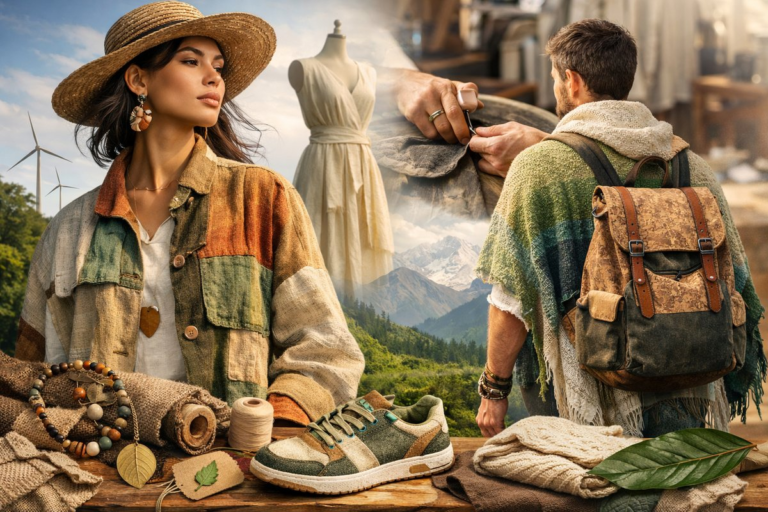
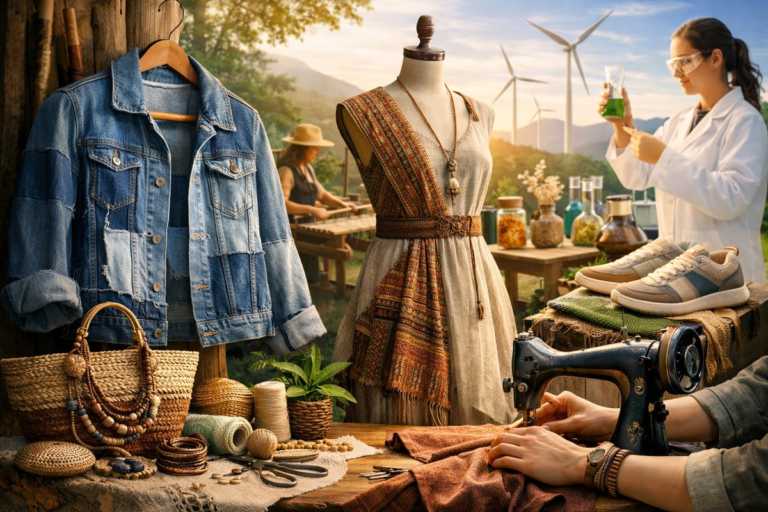
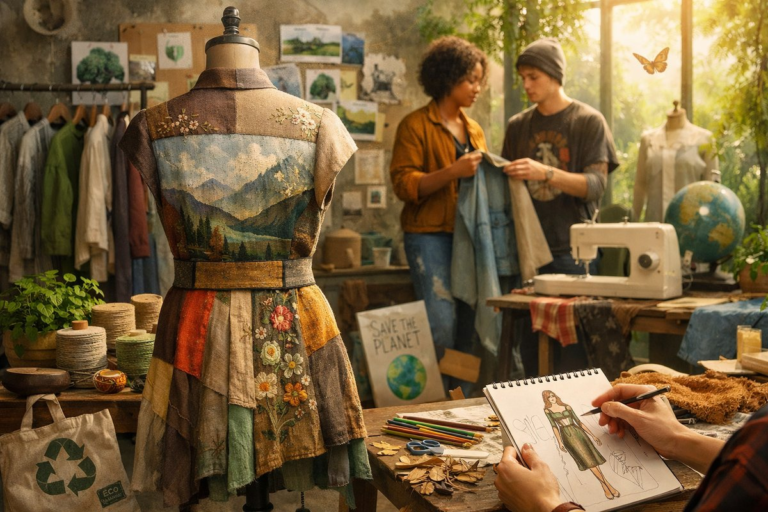
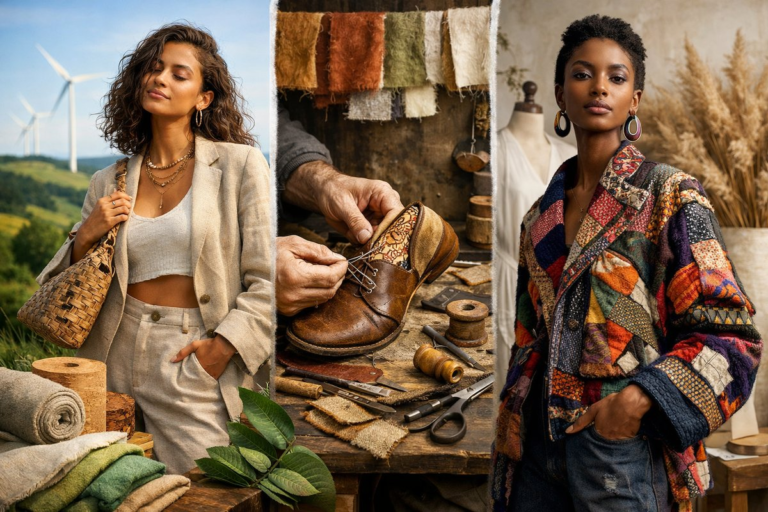
Yet innovation doesn’t live only in high-tech labs. On local streets, artisan collectives are turning deadstock fabrics and vintage garments into one-of-a-kind pieces. What begins as an outdated dress may end up reimagined as a sculptural vest, sash, or patchwork coat. These community-driven workshops provide hands-on training in upcycling techniques-from precision stitching and pattern hacking to natural dye baths using onion skins or avocado pits.
The expansion of clothing rental and resale platforms has also fueled circular wardrobes. Digital marketplaces allow members to earn credits by listing pieces they no longer wear and swap them for fresh finds. Specialized rental services cater to occasions like weddings or business travel, keeping formal attire in circulation. By shifting ownership for certain styles, consumers can experiment without expanding their closets indefinitely.
A deeper change is unfolding in the way people think about what’s already tucked away on hangers. Instead of chasing “new,” wardrobes become personal archives-curated collections that evolve through mending, restyling, and sentimental value. A tailored blazer might get a second life with fresh lining and altered proportions. A favorite pair of jeans can be embroidered with personal motifs, turning repair into a creative practice.
Supporting these upgrades requires simple tools and habits. A handheld garment steamer refreshes wool and silk without harsh chemicals. A small repair kit, complete with matching thread and patches, encourages quick fixes before small tears become irreparable. At-home natural dye kits open a palette of earth-friendly colors, giving faded tees or linen skirts renewed vibrance without toxic runoff.
Laundry itself is getting a zero-waste makeover. Instead of single-use detergent pods or plastic jugs, many households opt for laundry strips that dissolve in water, leaving no packaging behind. Wool dryer balls replace disposable sheets, softening fabrics naturally and trimming tumble time. Even here, circular principles apply: every sheet and ball remains in service for hundreds of loads.
Despite gains, challenges persist. Scaling supply chains for recycled and bio-based fibers remains complex, with price premiums that can deter mass-market adoption. Logistics for take-back programs require coordination at multiple points-from donation bins to refurbishment facilities-adding layers of cost and complexity. Consumer education is key: inspiring someone to rent rather than buy, or to repair rather than discard, depends on clear messaging and convenient services.
Technology offers solutions. Blockchain-based traceability platforms are being piloted to verify each fiber’s origin and processing history, visible to both brands and buyers through digital tags. QR codes stitched into labels can link to repair tutorials or resale listings, extending engagement long after the point of sale. Artificial intelligence tools help brands forecast demand more accurately, reducing overproduction and waste.
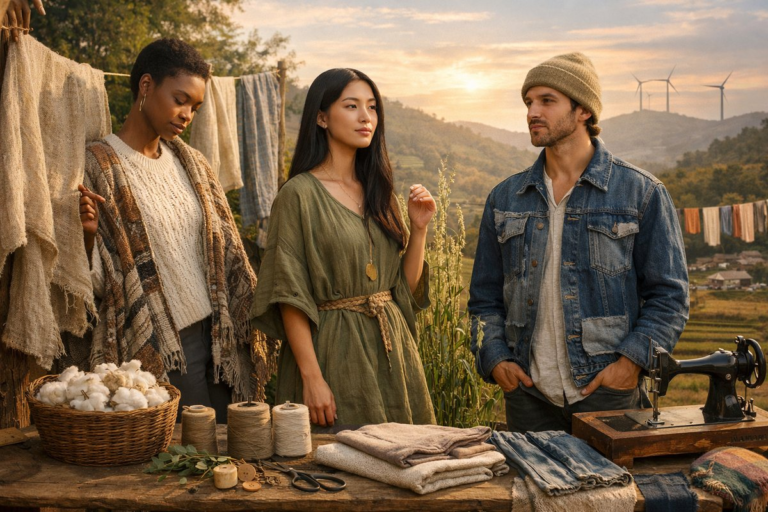
Looking ahead, communities-both online and off-will shape what circular fashion becomes. Open-source pattern libraries make it easy for small brands or home sewists to produce wardrobe staples with minimal waste. Pop-up repair clinics and swap markets foster local connectivity while diverting materials from landfills. Even social media platforms are experimenting with built-in resale features, streamlining peer-to-peer transactions.
The circular fashion movement ultimately asks each of us to view our wardrobes as living systems. Every decision-from the fibers we embrace to the mending rituals we adopt-contributes to a cycle of renewal rather than disposal. When a garment is thoughtfully made, carefully maintained, and creatively remixed, it becomes an ongoing expression of values: curiosity about material futures, emotional connection to personal stories, and a commitment to sustainability that reaches beyond our own closets.