Location
Mount Vernon, WA 98274

Location
Mount Vernon, WA 98274
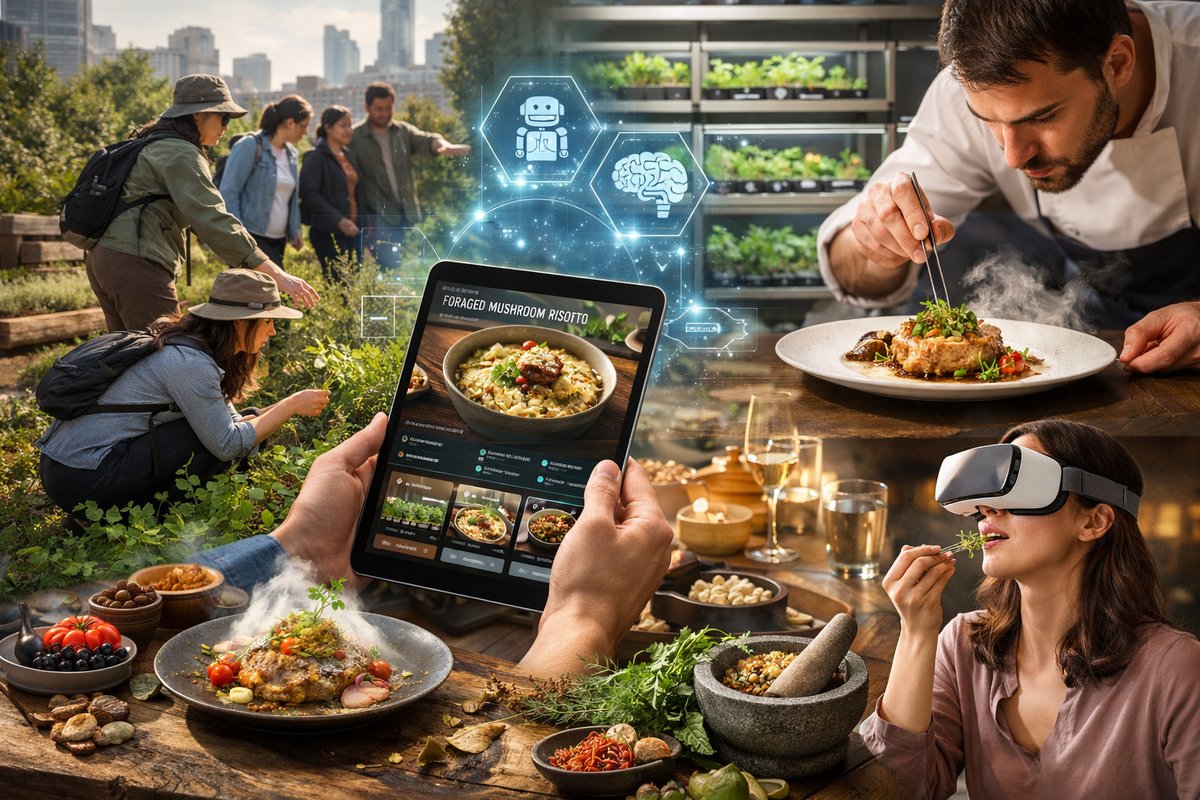
A wave of innovation is redefining how we grow, prepare, and experience food-melding ancient practices with cutting-edge tech and immersive storytelling. From guided foraging tours in urban green spaces to AI-driven recipe apps, the emerging food scene is driven by sustainability, sensory exploration, and a renewed reverence for ingredients.
A quiet revolution is unfolding in kitchens, forests and even digital spaces around the world. As diners crave authenticity and environmental responsibility, chefs, home cooks and entrepreneurs are weaving together traditions both old and new. In city parks and countryside meadows, guided foraging excursions lead curious food lovers to wild mushrooms, edible flowers and fragrant herbs that form the basis of spontaneously curated meals. Inside sleek demonstration kitchens, algorithms analyze seasonal harvest data to suggest personalized menus. Elsewhere, communal fermentation labs invite participants to craft everything from tangy kimchi to sparkling fruit kvass. Together, these trends signal a profound shift in how we think about where our food comes from and what it means to share a meal.
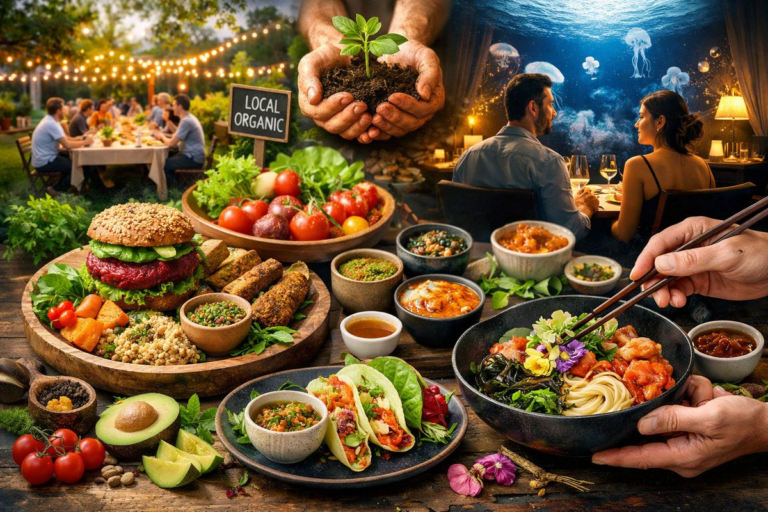
One of the most visible currents is the surge in hyper-local foraging experiences. Startups and nonprofits have teamed up with naturalists to offer small-group outings through urban woodlands, coastal marshes and even highway medians. Participants learn to identify safe mushrooms, knotweed shoots and young nettle leaves, harvesting just enough to add vibrant green notes or floral overtones to soups, salads and sauces. These excursions satisfy a growing hunger for connection-to land, to seasons and to ancestral foodways-while promoting biodiversity awareness. Organizers emphasize leave-no-trace ethics, ensuring that gleaners take only a fraction of the edible bounty and leave the rest to feed wildlife and replenish the ecosystem.
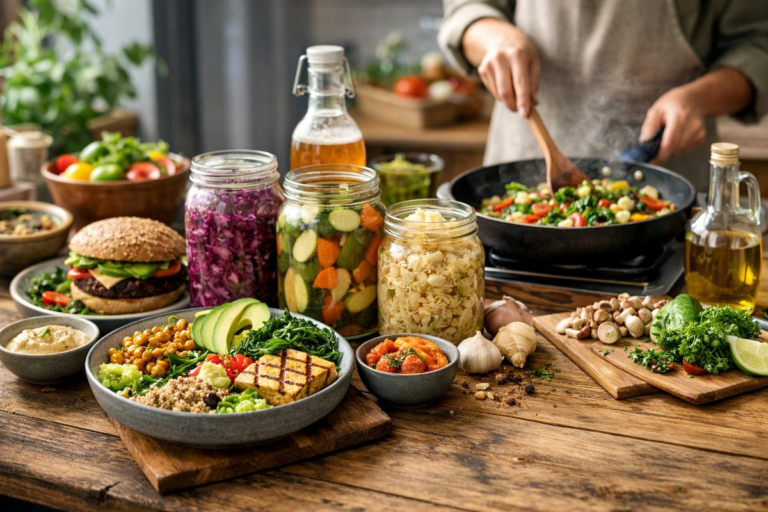
Alongside foraging, fermentation has moved from niche enthusiast circles into the spotlight. Fermentation studios are popping up in neighborhoods as alternative social hubs, hosting tasting flights of house-cultured misos, lacto-fermented pickles and probiotic sodas. Workshops teach the basics of creating a stable starter culture, controlling temperature and balancing acidity, while pop-up dinners highlight how these tangy preparations can cut through rich dishes or add depth to simple grains. Nutritional science has fueled much of this interest, as recent studies underscore the role of fermented foods in supporting gut microbiome diversity, immune health and even mood regulation. Whether it’s homemade yogurt kits or communal barrel-aging rooms, fermentation invites diners to become active participants in a living culinary process.
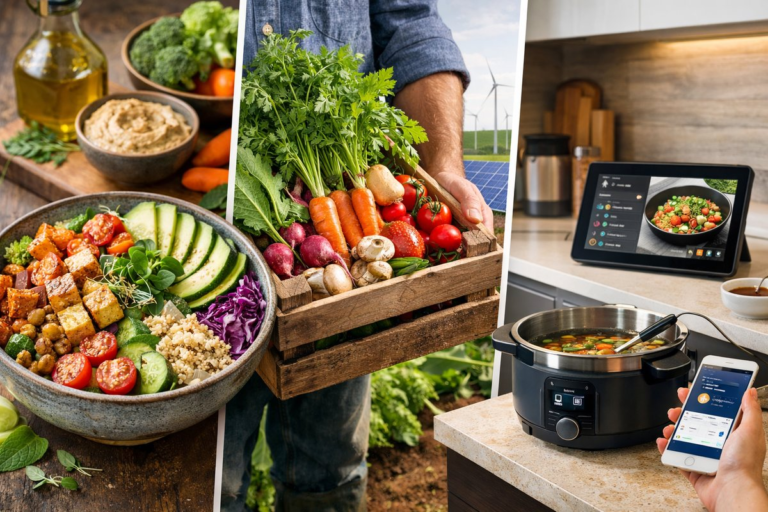
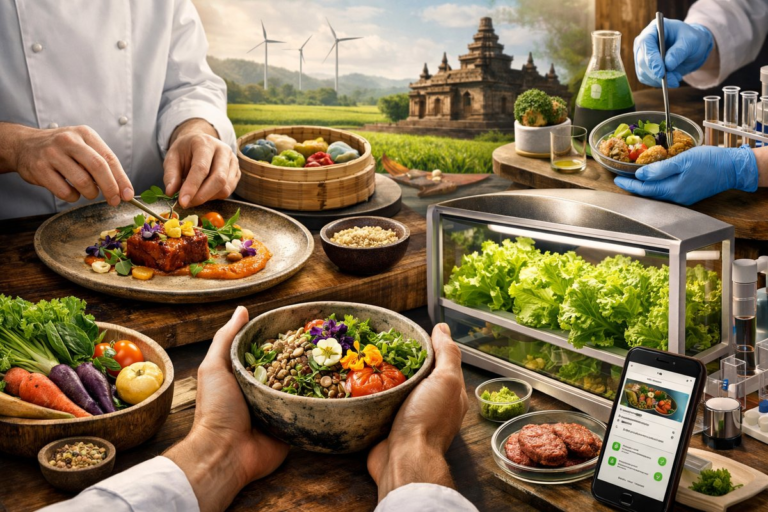
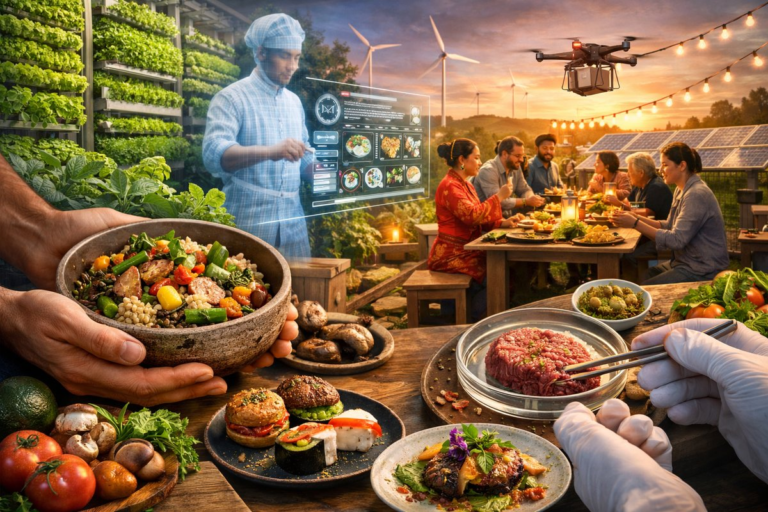
Technology is weaving through each of these currents in unexpected ways. Artificial intelligence and machine learning now power recipe recommendation engines that draw on a user’s pantry inventory, dietary preferences and local supply availability. Smartphone apps can scan grocery receipts and suggest recipe tweaks to reduce waste-turning wilted greens into pesto or overripe fruits into sorbet. In some experimental restaurants, chefs are testing robotic arms that perform repetitive tasks like kneading dough or cutting vegetables with consistent precision, freeing up human collaborators to focus on creative artistry and plating. These tools amplify resource efficiency and open new avenues for experimentation, while demanding a careful balance between human intuition and automated accuracy.
Immersive dining experiences have also gained traction among those seeking multisensory engagement. In converted warehouses and secret lofts, projection-mapped tables transport diners to virtual forests or underwater coral reefs as they sample courses that reference the visuals-seaweed crackers under wavering blue lights, or mushroom ragout with the rustle of falling leaves echoing in the room. Sound designers layer ambient recordings of wind, waves or bird calls to heighten emotional resonance. Aromachology spritzers deliver subtle wafts of citrus blossom or smoked cedar, coordinating with each course to deepen memory encoding. While this fusion of theater and gastronomy can feel whimsical, advocates argue it fosters mindfulness, encouraging guests to slow down and savor each bite in a fully embodied way.
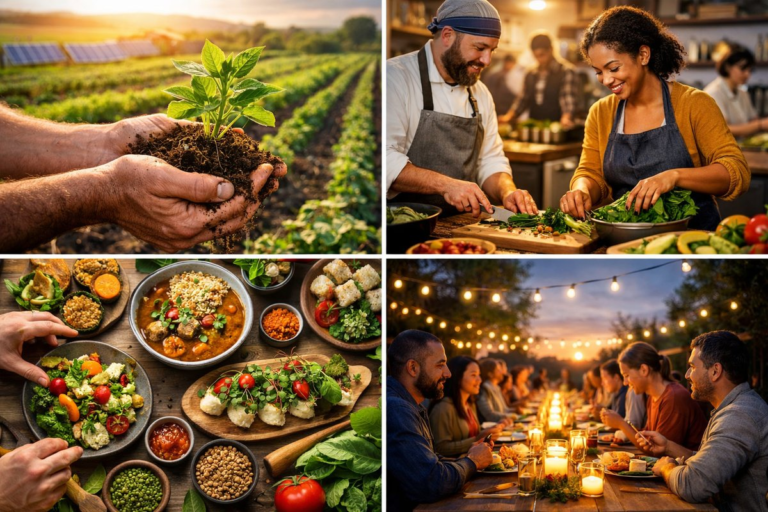
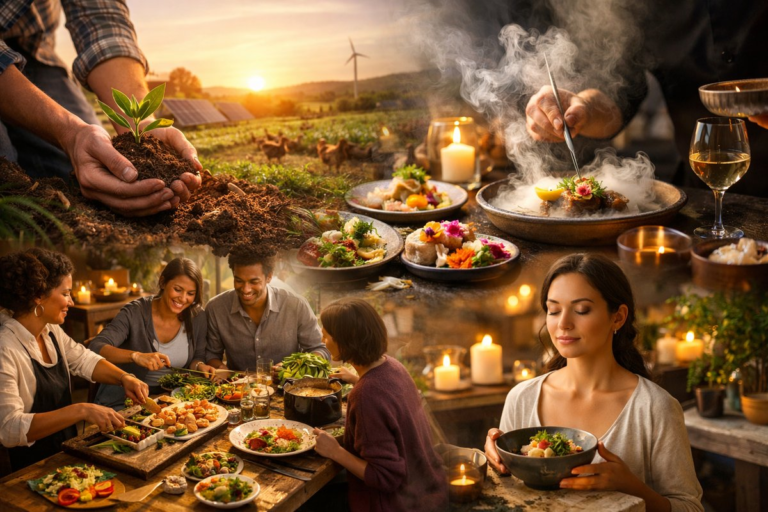
Sustainability remains at the heart of these developments. Community-supported agriculture programs are evolving into digital cooperatives, where small farms share real-time harvest updates via secure platforms. Members pledge to purchase a weekly box of mixed produce, often at cost-covering rates, eliminating the middleman markup. Meanwhile, bioplastic packaging innovations reduce single-use waste, and waste-tracking apps help kitchens quantify scraps and divert organic matter into compost streams. Some venues have gone so far as to install on-site composting reactors that break down food scraps within hours, returning nutrient-rich soil to rooftop gardens and microfarms.
At home, the rise of modular cooking appliances reflects a growing appetite for adaptability. Induction cooktops with attachable grill plates or wok converters allow small living spaces to function as fully equipped kitchens. Vacuum sealers and immersion circulators open the door to sous-vide cooking, prized for precise temperature control and nutrient preservation. Smart indoor herb gardens bring fresh basil, cilantro and chili peppers to countertop heights, cutting down on plastic-bottle spice jars and transport miles. These tools lower barriers for novice cooks and empower seasoned home chefs to explore international techniques without leaving their apartments.
Equity and cultural respect have become guiding principles as these trends unfold. Programs that pair immigrant community members with restaurant incubators help preserve traditional recipes and cooking methods that might otherwise fade under commercialization. Night markets in urban food districts allocate vendor stalls to first-generation entrepreneurs, offering training in business licensing, health regulations and digital marketing. In academic settings, ethnobotanists collaborate with Indigenous knowledge keepers to document ancestral practices foraging, preserving both the ecological and cultural narratives underpinning native plants.
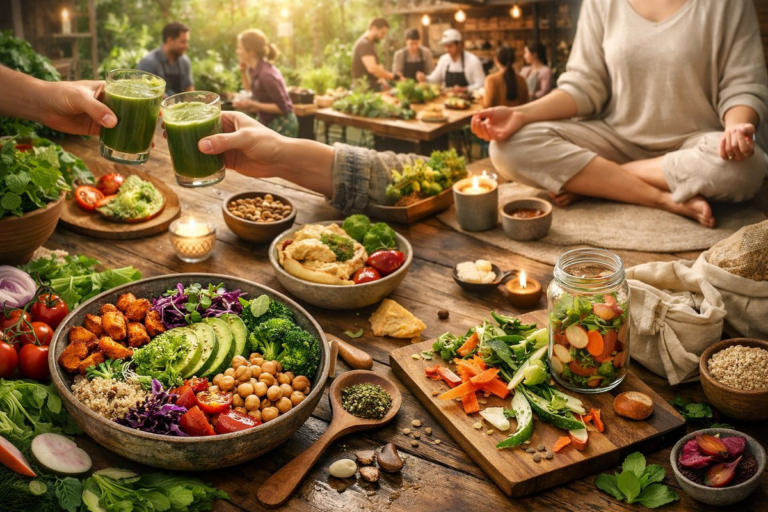
Even as innovation accelerates, a renewed appreciation for kitchen rituals emerges. People are rediscovering the meditative qualities of kneading dough, hand-rolling pasta or patiently steeping loose-leaf teas. Virtual cooking circles connect students across time zones, swapping regional spice blends, heirloom grain recipes and fermentation tips. Many participants report that these shared rituals, amplified by video calls, provide emotional nourishment and community at a time of social fragmentation.
Looking ahead, experts predict that food will continue to intersect with health, climate and technology in novel ways. Algae and single-cell proteins are under development as renewable protein sources. Blockchain is being piloted for farm-to-table traceability, giving consumers transparent access to each stage of the supply chain. Ambient computing may enable voice-activated cooking guidance or real-time pantry inventory checks. Above all, the most compelling developments combine human creativity, ethical stewardship and scientific rigor-ultimately transforming not just what we eat, but how we relate to one another and our environment through shared nourishment.
Whether you’re harvesting wild ramps at sunrise, crafting a sparkling kvass in your apartment or donning mixed-reality glasses for a multi-sensory feast, today’s culinary scene offers endless invitations to explore. These converging trends remind us that every ingredient carries a story-of soil and sun, of community and care. By engaging more deeply with our food, we become collaborators in its journey from seed to plate, and guardians of the flavors that shape our world.