Location
Mount Vernon, WA 98274

Location
Mount Vernon, WA 98274
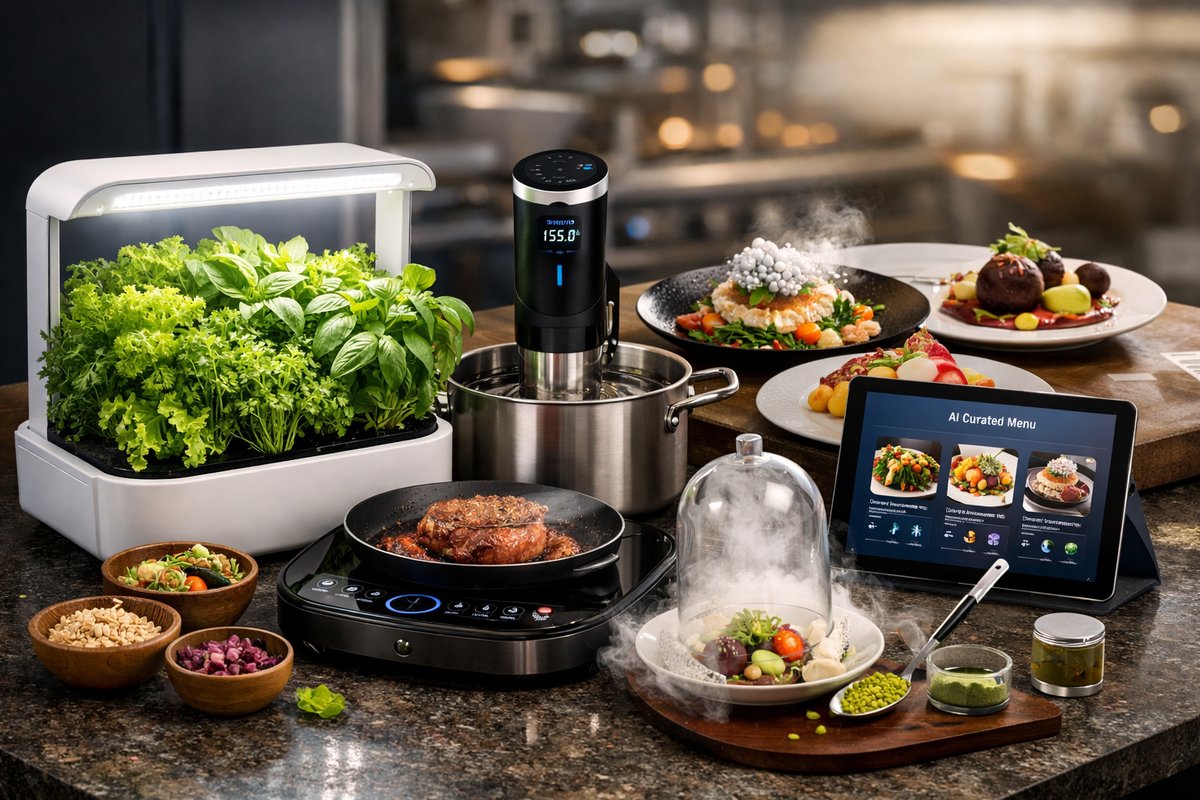
From countertop microfarms to AI-curated menus, today's kitchen is a playground for tech-driven creations and eco-conscious choices. This article explores the rise of home hydroponics, precision cooking tools, upcycled ingredients, and multi-sensory dining techniques poised to transform everyday meals into immersive culinary experiences.
Walk into any modern home kitchen and you’re likely to find a convergence of gadgets and greenery beside familiar pots and pans. Across the globe, curious cooks are embracing new tools, techniques, and philosophies that blend innovation with tradition. The demand for zero-waste strategies, farm-fresh flavors, and sensory experimentation has sparked a wave of culinary trends unlike anything we’ve seen before. From smartphone-enabled immersion circulators to countertop hydroponic gardens, the boundaries between professional kitchens and home cooking are blurring-and the result is a more creative, sustainable, and connected approach to feeding ourselves and our communities.
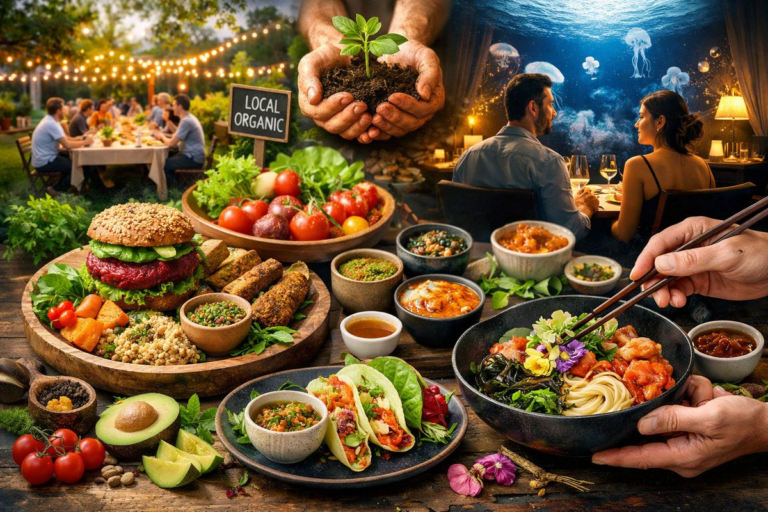
At the heart of this shift is a simple idea: great food doesn’t have to cost the earth. As more people grow conscious of their environmental footprint, they’re adapting both classic and emerging methods to reduce waste, source locally, and repurpose ingredients that might otherwise be discarded. This eco-minded mindset is spurring everything from fermentation revivals to upcycled vegetable stocks, bringing depth of flavor and resourcefulness into home cooking.
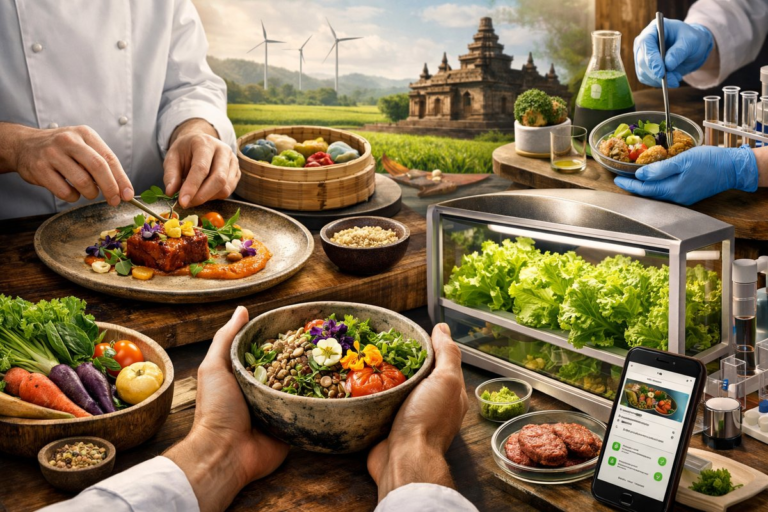
Technology, too, is converging with our culinary curiosities in unprecedented ways. Smart appliances that link to recipe apps are taking the guesswork out of timing and temperature. Precision immersion circulators, once the realm of high-end restaurants, now fit on a kitchen countertop and deliver perfectly cooked proteins and vegetables every time. Digital kitchen scales paired with nutritional databases help home cooks track macros and portion sizes with ease. Meanwhile, community platforms for sharing recipes and tips are empowering novice cooks to tackle techniques once reserved for pros.
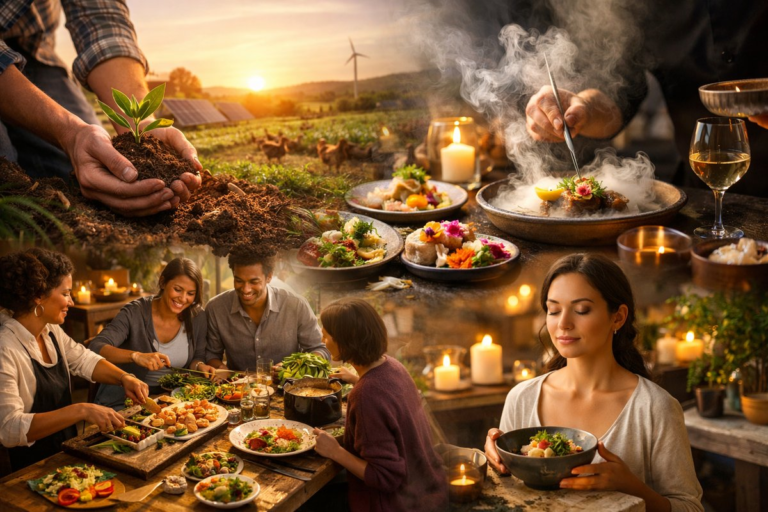
Beyond efficiency and sustainability, many are seeking experiences that go deeper than taste alone. Multi-sensory dining-incorporating ambient lighting, curated soundscapes, and even scent diffusers-aims to heighten the emotional power of a meal. It’s an approach that acknowledges how environment and memory shape our perception of flavor. Whether it’s a living-room supper club with mood-setting LED accents or a small pop-up featuring homegrown herbs, the goal is to forge emotional connections through food.
Here are five culinary currents currently reshaping our home tables:
1. Countertop Microfarms and Indoor Gardening
You no longer need a sprawling backyard to grow your own produce. Compact hydroponic and aeroponic systems let you cultivate fresh herbs, salad greens, and even small vegetables year-round. These plug-and-play units often include LED grow lights tuned to the precise spectral wavelengths plants need. Beyond the novelty of snipping fresh basil or mint at will, home microfarms help cut down on packaging, reduce food miles, and reconnect cooks with the seasonal rhythms of harvest.
2. Precision Cooking with Immersion Circulators
Sous-vide has moved from elite restaurants into common households thanks to affordable immersion circulators. By sealing ingredients in vacuum bags and cooking them in a precisely controlled water bath, home chefs achieve uniform doneness and enhanced flavor retention. Proteins emerge tender and juicy, while vegetables and fruits can be lightly poached to highlight their natural sweetness. The technique also supports batch-cooking and meal prep, reducing food waste and stress on busy weeknights.
3. Revival of Fermentation and Upcycling
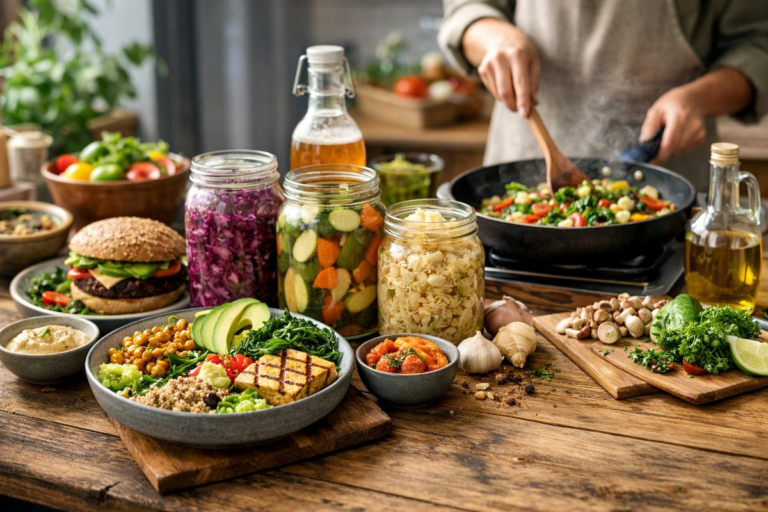
Fermentation kits and DIY pickling jars have seen a renaissance as home cooks explore tangy krauts, kimchis, and probiotic-rich beverages. Fermentation is both a flavor accelerator and a preservation tool, transforming surplus produce into long-lasting staples. At the same time, upcycled-ingredient movements are turning vegetable scraps into stocks, pulps into crackers, and overripe fruit into jams and shrubs. This full-circle approach to ingredients champions both taste and zero-waste principles.
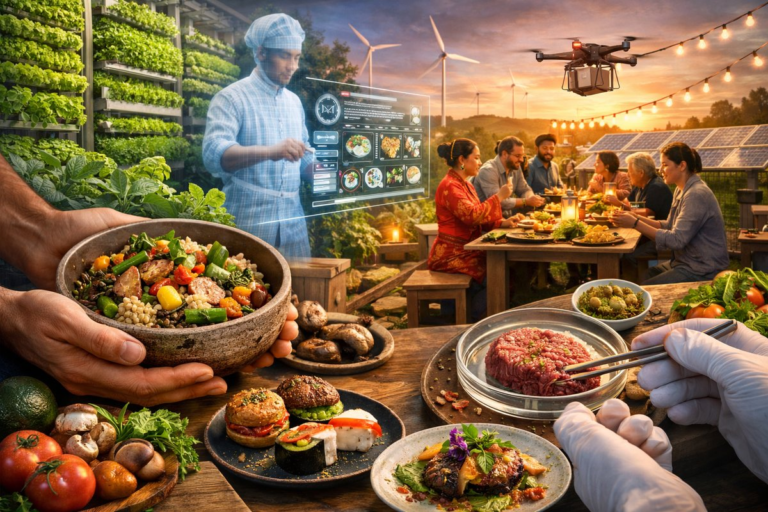
4. AI-Powered Recipe Curation and Nutritional Tracking
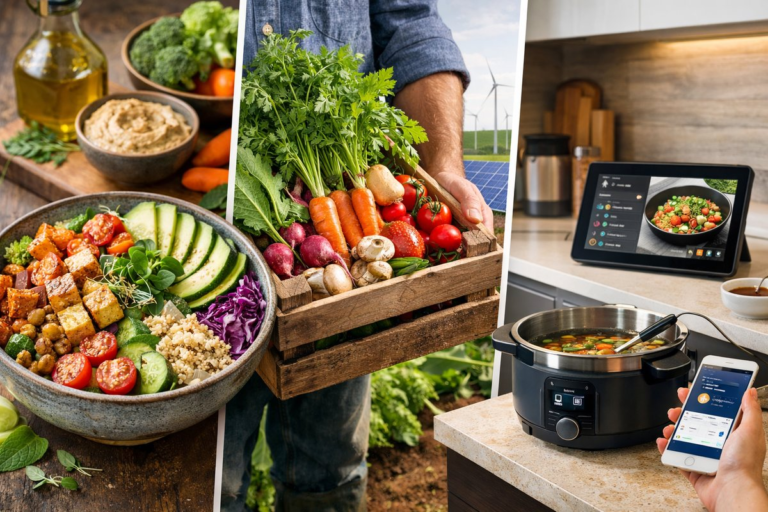
From chatbots that suggest meal plans based on pantry inventories to apps that auto-generate shopping lists, intelligence-driven cooking aides are reducing decision fatigue. Some platforms analyze your dietary goals, preferences, and even local grocery prices to recommend optimized menus. Integrated digital scales and barcode scanners ensure accurate portion control, making it easier to monitor calorie counts, macronutrients, and micronutrients for balanced, personalized nutrition.
5. Multi-Sensory and Communal Dining Experiences
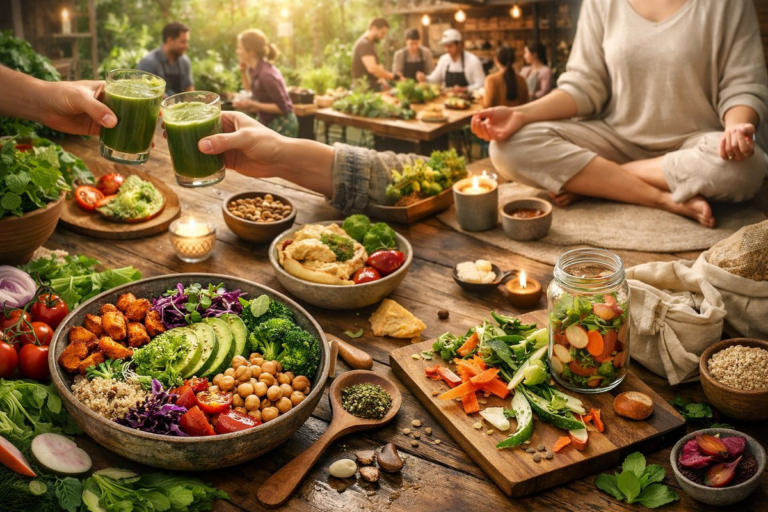
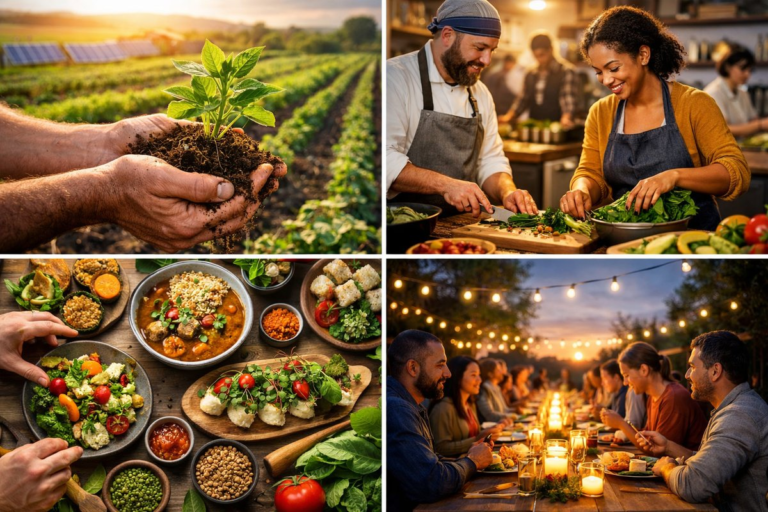
Meals are increasingly seen as events to be savored-not just consumed. Home cooks are experimenting with soundtracks that complement the ingredients, diffusing culinary-inspired aromas, and adjusting lighting to enhance color perception. Pop-up communal dinners and neighborhood supper clubs leverage these tactics, bringing people together around a shared table in socially distilled environments. It’s a reminder that food’s true magic lies in the connections it fosters.
These currents aren’t isolated. A single batch of sous-vide carrots harvested from your countertop garden might be pickled in a DIY kit and served under soft, immersive LED backlighting. An AI recipe app could suggest new flavor pairings based on your fermentation experiments. In this convergence of technology, tradition, and sustainable consciousness, even the simplest meal can become a layered, sensory-rich celebration of taste and community.
Whether you’re a curious beginner or a seasoned home chef, now is an ideal moment to integrate one or more of these trends. Start small by growing a handful of herbs under LED lights or testing a basic immersion circulator for perfectly cooked proteins. You can dip a toe into fermentation with a glass jar and high-quality pickling salts. Then, let your creativity guide you toward more complex, multi-sensory setups. With each new tool or technique, you’ll find that cooking is not just about feeding yourself-it’s a gateway to experimentation, connection, and mindful living.
As we look ahead, it’s clear that tomorrow’s kitchen will be as much about personal expression and ecological stewardship as it is about flavor. By embracing technology in harmony with sustainability and human connection, we can transform every meal into an opportunity for discovery and delight.